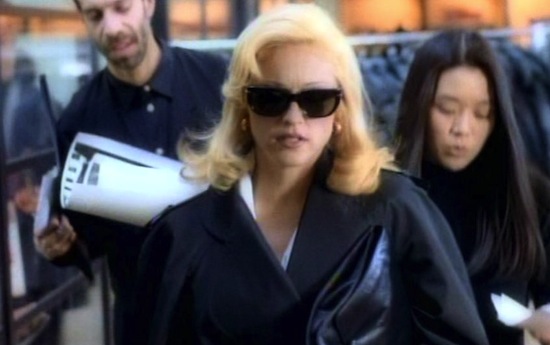
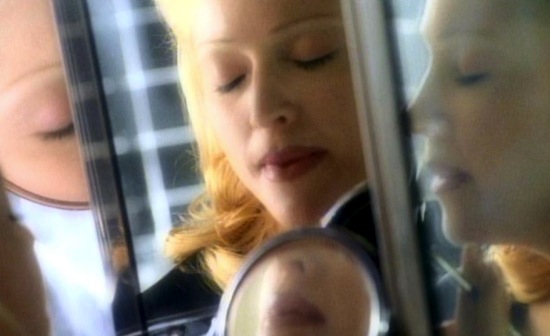

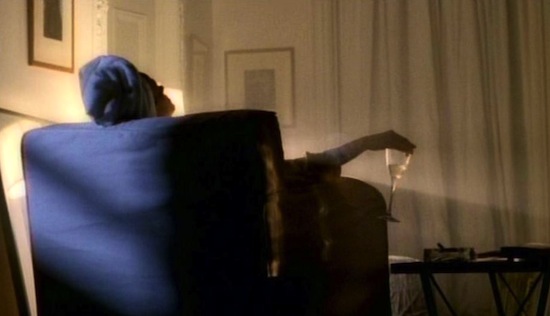
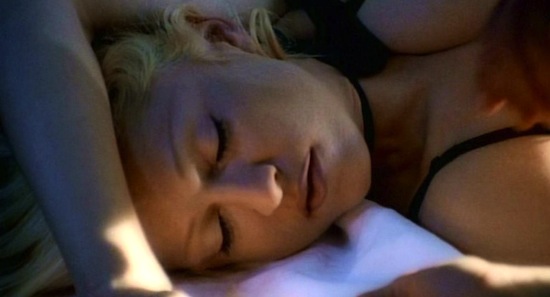
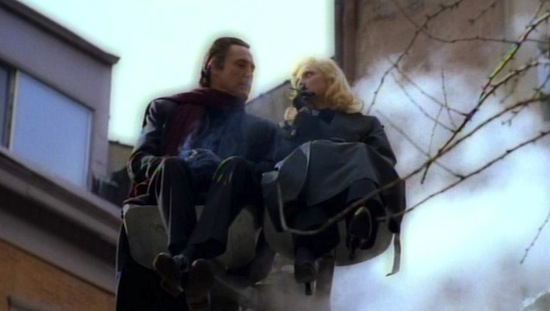
On February 11 1993, Madonna’s Bad Girl video premiered on MTV. The video was directed by David Fincher.

On February 11 1993, Madonna’s Bad Girl video premiered on MTV. The video was directed by David Fincher.

On November 26 1992, Rolling Stone magazine published their review of Madonna’s Erotica album, written by Arion Berger:
It took Madonna ten years, but she finally made the record everyone has accused her of making all along. Chilly, deliberate, relentlessly posturing. Erotica is a post-AIDS album about romance — it doesn’t so much evoke sex as provide a fetishistic abstraction of it. She may have intended to rattle America with hot talk about oral gratification and role switching, but sensuality is the last thing on the album’s mind. Moving claustrophobically within the schematic confines of dominance and submission, Erotica plays out its fantasies with astringent aloofness, unhumid and uninviting. The production choices suggest not a celebration of the physical but a critique of commercial representations of sex — whether Paul Verhoeven’s, Bruce Weber’s or Madonna’s — that by definition should not be mistaken for the real thing. It succeeds in a way the innocent post-punk diva of Madonna and the thoughtful songwriter of Like a Prayer could not have imagined. Its cold, remote sound systematically undoes every one of the singer’s intimate promises.
Clinical enough on its own terms when compared with the lushness and romanticism of Madonna’s past grooves, Erotica is stunningly reined in; even when it achieves disco greatness, it’s never heady. Madonna, along with co-producers Andre Betts and Shep Pettibone, tamps down every opportunity to let loose — moments ripe for a crescendo, a soaring instrumental break, a chance for the listener to dance along, are over the instant they are heard. Erotica is Madonna’s show (the music leaves no room for audience participation), and her production teases and then denies with the grim control of a dominatrix.
Against maraca beats and a shimmying horn riff, Erotica introduces Madonna as “Mistress Dita,” whose husky invocations of “do as I say” promise a smorgasbord of sexual experimentation, like the one portrayed in the video for Justify My Love. But the sensibility of Erotica is miles removed from the warm come-ons of Justify My Love, which got its heat from privacy and romance — the singer’s exhortations to “tell me your dreams.” The Madonna of Erotica is in no way interested in your dreams; she’s after compliance, and not merely physical compliance either. The song demands the passivity of a listener, not a sexual partner. It’s insistently self-absorbed — Vogue with a dirty mouth, where all the real action’s on the dance floor.
Look (or listen) but don’t touch sexuality isn’t the only peep-show aspect of this album; Erotica strives for anonymity the way True Blue strove for intimacy. With the exception of the riveting Bad Girl, in which the singer teases out shades of ambiguity in the mind of a girl who’d rather mess herself up than end a relationship she’s too neurotic to handle, the characters remain faceless. It’s as if Madonna recognizes the discomfort we feel when sensing the human character of a woman whose function is purely sexual. A sex symbol herself, she coolly removes the threat of her own personality.
Pure disco moments like the whirligig Deeper and Deeper don’t need emotional resonance to make them race. But the record sustains its icy tone throughout the yearning ballads (Rain, Waiting) and confessional moods (Secret Garden). Relieved of Madonna’s celebrity baggage, they’re abstract nearly to the point of nonexistence — ideas of love songs posing as the real thing. Even when Madonna draws from her own life, she’s all reaction, no feeling: The snippy Thief of Hearts takes swipes at a man stealer but not out of love or loyalty toward the purloined boyfriend, who isn’t even mentioned.
By depersonalizing herself to a mocking extreme, the Madonna of Erotica is sexy in only the most objectified terms, just as the album is only in the most literal sense what it claims to be. Like erotica, Erotica is a tool rather than an experience. Its stridency at once refutes and justifies what her detractors have always said: Every persona is a fake, the self-actualized amazon of Express Yourself no less than the breathless baby doll of Material Girl. Erotica continually subverts this posing to expose its function as pop playacting. The narrator of Bye Bye Baby ostensibly dumps the creep who’s been mistreating her, but Madonna’s infantile vocal and flat delivery are anything but assertive — she could be a drag queen toying with a pop hit of the past. Erotica is everything Madonna has been denounced for being — meticulous, calculated, domineering and artificial. It accepts those charges and answers with a brilliant record to prove them.
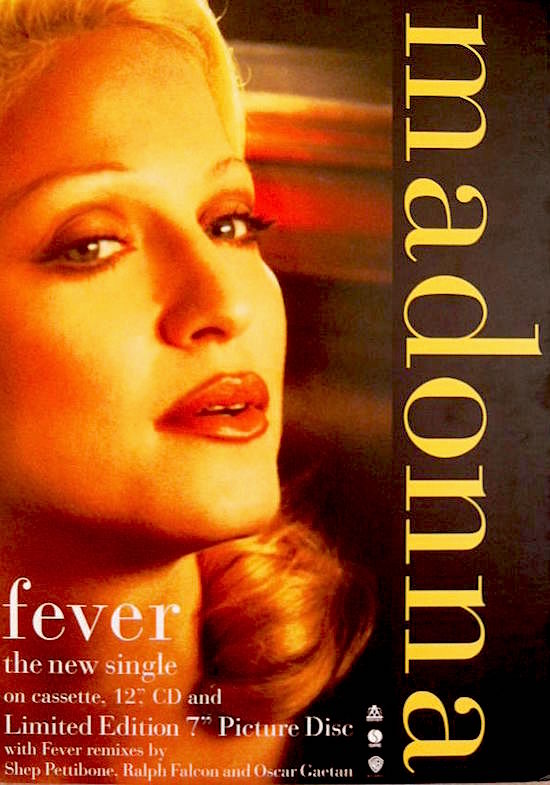
On May 15 1993, Madonna’s Fever hit number-one on Billboard’s Hot Dance/Club chart in the USA. Fever was the fourth single from the Erotica album and was the b-side to Bad Girl in North America.


On March 27 1993, Bad Girl peaked at #20 on the Canadian Top 100 Singles chart (RPM).
Although the single fared better in Canada than it did south of the border (it peaked at #36 on the Hot 100), Bad Girl nevertheless earned the undesirable distinction of being Madonna’s lowest charting Canadian single since Borderline at the time, which had peaked at #25 in September, 1984.
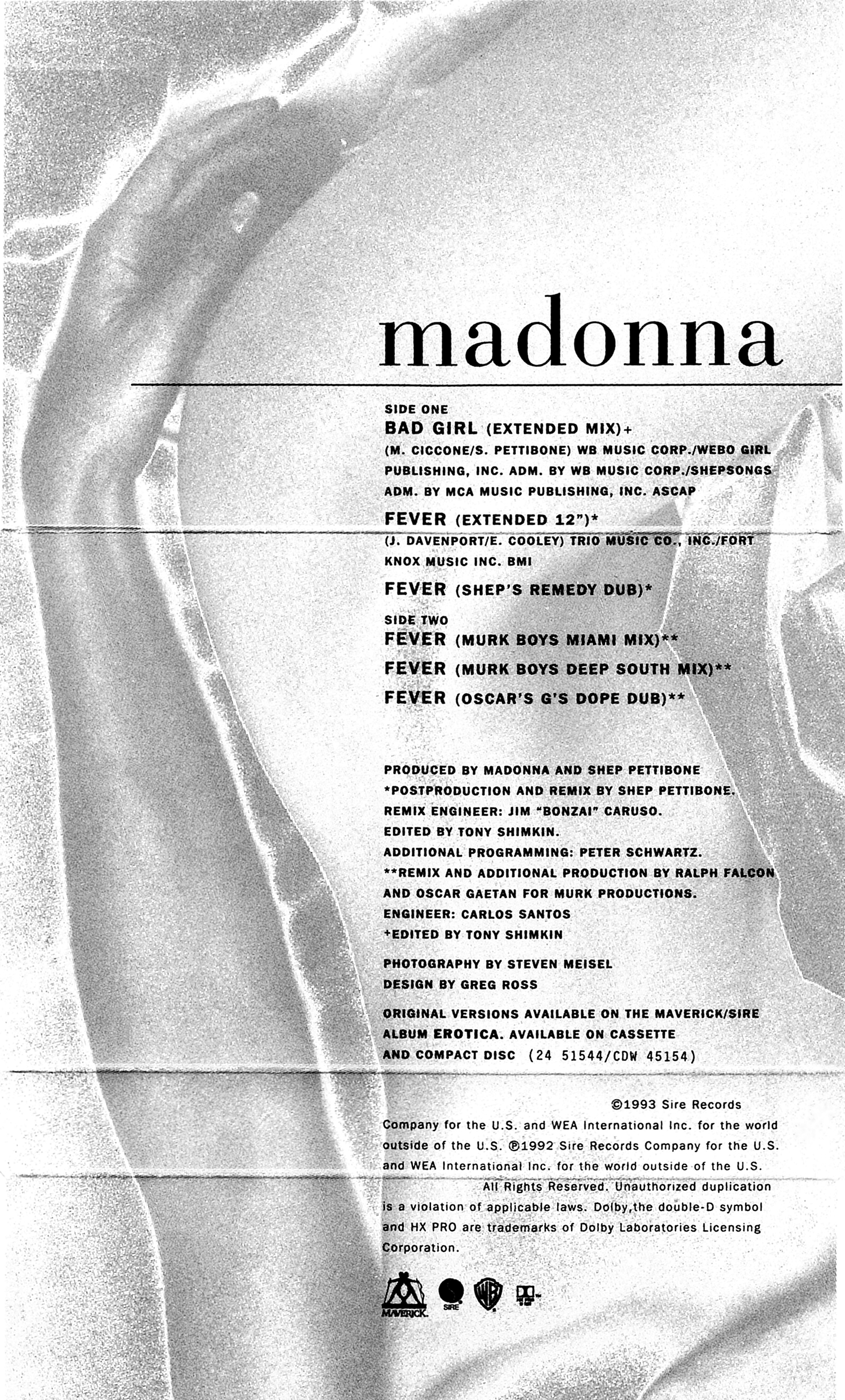
The Bad Girl single was backed with the album version of Fever in North America (both songs were released separately in Europe), while the Bad Girl maxi-single focused primarily on remixes of Fever along with an extended version of Bad Girl. Strangely, a music video for Fever was produced only after the single had run its course on the European charts, set to a remix that was not issued was not included on the North American maxi-single of Bad Girl or the Fever 12-inch promo set that was serviced to DJ’s in the U.S.
Despite the unusual promotion, Fever managed to top the U.S. Club chart and the video was put into regular rotation on MTV and MuchMusic in Canada.
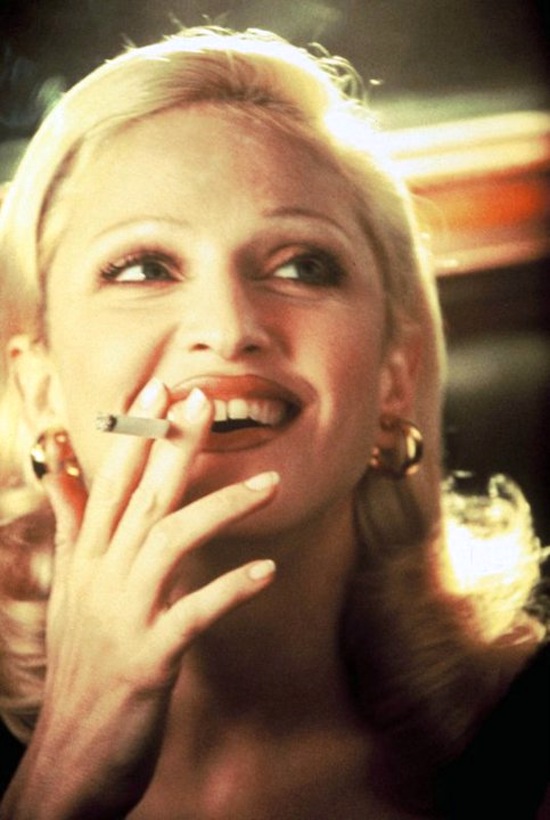
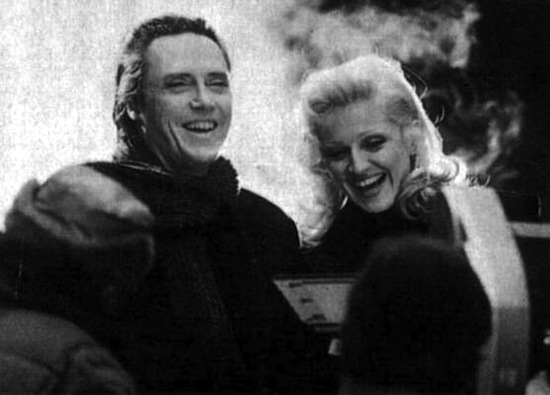
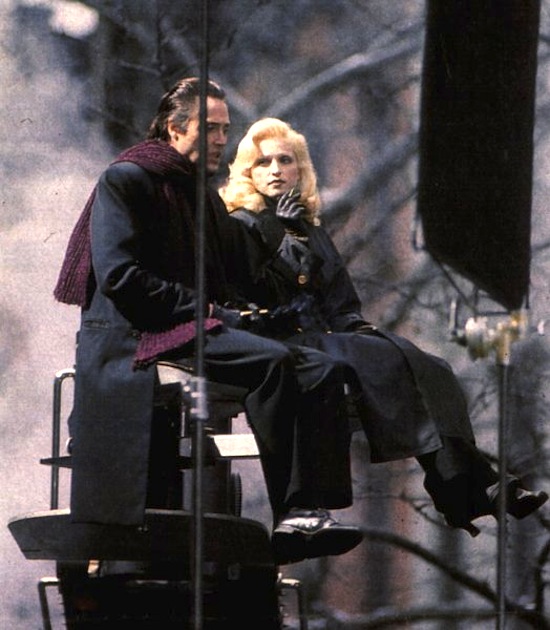
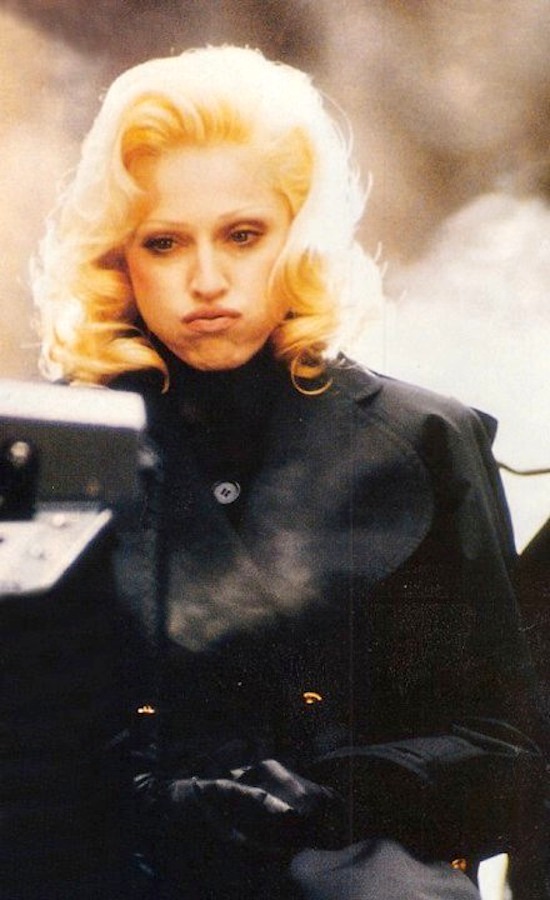
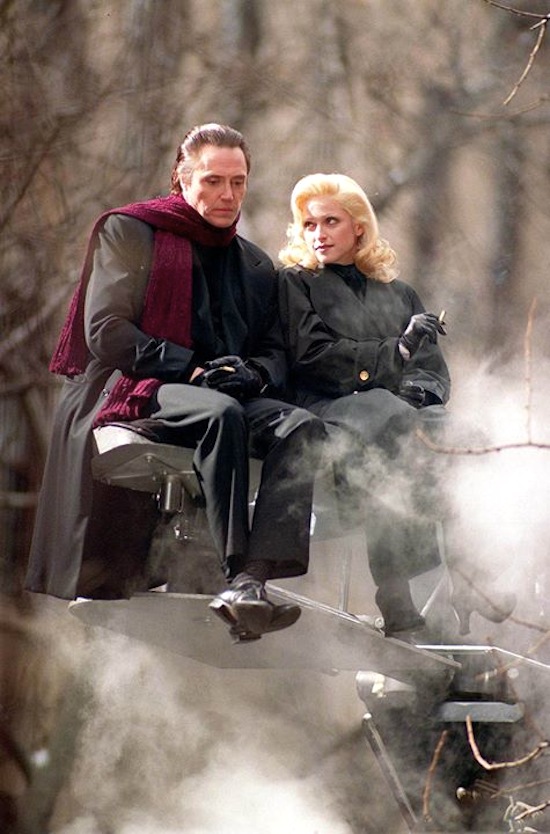
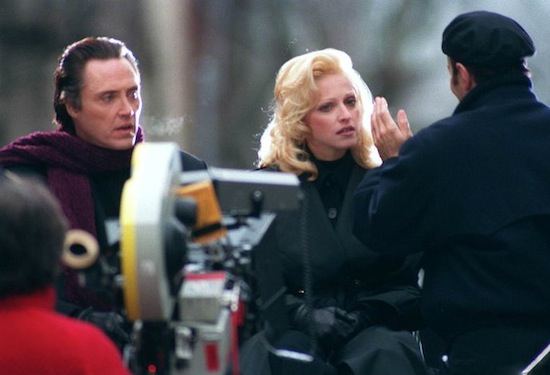
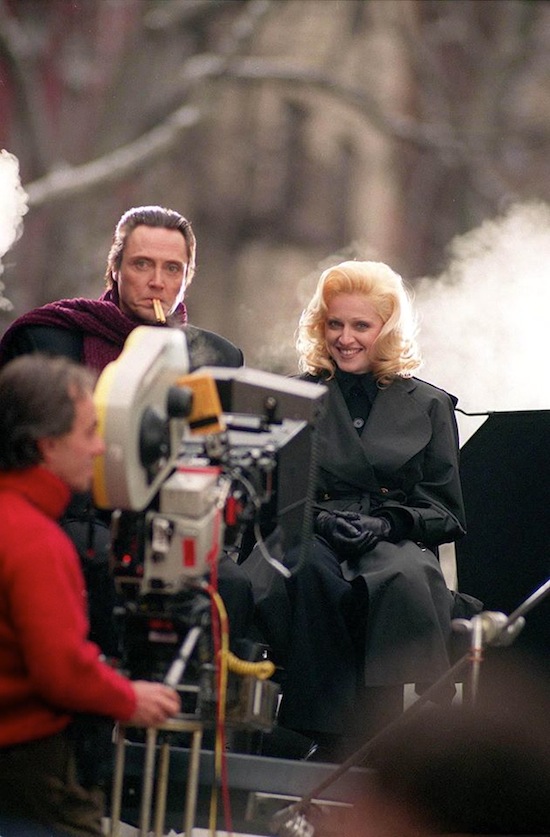
On January 12 1993, filming began for Madonna’s Bad Girl music video. The video was directed by David Fincher and shot on location in New York City between January 12 and 18.
Besides Christopher Walken, the video also featured appearances by actors Mark Margolis, Tomas Arana, Rob Campbell, James Rebhorn, and an uncredited cameo appearance from Matt Dillon, who plays a crime scene detective.
I don’t want to cause you any pain
But I love you just the same
And you’ll always be my baby
In my heart I know we’ve come apart
And I don’t know where to start
What can I do, I don’t wanna feel blue
Bad girl drunk by six
Kissing someone else’s lips
Smoked too many cigarettes today
I’m not happy when I act this way
Bad girl drunk by six
Kissing some kind stranger’s lips
Smoked too many cigarettes today
I’m not happy, I’m not happy

On February 27 1993, Madonna’s Bad Girl hit #60 (second week on the chart) in the USA, after a #75 debut the week before (February 20 1993).
Bad Girl is the only single release off of Madonna’s Erotica album that she did not perform on her Girlie Show World Tour of 1993.
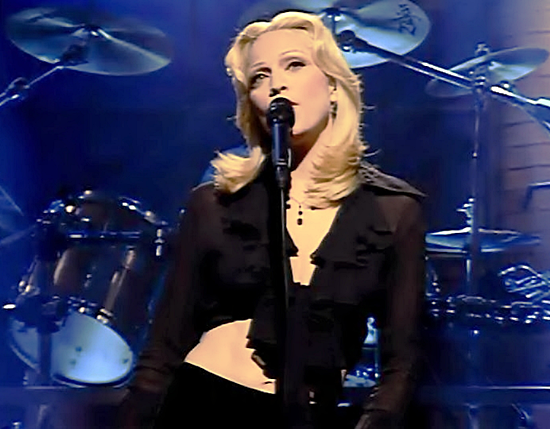
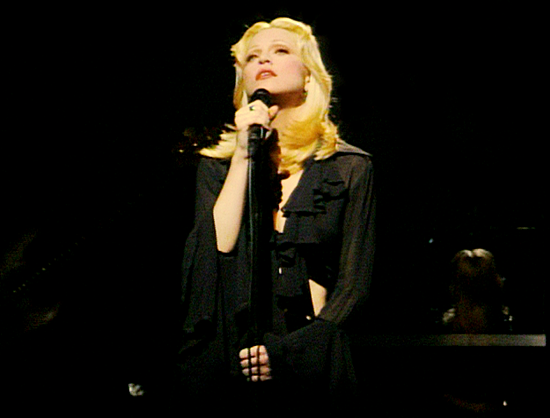
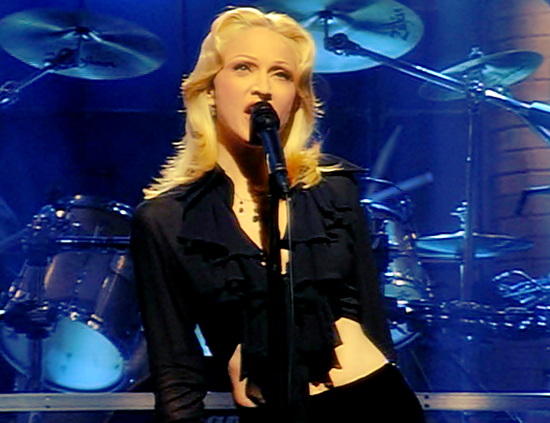

On January 16 1993, Madonna was musical guest on NBC-TV’s Saturday Night Live, performing Fever and Bad Girl. She also appeared in the show’s opening skit – a humorous homage to Marilyn Monroe – alongside the late comedians Phil Hartman and Jan Hooks.
Perhaps a little too into character or, more likely, a little too nervous – she managed to flub the show’s signature intro tag line during the live broadcast, with the mistake being subsequently edited out of all repeated airings of the episode.
Fortunately any nervous energy quickly dissipated once Madonna took to the musical stage, where she delivered a stunningly confident and nuanced vocal performance backed by an equally impressive new band (which included several members that would be recruited for her Girlie Show tour later in the year). It was Madonna’s only live performance of Bad Girl to date, and despite many appearances on SNL, her only inclusion as featured musical guest.
The episode was hosted by Harvey Keitel, who was only weeks away from working with Madonna again in the film Dangerous Game (then known as Snake Eyes) which began shooting in February.
Would you like to see Madonna return to SNL as musical guest?

