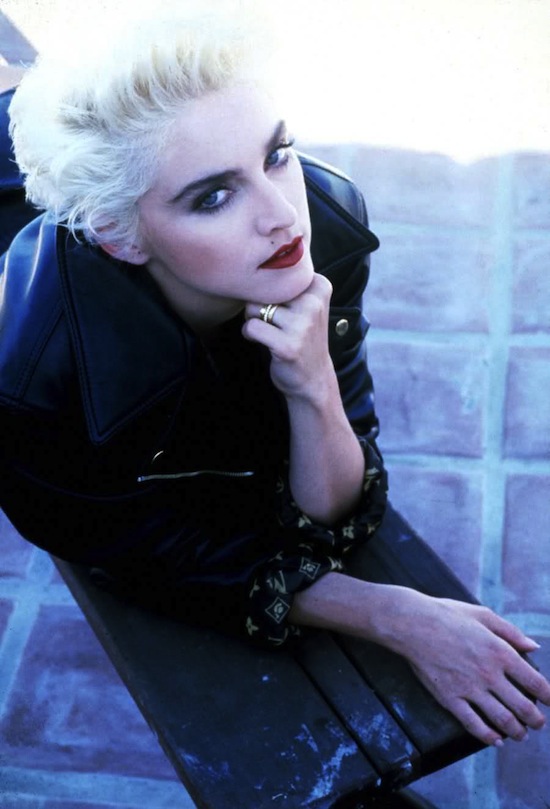
On July 11 1987, Madonna’s True Blue album was certified 5x platinum (5 million units) in the USA. The album went on to sell an estimated 19 million units worldwide.
How many copies of True Blue do you own? Cassette? 8-Track? LP? CD?

On July 11 1987, Madonna’s True Blue album was certified 5x platinum (5 million units) in the USA. The album went on to sell an estimated 19 million units worldwide.
How many copies of True Blue do you own? Cassette? 8-Track? LP? CD?
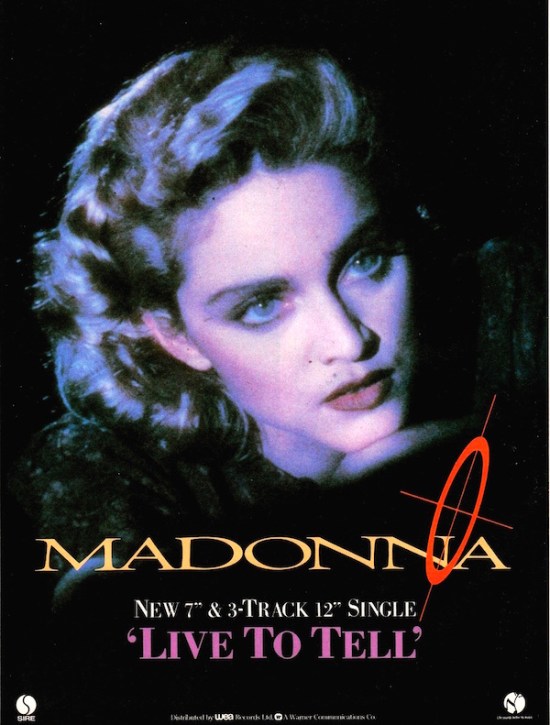
On June 7 1986, Madonna’s Live To Tell hit #1 on the Billboard Hot 100 in the USA, giving Madonna her third #1 single.
Written by Madonna and Patrick Leonard, Live To Tell was Madonna’s fourth soundtrack song in two years (Crazy For You, Into The Groove, Gambler & Live To Tell), and it was also the lead single from Madonna’s True Blue album.
What is your favourite Madonna soundtrack song?
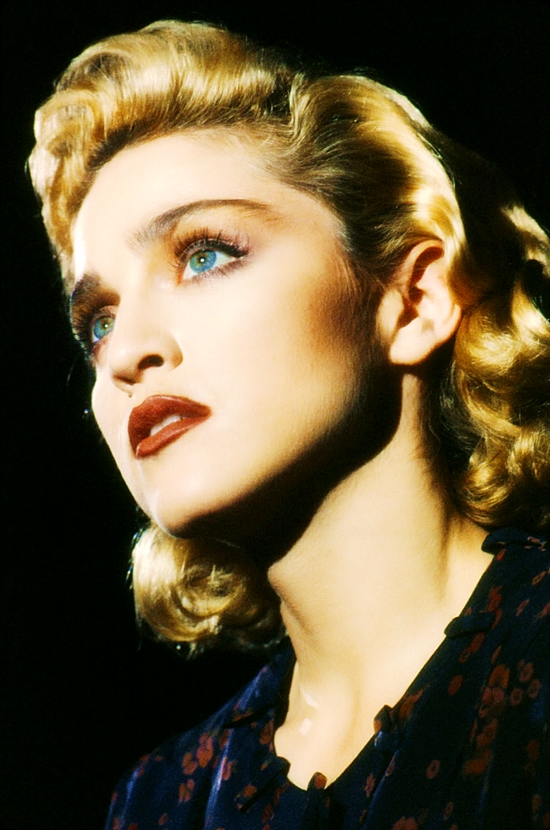
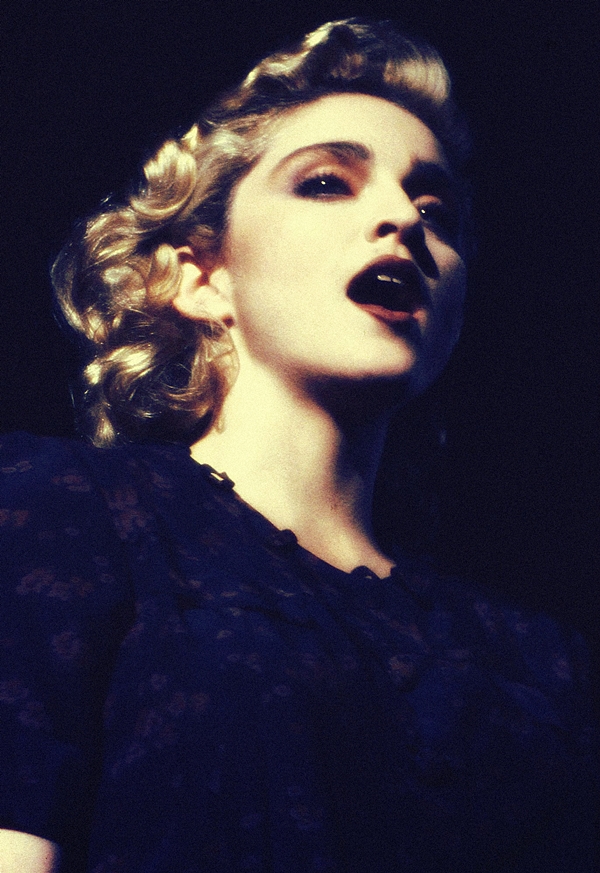

On May 31 1986, Madonna’s Live To Tell hit #1 for 3 weeks on US Hot Adult Contemporary singles chart.
The haunting and dramatic ballad, written and produced by Madonna & Patrick Leonard, was the first commercially released collaboration between the pair – a songwriting partnership that is viewed by many fans as one of her most creatively successful.
Leonard had previously been involved with Madonna’s Virgin Tour as musical director, and when Madonna agreed to participate in Live Aid in the Summer of 1985, she asked him to collaborate on a new song for the performance, which evolved into Love Makes The World Go Round.
Although both songs would find their way on to Madonna’s next studio album, True Blue, at the time of Live To Tell’s release the album’s title had not yet been decided. Instead, the song was used to promote Sean Penn’s film At Close Range, in which it was featured alongside an original score composed by Leonard.
He had initially composed the music that evolved into Live To Tell for another film he had been invited to score for Paramount, titled Fire With Fire. The producers of the film passed on the theme. Leonard recalled the subsequent series of events that led to the song’s completion in The Billboard Book of Number One Hits by Random House:
“Madonna said ‘This song would be great for Sean’s new movie.’ She wrote the lyrics–she just wrote them on the spot, which is what we always do. I don’t think we’ve ever taken more than three hours to complete a song from start to finish. She sang it on the demo only once and left with the cassette. That day I went to work with Michael Jackson on some transcriptions for material he was writing for the Bad album. The phone rang at Michael’s and it was Sean. He said ‘I’m over at the director’s house and Madonna just brought the song over. We love it and we’d like to talk to you about it.’ … We re-cut the song, but we used the same vocal. She only sang it once for the demo and that was the vocal we used because it was so innocent and so shy. She had a legal pad in her hand and you can hear the paper. It’s as raw as raw can be and that’s part of what gave it all its charm.”
When the demo recording of Live To Tell eventually surfaced, it became evident that Madonna had in fact re-recorded the first verse, but all remaining vocals do indeed appear to have been carried over from the demo to the final mix (along with a generously added dose of reverb to smooth over the rough edges of the demo take).
Given the song’s dark undercurrents and unresolved narrative, it was a bold choice for a single release. It marked a dramatic shift from the yearning love song, Crazy For You – her only other ballad to have been issued as a single at the time. But any radio programmers who were hesitant to consider Madonna as a serious artist simply couldn’t deny the artistry of the song and nor could record buyers, with the combined support sending Live To Tell straight to the top of the pop charts.
Live To Tell was Madonna’s third #1 single on the Billboard Hot 100, and her first #1 on the Adult Contemporary chart, where it would reign for three weeks.

On May 10 1986, Live To Tell peaked at #2 on the Top 100 Singles chart in the UK.
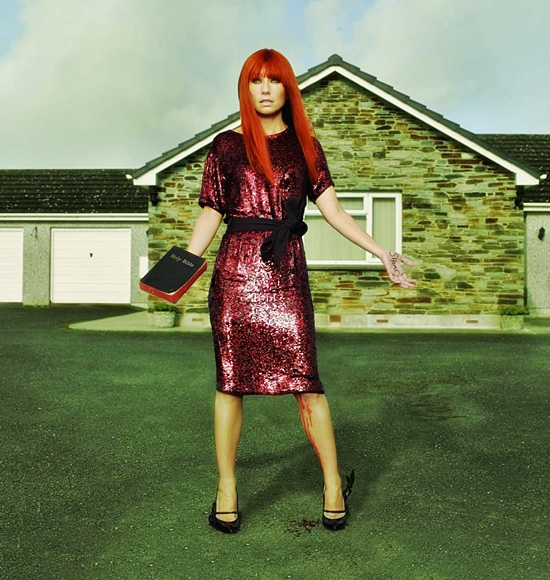
On April 23 2015, Tori Amos came to Madonna’s defense when questioned about the ageist undertones on social media – and by the media at large – in reaction to her “wardrobe malfunction” at the 2015 Brit Awards:
Madonna is an entertainer. There are very few people who could’ve gotten up off that floor. It wasn’t because of her that she fell, but it was because of her that the performance carried on. Some of the vilification comes from women as much as men. She’s making choices and she’s able to do things physically that a lot of people 25 years younger can’t; she got up and refused to allow that to shame her. I think people want her to be shamed into a role that they find acceptable for her age. It makes me sad that we can’t embrace Madonna and say, Wow, this is an artist who’s expressing herself in a certain way.”
— Tori Amos
Tori often incorporates one or two cover songs by other artists into her live shows, but there are only a handful of artists whom she has covered multiple songs, and Madonna is one of them. She has performed both Live To Tell and Like A Prayer at numerous concerts, with the most recent Madonna composition to join her live repertoire being Frozen, which made its debut in Amsterdam in 2014.
(Many thanks to YouTube user LittleQueenbee77 for the great live footage of this performance!)

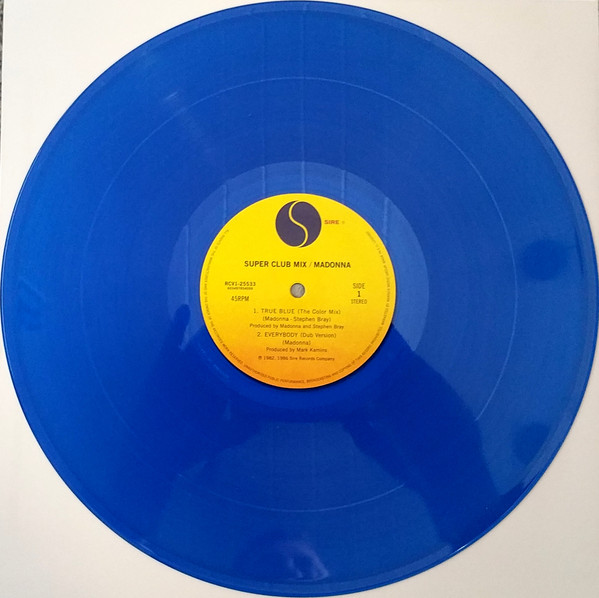
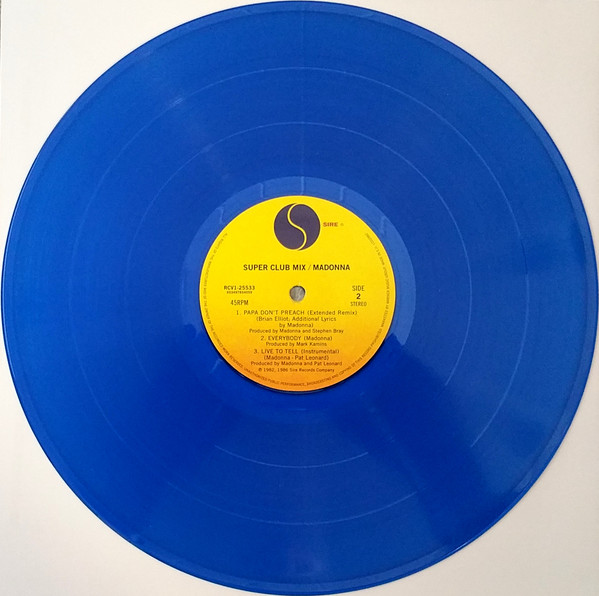

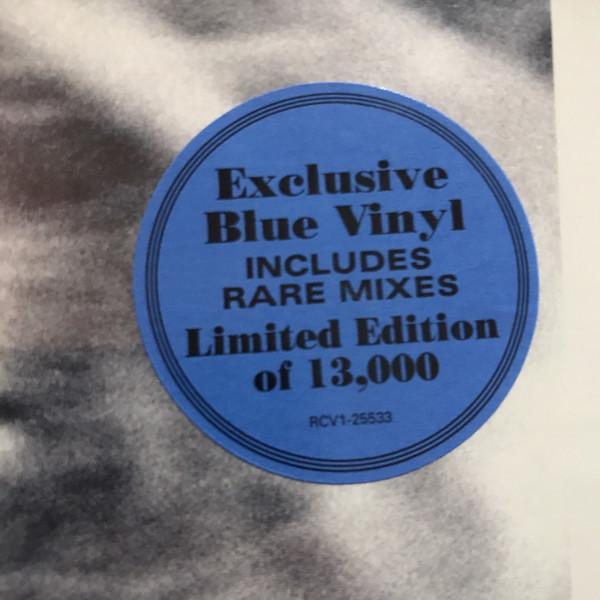
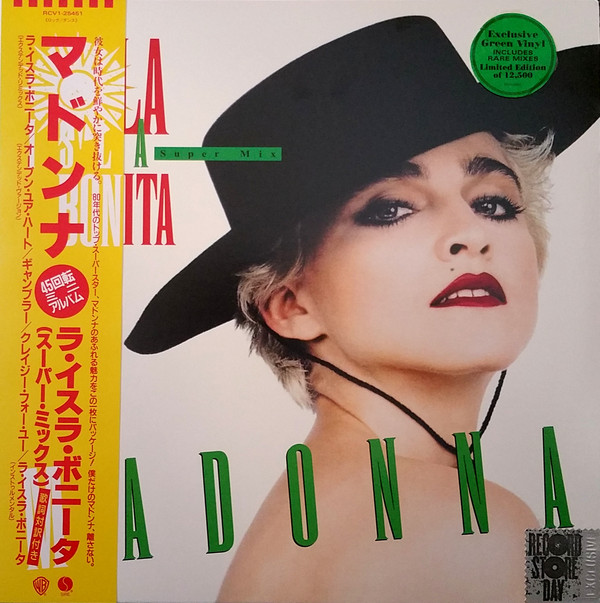
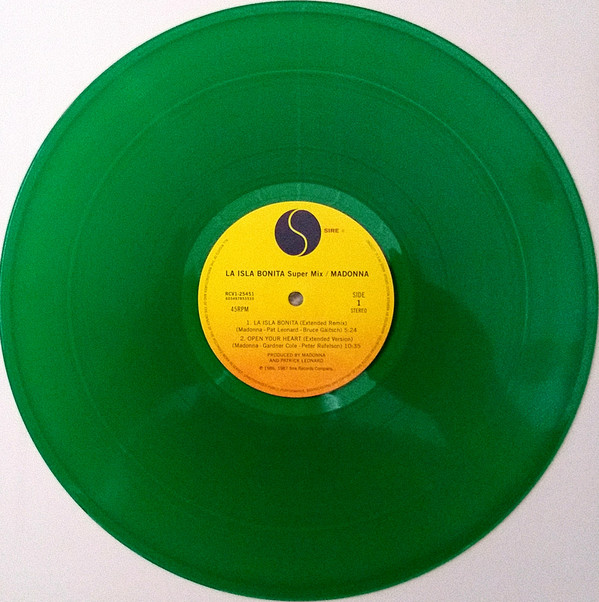
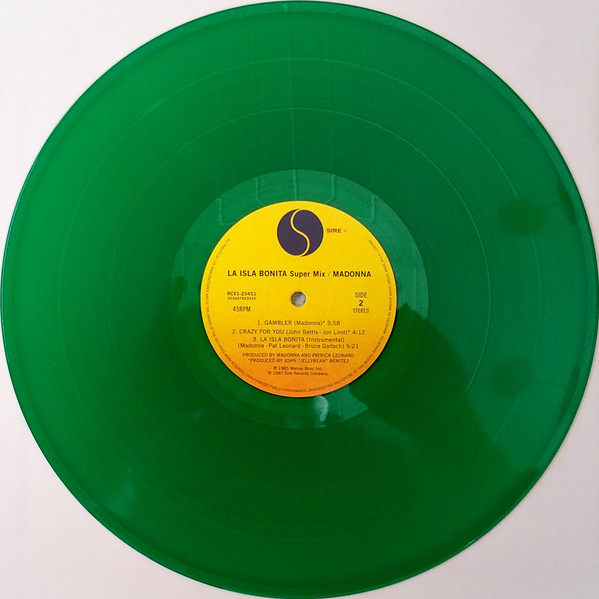
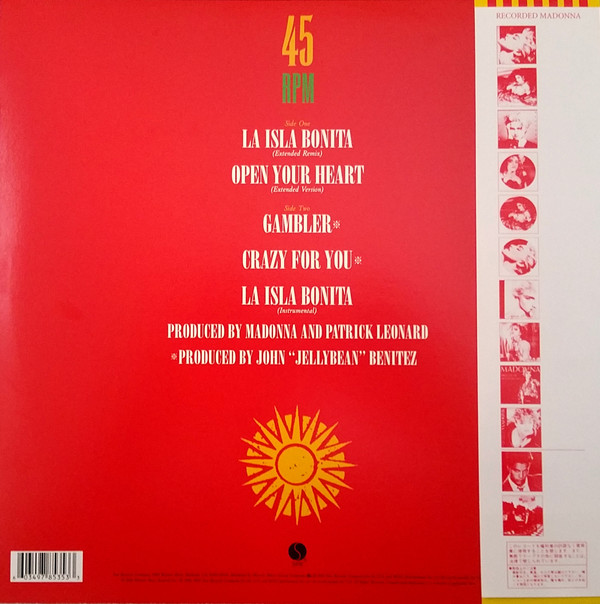
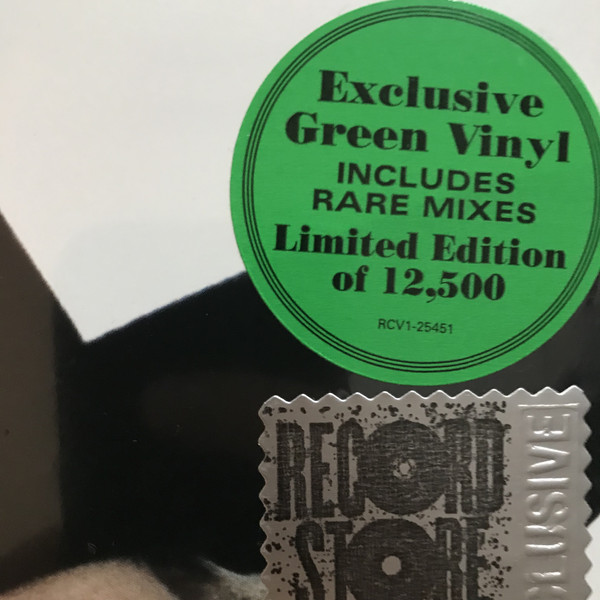
On April 13 2019, two of Madonna’s classic Japanese-exclusive vinyl EPs were re-released on coloured vinyl for Record Store Day 2019: True Blue (Super Club Mix) and La Isla Bonita (Super Mix).
True Blue (Super Club Mix) was pressed on blue vinyl (limited to 13,000 copies) and included the following tracks:
La Isla Bonita (Super Mix) was pressed on green vinyl (limited to 12,500 copies) and included the following tracks:
Jay’s Note: I was in line at 5:35am. Did you participate in Record Store Day? Were you successful in your search?
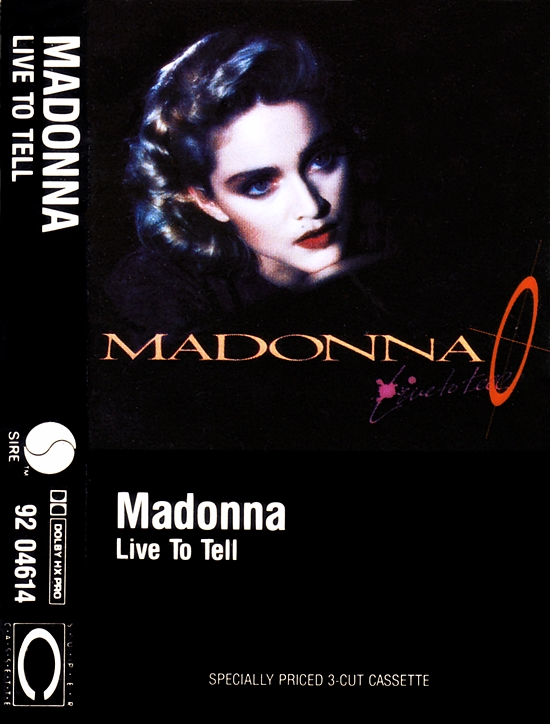
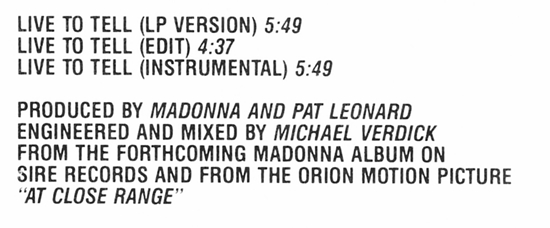
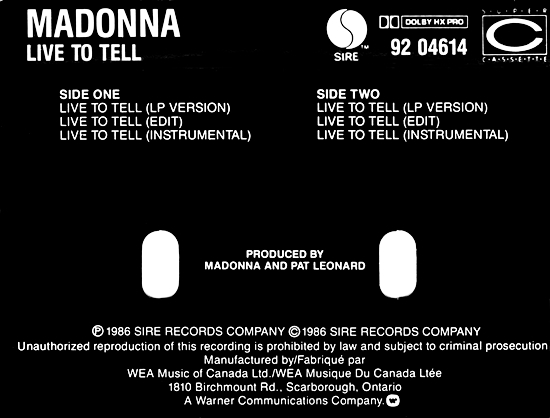
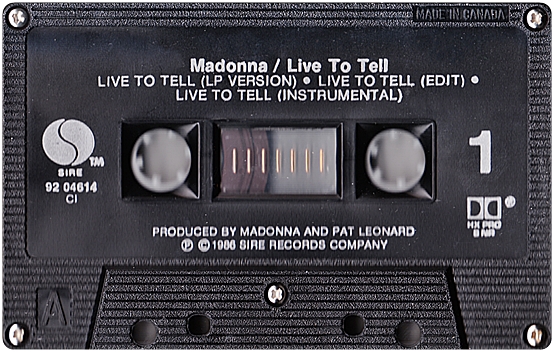
On March 26 1986, Live To Tell was released as a single in North America by Sire Records. The haunting and dramatic ballad, written and produced by Madonna & Patrick Leonard, was the first commercially released collaboration between the pair – a songwriting partnership that is viewed by many fans as one of her most creatively successful.
Leonard had previously been involved with Madonna’s Virgin Tour as musical director, and when Madonna agreed to participate in Live Aid in the Summer of 1985, she asked him to collaborate on a new song for the performance, which evolved into Love Makes The World Go Round.
Although both songs would find their way on to Madonna’s next studio album, True Blue, at the time of Live To Tell’s release the album’s title had not yet been decided. Instead, the song was used to promote Sean Penn’s film At Close Range, in which it was featured alongside an original score composed by Leonard.
He had initially composed the music that evolved into Live To Tell for another film he had been invited to score for Paramount, titled Fire With Fire. The producers of the film passed on the theme. Leonard recalled the subsequent series of events that led to the song’s completion in The Billboard Book of Number One Hits by Random House:
“Madonna said ‘This song would be great for Sean’s new movie.’ She wrote the lyrics–she just wrote them on the spot, which is what we always do. I don’t think we’ve ever taken more than three hours to complete a song from start to finish. She sang it on the demo only once and left with the cassette. That day I went to work with Michael Jackson on some transcriptions for material he was writing for the Bad album. The phone rang at Michael’s and it was Sean. He said ‘I’m over at the director’s house and Madonna just brought the song over. We love it and we’d like to talk to you about it.’ … We recut the song, but we used the same vocal. She only sang it once for the demo and that was the vocal we used because it was so innocent and so shy. She had a legal pad in her hand and you can hear the paper. It’s as raw as raw can be and that’s part of what gave it all its charm.”
When the demo recording of Live To Tell eventually surfaced, it became evident that Madonna had in fact re-recorded the first verse, but all remaining vocals do indeed appear to have been carried over from the demo to the final mix (along with a generously added dose of reverb to smooth over the rough edges of the demo take).
Given the song’s dark undercurrents and unresolved narrative, it was a bold choice for a single release. It marked a dramatic shift from the yearning love song, Crazy For You – her only other ballad to have been issued as a single at the time. But any radio programmers who were hesitant to consider Madonna as a serious artist simply couldn’t deny the artistry of the song and nor could record buyers, with the combined support sending Live To Tell straight to the top of the pop charts. It was also a significant Adult Contemporary crossover success, becoming her first single to reach number-one on Billboard’s Hot AC chart where it reigned for three weeks.

