Today in Madonna History: March 26, 1986

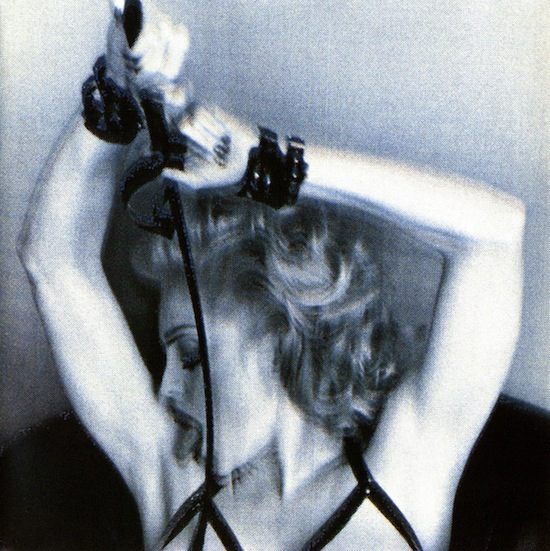
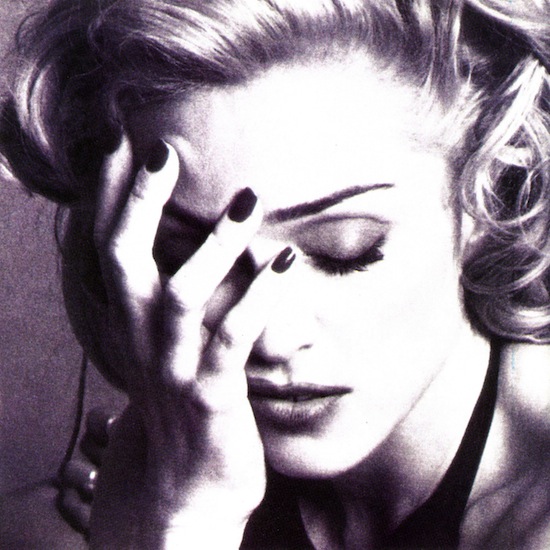
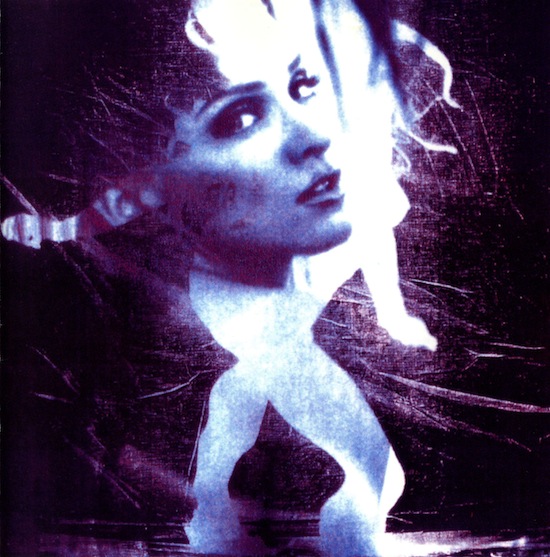
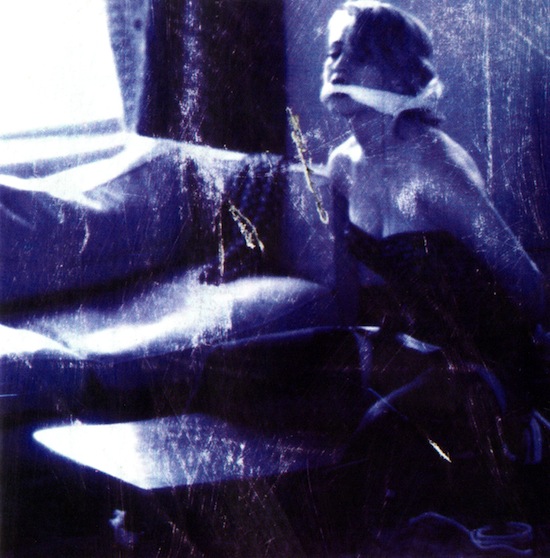
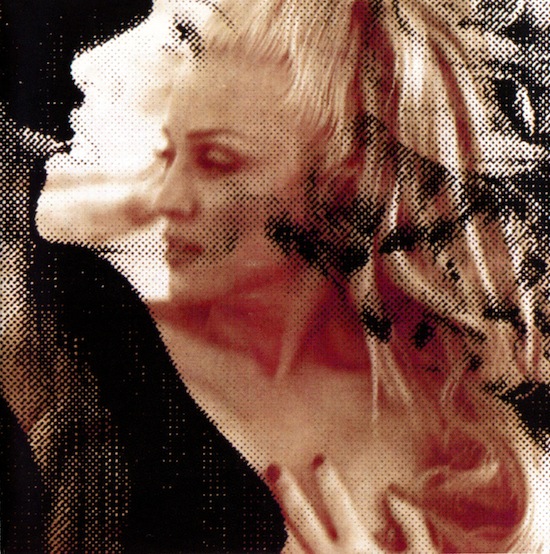
Live To Tell - Video Set - Herb Ritts Live To Tell - Canadian Cassette Maxi-Single Cover Live To Tell - Canadian CMS - Inner Sleeve Live To Tell - Canadian CMS - Back Sleeve Live To Tell - Canadian CMS - Cassette

On March 26 1986, Live To Tell was released as a single in North America by Sire Records. The haunting and dramatic ballad, written and produced by Madonna & Patrick Leonard, was the first commercially released collaboration between the pair – a songwriting partnership that is viewed by many fans as one of her most creatively successful.

Leonard had previously been involved with Madonna’s Virgin Tour as musical director, and when Madonna agreed to participate in Live Aid in the Summer of 1985, she asked him to collaborate on a new song for the performance, which evolved into Love Makes The World Go Round.

Although both songs would find their way on to Madonna’s next studio album, True Blue, at the time of Live To Tell’s release the album’s title had not yet been decided. Instead, the song was used to promote Sean Penn’s film At Close Range, in which it was featured alongside an original score composed by Leonard.

He had initially composed the music that evolved into Live To Tell for another film he had been invited to score for Paramount, titled Fire With Fire. The producers of the film passed on the theme. Leonard recalled the subsequent series of events that led to the song’s completion in The Billboard Book of Number One Hits by Random House:

“Madonna said ‘This song would be great for Sean’s new movie.’ She wrote the lyrics–she just wrote them on the spot, which is what we always do. I don’t think we’ve ever taken more than three hours to complete a song from start to finish. She sang it on the demo only once and left with the cassette. That day I went to work with Michael Jackson on some transcriptions for material he was writing for the Bad album. The phone rang at Michael’s and it was Sean. He said ‘I’m over at the director’s house and Madonna just brought the song over. We love it and we’d like to talk to you about it.’ … We recut the song, but we used the same vocal. She only sang it once for the demo and that was the vocal we used because it was so innocent and so shy. She had a legal pad in her hand and you can hear the paper. It’s as raw as raw can be and that’s part of what gave it all its charm.”

When the demo recording of Live To Tell eventually surfaced, it became evident that Madonna had in fact re-recorded the first verse, but all remaining vocals do indeed appear to have been carried over from the demo to the final mix (along with a generously added dose of reverb to smooth over the rough edges of the demo take).

Given the song’s dark undercurrents and unresolved narrative, it was a bold choice for a single release. It marked a dramatic shift from the yearning love song, Crazy For You – her only other ballad to have been issued as a single at the time. But any radio programmers who were hesitant to consider Madonna as a serious artist simply couldn’t deny the artistry of the song and nor could record buyers, with the combined support sending Live To Tell straight to the top of the pop charts. It was also a significant Adult Contemporary crossover success, becoming her first single to reach number-one on Billboard’s Hot AC chart where it reigned for three weeks.

Today in Madonna History: March 25, 1995

On March 25 1995, Madonna’s Bedtime Story music video was featured in an article in Billboard magazine.

The article focused on Warner’s decision of previewing the video in movie theaters, which was a new marketing strategy that had not been attempted previously.

Today in Madonna History: March 24, 2012

mert and marcus girl gone wild set 550mert and marcus girl gone wild set 8 550

On March 24th 2012, The New York Post’s Page Six reported that Madonna’s video for Girl Gone Wild had been deemed too wild for general viewing on YouTube. It would be restricted to registered users over the age of eighteen in its uncensored form:

“Madonna’s steamy new video for Girl Gone Wild has been banned from open view on YouTube for being too raunchy, with scenes including nudity and a close-up of a man’s PVC-clad crotch. YouTube chiefs have restricted the video for those 18 years or above, and sources tell us they’ve told the superstar’s management that if they want it to be available for viewing by all, they must edit out shots of bare bottoms, a man rubbing his crotch and an implied masturbation scene where a man gyrates before a mirror. Madonna’s team was working yesterday on an edited version of the video for YouTube because, for the first time, it’s based its marketing strategy for her new album, MDNA, on social media, including a live Facebook interview with Jimmy Fallon today. A source told us, ‘YouTube has decided the video is too raunchy and should only be viewed by those 18 or over, and actually, the video is hard to find on the site. YouTube has sent Madonna’s team a list of shots that should be cut to make it appropriate for everyone.’ Fashion photographers Mert Alas and Marcus Piggott directed Girl Gone Wild, using much of the singer’s trademark erotic imagery, including topless men dancing in black tights (mantyhose) and platform heels. YouTube also took exception to an S&M-inspired scene of a silhouette in chains. The video was deemed ‘inappropriate for some users’ by YouTube, and viewers must verify they’re 18 or older and log in to watch it. Madonna’s rep, Liz Rosenberg, told us, ‘Some things never change. This is a throwback to [1990] when MTV refused to show Justify My Love.'”

A re-edited version of the Girl Gone Wild video was provided to YouTube several days later and was approved for general viewing.

Today in Madonna History: March 23, 1991

On March 23 1991, Madonna’s Rescue Me jumped from #11 to #9 in its fourth week on the Billboard Hot 100 chart in the USA.

Rescue Me was released as the second single from Madonna’s first greatest hits package, The Immaculate Collection.

Today in Madonna History: March 22, 2017

On March 22 2017, The Huffington Post published an article titled, “Why Madonna’s Like A Prayer Is The Most Important Album Ever Made By A Female Artist.”

Here are some of the highlights from the article:

28 years ago this week, Madonna released what is not only her best album to date, but also what could be the most important release ever by a female artist. That’s not to say that Like a Prayer is the best album ever by a female artist, but it’s pretty close. After six years of being considered pop fluff and a disco dolly, Madonna was finally taken seriously by most music critics in 1989. Still, Like a Prayer deserved even more than bewildering critical acclaim.

If Madonna and misogyny weren’t practically synonyms, Like a Prayer would have not only won several Grammys in 1990 (it didn’t even earn any major nominations), but it would be widely praised for its songwriting and production 28 years later. If a man delivered the same type of vocals Madonna did on Like a Prayer, critics would note that his voice isn’t technically perfect, but distinct, melodic, and full of emotion. When it comes to Madonna, who certainly could never hit the notes of Aretha Franklin or Whitney Houston, it’s just easier for people to say that she “can’t sing.”

For people (especially millennials) to understand how important Like a Prayer is to culture and music, they have to comprehend the repressive environment Madonna’s album arrived to in March of 1989. The late 1980s was ruled by the religious right, who believed AIDS was a curse God gave to the gay community. Women who were outspoken or wore revealing clothes were referred to as sluts, whores, bitches, etc. Police brutality among African Americans was still widely accepted without much of a backlash. And interracial dating was still considered a taboo.

The pamphlet on AIDS Madonna included with each copy of Like a Prayer alone proves that the notion of Madonna being a bad role model and having a bad influence on Generation X (especially women and teenagers) just isn’t true. Madonna educated many about AIDS and safe sex at a time when schools, the media, and religious institutions stayed away from the topic. A move like this in 1989 could have hurt a showbiz career, but Madonna survived and thrived by doing the right thing and, possibly, helping to save lives at the same time.

Today in Madonna History: March 21, 1989

On March 21 1989, Madonna’s Like A Prayer album was released.

Written and produced by Madonna with Patrick Leonard, Stephen Bray and Prince, the Like A Prayer album was considered to be a major artistic leap forward for Madonna, and was certainly her most personal offering to date at the time of its release.

Allmusic’s Stephen Thomas Erlewine offered this 5-star (out of 5) review of the album:

Out of all of Madonna’s albums, Like a Prayer is her most explicit attempt at a major artistic statement. Even though it is apparent that she is trying to make a “serious” album, the kaleidoscopic variety of pop styles on Like a Prayer is quite dazzling. Ranging from the deep funk of Express Yourself and Keep It Together to the haunting Oh Father and Like a Prayer, Madonna displays a commanding sense of songcraft, making this her best and most consistent album.

Happy 33rd anniversary to one of our favorites – the phenomenal Like A Prayer!

Today in Madonna History: March 20, 1992

On March 20 1992, Woody Allen’s Shadows and Fog went into wide release in North America.

Madonna appears briefly in scenes with John Malkovich and Mia Farrow, playing the role of a tightrope artist named Marie. Her scenes were filmed in November of 1990.

The black & white film received minimal attention upon its release.