Today in Madonna History: March 27, 2015

Layout 1

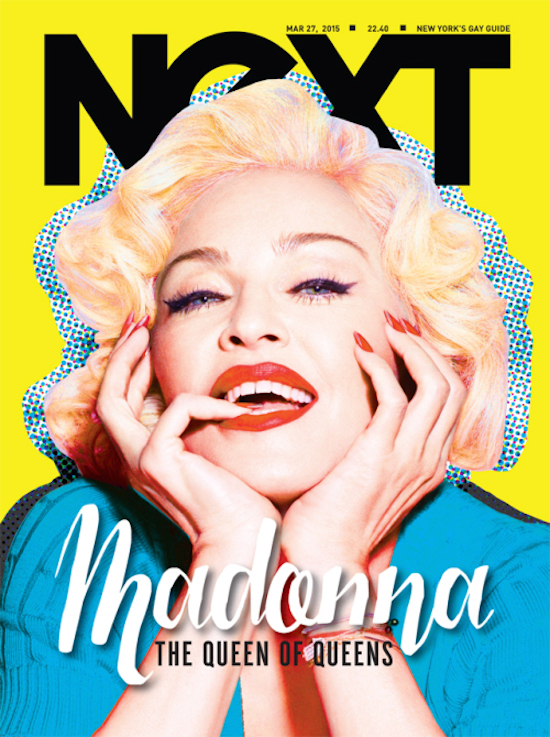
On March 27 2015, Madonna graced the cover of New York gay magazine Next.  The magazine included a four-page spread with an interview to the Queen of Queens by John Russell.

Here’s a snippet of the interview between Russell and Madonna:

I counted at least 13 different producers in the album’s liner notes, but it was never Madonna’s intention to work with so many different people on the album. The same health concerns that forced Avicii to cancel his tour in September also threw a wrench into his work on Rebel Heart. Madonna was forced to find other producers to work with on many of the songs they’d started writing together. Meanwhile, Diplo’s touring schedule and other projects meant that his time was limited as well.

“I ended up working with a lot of DJs—young DJs—and I naively didn’t think it through. Oh, it’s summertime, it’s the festivals, and they’re on tour, and I’ll be lucky if I get them for three days, so a lot of that had to factor in. OK, I can’t wait for three months for this dude to come back. I have to find somebody else.”

Of course, art never gets made in a vacuum, something Madonna knows and accepts. “I had to bend my knees and ride the waves.”

The result is an album that, at first, seems all over the map. But it’s tough to judge an album by an artist like Madonna after just one listen. Even if you’re only familiar with her hits, those past gems loom large in comparison to the new material. You’re listening for her next step and at the same time hoping she’ll retain whatever lighting in a bottle quality her early hits had. On first listen, Rebel Heart has its moments, sure. But it’s not until a week after hearing the full album, when I find myself humming Unapologetic Bitch and Ghosttown on the subway, that it really feels like the album clicks into place. Will anyone but diehard Madonna fans—and that’s not an insignificant demographic within her fanbase—listen to the whole album, start to finish, more than once or twice? Probably not. But I’m not sure that matters. Every pop album has to include some forgettable filler tracks—although with the way we consume music these days a la carte, who knows how much longer that model will last. But even at a whopping 19 tracks—23, plus two Living for Love remixes on the Super Deluxe edition—there’s not much fat to trim on Rebel Heart. As a whole, it’s probably Madonna’s most listenable since Confessions on a Dance Floor.

“I didn’t set out to write certain kinds of songs. I just set out to write good songs,” she says. There are dark turns on the album, also a bit of soul searching. And the ballads are particularly strong. Apparently, Madonna set out to write songs that, stripped of all their production, could also work on an acoustic level.

“When we run out of oil and we don’t have electricity, I can just light a candle and strum my guitar and sing you a song.”
Today in Madonna History: March 26, 1986

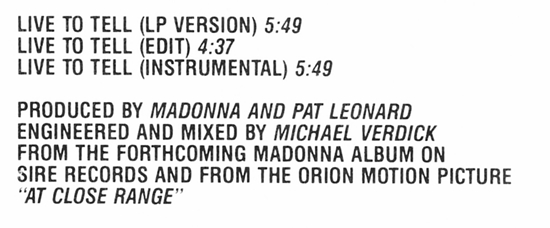
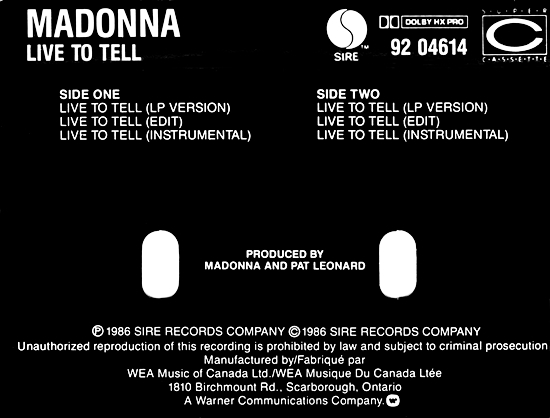
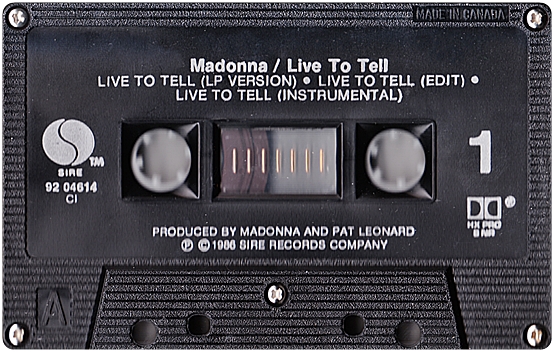
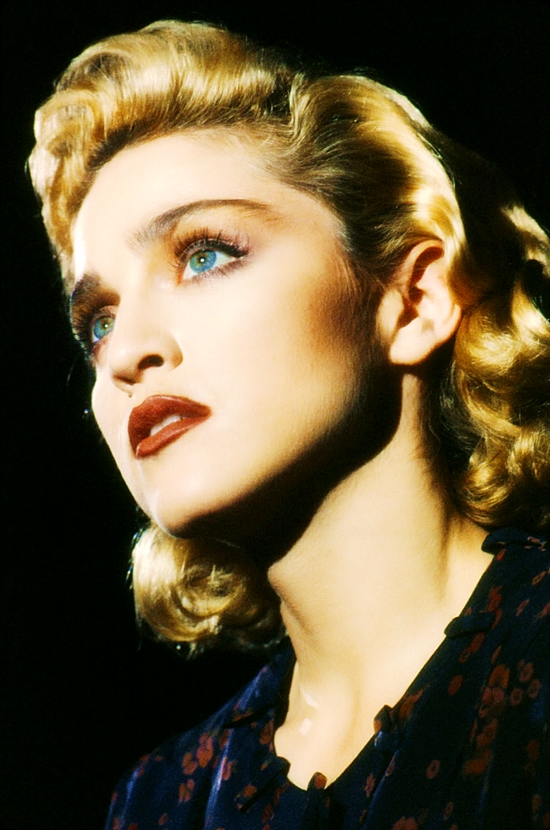
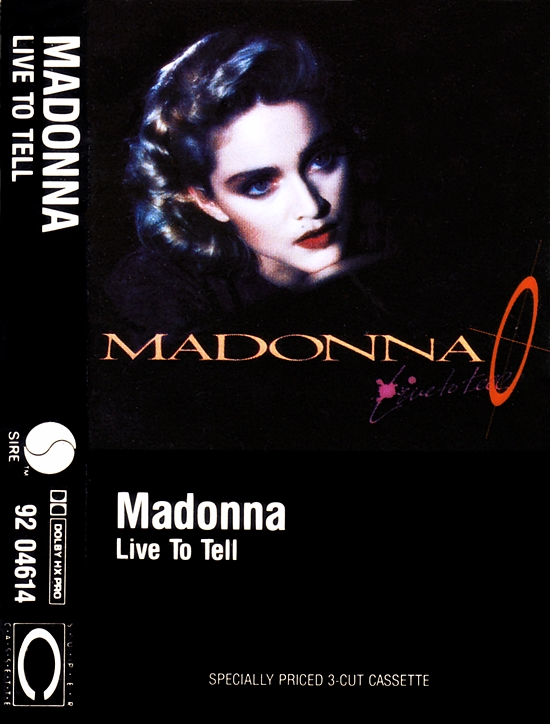
Live To Tell - Video Set - Herb Ritts Live To Tell - Canadian Cassette Maxi-Single Cover Live To Tell - Canadian CMS - Inner Sleeve Live To Tell - Canadian CMS - Back Sleeve Live To Tell - Canadian CMS - Cassette

On March 26 1986, Live To Tell was released as a single in North America by Sire Records. The haunting and dramatic ballad, written and produced by Madonna & Patrick Leonard, was the first commercially released collaboration between the pair – a songwriting partnership that is viewed by many fans as one of her most creatively successful.

Leonard had previously been involved with Madonna’s Virgin Tour as musical director, and when Madonna agreed to participate in Live Aid in the Summer of 1985, she asked him to collaborate on a new song for the performance, which evolved into Love Makes The World Go Round.

Although both songs would find their way on to Madonna’s next studio album, True Blue, at the time of Live To Tell’s release the album’s title had not yet been decided. Instead, the song was used to promote Sean Penn’s film At Close Range, in which it was featured alongside an original score composed by Leonard.

He had initially composed the music that evolved into Live To Tell for another film he had been invited to score for Paramount, titled Fire With Fire. The producers of the film passed on the theme. Leonard recalled the subsequent series of events that led to the song’s completion in The Billboard Book of Number One Hits by Random House:

“Madonna said ‘This song would be great for Sean’s new movie.’ She wrote the lyrics–she just wrote them on the spot, which is what we always do. I don’t think we’ve ever taken more than three hours to complete a song from start to finish. She sang it on the demo only once and left with the cassette. That day I went to work with Michael Jackson on some transcriptions for material he was writing for the Bad album. The phone rang at Michael’s and it was Sean. He said ‘I’m over at the director’s house and Madonna just brought the song over. We love it and we’d like to talk to you about it.’ … We recut the song, but we used the same vocal. She only sang it once for the demo and that was the vocal we used because it was so innocent and so shy. She had a legal pad in her hand and you can hear the paper. It’s as raw as raw can be and that’s part of what gave it all its charm.”

When the demo recording of Live To Tell eventually surfaced, it became evident that Madonna had in fact re-recorded the first verse, but all remaining vocals do indeed appear to have been carried over from the demo to the final mix (along with a generously added dose of reverb to smooth over the rough edges of the demo take).

Given the song’s dark undercurrents and unresolved narrative, it was a bold choice for a single release. It marked a dramatic shift from the yearning love song, Crazy For You – her only other ballad to have been issued as a single at the time. But any radio programmers who were hesitant to consider Madonna as a serious artist simply couldn’t deny the artistry of the song and nor could record buyers, with the combined support sending Live To Tell straight to the top of the pop charts. It was also a significant Adult Contemporary crossover success, becoming her first single to reach number-one on Billboard’s Hot AC chart where it reigned for three weeks.

Today in Madonna History: March 25, 2008

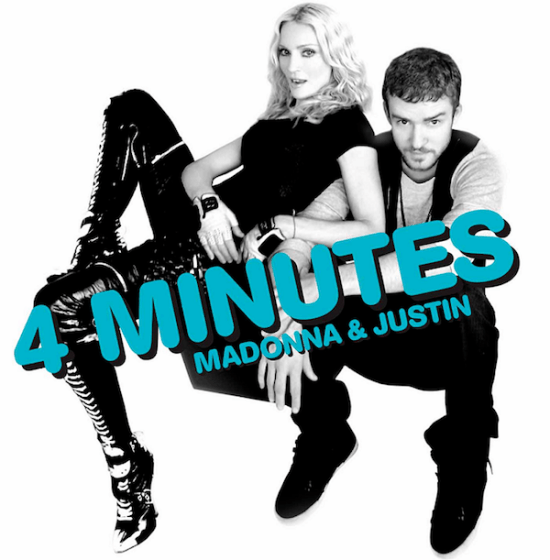
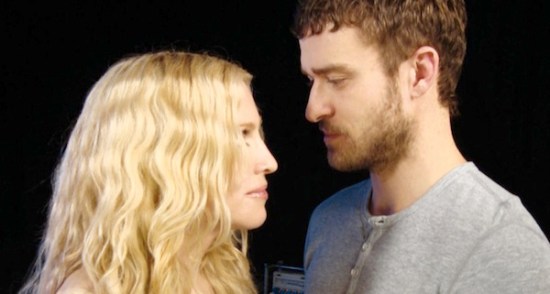
On March 25 2008, Madonna’s 4 Minutes was made available for digital download. The lead single from Hard Candy featured vocals by Justin Timberlake and Timbaland.

According to Madonna, the song is about saving the environment and “having a good time while we are doing it.”

Today in Madonna History: March 24, 1997

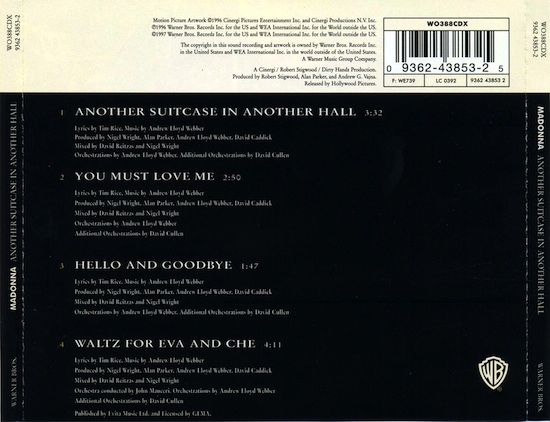
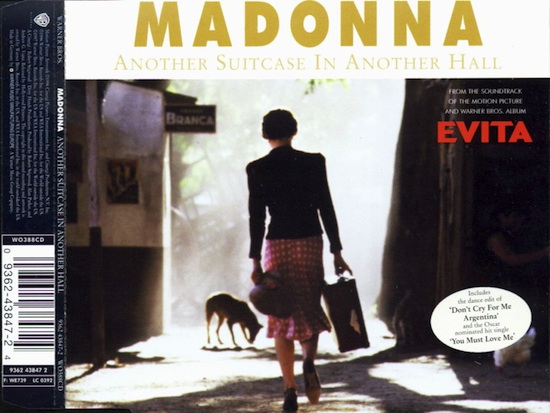
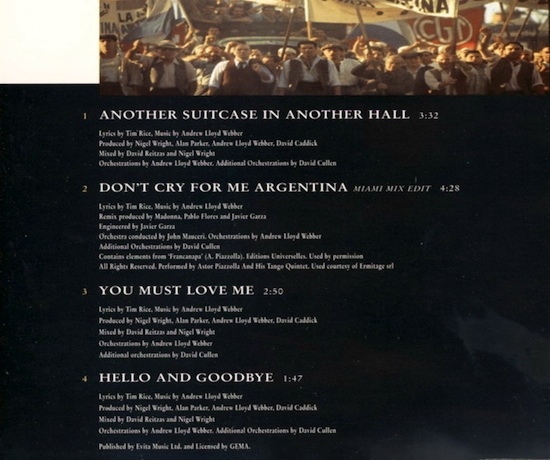
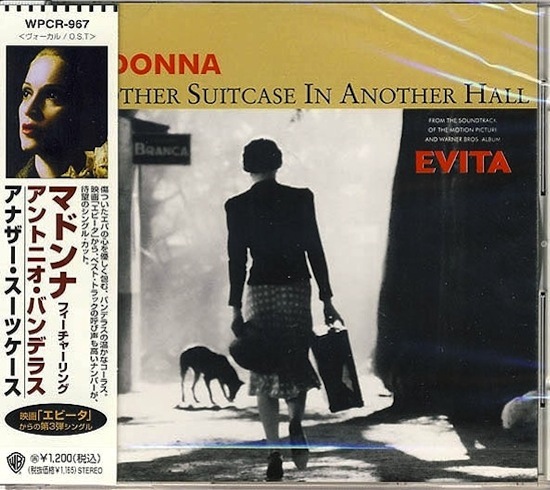
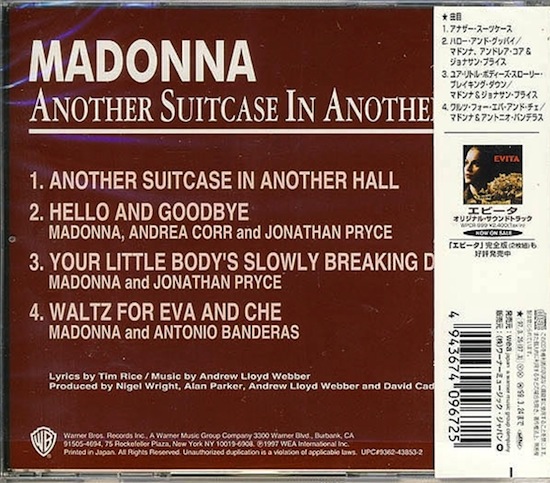
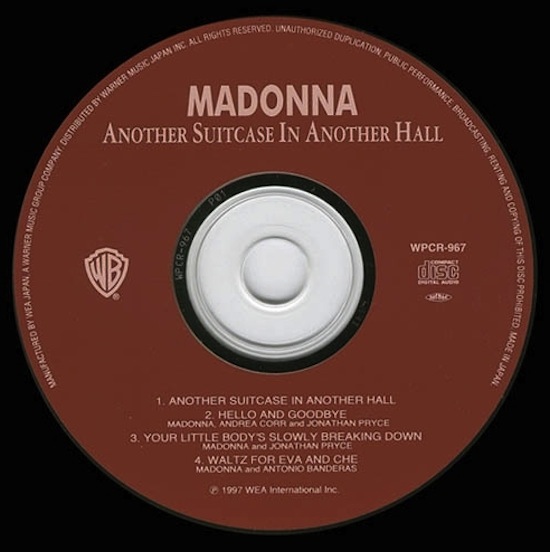
another-suitcase-in-another-hall-single-madonna-1 another-suitcase-in-another-hall-single-madonna-2 another-suitcase-in-another-hall-single-madonna-3 another-suitcase-in-another-hall-single-madonna-4 another-suitcase-in-another-hall-single-madonna-5 another-suitcase-in-another-hall-single-madonna-6 another-suitcase-in-another-hall-single-madonna-7 another-suitcase-in-another-hall-single-madonna-8 another-suitcase-in-another-hall-single-madonna-9 another-suitcase-in-another-hall-single-madonna-10 another-suitcase-in-another-hall-single-madonna-11

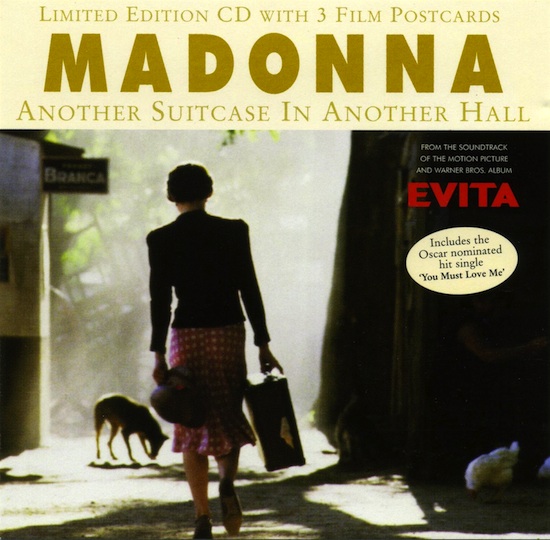
On March 24 1997, Madonna’s version of Another Suitcase In Another Hall  was released as the third and final single from the Evita soundtrack.

The single was only available in the UK, New Zealand, Australia and a small number of European countries.

The lyrics for Another Suitcase In Another Hall were written by Tim Rice, with the music by Andrew Lloyd Webber.

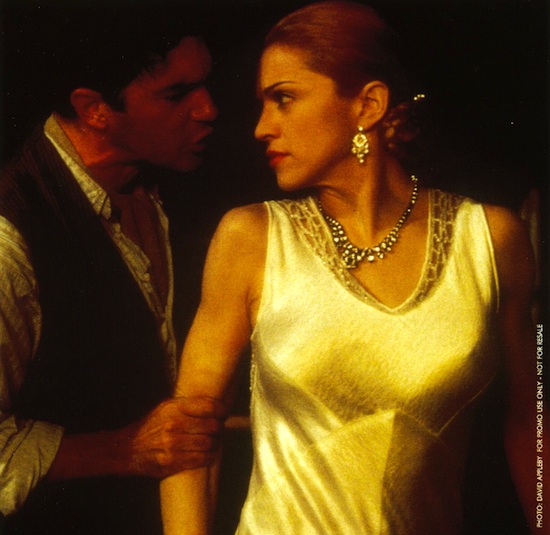
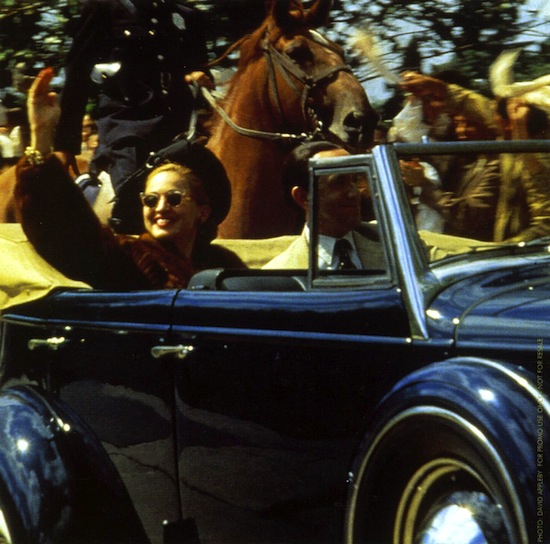
A music video was released to promote the single.  The video was the actual performance sequence from the film Evita, directed by Alan Parker.

Today in Madonna History: March 23, 1998

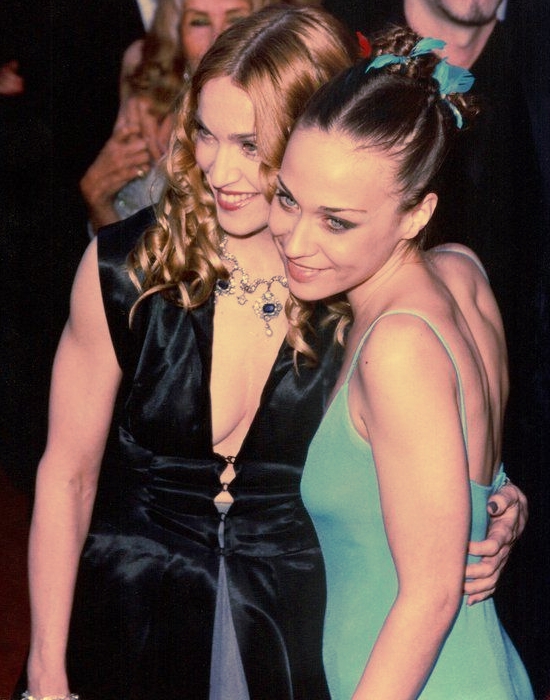
1998 oscars madonna christopher 2 550 oscars 1998 madonna fiona apple 3 550 oscars 1998 madonna fiona apple 550 1998 oscars cher kd m joni 3 550 1998 oscars cher kd m joni 550

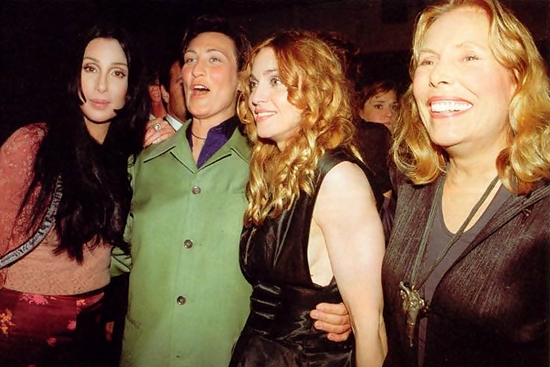
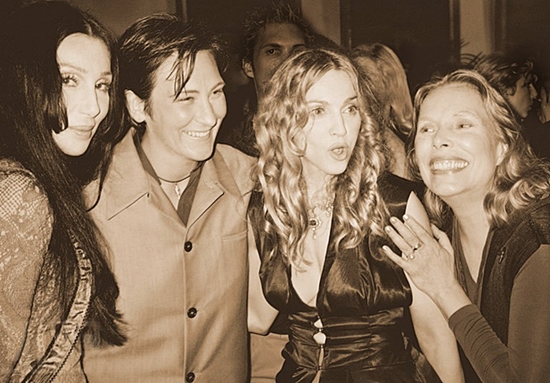
On March 23 1998, Madonna attended 70th Academy Awards ceremony in Los Angeles where she presented the Oscar for Best Original Song.

Buoyed by the success of her new album, Ray Of Light, it was all about the music for Madonna on the red carpet as well, as she chatted and posed for photographs with an impressive assortment of musical divas: Fiona Apple, Cher, k.d. lang & Joni Mitchell.

Prior to her shared Rolling Stone cover with Courtney Love & Tina Turner the previous year, Madonna had – at least publicly – tended to shy away from aligning herself too closely with other musicians – particularly other women in the industry. Be it a result of a renewed sense of spirituality, motherhood, maturity, or simply shrewd self-marketing (perhaps all the above?), one thing is clear: Madonna’s newfound camaraderie and supportive attitude towards her peers felt refreshing and inspiring!

Today In Madonna History: March 22, 1993

madonna_fever_single-1 madonna_fever_single-1b madonna_fever_single-1c

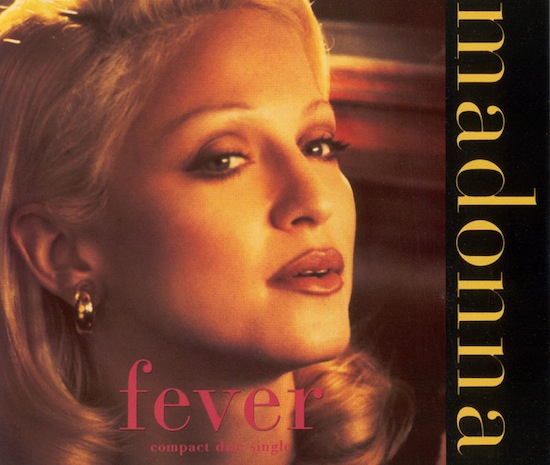
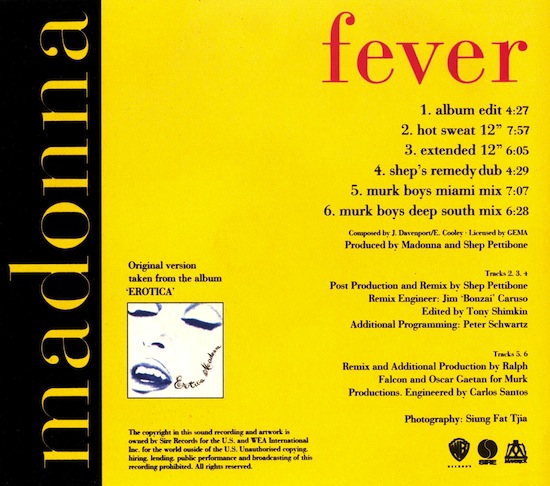
On March 22 1993, Madonna’s cover of Fever (a remake of the classic 1958 Peggy Lee song) was released as a UK single.

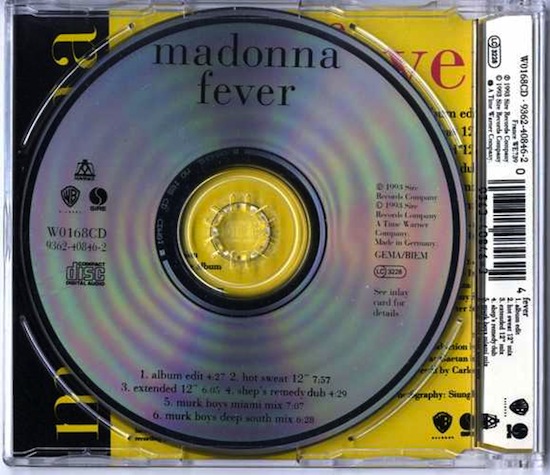
The UK single included the following remixes:

  1. Album Edit (4.27)
  2. Hot Sweat 12″ (7.57)
  3. Extended 12″ (6.05)
  4. Shep’s Remedy Dub (4.29)
  5. Murk Boys Miami Mix (7.07)
  6. Murk Boys Deep South Mix (6.28)
Sun lights up the daytime
Moon lights up the night
My eyes light up when you call my name
'Cause I know you're gonna treat me right
Bless my soul I love you, take this heart away
Take these arms I'll never use
And just believe in what my lips have to say
You give me...

Today in Madonna History: March 21, 1989

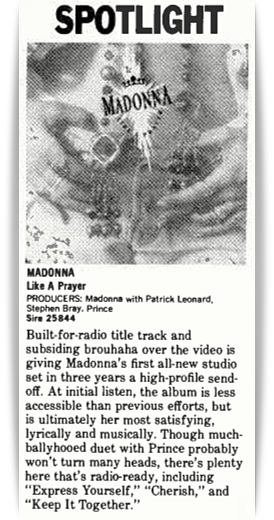
On March 21 1989, Madonna’s Like A Prayer album was released.

Written and produced by Madonna with Patrick Leonard, Stephen Bray and Prince, the Like A Prayer album was considered to be a major artistic leap forward for Madonna, and was certainly her most personal offering to date at the time of its release.

Allmusic’s Stephen Thomas Erlewine offered this 5-star (out of 5) review of the album:

Out of all of Madonna’s albums, Like a Prayer is her most explicit attempt at a major artistic statement. Even though it is apparent that she is trying to make a “serious” album, the kaleidoscopic variety of pop styles on Like a Prayer is quite dazzling. Ranging from the deep funk of Express Yourself and Keep It Together to the haunting Oh Father and Like a Prayer, Madonna displays a commanding sense of songcraft, making this her best and most consistent album.

Happy 33rd anniversary to one of our favorites – the phenomenal Like A Prayer!