Today in Madonna History: March 7, 1996

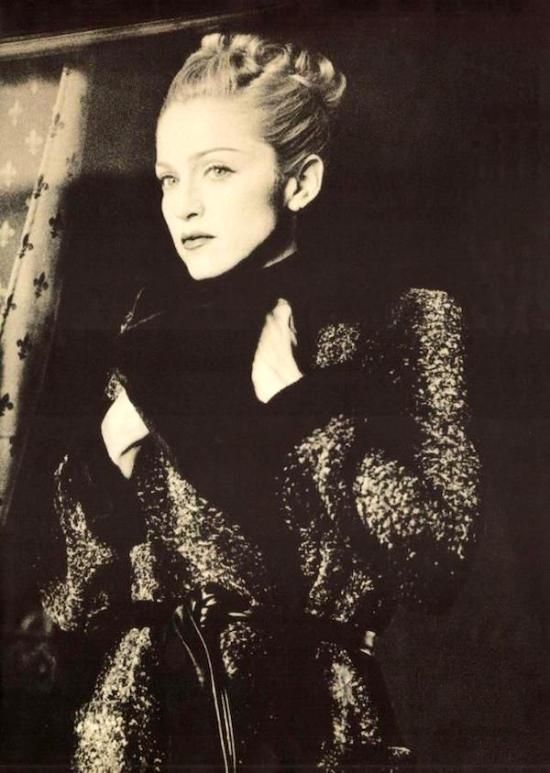
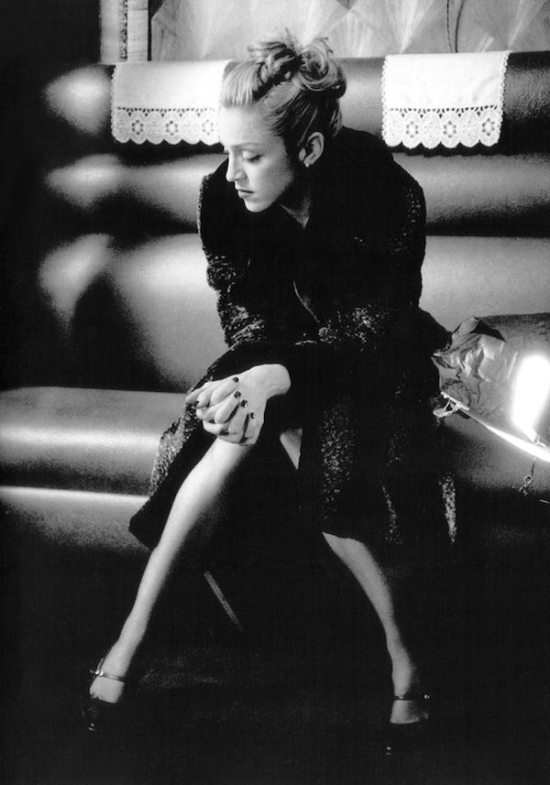
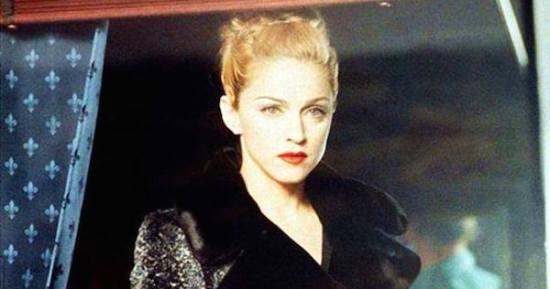
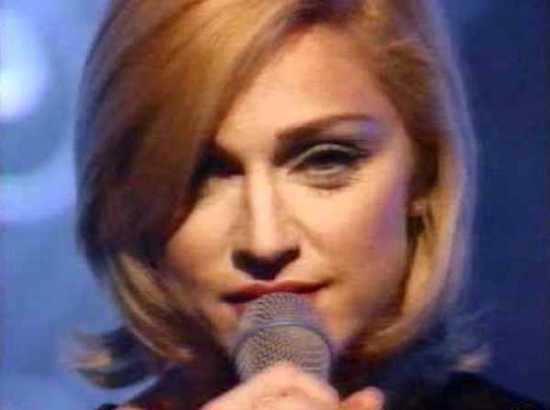
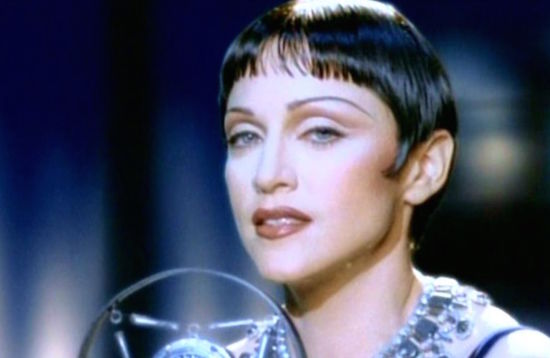
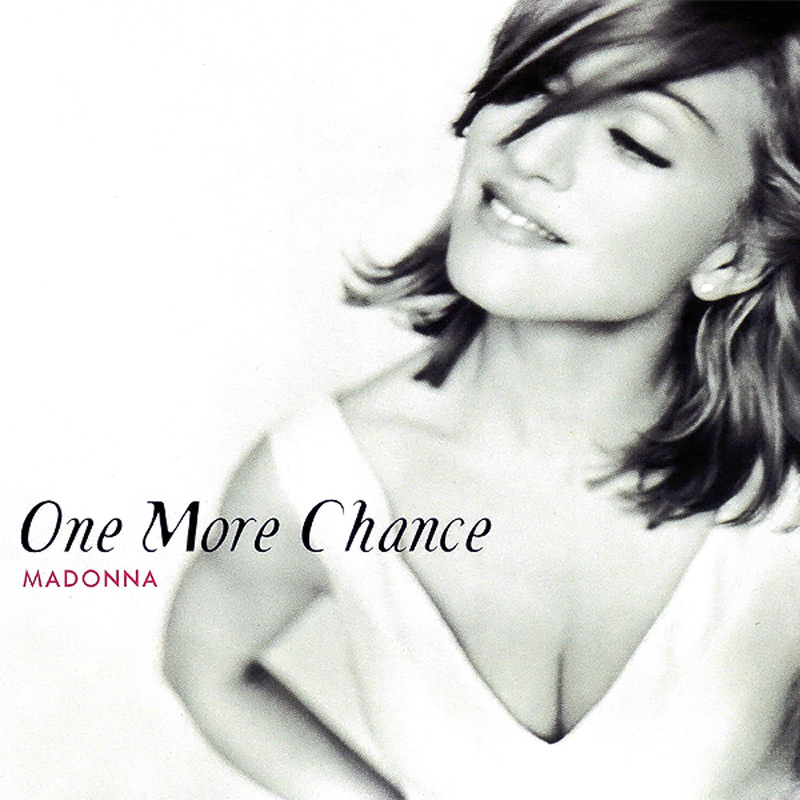
On March 7 1996, Madonna’s One More Chance was released as the third single in the UK and several other European countries, and the second single in Australia and Japan, from her ballads collection, Something to Remember.

The song received positive response from music critics overall, who praised its musical simplicity and Madonna’s nuanced and emotive vocal delivery.  Since Madonna was busy filming the Evita, the song received little promotion and no original music video was produced to accompany the release.

The Spanish version of You’ll See, titled Verás, appeared as the B-side of the single release.

In a January 1996 interview with Spin magazine, Madonna said of the song: “Often in my songwriting, I take things people say to me and turn them around, and put it in the first person. So it’s actually something that was said to me.”

One More Chance was written and produced by Madonna and David Foster. Foster initially did not expect Madonna would collaborate with him, as he believed that his music was not “really hip enough for her.” Madonna and Foster worked on the song during the writing and recording session for Something to Remember, in the third weekend of September 1995. They wrote and recorded three songs for the project, but only You’ll See and One More Chance made the final cut.

Their third track from the sessions, titled I Can’t Forget, was later offered by Madonna’s songwriting publisher to the to the UK electronic/dance group, Tilt, to record. Their version, retitled Come Closer, was released on their 2006 rarities collection, Vaults. Several years after Tilt’s version was issued, Madonna and Foster’s original demo recording of I Can’t Forget surfaced on the internet.


Today in Madonna History: January 20, 1996

youllsee-jan20-1 youllsee-jan20-2 youllsee-jan20-3

On January 20 1996, Madonna’s You’ll See re-entered the Billboard Hot 100 Top 10 at #10.

The lead single from Madonna’s Something To Remember ballads collection debuted at #8 on December 8, peaked at #6 on December 16, and in the following weeks fell to #9, #11, #12, #11 and then climbed back to #10.

Larry Flick had this to say about You’ll See:

Foster’s flair for musical melodrama inspires Madonna to turn in what is easily her most assured and full-bodied vocal performance to date. Amid a swirl of strings and Spanish guitars, she spews the song’s declaration of romantic independence with a theatrical verve that perfectly matches the stagey, potentially overpowering tone of Foster’s arrangement without flying over the heads of her youthful top 40 following. A stunning effort that could easily become the ‘I Will Survive’ of this generation.

youllsee-jan20-end

Today in Madonna History: November 7, 1995

somethingtoremember-a somethingtoremember-b somethingtoremember-c somethingtoremember-c1 somethingtoremember-d somethingtoremember-e

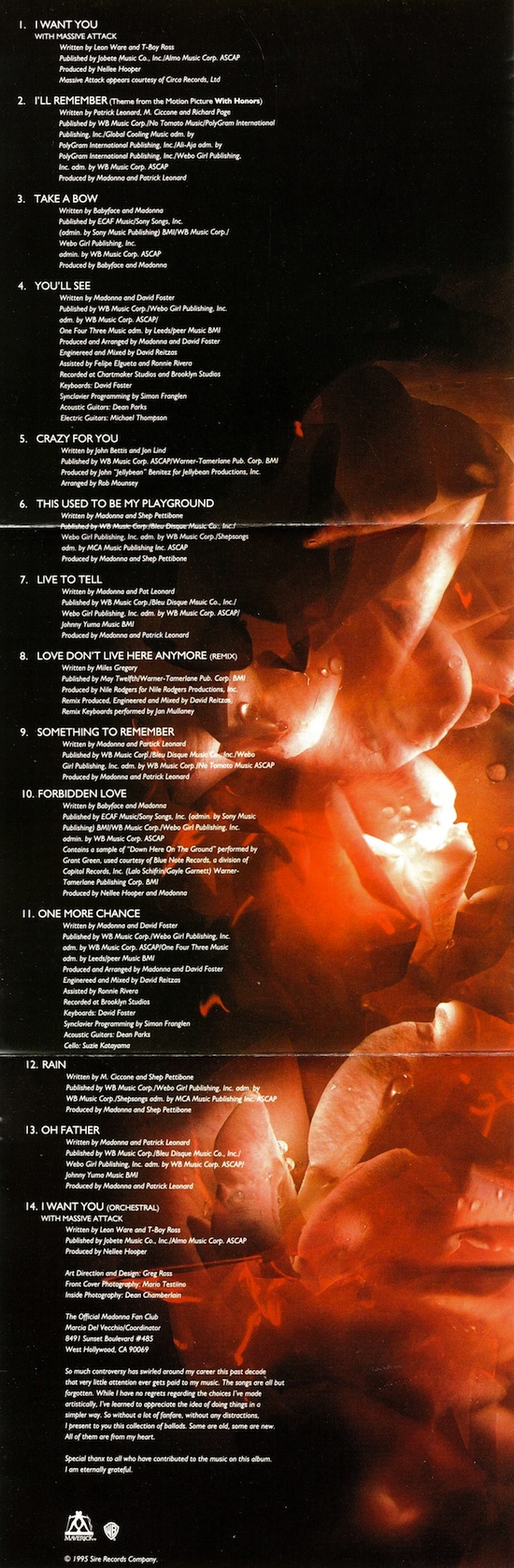
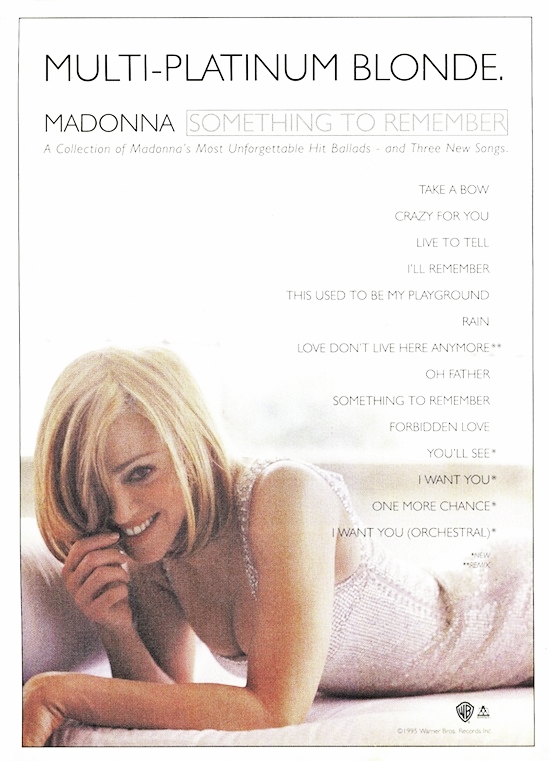
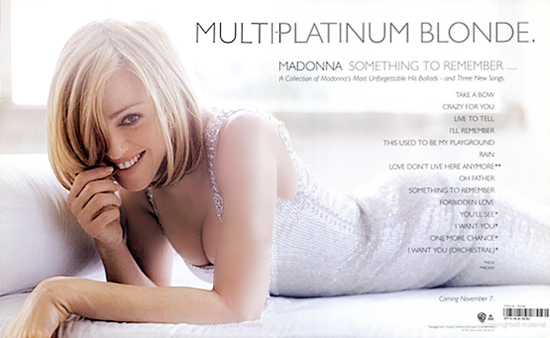
On November 7 1995, Madonna’s Something To Remember greatest ballad hits collection was released.  The collection was released on different dates in different markets.

Described as a “love letter from Madonna to her fans and music lovers alike” in the album’s liner note, Madonna further explained:

So much controversy has swirled around my career this past decade that very little attention ever gets paid to my music. The songs are all but forgotten. While I have no regrets regarding the choices I’ve made artistically, I’ve learned to appreciate the idea of doing things in a simpler way. So without a lot of fanfare, without any distractions, I present to you this collection of ballads. Some are old, some are new. All of them are from my heart.

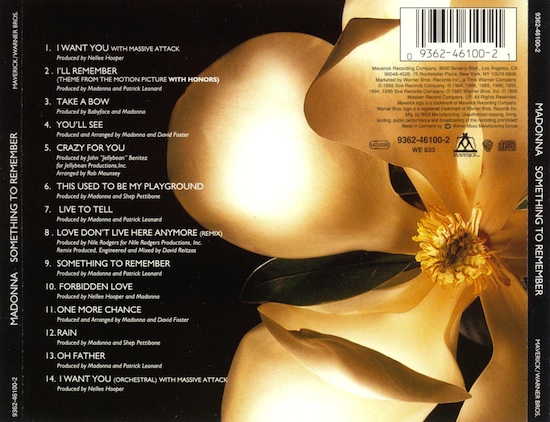
Something To Remember included the following songs:

I Want You
I’ll Remember
Take A Bow
You’ll See
Crazy for You
This Used to Be My Playground
Live to Tell
Love Don’t Live Here Anymore (Remix)
Something to Remember
Forbidden Love
One More Chance
Rain
Oh Father
I Want You (Orchestral)

The Japanese release included La Isla Bonita.

The Latin release included Verás the Spanish version of You’ll See.  

Today in Madonna History: November 2, 1995

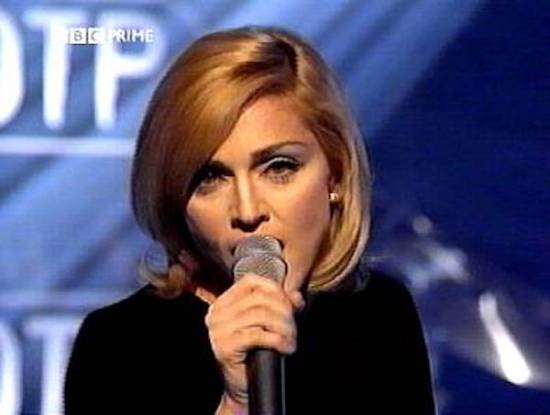
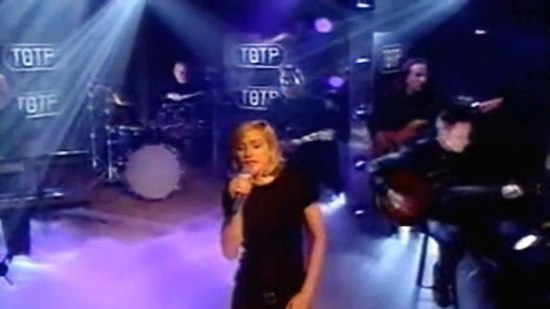
On November 2 1995, Madonna performed You’ll See (from her greatest ballads collection, Something To Remember) at the Top Of The Pops show on the BBC.

Today in Madonna History: September 30, 1995

On September 30 1995, Billboard magazine featured an exclusive interview with Madonna in a piece by Timothy White to promote her upcoming ballads collection, Something To Remember.  Focusing primarily on the connection between Madonna’s introspective ballads and the loss of her mother, the article (which appears in an abridged version below) was titled “‘Something’ In the Way She Grieves.”

“Listening to this record took me on my own journey,” says Madonna with a sad smile, shifting on the couch in her apartment overlooking Central Park. “Each song is like a map of my life. I don’t really listen to my records once I’ve done them, I’m onto the next thing. And I think most of the time when my records come out, people are so distracted by so much fanfare and controversy that nobody pays attention to the music. But this is, for the most part, a retrospective, and I just wanted to put it out in a very simple way. The songs, they choke me up, and I wrote them. Isn’t that weird? I can’t tell you how painful the idea of singing Like A Virgin or Material Girl is to me now. I didn’t write either of those songs and wasn’t digging deep then. I also feel more connected emotionally to the music I’m writing now, so it’s more of a pleasure to do it.”

Madonna has included three new songs on Something To Remember: a moody cover of Marvin Gaye’s 1976 hit I Want You, which was suggested and subsequently produced by Nellee Hooper and features Massive Attack, and two bittersweet serenades (You’ll See and One More Chance), co-created with David Foster during the third weekend of September in a whirlwind writing/recording session. Shortly after this talk, she was to leave for London to start recording the music for the film version of Evita, the musical that was the toast of Broadway in 1979–the year Madonna wrote her first song in the basement of a dormant Queens, NY synagogue.

“I remember calling up my father back in Detroit and making him hear it on the tape recorder over the phone,” she confides, blushing. “He said, ‘Oh, that’s very nice.’ I felt proud. The song was called Tell The Truth.”
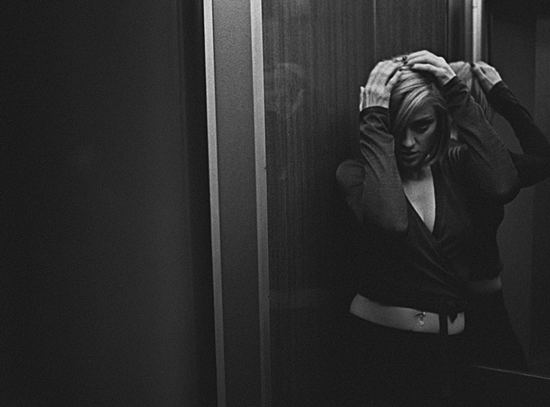
A self-assessed “roller-coaster Catholic,” Madonna grew up sharing the middle bunk in a three-tier bed with two of her sisters. “I didn’t have any free time as a child,” she says. “My mother died of breast cancer when I was 7, and then my father remarried when I was 10. I had a lot of responsibility, taking care of my younger brothers and sisters.”

Like her siblings, Madonna was obliged to study music, specifically piano. “But I couldn’t sit still, and I begged my father to let me take dance lessons,” which served as a means of escape. Madonna was in the church choir and acted in school musicals, while sharing her mother’s mantra-like habit of idly intoning her favorite tunes. “As a teenager, I loved Aretha Franklin’s A Natural Woman, and in high school I worshiped Joni Mitchell and sang everything from Court And Spark, my coming-of-age record.”

But her pivotal developmental trial was the death of her mother, and as Madonna passes this fall afternoon discussing the themes behind her often acutely wistful ballads, she ultimately says, “My mother is part of a lot of my music.”

Although love songs, such as Live To Tell, One More Chance and I’ll Remember, also invoke the early fever of a failed marriage to Sean Penn, tensions with a stepmother who could not replace her lost parent, or later relationships that fell short, a larger phantom overshadows each mourning of life’s missed linkages.

“I think about my mother and a certain emptiness–a longing–in my songs. There are tragic, traumatic moments where I think ‘I wish that I could call my mother.’ It’s this primal thing that has been a springboard for the work I do.”

How did she learn her mother was gone?

“I was at my grandmother’s house. The phone rang, and it was my father, and he told my grandmother that my mother had died. I’d just seen her in the hospital. The rest of the day I blocked out–I probably went outside and played. I was majorly into denial and didn’t really understand. And it unfortunately wasn’t something that my father ever really prepared us for or discussed afterward. I suddenly developed a strange throwing-up disease, where every time I would leave the house, I would throw up. If I was away from my father, I threw up. It was a nervous condition.”
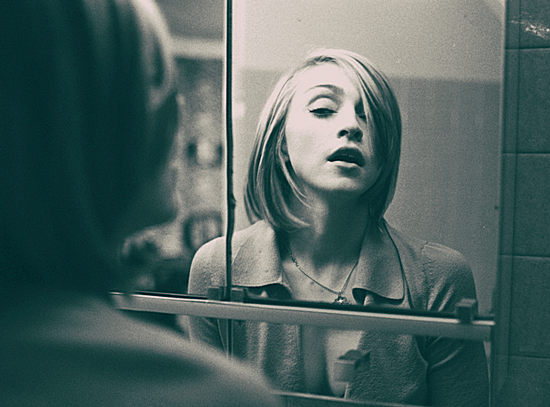
In recent years, when Madonna was under attack for her frank Erotica album and Sex book, the artist says she drew strength from her late parent’s nonjudgmental “fervor” for fulfilling one’s personal vision: “She had an unbelievable level of tolerance and forgiveness. She was tremendously religious in a really passionate–almost sexual–way, like she was in love with God. If you read the letters she wrote, even when she was sick and dying, she was completely happy about everything. It was frightening, there was just that faith of hers. My mother loved to take care of people. My older brothers and I were sometimes brutal to her, and she never complained.”

It sounds like the materfamilias had an essential serenity. “Exactly,” says her daughter. “And I could probably use more of it in my life.”

A brisk September breeze catches the leafy scent rising from the freshly mowed lawns of Central Park, the tangy end-of-season smell betokening the coming solstice. Madonna shivers slightly as she sips the last of her tea.

“I think my mother made people angry, because they couldn’t shake her beliefs,” she concludes in a near whisper. “And she was just 32 when she died–just a baby, Madonna Louise. So basically, I’m here to take her place.”

Today in Madonna History: June 30, 1997

On June 30 1997, Madonna began recording sessions for what would become her Ray Of Light album at Larrabee North Recording Studios, Universal City, Los Angeles.

Madonna had already spent several months writing songs and producing demos with Patrick Leonard, Rick Nowels and Babyface (although none of the Babyface material would make the final cut) by the time she entered the studio with co-producers William Orbit and Marius De Vries. Leonard would return to the project to assist with arrangements, earning him a co-producer’s credit on four of the album’s tracks. Madonna would add lyrics and melody to at least a half-dozen previously composed Orbit demos during these sessions as well, with six of their songs making the final cut.

One song that came very close to being included on the album, Has To Be, was dropped due to Madonna’s desire to limit the number of songs on the album to lucky number thirteen. In a final toss-up between Has To Be and To Have And Not To Hold, the former was nixed in favor of the latter. Has To Be would fortunately make it to the ears of fans, however, due to its inclusion as a bonus track on the Japanese edition of the Ray Of Light album, and as the international b-side to the Ray Of Light single.

Has To Be was born as a collaboration between Madonna and Patrick Leonard. Recently surfaced demos from their writing session include two early versions of the song – the first is a piano-based arrangement in a similar style to the previous Madonna/Leonard collaboration, Something To Remember, while the second demo is an experimental synth-based reworking.

After entering the studio with William Orbit, Madonna adapted Has To Be to one of Orbit’s previously composed electronic soundscapes. Although the original Orbit instrumental piece with celestial voices has never been commercially released, it had previously aired on Orbit’s weekly radio series, Stereo Odyssey, on California’s KCRW prior to his involvement with Madonna. A sound file of the original instrumental that has circulated among fans is a recording from one of these broadcasts.

Although the released version of Has To Be is substantially different from the early Leonard demos, enough elements from its original melody lines (which were based on Leonard’s piano phrases) were carried over to warrant a three-way publishing split between Madonna/Orbit/Leonard for its official release.

Despite its relative obscurity, in fan circles Has To Be often ranks among her most beloved ballads.

Today in Madonna History: May 28, 1994

ill-remember-video-may

On May 28 1994, Madonna’s I’ll Remember (Theme From With Honors) hit #2 on the Billboard Hot 100 in the USA.

Matthew Rettenmund ranks the Guerrilla Beach Mix of I’ll Remember (by William Orbit) as the #9 of 25 Best Madonna Mixes. Here’s what Matthew says about the remix:

Madonna’s easy-listening staple I’ll Remember from the hard-to-watch With Honors got a deep remix by Orbit, which could be heard as spacey or as originating at the precipice of a vast ocean. (I’m thinking of Sinead O’Connor’s “Jackie” here.) I’m embarrassed I forgot this remix when I first created this list, but I’m not embarrassed to say I think it’s markedly superior to the lovely but unassuming original.

We love this remix and we love Matthew’s blog (Boy Culture)!

How does this remix rank among your top Madonna favourites?