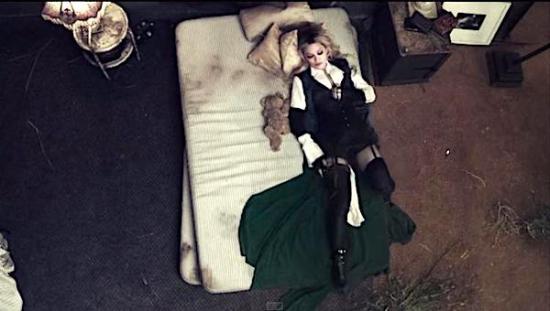
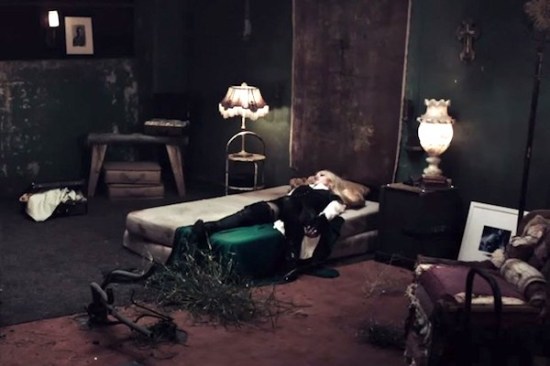

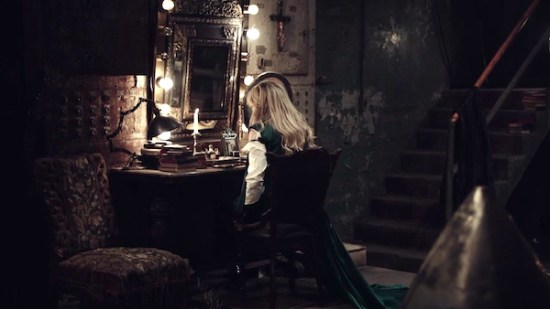
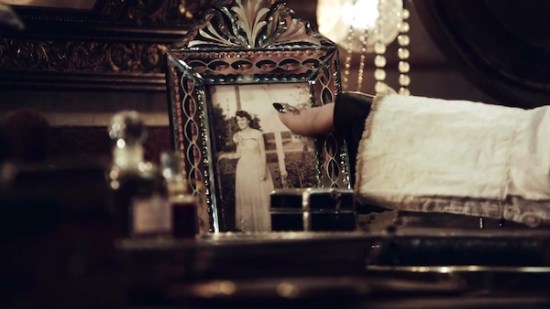
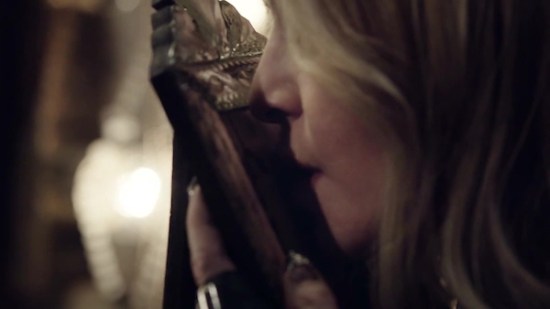

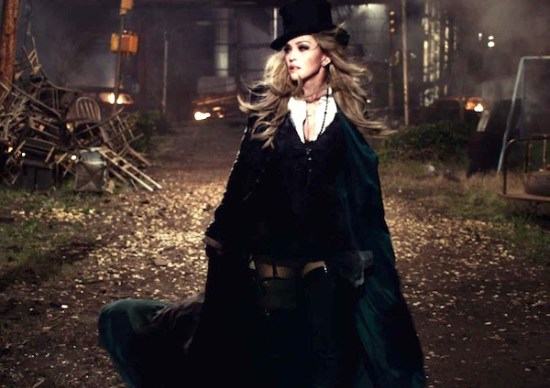


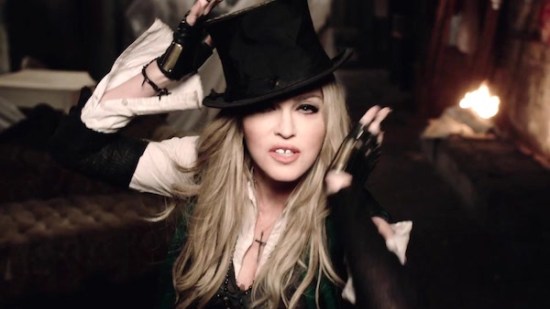
On April 8 2015, Madonna’s Ghosttown music video premiered on VEVO. The music video was filmed in Los Angeles, directed by Jonas Åkerlund and co-starred Terrence Howard.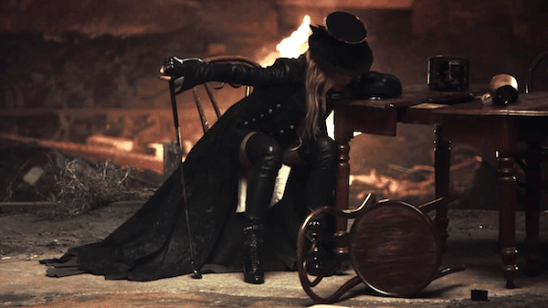

On April 8 2015, Madonna’s Ghosttown music video premiered on VEVO. The music video was filmed in Los Angeles, directed by Jonas Åkerlund and co-starred Terrence Howard.
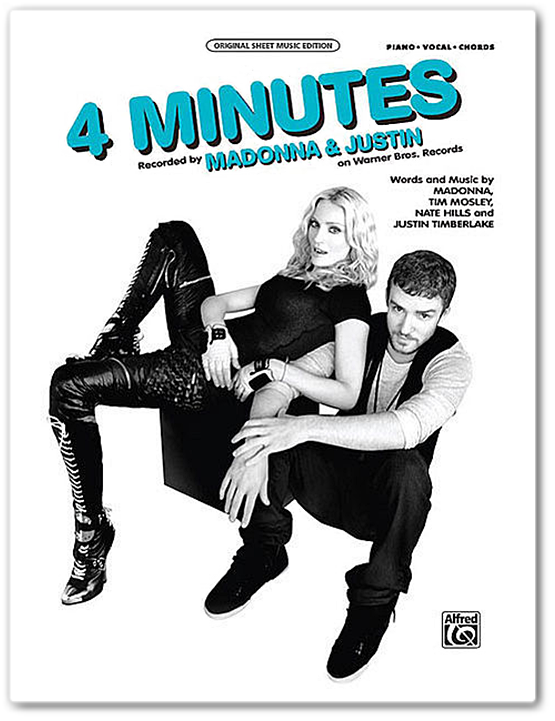
On April 3 2008, the music video for 4 Minutes – the debut single from Madonna’s 11th studio album for Warner Bros. Records, Hard Candy – made its world premiere as a video single available to purchase through iTunes. The digital retailer held exclusive rights to the video for a period of 48 hours, after which it was made available for streaming and broadcast through digital and traditional channels.
The video was filmed in London in February, 2008 and was directed by French duo, Jonas & François. At the time of the video’s launch, the audio download of 4 Minutes was already holding the #1 position on iTunes. When asked about the “4 Minute Fever Phenomenon,” Madonna commented, “Goody goody gum drops.”
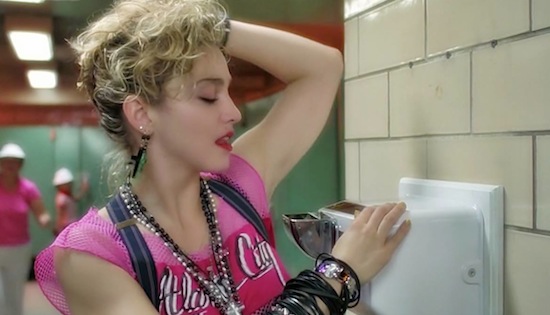
On March 29 1985, Madonna’s Into The Groove video (from Desperately Seeking Susan) premiered on MTV.
Lyrics:
And you can dance
For inspiration
Come on
I’m waitingChorus:
Get into the groove
Boy you’ve got to prove
Your love to me, yeah
Get up on your feet, yeah
Step to the beat
Boy what will it beMusic can be such a revelation
Dancing around you feel the sweet sensation
We might be lovers if the rhythm’s right
I hope this feeling never ends tonightBridge:
Only when I’m dancing can I feel this free
At night I lock the doors, where no one else can see
I’m tired of dancing here all by myself
Tonight I wanna dance with someone else(chorus)
Gonna get to know you in a special way
This doesn’t happen to me every day
Don’t try to hide it love wears no disguise
I see the fire burning in your eyes(bridge)
(chorus)Intermediate:
Live out your fantasy here with me
Just let the music set you free
Touch my body, and move in time
Now I now you’re mineYou’ve got to
(chorus lyrics)
(bridge)
(intermediate)Now I know you’re mine, now I know you’re mine
Now I know you’re mine, now I know you’re mine
You’ve got to(chorus)
(chorus lyrics)
(repeat and fade)
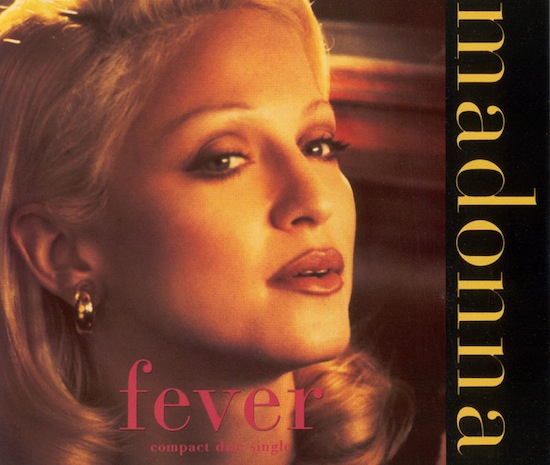
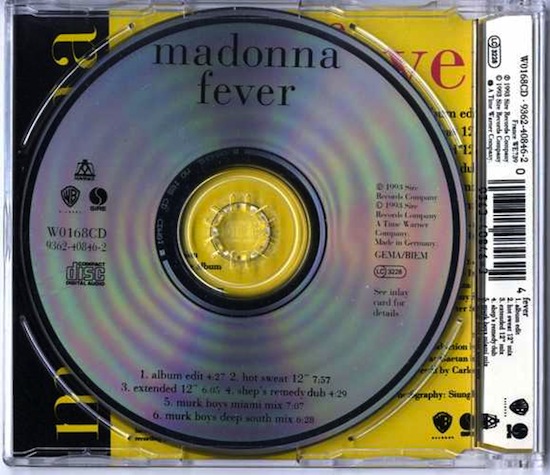
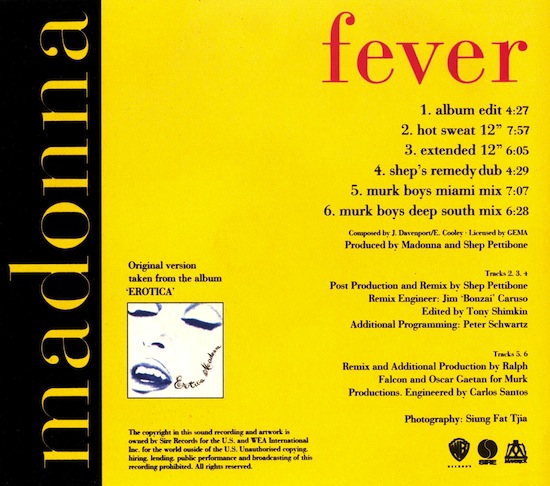
On March 22 1993, Madonna’s cover of Fever (a remake of the classic 1958 Peggy Lee song) was released as a UK single.
The UK single included the following remixes:
Sun lights up the daytime
Moon lights up the night
My eyes light up when you call my name
'Cause I know you're gonna treat me right
Bless my soul I love you, take this heart away
Take these arms I'll never use
And just believe in what my lips have to say
You give me...

On March 16 2001, MTV and VH1 networks announced that Madonna’s new video for What It Feels Like For A Girl would be broadcast only once on March 20 at 11:30 pm because of the controversy over its violent content.

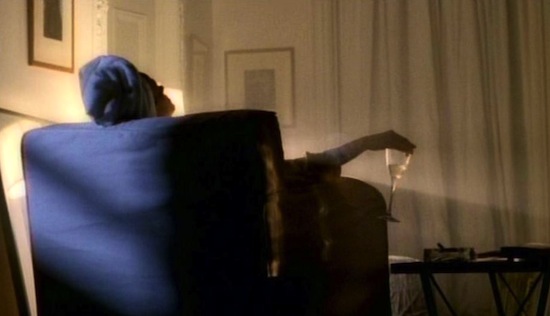
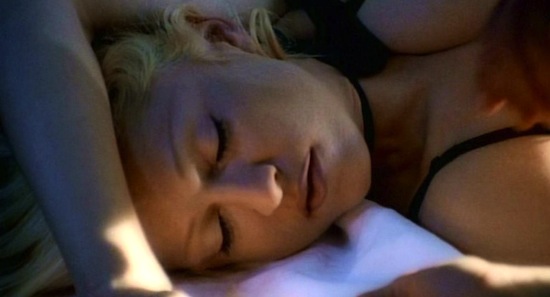
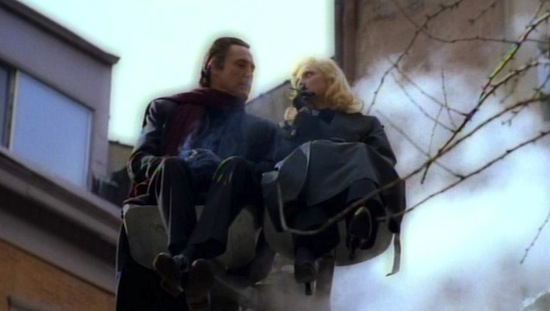
On February 11 1993, Madonna’s Bad Girl video premiered on MTV. The video was directed by David Fincher.
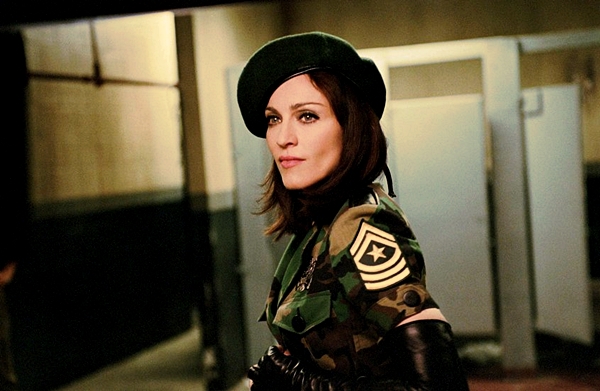

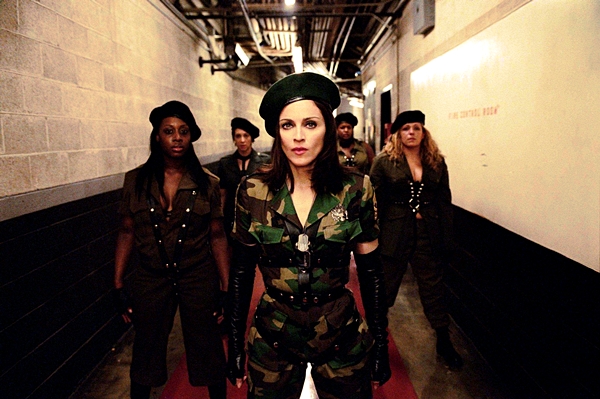

On February 4 2003, filming for Madonna’s music video for American Life took place in Los Angeles with director by Jonas Åkerlund.
The casting call issued for the video sought the following:
Eastern European Man (30 – 60 yrs. old, Real people, THIN, interesting looking, great face, worn out looking, craggy). 4 Beautiful Models (drop dead gorgeous w. amazing legs and bodies). 10 soldiers (must have long hair and be willing to shave it for the video… good-looking, really good body). Hair stylist (male or female, any ethnicity, must be real hair stylists, think editorial type. Stylist (male or female, any ethnicity, 20’s, cool and interesting looking, think N.Y. 2 Babes (very voluptuous and buxom, bimbo types, b pin-up girls). Makeup artists (m or f, any ethnicity, a REAL makeup artist). 2 IRAQI kids (boys and girls, 4 – 7 yrs. old). African-American Male (35 – 50, THIN).
Åkerlund commented on the upcoming video to Swedish tabloid Aftonbladet:
“It’s great that Madonna gives me the trust to do this video. The song is super cool and aimed for the dance floors. I especially love that she gives me the trust to do the first single from the new album. There is a special feeling and ambition around the first single and a hell of lot of secrets. I had to sign a paper even before I got to listen to the song! The shooting will take 3 days.”

