Today in Madonna History: November 26, 1992

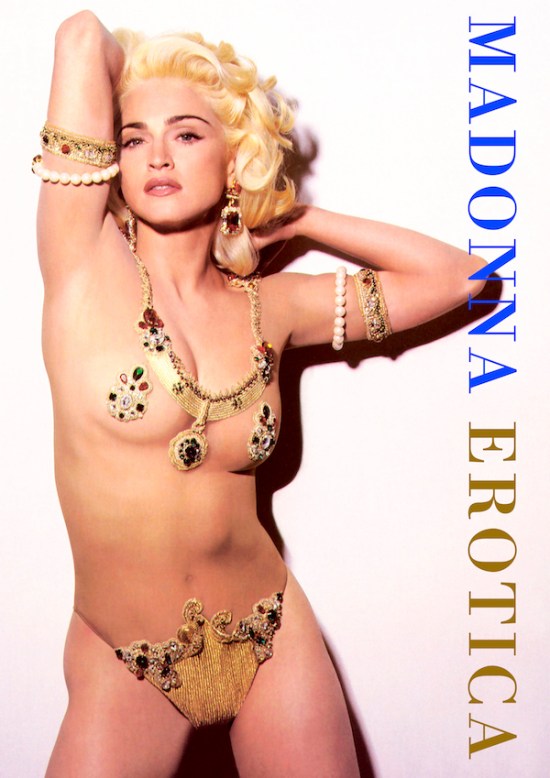
On November 26 1992, Rolling Stone magazine published their review of Madonna’s Erotica album, written by Arion Berger:

It took Madonna ten years, but she finally made the record everyone has accused her of making all along. Chilly, deliberate, relentlessly posturing. Erotica is a post-AIDS album about romance — it doesn’t so much evoke sex as provide a fetishistic abstraction of it. She may have intended to rattle America with hot talk about oral gratification and role switching, but sensuality is the last thing on the album’s mind. Moving claustrophobically within the schematic confines of dominance and submission, Erotica plays out its fantasies with astringent aloofness, unhumid and uninviting. The production choices suggest not a celebration of the physical but a critique of commercial representations of sex — whether Paul Verhoeven’s, Bruce Weber’s or Madonna’s — that by definition should not be mistaken for the real thing. It succeeds in a way the innocent post-punk diva of Madonna and the thoughtful songwriter of Like a Prayer could not have imagined. Its cold, remote sound systematically undoes every one of the singer’s intimate promises.

Clinical enough on its own terms when compared with the lushness and romanticism of Madonna’s past grooves, Erotica is stunningly reined in; even when it achieves disco greatness, it’s never heady. Madonna, along with co-producers Andre Betts and Shep Pettibone, tamps down every opportunity to let loose — moments ripe for a crescendo, a soaring instrumental break, a chance for the listener to dance along, are over the instant they are heard. Erotica is Madonna’s show (the music leaves no room for audience participation), and her production teases and then denies with the grim control of a dominatrix.

Against maraca beats and a shimmying horn riff, Erotica introduces Madonna as “Mistress Dita,” whose husky invocations of “do as I say” promise a smorgasbord of sexual experimentation, like the one portrayed in the video for Justify My Love. But the sensibility of Erotica is miles removed from the warm come-ons of Justify My Love, which got its heat from privacy and romance — the singer’s exhortations to “tell me your dreams.” The Madonna of Erotica is in no way interested in your dreams; she’s after compliance, and not merely physical compliance either. The song demands the passivity of a listener, not a sexual partner. It’s insistently self-absorbed — Vogue with a dirty mouth, where all the real action’s on the dance floor.
Look (or listen) but don’t touch sexuality isn’t the only peep-show aspect of this album; Erotica strives for anonymity the way True Blue strove for intimacy. With the exception of the riveting Bad Girl, in which the singer teases out shades of ambiguity in the mind of a girl who’d rather mess herself up than end a relationship she’s too neurotic to handle, the characters remain faceless. It’s as if Madonna recognizes the discomfort we feel when sensing the human character of a woman whose function is purely sexual. A sex symbol herself, she coolly removes the threat of her own personality.

Pure disco moments like the whirligig Deeper and Deeper don’t need emotional resonance to make them race. But the record sustains its icy tone throughout the yearning ballads (Rain, Waiting) and confessional moods (Secret Garden). Relieved of Madonna’s celebrity baggage, they’re abstract nearly to the point of nonexistence — ideas of love songs posing as the real thing. Even when Madonna draws from her own life, she’s all reaction, no feeling: The snippy Thief of Hearts takes swipes at a man stealer but not out of love or loyalty toward the purloined boyfriend, who isn’t even mentioned.

By depersonalizing herself to a mocking extreme, the Madonna of Erotica is sexy in only the most objectified terms, just as the album is only in the most literal sense what it claims to be. Like erotica, Erotica is a tool rather than an experience. Its stridency at once refutes and justifies what her detractors have always said: Every persona is a fake, the self-actualized amazon of Express Yourself no less than the breathless baby doll of Material Girl. Erotica continually subverts this posing to expose its function as pop playacting. The narrator of Bye Bye Baby ostensibly dumps the creep who’s been mistreating her, but Madonna’s infantile vocal and flat delivery are anything but assertive — she could be a drag queen toying with a pop hit of the past. Erotica is everything Madonna has been denounced for being — meticulous, calculated, domineering and artificial. It accepts those charges and answers with a brilliant record to prove them.
Today in Madonna History: November 21, 1992

On November 21 1992, Madonna’s Erotica peaked at #1 on the Billboard Hot Dance Club Songs chart in the USA.

Scott Kearnan (Boston.com) had this to say about the controversial hit single when reflecting on Madonna’s best songs:

“No pop star of her fame has been this sexually transgressive before or since… Rihanna sings about “S&M” like it’s a song about My Little Pony, but Madonna dishes on pain, pleasure, and power with the conviction of a whip crack”.

Today in Madonna History: October 15, 1992

sex-launch-party-1 sex-launch-party-2sex-launch-party-4 Madonna sex-launch-party-6 sex-launch-party-7 sex-launch-party-8 sex-launch-party-9
sex-launch-party-3

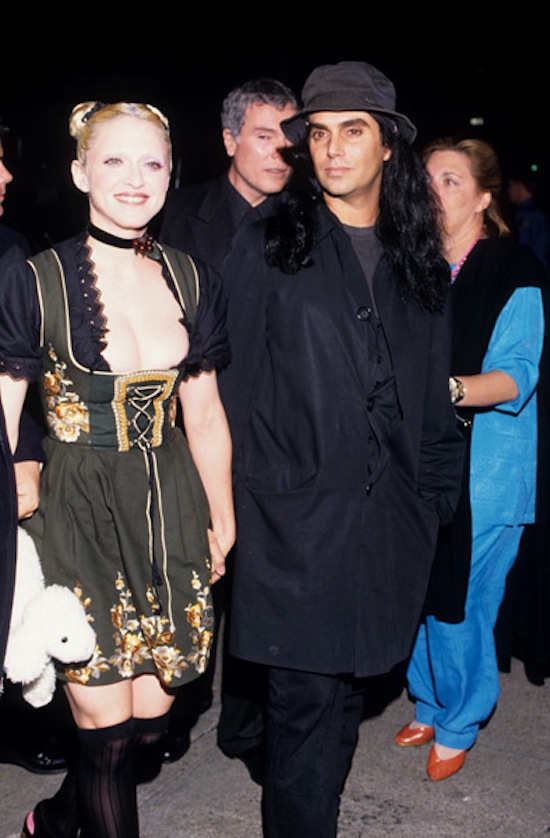
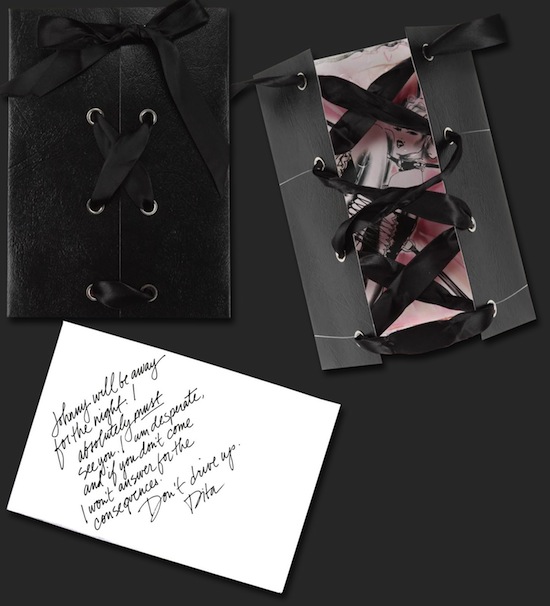
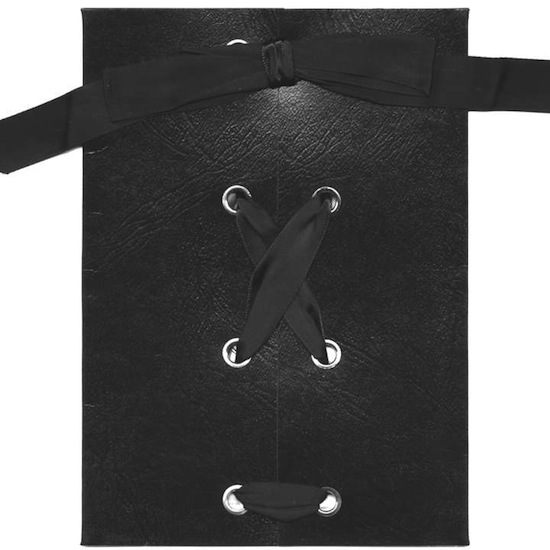
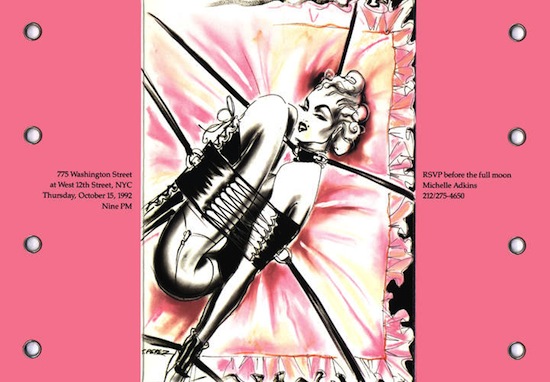
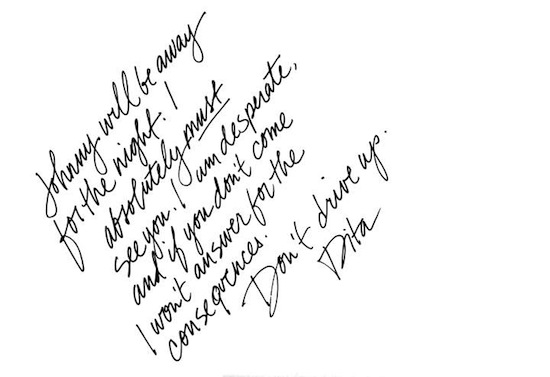
On October 15 1992, Madonna threw a Sex book pre-release party at New York City’s Industria Super Studio, and signed all the invitations under her alter ego “Dita”.

During the party, Madonna showed up dressed as Little Bo Peep and carried with her a stuffed toy lamb. 

Madonna’s publicist Liz Rosenberg showed concern at first worrying “what the parents of America’s impressionable teens will soon be thinking” but later said that it “all depends on your idea of lovemaking, which in Madonna’s case, should give new meaning to the word erotic.”

Both Walden Books and Barnes & Noble prepared corporate statements that their store managers could share with customers who were offended by Sex. Both statements defended the right of bookstores to provide “diversity and choice” to customers and say censorship is not the role of bookstores.

Bookstore owner David Epstein stated that “The feeling of most people who have ordered the book is that Madonna is something special, that this is cutting-edge art, they’re not the kind of people who are buying it because it’s smut and dirty pictures. People are interested in it as art.”

Today in Madonna History: October 2, 1992

madonna-erotica-video-1 madonna-erotica-video-2 madonna-erotica-video-3 madonna-erotica-video-4 madonna-erotica-video-4b madonna-erotica-video-5 madonna-erotica-video-6 madonna-erotica-video-7 madonna-erotica-video-8 madonna-erotica-video-9 madonna-erotica-video-10 madonna-erotica-video-11 madonna-erotica-video-13

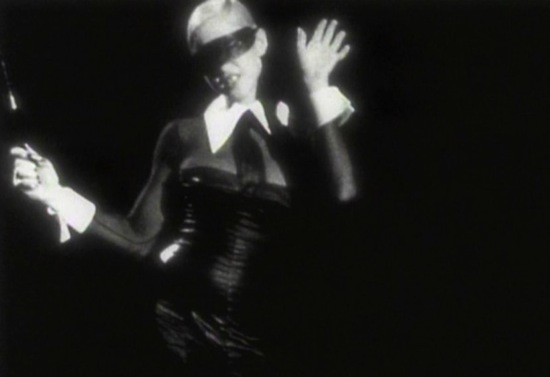
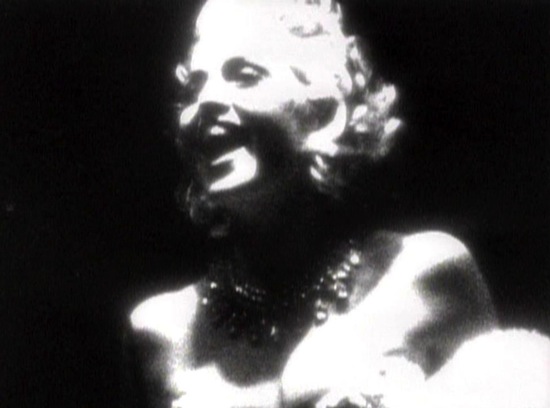
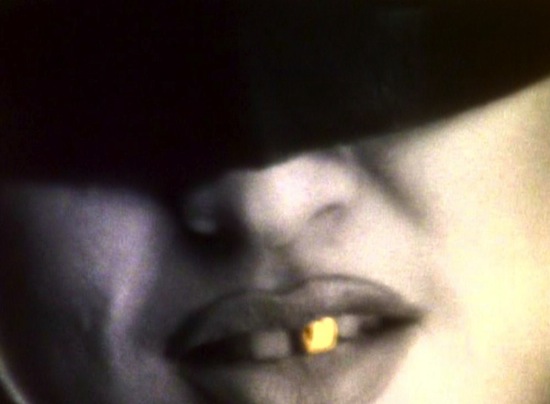
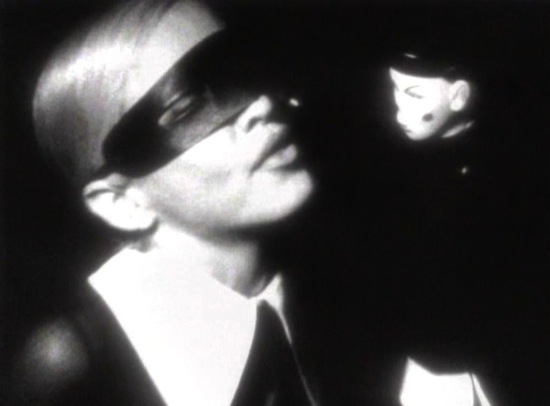
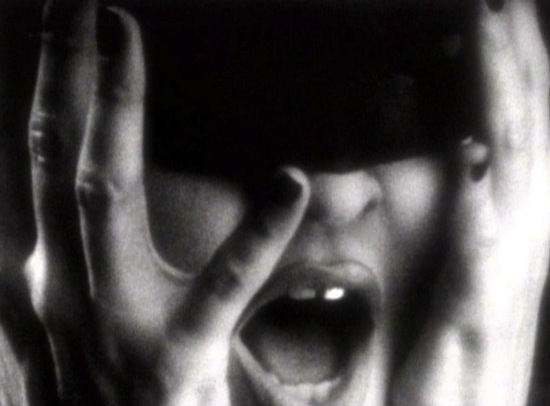
On October 2 1992, Madonna’s Erotica video premiered on MTV.

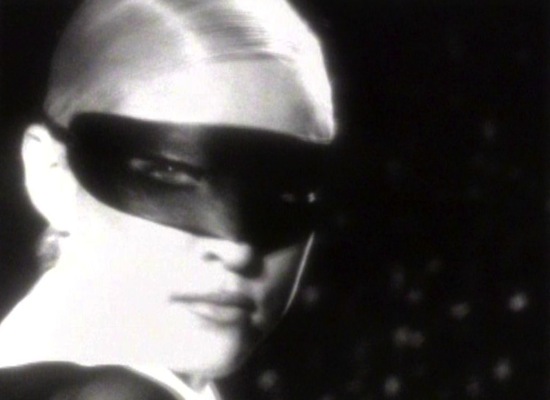
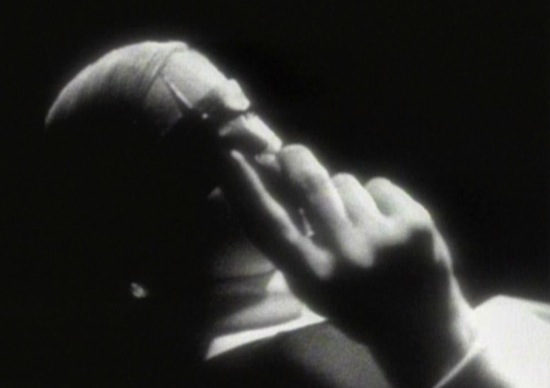
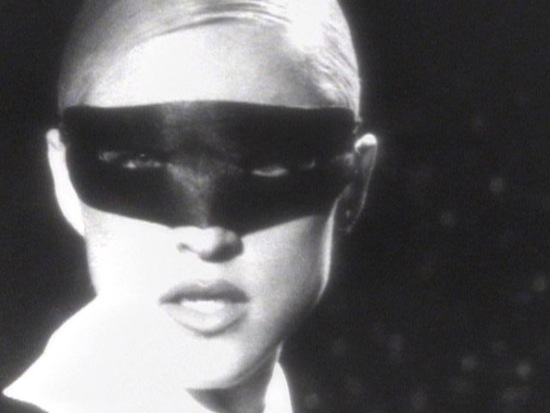
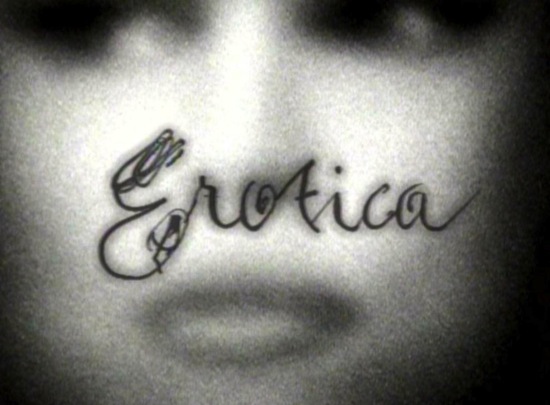
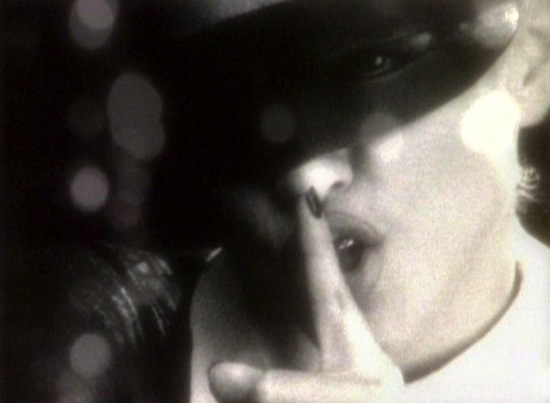
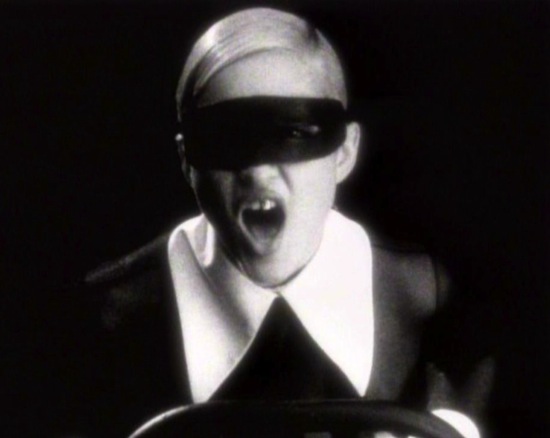
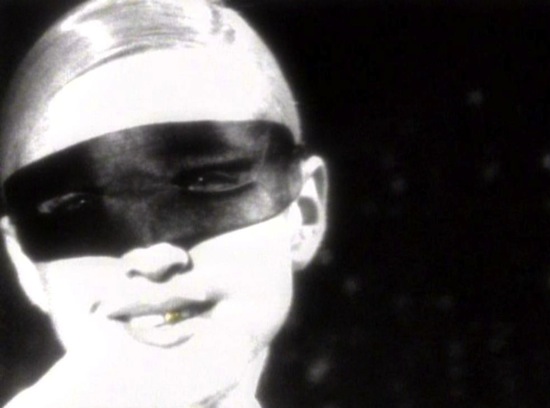
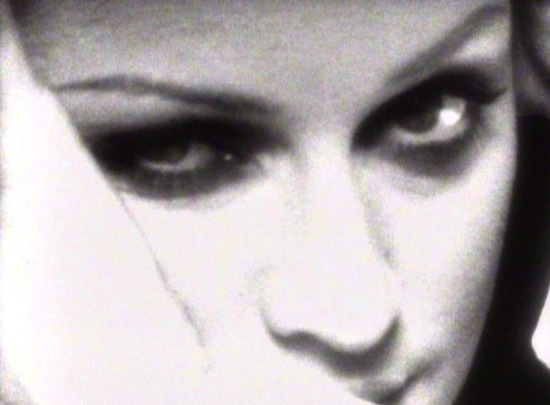
The Erotica video was directed by fashion photographer Fabien Baron, and featured a masked Madonna in a dominatrix costume. It also featured celebrities such as Naomi Campbell, Isabella Rossellini and Big Daddy Kane. The video was highly controversial, being aired by MTV a total of three times, before becoming Madonna’s second video to be banned, after Justify My Love in 1990.  

MTV spokeswoman Linda Alexander said, “The themes of the video are clearly aimed at a more adult audience. It is not appropriate for a general viewing audience”.

The footage of Madonna lip-synching the song in her S&M dominatrix costume was filmed on August 22, 1992 at The Kitchen in New York City, while the rest of the footage for the video was shot during the photo sessions for Madonna’s Sex book.  

In order to imitate the look of old home-made movies, the entire video was shot with Super 8 film.
Today in Madonna History: June 8, 1992

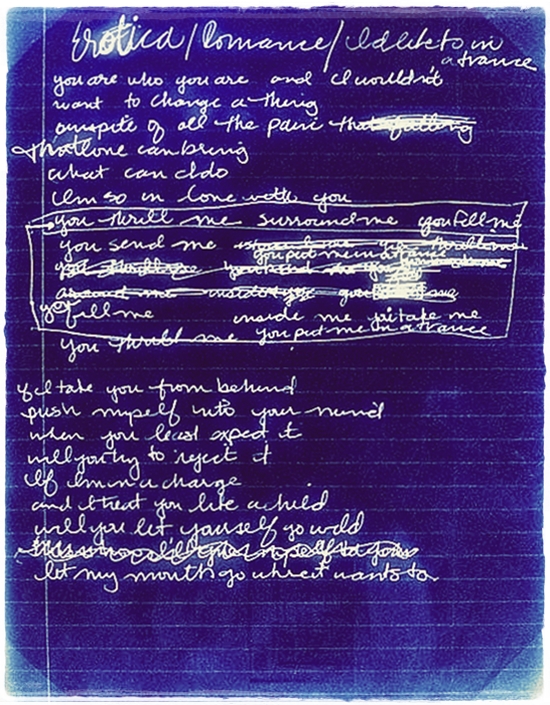
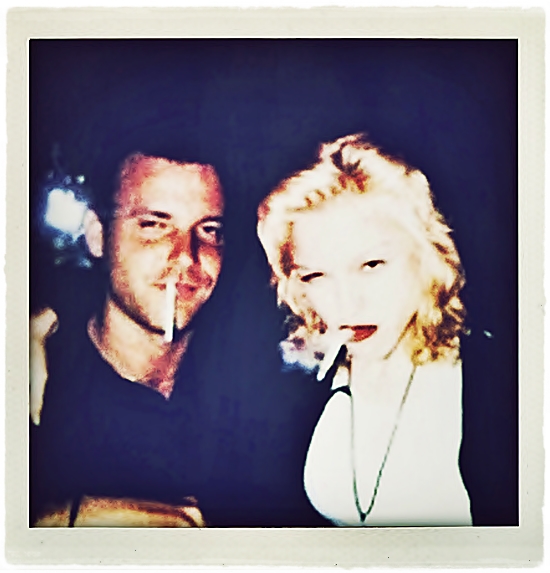
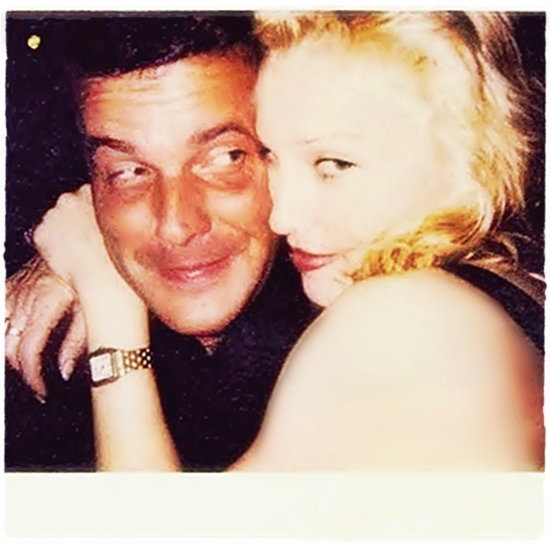
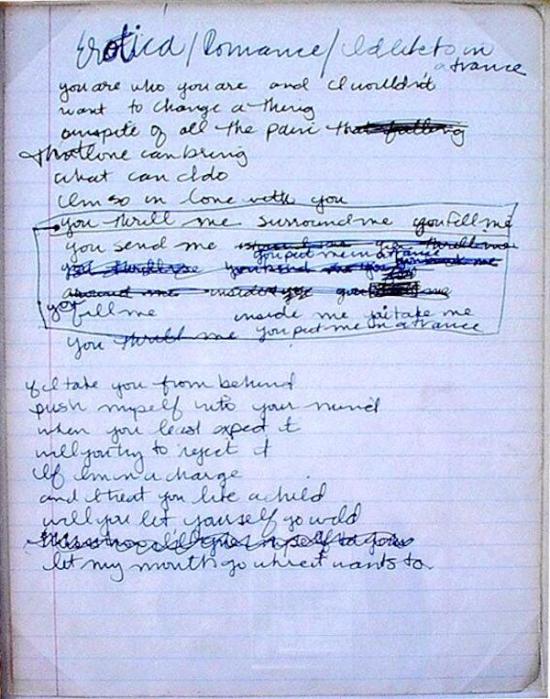
erotica early lyrics 2 erotica diaries 2 erotica diaries 3 erotica diaries 1 erotica diaries 4 erotica diaries 5

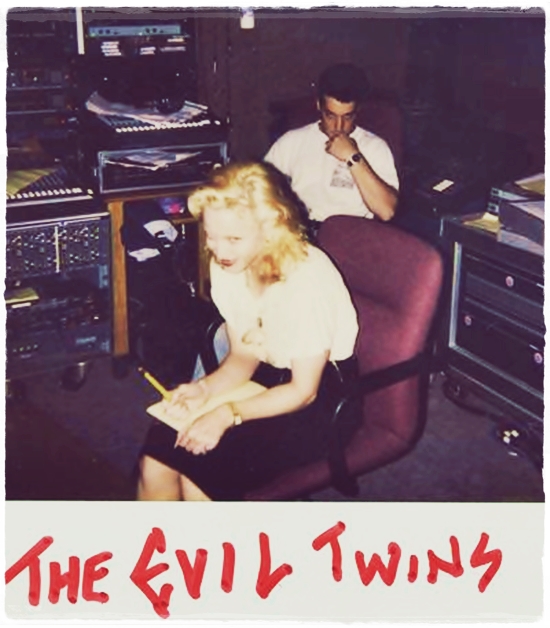
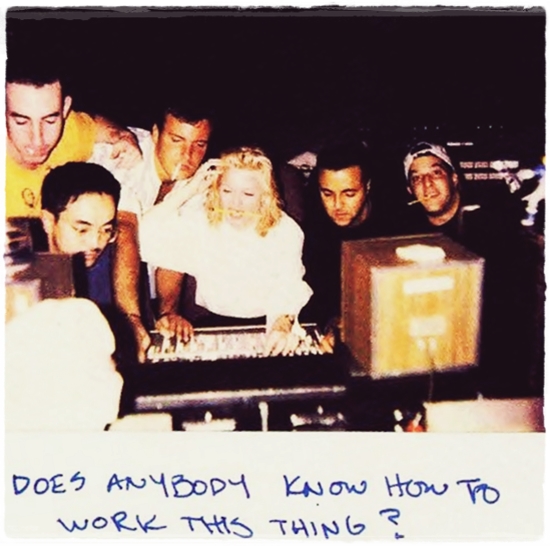
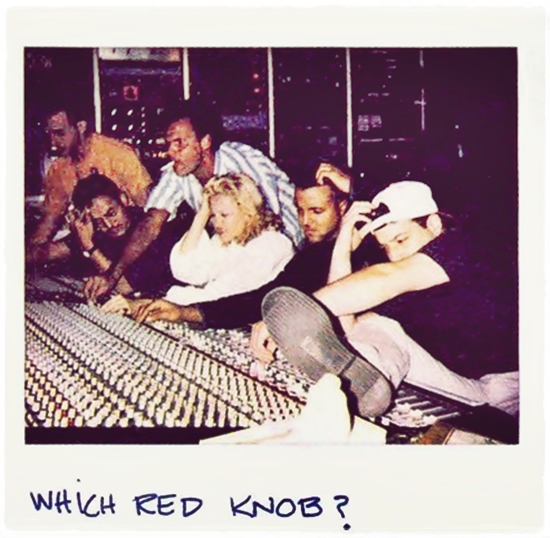
On June 8 1992, Madonna began recording sessions for the Erotica album at Soundworks, in New York.
While the writing and recording of Madonna’s previous albums had typically unfolded rather quickly, Erotica marked a change of pace in the creation of a Madonna record. Songwriting sessions for the set had occurred sporadically throughout the previous year with Shep Pettibone, Tony Shimkin and Andre Betts, in between movie projects and photo shoots for her upcoming coffee table book, Sex.

In contrast to the slick production qualities of the albums that preceded it, Madonna wanted Erotica to feature a darker, more gritty and less polished sound. This led to the decision to carry over many of the original demo vocals recorded during the songwriting process at Shep’s home studio to the final versions, with mainly lyrical additions/changes, musical overdubs, background vocals and final mixing taking place during the sessions at Soundworks.

One notable change that did occur in these final recording sessions was Madonna’s decision to swap her original lyrics for the song Goodbye To Innocence (which had gone through various incarnations in an attempt to keep the track off the cutting room floor) with the lyrics of the torch classic, Fever.  An earlier arrangement of Goodbye To Innocence with lyrics intact was later featured on the pro-choice compilation album, Just Say Roe, while a dub version of the same arrangement was retitled Up Down Suite when it appeared as a b-side on the Rain maxi-single. Another rough demo of the same track (streaming above), which is referred to as the “Straight Pass” mix on its original submission for copyright registration (which indicates that mixing of the track had not been finalized and that it is not mastered), leaked to file sharing services in February, 2008.

The “Straight Pass” mix bears some similarity to another unreleased track that was discarded early in the recording sessions, You Are The One. Aside from the lyrical paradox (with “You are the one” flipped to “I am the one”), both feature samples from Arabic singer Fairuz that would be reworked into the released version of the Erotica album’s title track and lead single.

Today in Madonna History: March 22, 2001

WIFLFAG-Video-1 WIFLFAG-Video-2 WIFLFAG-Video-3 WIFLFAG-Video-3b WIFLFAG-Video-4 WIFLFAG-Video-5 WIFLFAG-Video-8 WIFLFAG-Video-8a WIFLFAG-Video-8b WIFLFAG-Video-8c WIFLFAG-Video-8d WIFLFAG-Video-9

On March 22 2001, Madonna’s What It Feels Like For A Girl music video premiered.

The video was directed by Madonna’s then-husband, Guy Ritchie, and was deemed to be “Too Hot for TV” by MTV and VH1 because the video depicted gunplay, assault and suicide.

MTV released this statement about the video and their decision to ban it:

It’s been some time since Madonna ruffled the feathers of MTV or VH1 execs with a controversial video — perhaps not since 1992’s Erotica clip — so just under a decade later, the first lady of shock pop is out to prove she can still make ’em sweat.

Unlike the steamy segments of Erotica, 1990’s Justify My Love, and the one that started it all, Like a Prayer, it’s not the sexual content of What It Feels Like for a Girl that raises the red flag, it’s the violence — a concerted no-no in the post-Columbine, and more recently post-Santana, decision-making process.

The music in the video, it should be noted, is a dance remix of the version found on Madonna’s latest album, Music. The album cut will serve as the LP’s third single.

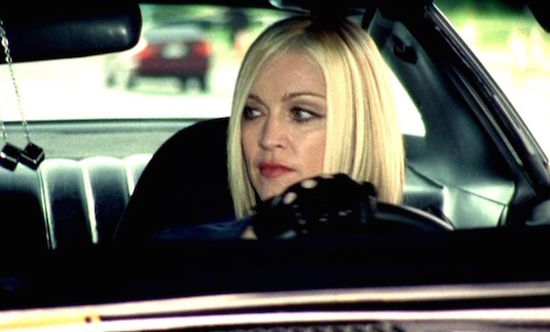
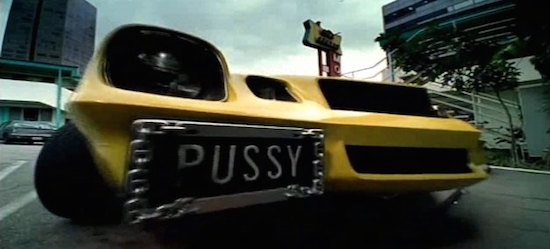
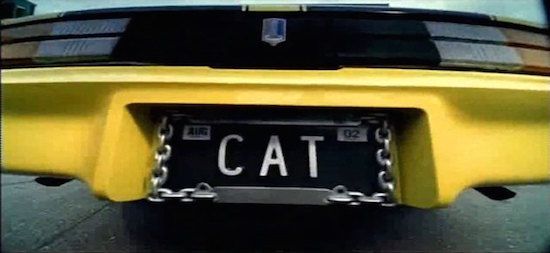
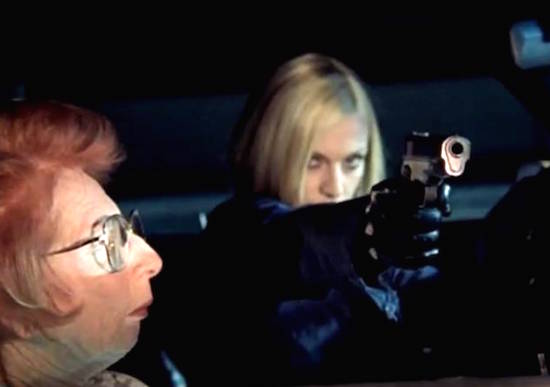
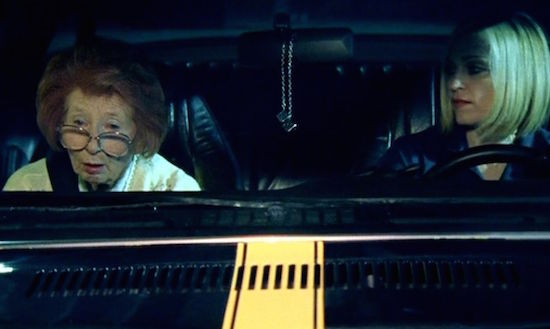
 Directed by her husband, British filmmaker Guy Ritchie (Snatch, Lock, Stock and Two Smoking Barrels), the clip depicts gunplay, violent assault and suicide — elements MTV and VH1 prohibit in any videos they air. In it, the pop diva portrays a self-described “nihilistic pissed-off chick” who cruises around town inflicting damage on any man that crosses her path.
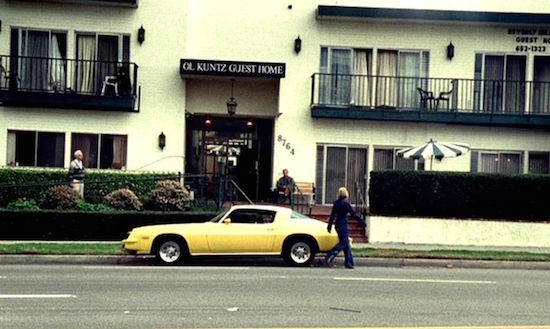
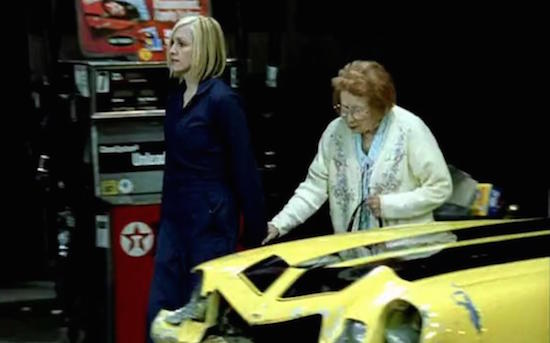
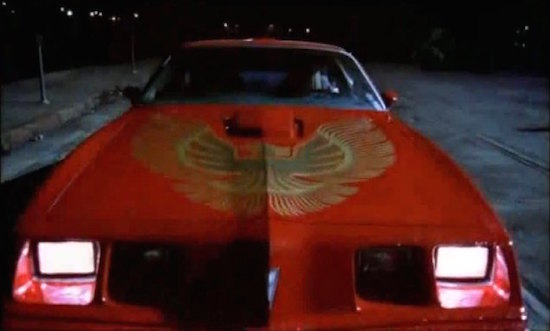
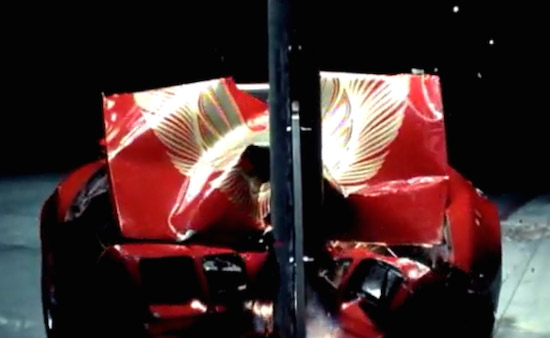
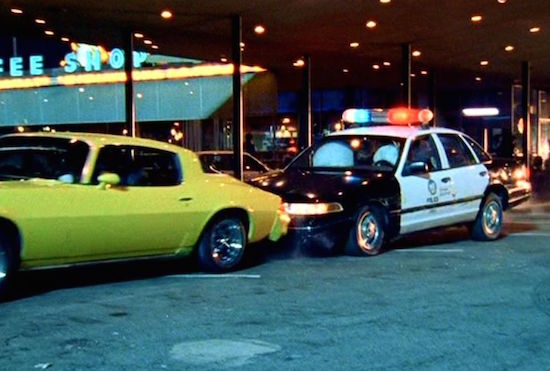
After picking up Grandma at the “Ol Kuntz Guest Home,” Madonna crashes into a car full of men who wink at her, threatens male police officers with a squirt gun before sideswiping their vehicle, and mugs a man at an ATM with a stun gun before wrapping her stolen car around a lamppost in what appears to be an intentional act.

The video “shows my character acting out a fantasy and doing things girls are not allowed to do,” Madonna said in a written statement distributed by her record label, Warner Bros. “This is an angry song and I wanted a matching visual with an edgy dance mix.”
Although What It Feels Like for a Girl won’t be added to the music channel’s regular rotation, MTV and VH1 will air the clip just once.

Today in Madonna History: January 12, 1993

bad-girl-video-making-5 bad-girl-video-making-4c bad-girl-video-making-4b bad-girl-video-making-4 bad-girl-video-making-3 bad-girl-video-making-2 bad-girl-video-making-1

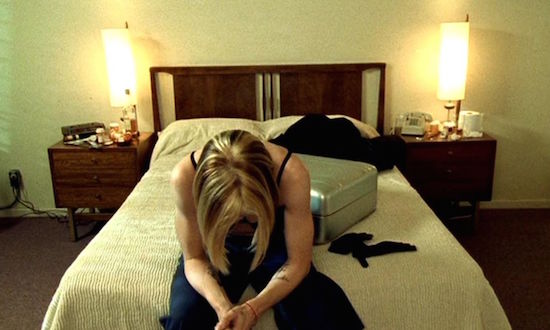
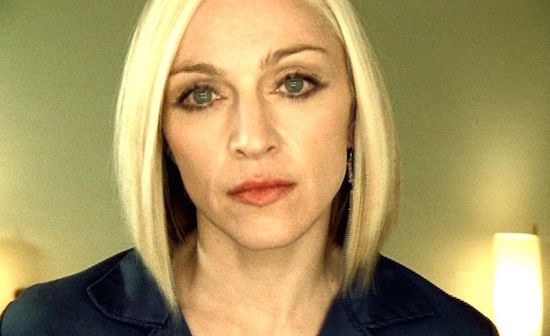
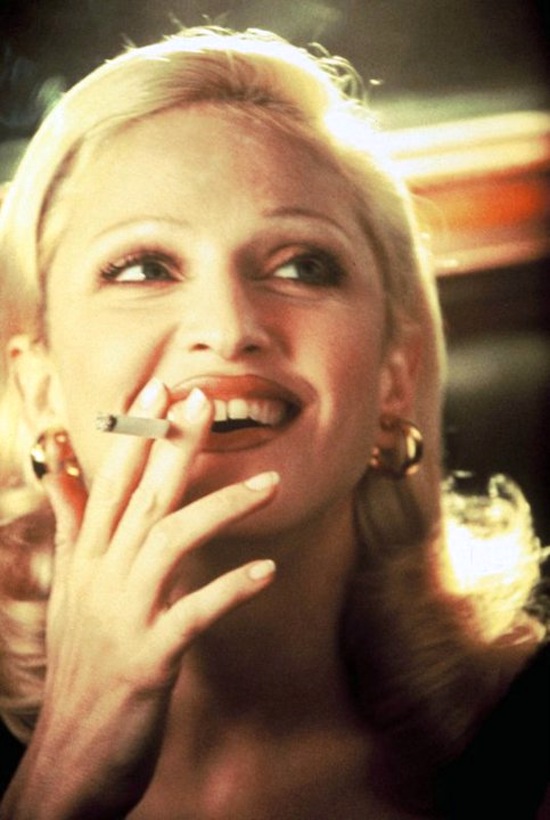
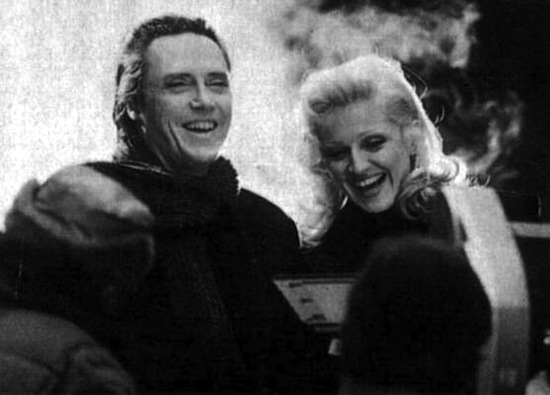
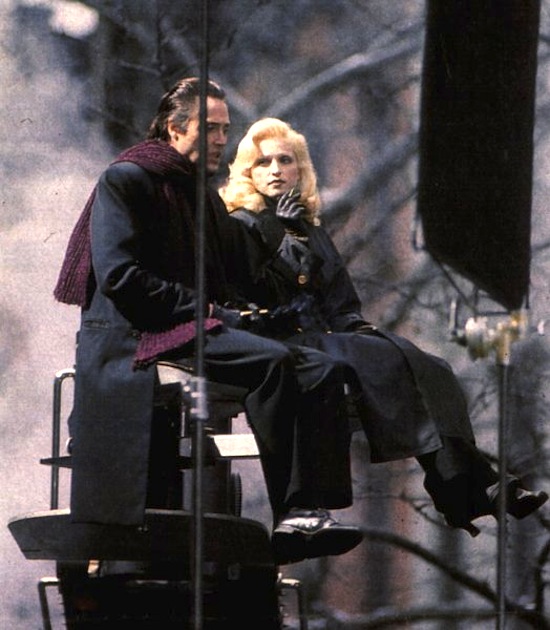
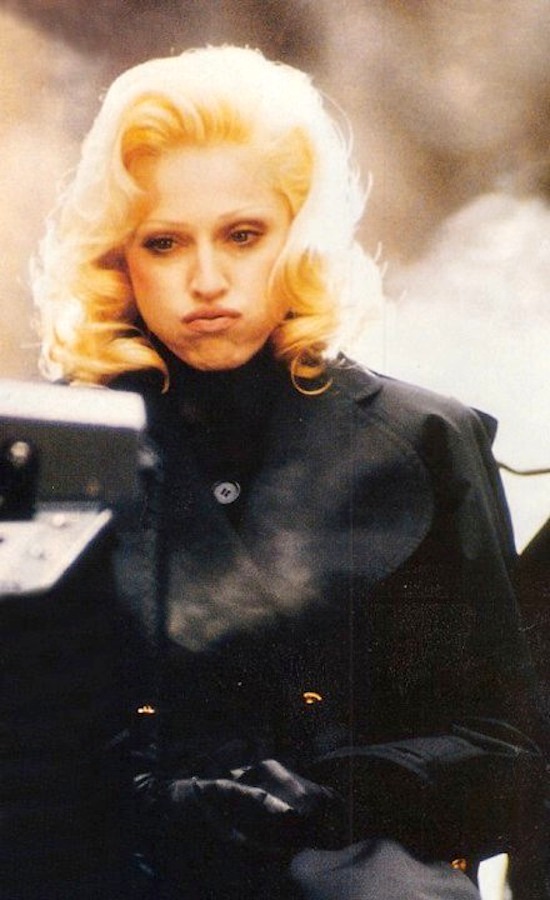
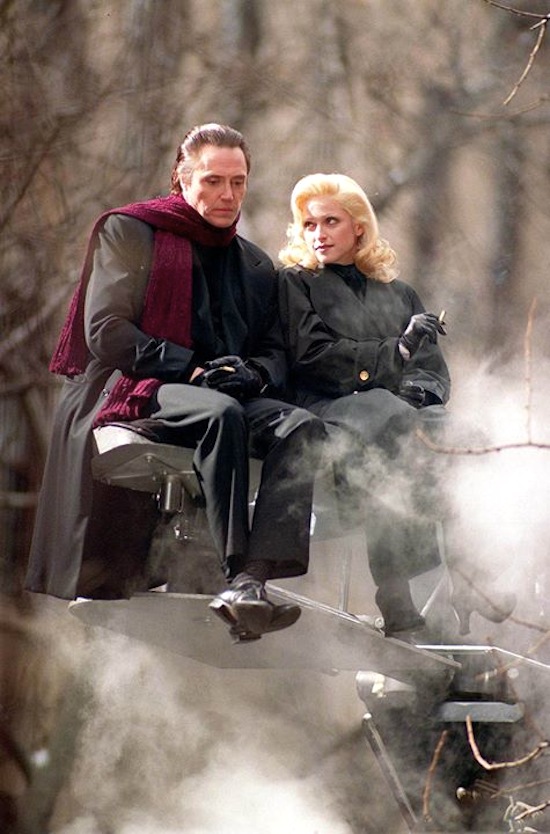
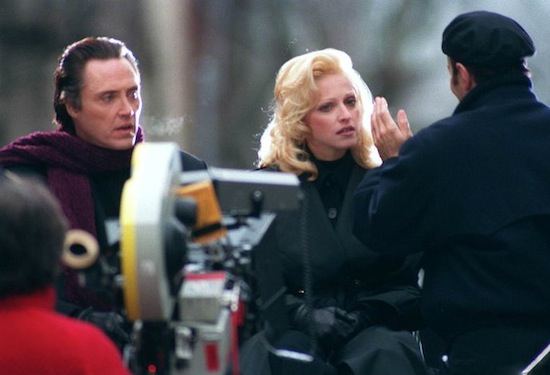
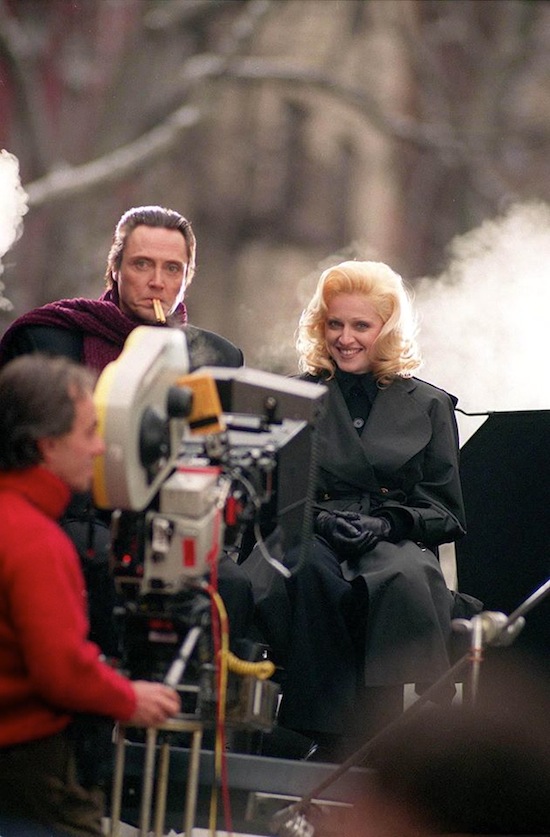
On January 12 1993, filming began for Madonna’s Bad Girl music video.  The video was directed by David Fincher and shot on location in New York City between January 12 and 18.

Besides Christopher Walken, the video also featured appearances by actors Mark Margolis, Tomas Arana, Rob Campbell, James Rebhorn, and an uncredited cameo appearance from Matt Dillon, who plays a crime scene detective.

I don’t want to cause you any pain
But I love you just the same
And you’ll always be my baby
In my heart I know we’ve come apart
And I don’t know where to start
What can I do, I don’t wanna feel blue

Bad girl drunk by six
Kissing someone else’s lips
Smoked too many cigarettes today
I’m not happy when I act this way

Bad girl drunk by six
Kissing some kind stranger’s lips
Smoked too many cigarettes today
I’m not happy, I’m not happy