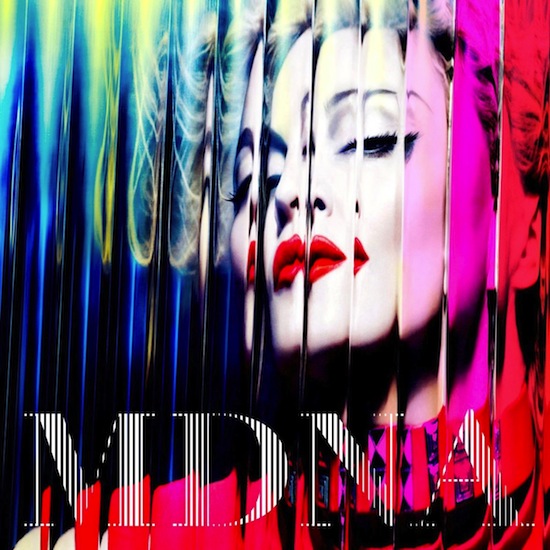
On January 31 2012, the deluxe edition cover for MDNA was unveiled through Madonna’s official Facebook page. The album’s artwork was shot by Mert and Marcus and directed by Giovanni Bianco.

On January 31 2012, the deluxe edition cover for MDNA was unveiled through Madonna’s official Facebook page. The album’s artwork was shot by Mert and Marcus and directed by Giovanni Bianco.

On January 30 1990, Keep It Together was released in North America as the fifth and final single from Like A Prayer. It also received a commercial release in Japan, Australia, Ecuador and the Philippines, while some European markets opted to include it as the b-side to Madonna’s next single, Vogue.
As fate would ironically have it, Madonna’s soulful ode to remembering ones roots would turn out to be the last Madonna-performed single co-written and co-produced with longtime collaborator Stephen Bray, whom she had befriended (or by some accounts, dated) during her days as a student at the University of Michigan. A final collaboration written by the pair, Get Over – which is speculated to have been written as a potential new track for The Immaculate Collection but was instead given to fellow Warner recording artist Nick Scotti – was released as a single in 1993, after first appearing on the Nothing But Trouble soundtrack in 1991.
Although no music video was produced for Keep It Together, the maxi-single – jam-packed with memorable remixes by Shep Pettibone and DJ Mark “The 45 King” with Stephen Bray – made the single a must-have for fans around the world. And despite its exclusion from her greatest hits releases, Madonna’s show-closing (and show-stopping) performance of the song during her legendary Blond Ambition Tour – and its accompanying documentary Truth Or Dare – has also served to keep the song alive in the hearts and minds of fans.

On January 29 2002, Madonna attended the opening of photographer Mario Testino’s exhibition at the National Portrait Gallery in London, England.
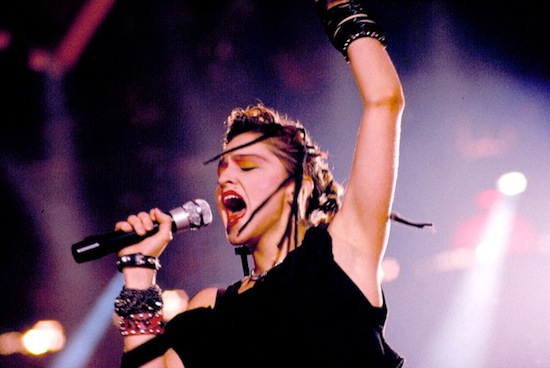

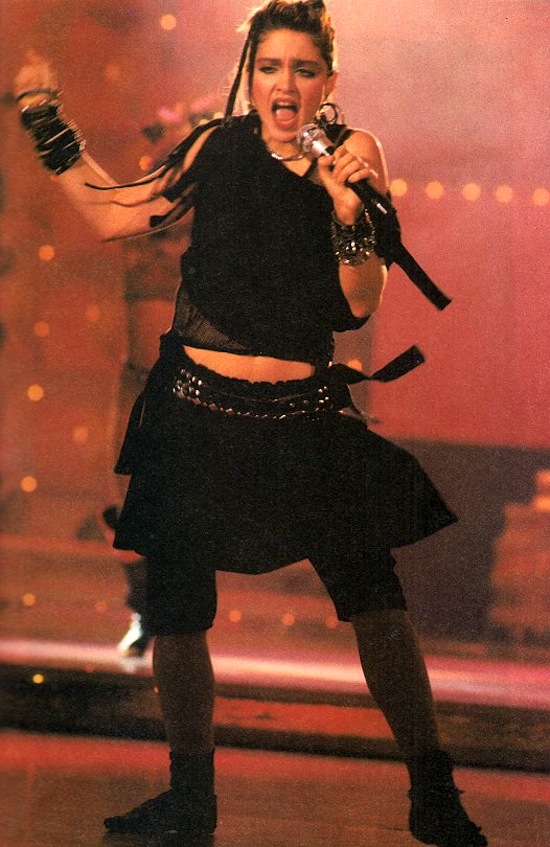


On January 28 1984, Madonna’s single, Holiday hit #16 on the Billboard Hot 100 in the USA.
Holiday was released on September 7, 1983, and became Madonna’s first hit single and remained on the charts from Thanksgiving to Christmas in 1983. It was Madonna’s first song to enter the Billboard Hot 100, at 88 on the issue dated October 29, 1983 and reached a peak of 16 on January 28, 1984 and was on the chart for 21-weeks. The song debuted at eight on the Hot Dance Club Play chart on the issue dated November 2, 1983 and was Madonna’s first number one single on the Hot Dance Club Play chart remaining at the top for five weeks.
In the United Kingdom, Holiday has been released three times as a single; in January 1984, reaching number six, and in August 1985 reaching number 2 (only being kept from number one by her own Into the Groove single). Its third release in 1991 included new artwork to promote The Immaculate Collection with a limited edition EP titled The Holiday Collection, which contained tracks omitted from the compilation; this version peaked at number five.
The photos for this post are from Madonna’s Solid Gold performance of Holiday.


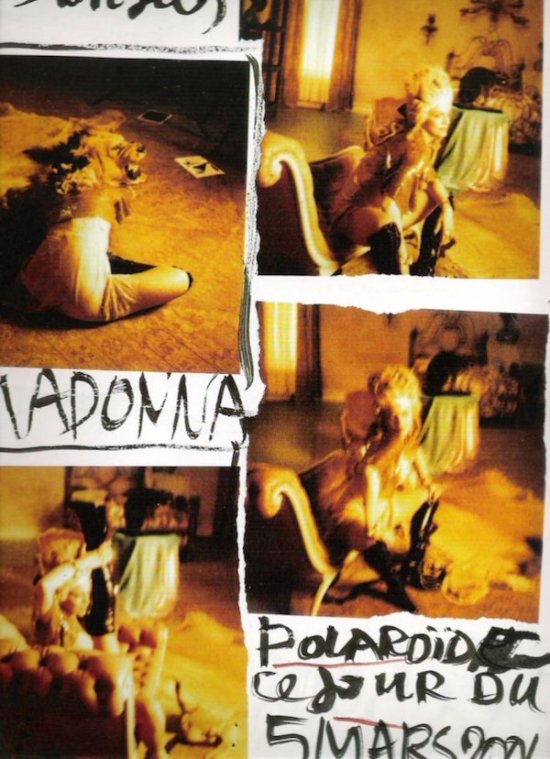


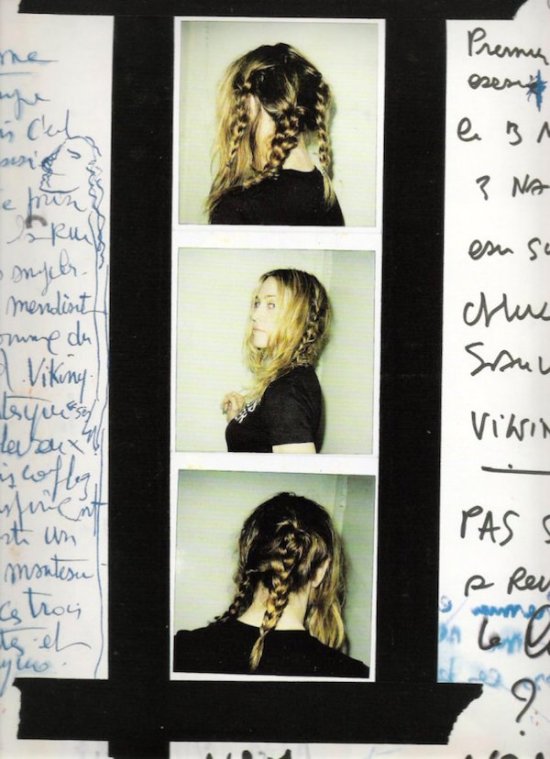
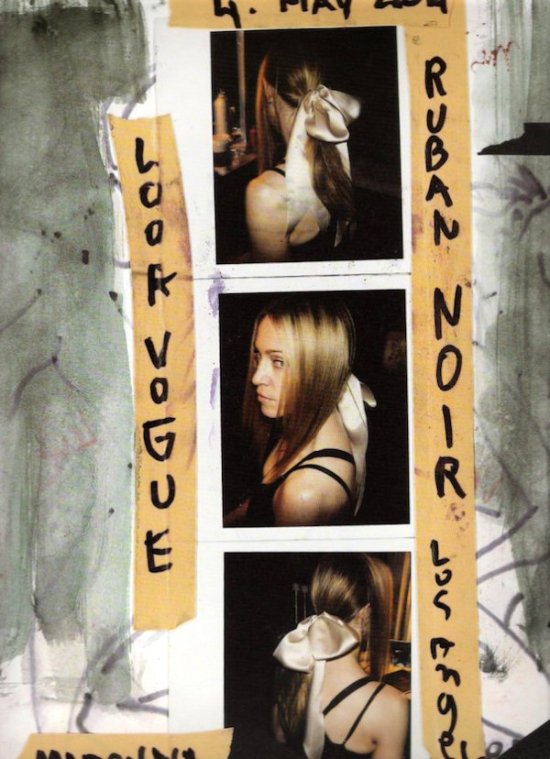

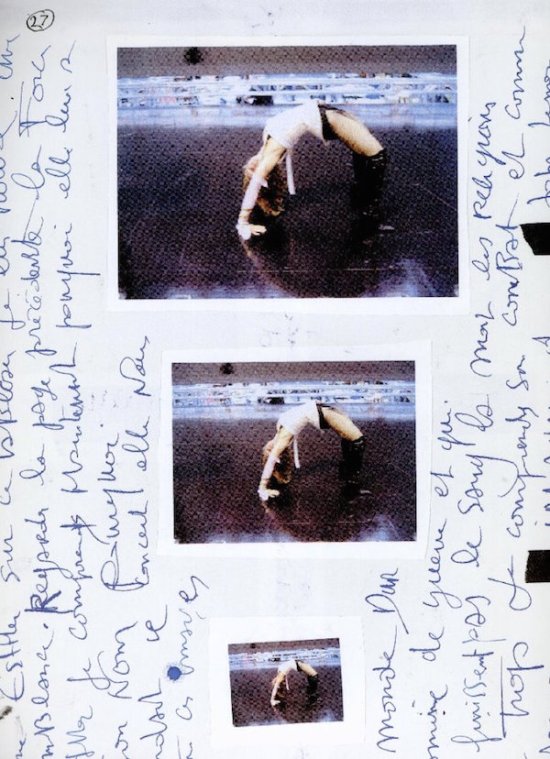
On January 27 2005, Hairdresser Julien D’Ys released a limited edition 46-page scrapbook documenting the creation of the hairstyles for Madonna’s Re-Invention Tour and the Steven Klein tour book photoshoot.
The scrapbook is available for sale through D’Ys website.

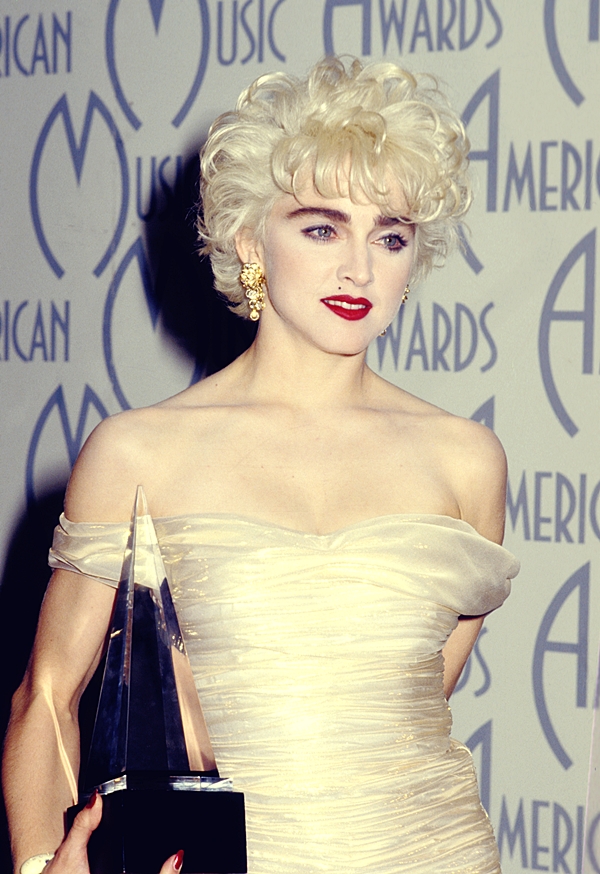
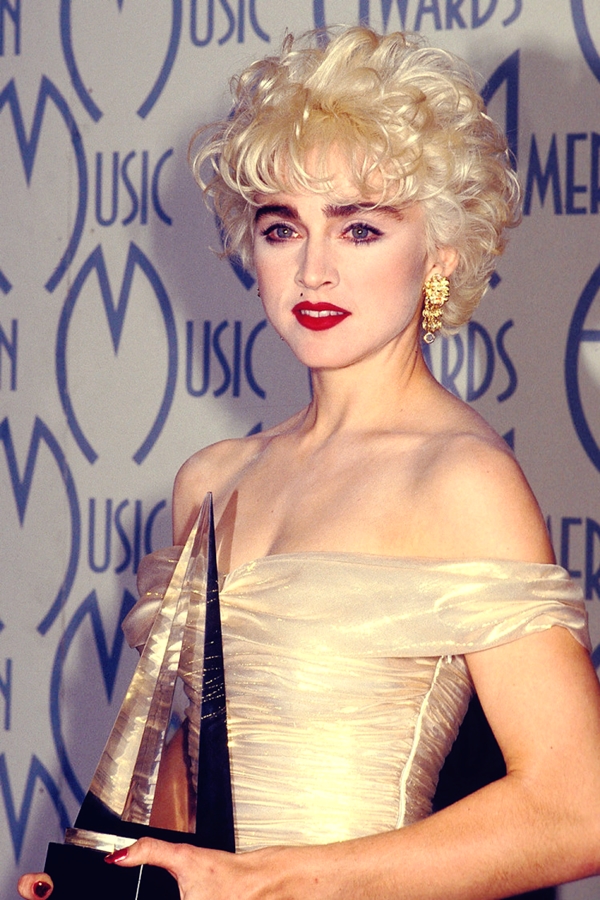

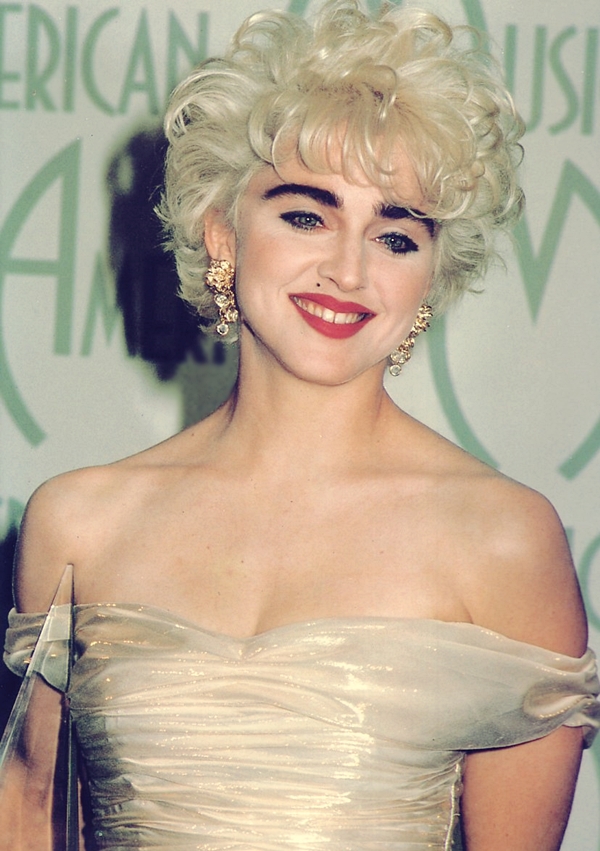
On January 26 1987, Madonna won Favorite Female Pop/Rock Video for Papa Don’t Preach at the 14th annual American Music Awards at the Scottish Rite Auditorium, Los Angeles, CA.
One of the award presenters, Mister Mister’s Richard Page, would later collaborate with Madonna & Patrick Leonard on the 1994 soundtrack hit, I’ll Remember.
Isn’t she adorable?
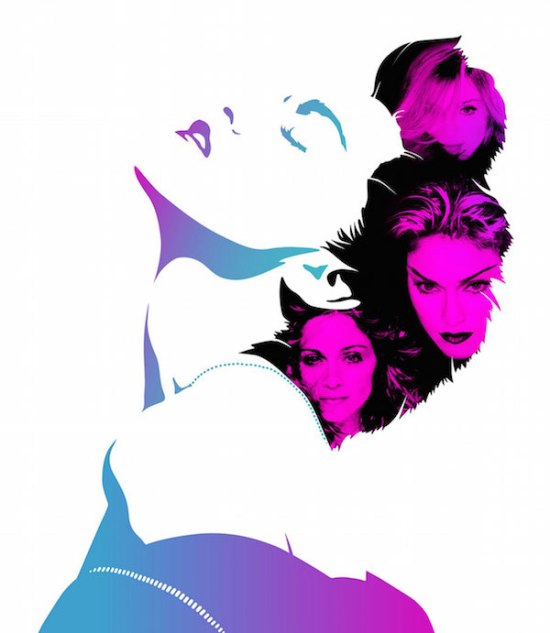
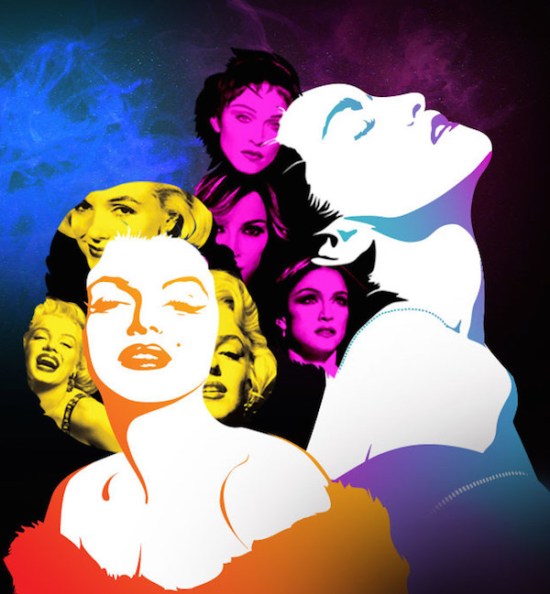
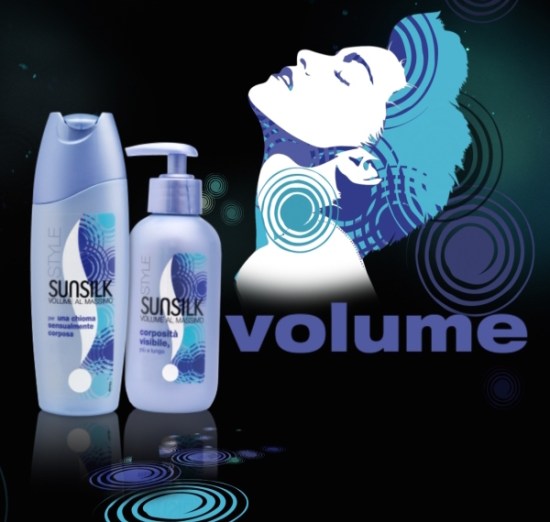
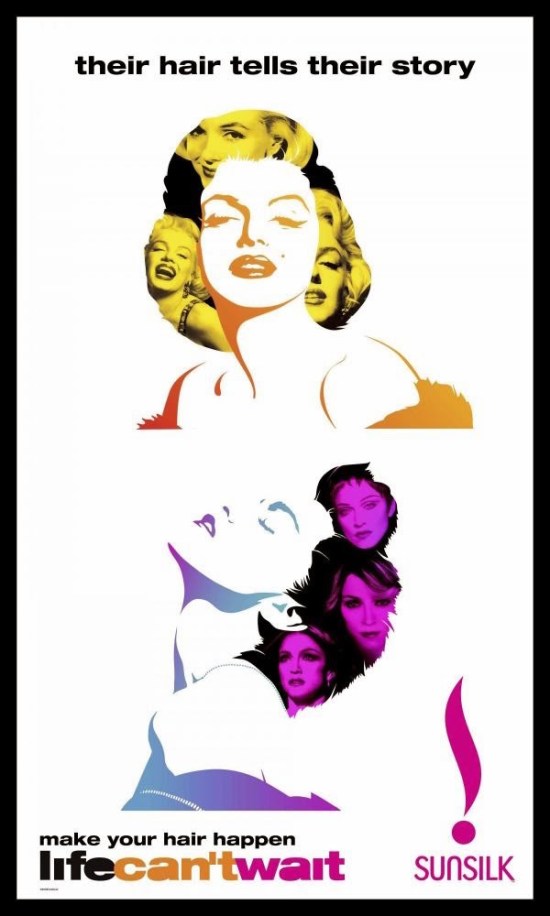
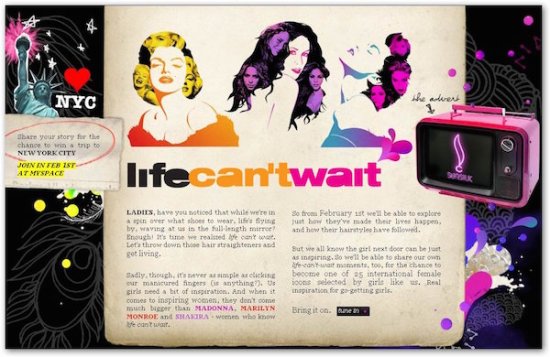
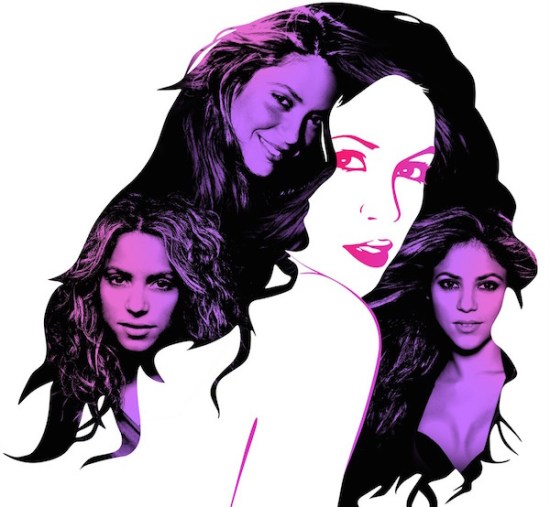
On January 25 2008, Sunsilk announced that Madonna, Marilyn Monroe and Shakira would be the faces of their first global advertising campaign.
From the press release:
The campaign aims to convince twenty-something girls around the world that “Life Can’t Wait”. These three powerful fashion and beauty icons embody the spirit of living life with passion and urgency. They have made their lives happen and Sunsilk hopes millions of girls will be inspired to do the same. Due to launch during the American Super Bowl on February 3rd, the Life Can’t Wait campaign aims to encourage women to live their lives to the fullest by making the most of every minute. The new Sunsilk campaign tells each icon’s unique story through the lens of their changing hair – each look inspiring a new chapter in their lives, revealing the power of hair as a tool of self-expression.

 Today In Madonna History