Today in Madonna History: November 17, 1987

you-can-dance-album-of-the-year-1 you-can-dance-album-of-the-year-2 you-can-dance-album-of-the-year-3 you-can-dance-album-of-the-year-4

On November 17 1987, Madonna’s first remix collection, You Can Dance, was released by Sire Records.

The LP version included the following tracks:

Spotlight
Holiday
Everybody
Physical Attraction
Over and Over
Into the Groove
Where’s the Party

The CD release included the following bonus tracks:

Holiday (Dub Version)
Into the Groove (Dub Version)
Where’s the Party (Dub Version)

The cassette release included this track listing:

Spotlight
Holiday
Everybody
Physical Attraction
Spotlight (Dub Version)
Holiday (Dub Version)
Over and Over
Into the Groove
Where’s the Party
Over and Over (Dub Version)
Into the Groove (Dub Version)

Patrick Leonard had this to say about working on You Can Dance:

“Remixing is a form of secondary creativity. Dance music elevates the DJ and the mixer to being almost on a level with the musician. In my opinion this is false. Manipulation of pre-recorded sound sources may be creative in a secondary sense, and may be valid in its own field, but it is pseudo musicianship. That’s why we tried to have a fresh approach to the songs for You Can Dance, as if we were developing and composing them for the first time.”

Today in Madonna History: November 16, 1989

first-album-debut-madonna-1 first-album-debut-madonna-2 first-album-debut-madonna-3 first-album-debut-madonna-4

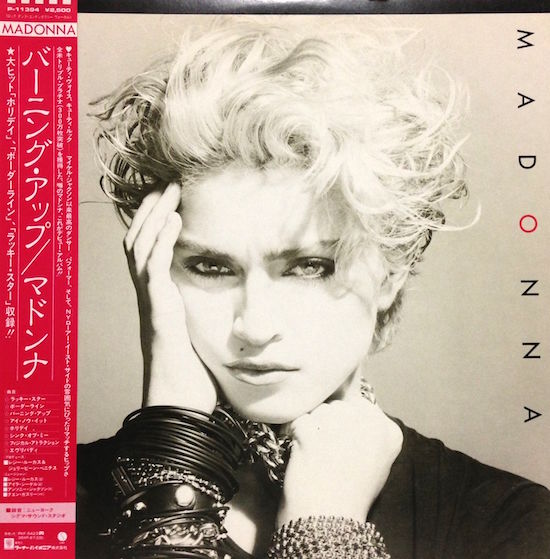
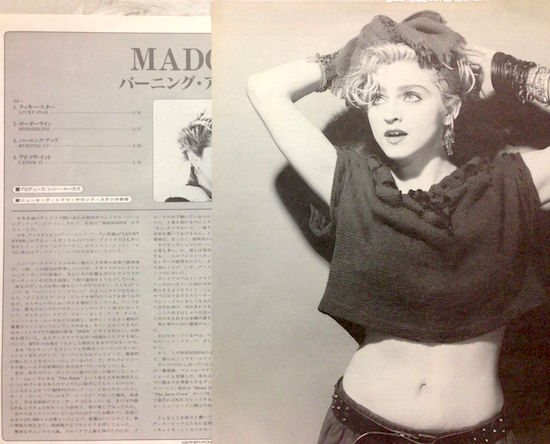
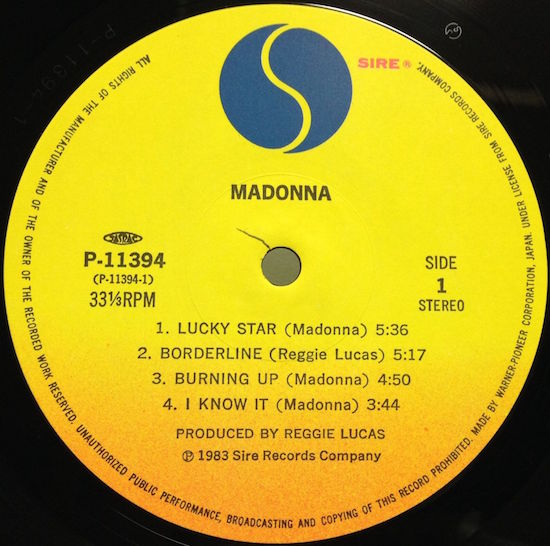
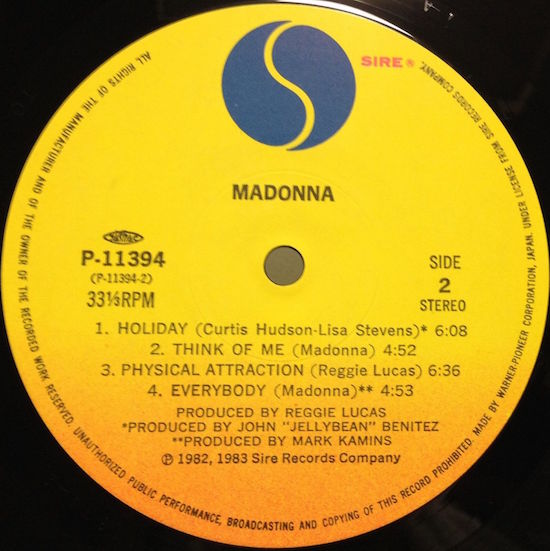
On November 16 1989, Madonna’s eponymous album was ranked #50 in Rolling Stone magazine’s list of The 100 Greatest Albums Of The 1980s.

Here’s what Rolling Stone had to say of Madonna’s debut album:

Five years after arriving in New York City from her hometown of Pontiac, Michigan, Madonna Louise Ciccone had little to show for a lot of work. By 1982, she had managed to get only a few gigs singing with drummer Stephen Bray’s band, the Breakfast Club, at clubs like CBGB and Max’s Kansas City, and the future looked far from bright.

“I had just gotten kicked out of my apartment,” Madonna says, “so the band let me live in their rehearsal space at the Music Building, on Eighth Avenue. Stephen had keys to all the rehearsal rooms, so when I decided to make my own demos, we’d go into other people’s studios at night and use their four-track machines.”

Armed with a tape, Madonna began making the rounds of New York’s dance clubs. “I had heard that a lot of A&R people hung out at the clubs,” she says, “and I thought trying to go see them at their offices would be a waste of time.” It proved a good strategy: Through Mark Kamins, the DJ at Danceteria, the tape found its way to Sire Records, and Madonna was signed by label president Seymour Stein. “Seymour was in the hospital at the time,” she says. “I got signed while he was lying in bed in his boxer shorts.”

The contract with Sire guaranteed just one single, but it had options for recording albums as well. With Kamins producing, Madonna cut the moody disco track Everybody as her debut single. But when Sire picked up its option to record an album, she decided to try a different producer. “I wanted someone who’d worked with a lot of female singers,” she says.

Reggie Lucas, the Grammy-winning songwriter who had produced Stephanie Mills and Roberta Flack, was selected. After recording the album’s second single, the Lucas-penned Physical Attraction, he and Madonna cut the rest of the album, with the exception of Holiday, which was produced by Jellybean Benitez.

“Things were very informal and casual,” Lucas says of the sessions. “It was my first pop project, and she was just a new artist. I had no idea it would be the biggest thing since sliced bread.”

Indeed, initial response to Madonna gave no indication of the mania to follow. It took a year and a half for the album to go gold. But its assured style and sound, as well as Madonna’s savvy approach to videos, helped the singer make the leap from dance diva to pop phenom, and it pointed the direction for a host of female vocalists from Janet Jackson to Debbie Gibson.

“It influenced a lot of people,” says Madonna, who cites Chrissie Hynde and Debbie Harry as her own musical heroes. “I think it stands up well. It just took a long time for people to pay attention to me —and I thank God they did!”

Today in Madonna History: November 14, 2008

Madonna Madonna vuitton-2008-3 Madonna vuitton-2008-5 vuitton-2008-6

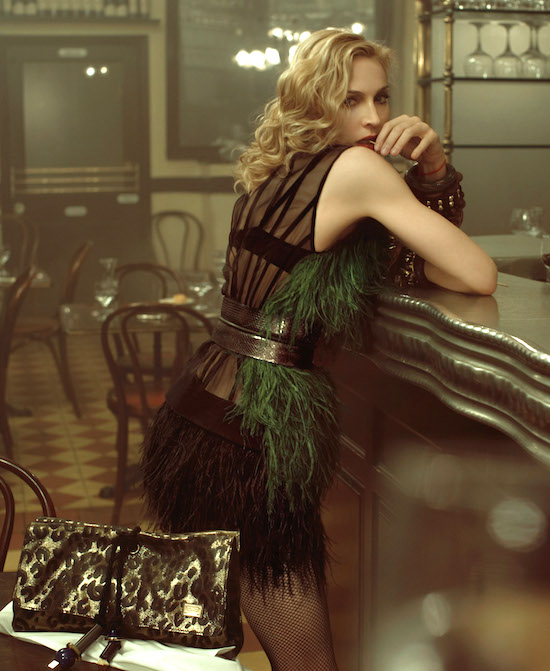
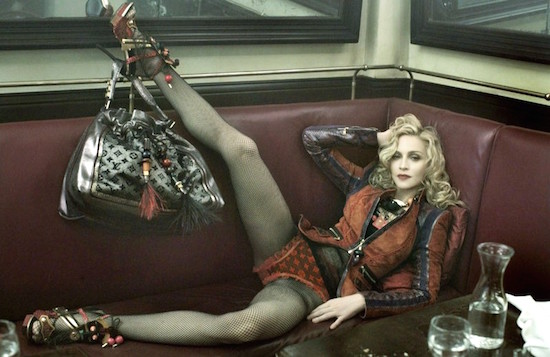
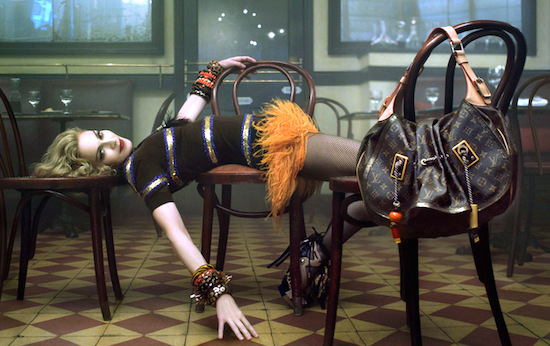
On November 14 2008, Steven Meisel shot the Louis Vuitton Spring/Summer 2009 collection photoshoot, featuring Madonna, at Café Figaro in Los Feliz, California.

Madonna transformed into Marc Jacob’s vision of the quintessential Parisienne, striking provocative poses in the season’s sexy short skirts, ethnic-inspired sandals and animal-print bangles.

“I wanted the campaign to be very bold, very sensual and very atmospheric. To carry off all these references and all this sophistication, we needed the ultimate performer – and for me, that is Madonna,” stated Jacobs.
Stylist: Marie-Amélie Sauvé
Makeup: Pat McGrath
Hair: Garren

Today in Madonna History: November 13, 1990

immaculate-promo-ad

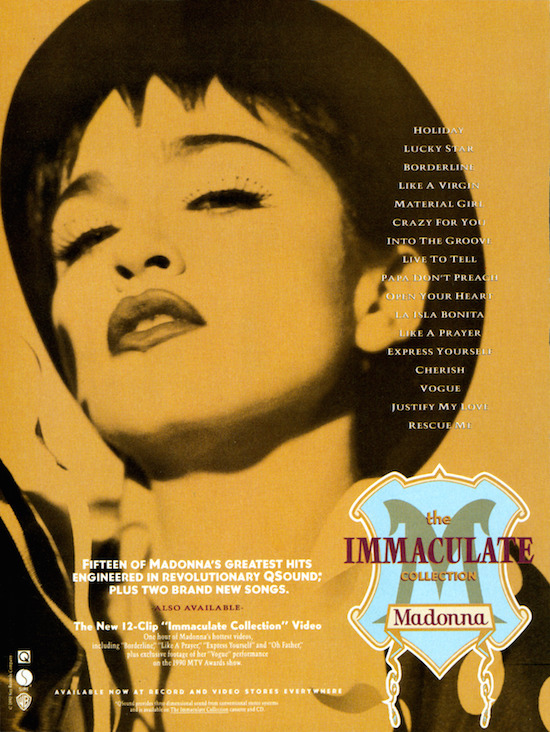
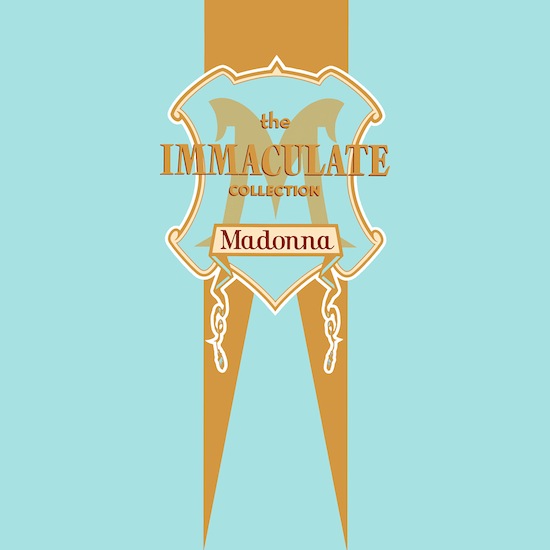
On November 13 1990, Madonna’s The Immaculate Collection, greatest hits CD and video collection were released in North America.

SoulBounce.com says this about the insanely successful collection:

That The Immaculate Collection is the biggest selling compilation album by a solo artist OF ALL TIME is no big surprise when you factor in the consummate icon that is Madonna Louise Ciccone. That even her greatest hits album would set the bar for all greatest hits albums to follow it is a no-brainer given the astronomical number of bars she’s raised. Let’s set the stage, though: 1990 was a huge year for The Material Girl even prior to The Immaculate Collection. The movie Dick Tracy, which Madonna starred in with then-paramour Warren Beatty, and the movie’s soundtrack, I’m Breathless, which includes the Academy Award winning Stephen Sondheim ballad Sooner Or Later and Vogue, one of the biggest hits of Madonna’s career, were both released mid-1990 to much fanfare and many accolades. Madonna also embarked on a huge concert tour in the spring of ’90, the Blond Ambition World Tour, while simultaneously shooting her concert documentary, Truth or Dare. She had already solidified her place as the most successful female artist of the ’80s with three number one albums and seven number one singles. So it’s only fitting that The Immaculate Collection, which served as a venerable summary of Madonna’s entire career up to that point, closed out her mammoth year.

immaculatecollection-album-cover-1

The CD included the following hits:

Holiday
Lucky Star
Borderline
Like A Virgin
Material Girl
Crazy For You
Into The Groove
Live To Tell
Papa Don’t Preach
Open Your Heart
La Isla Bonita
Like A Prayer
Express Yourself
Cherish
Vogue
Justify My Love
Rescue Me

immaculate-collection-vhs-1

The music video collection included the following clips:

Lucky Star
Borderline
Like A Virgin
Material Girl
Papa Don’t Preach
Open Your Heart
La Isla Bonita
Like A Prayer
Express Yourself
Cherish
Oh Father
Vogue
Vogue (live at the 1990 MTV Video Music Awards)

If you could change The Immaculate Collection, what would you do?

Today in Madonna History: November 12, 1984

madonna-like-a-virgin-november-12-1 madonna-like-a-virgin-november-12-2 madonna-like-a-virgin-november-12-3 madonna-like-a-virgin-november-12-4 madonna-like-a-virgin-november-12-5 madonna-like-a-virgin-november-12-6 madonna-like-a-virgin-november-12-7 madonna-like-a-virgin-november-12-8

On November 12 1984, Madonna’s Like A Virgin album was released by Sire Records.  The album was re-released worldwide in 1985, to include the bonus track, Into the Groove.

The original track listing for Madonna’s second album included:

Material Girl
Angel
Like A Virgin
Over & Over
Love Don’t Live Here Anymore
Dress You Up
Shoo-Bee-Doo
Pretender
Stay

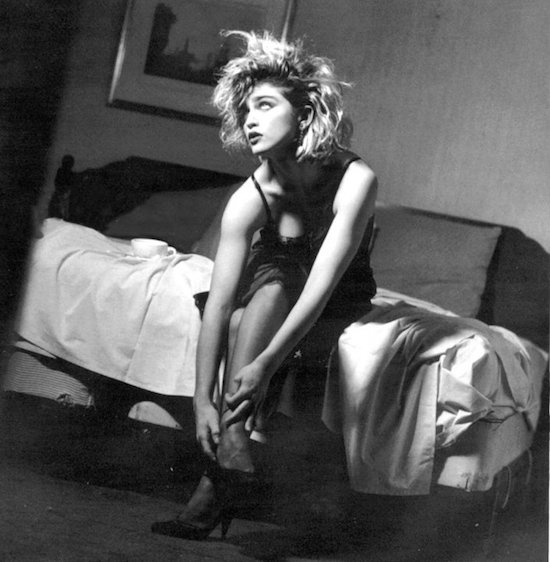
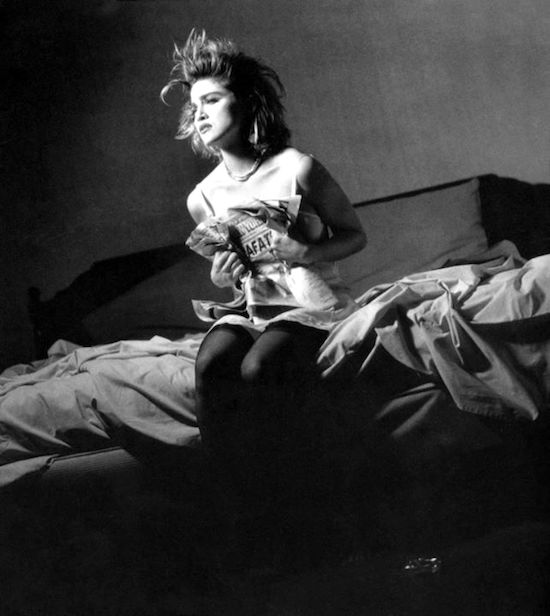
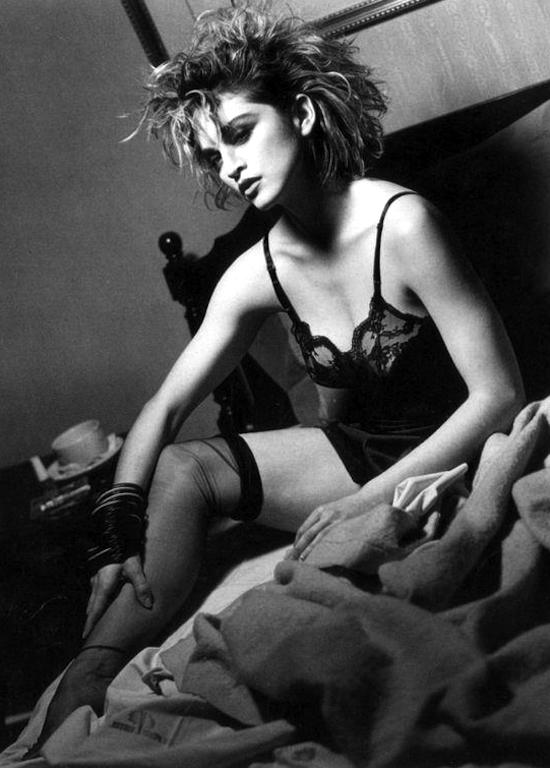
The cover sleeve and album insert images were shot by Steven Meisel. The first shot in this post was used for the album cover. The rest of the photos in this post are outtakes from the same photo shoot.

Today in Madonna History: November 10, 1995

something-to-remember-japan-1 something-to-remember-japan-2 something-to-remember-japan-3 something-to-remember-japan-4 something-to-remember-japan-5

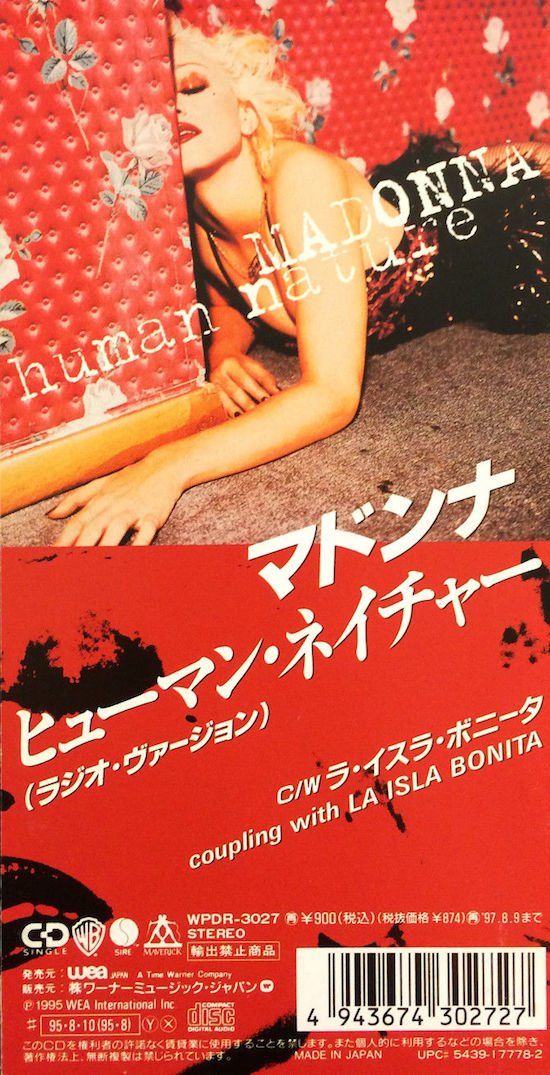
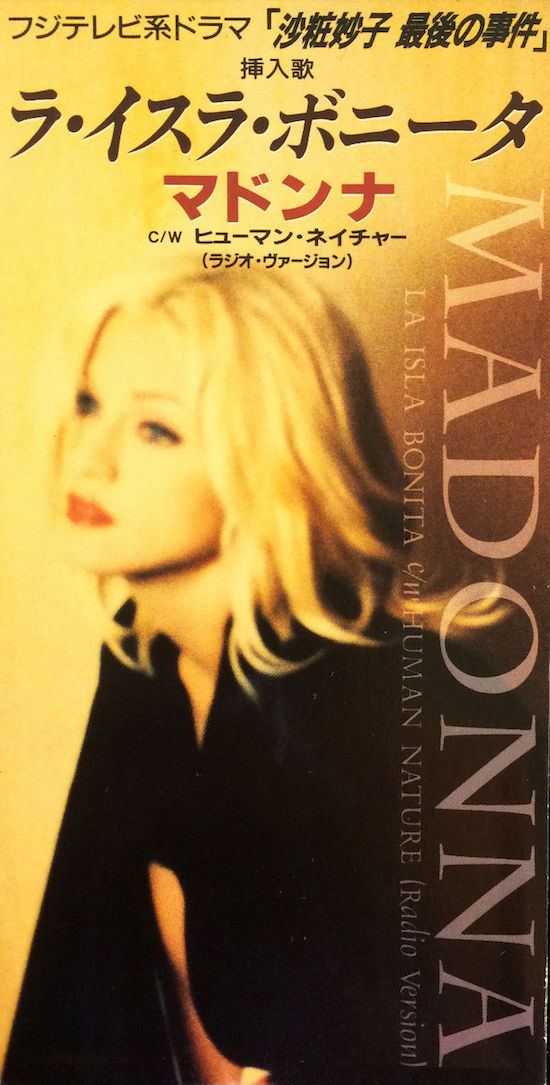
On November 10 1995, Madonna’s Something to Remember was released in Japan under the title Best of Madonna: Ballad Collection.

The Japanese release included Madonna’s 1986 hit La Isla Bonita as a bonus track.

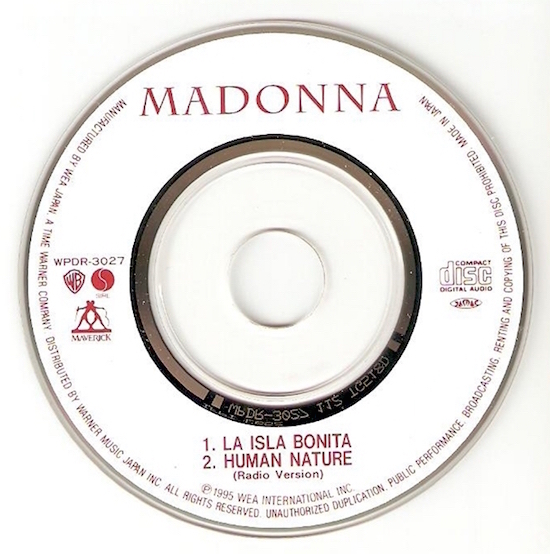
La Isla Bonita was re-released three months prior to the compilation as a double A-side record with Human Nature, the final single from Bedtime Stories. Receiving gold certification from the Recording Industry Association of Japan (RIAJ), the song was added to Something to Remember track listing in the hope of boosting the album sales in the Japanese region.

Today in Madonna History: November 9, 1985

madonna-snl-85-1 madonna-snl-85-2 madonna-snl-85-3 madonna-snl-85-4 madonna-snl-85-5 madonna-snl-85-6 madonna-snl-85-7 madonna-snl-85-8 madonna-snl-85-9 madonna-snl-85-10 madonna-snl-85-11

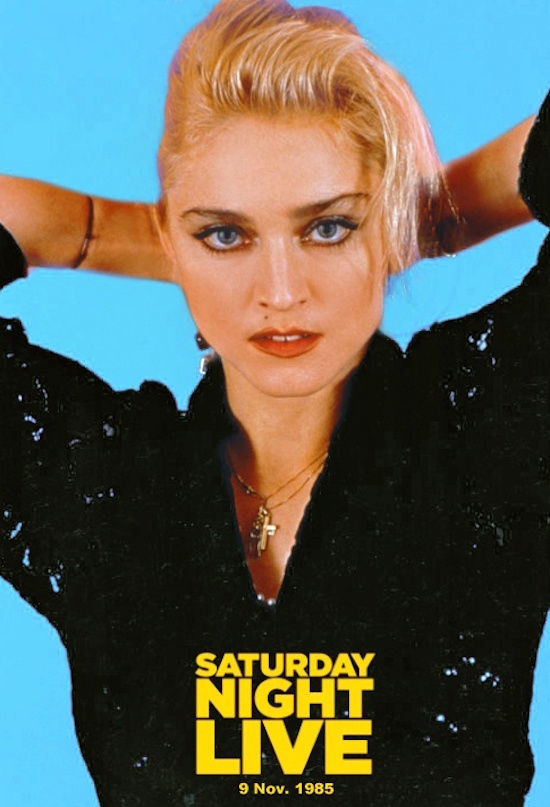
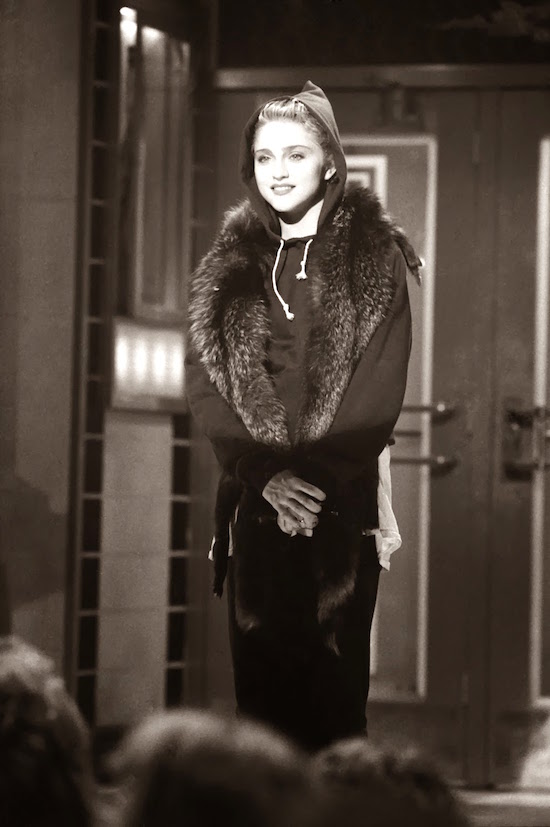
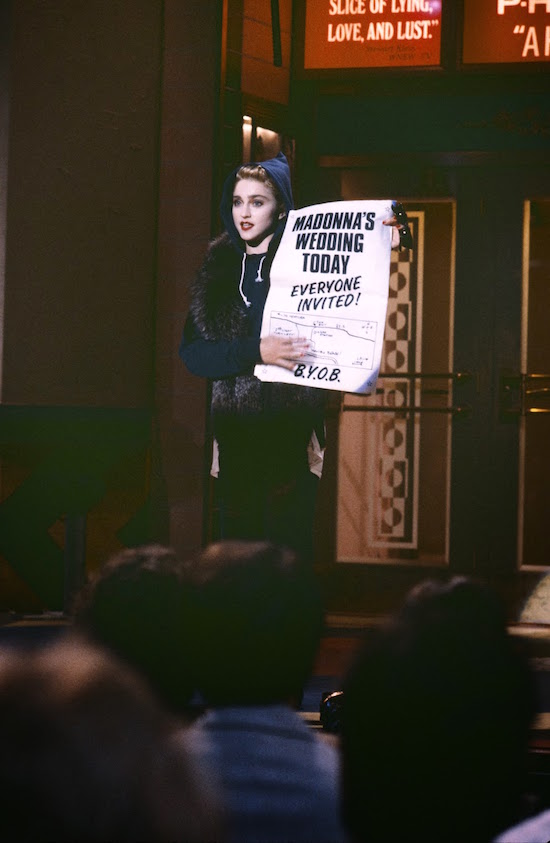
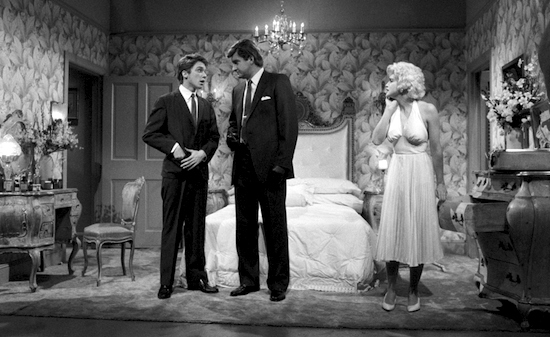
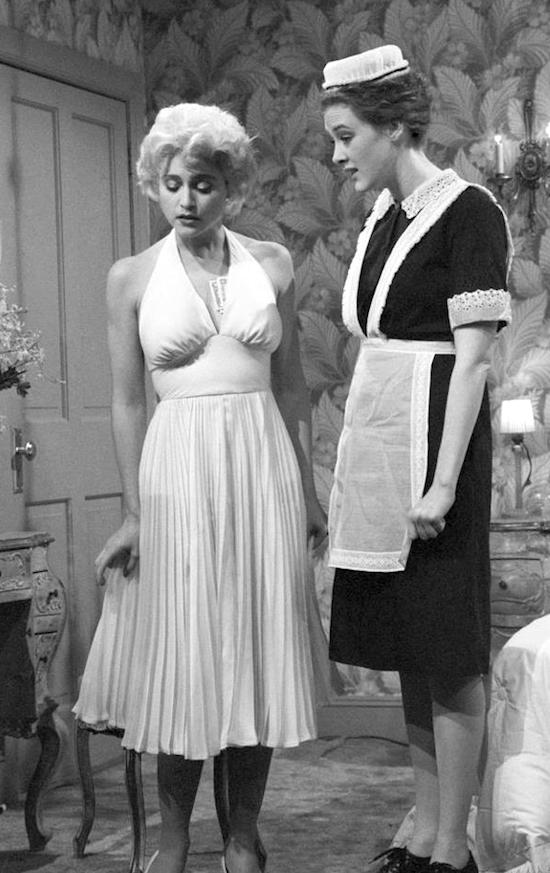
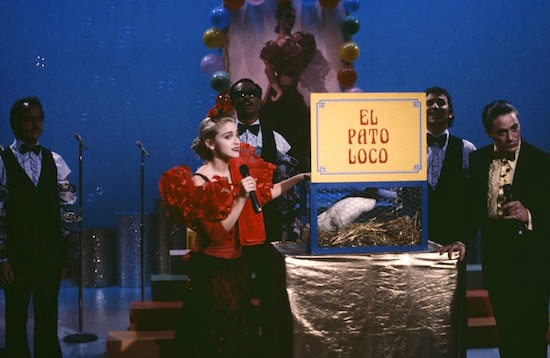
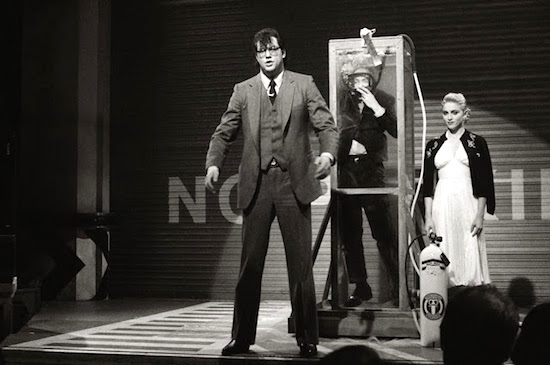
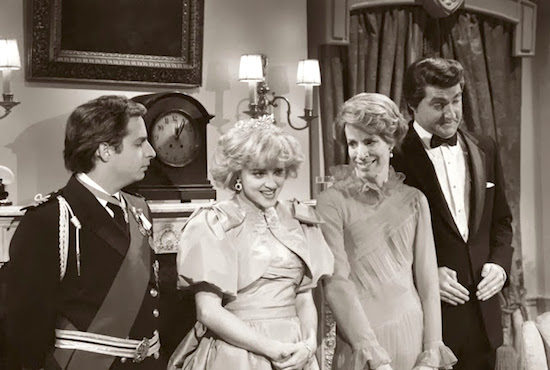
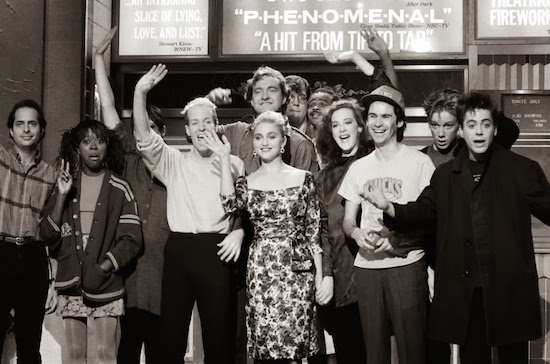
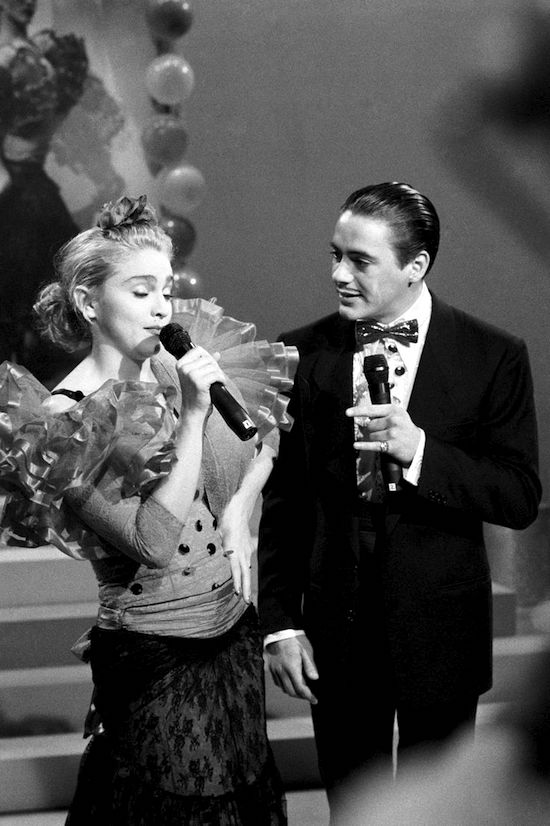
On November 9 1985, Madonna hosted the 1985-86 season premiere of NBC-TV’s Saturday Night Live.

The musical guest was Simple Minds.  Simple Minds performed Alive and Kicking and Satisfy Yourself.

During the SNL skits, Madonna performed Take On Me, La Bamba and Lionel Richie’s Three Times A Lady.

For the eleventh season of SNL, Lorne Michaels returned as executive producer after a five-year absence. Michaels wanted his own cast so the entire cast from the previous season was fired.

Read this article by Queerty.com:

Say what you will about Madonna’s acting chops, but the icon has always had our backs and never been afraid to push the envelope. Take, for example, her only hosting stint on Saturday Night Live back in 1985 when she was indisputably the most famous entertainer woman on the planet. In the sketch, which was clearly inspired by the anxiety and, in some cases, furor that surrounded an episode of Dynasty. Superstar actor Rock Hudson had joined the cast as a love interest to series regular Linda Evans. In one episode Hudson kissed Evans on the mouth. Not a big deal, you’re thinking but by the time the episode aired Hudson was revealed to be battling AIDS and had known at the time it was filmed but hadn’t disclosed the information to his costar. It was a different era, friends, an AIDS diagnosis was thought to be a death sentence and there were even tabloid reports that Evans had contracted the disease from a mere smooch. Evans, for the record, bore no grudge against the late superstar.

Anyway, in the skit titled Pinklisting, Madge dons a dark wig to resemble Evans’ other costar Joan Collins and a clipped British accent (a harbinger of things to come!) to play a TV actress unwilling to do scenes with a costar “she doesn’t know” due to her fear of AIDS. The joke, if it can be referred to as one, is that the costar is played by Terry Sweeney (still the only openly gay male SNL player), as a super-femme gay actor who tries to butch it up but he loses his cool when confronted by a snarky Judy-Liza headline.

While the sketch isn’t exactly a rib-tickler it’s surprising in hindsight that it was a comic skit built around AIDS at a time when it was still considered a fatal disease, and broadcast in November 1985, less than a month after Hudson’s death. While that may seem insensitive, remember that this was the year Larry Kramer’s landmark AIDS-themed play The Normal Heart was first produced — and President Reagan hadn’t even uttered the word in public. So let’s hear it again for Madonna, forever at the forefront of progress, bringing a public discourse on the disease into the homes of millions of TV viewers.