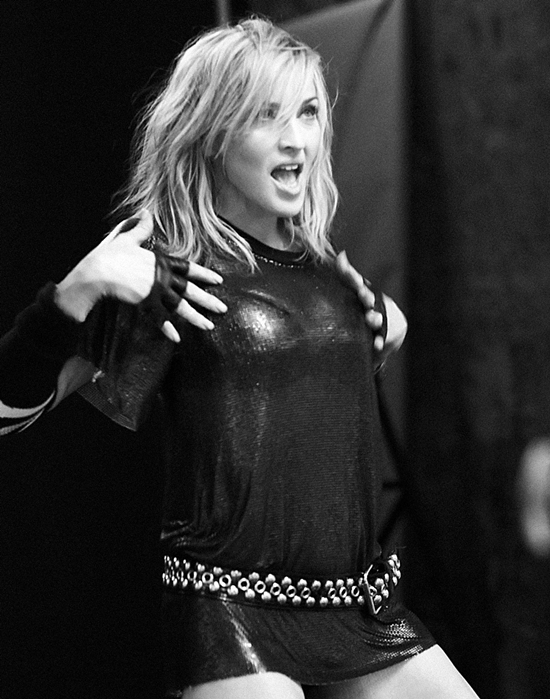
Today in Madonna History: March 24, 2012

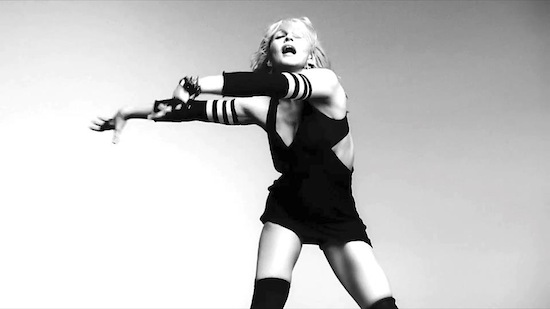
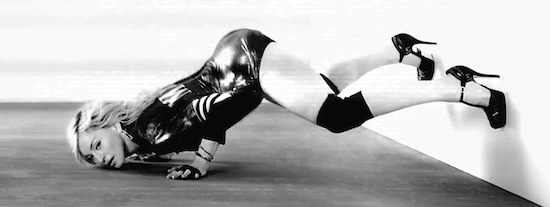
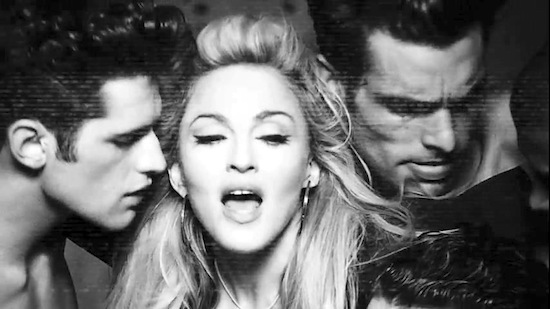
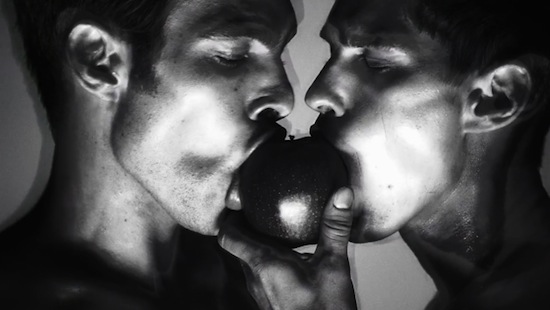
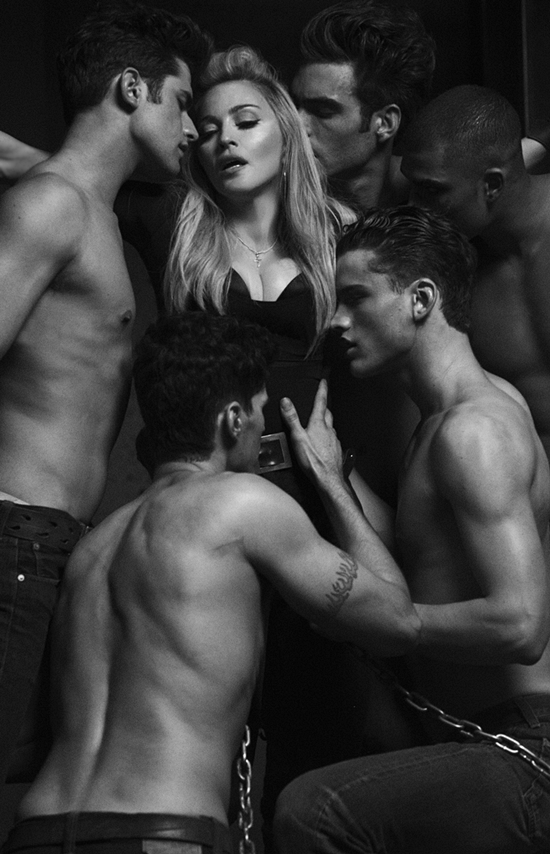
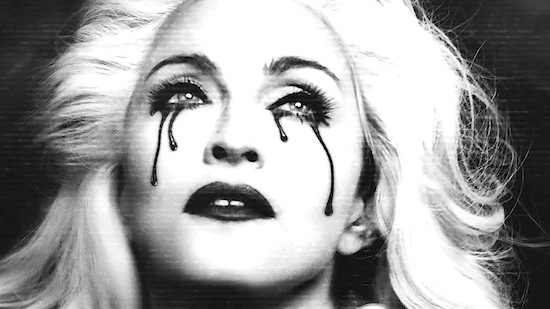
mert and marcus girl gone wild set 550mert and marcus girl gone wild set 8 550

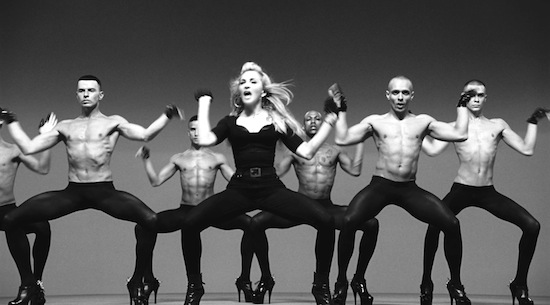
On March 24th 2012, The New York Post’s Page Six reported that Madonna’s video for Girl Gone Wild had been deemed too wild for general viewing on YouTube. It would be restricted to registered users over the age of eighteen in its uncensored form:

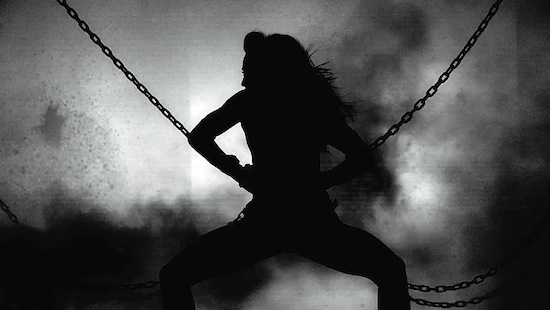
“Madonna’s steamy new video for Girl Gone Wild has been banned from open view on YouTube for being too raunchy, with scenes including nudity and a close-up of a man’s PVC-clad crotch. YouTube chiefs have restricted the video for those 18 years or above, and sources tell us they’ve told the superstar’s management that if they want it to be available for viewing by all, they must edit out shots of bare bottoms, a man rubbing his crotch and an implied masturbation scene where a man gyrates before a mirror. Madonna’s team was working yesterday on an edited version of the video for YouTube because, for the first time, it’s based its marketing strategy for her new album, MDNA, on social media, including a live Facebook interview with Jimmy Fallon today. A source told us, ‘YouTube has decided the video is too raunchy and should only be viewed by those 18 or over, and actually, the video is hard to find on the site. YouTube has sent Madonna’s team a list of shots that should be cut to make it appropriate for everyone.’ Fashion photographers Mert Alas and Marcus Piggott directed Girl Gone Wild, using much of the singer’s trademark erotic imagery, including topless men dancing in black tights (mantyhose) and platform heels. YouTube also took exception to an S&M-inspired scene of a silhouette in chains. The video was deemed ‘inappropriate for some users’ by YouTube, and viewers must verify they’re 18 or older and log in to watch it. Madonna’s rep, Liz Rosenberg, told us, ‘Some things never change. This is a throwback to [1990] when MTV refused to show Justify My Love.'”

A re-edited version of the Girl Gone Wild video was provided to YouTube several days later and was approved for general viewing.
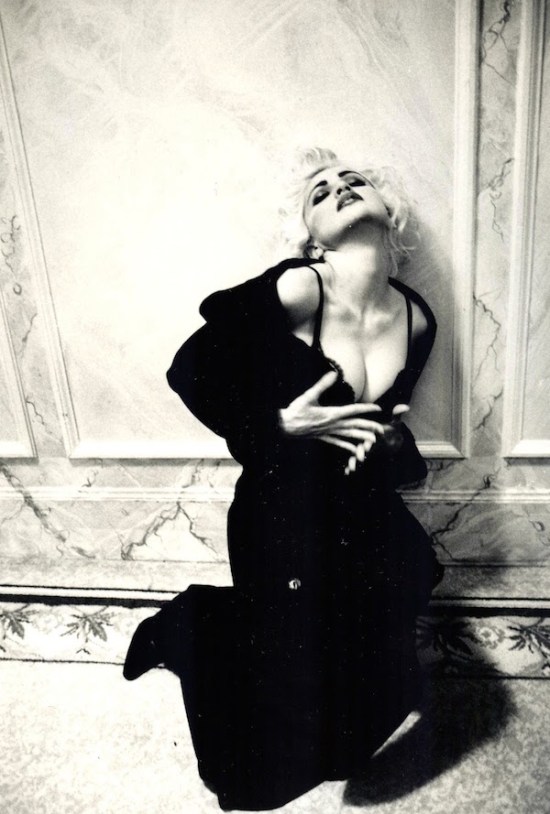
Today in Madonna History: March 23, 1991

On March 23 1991, Madonna’s Rescue Me jumped from #11 to #9 in its fourth week on the Billboard Hot 100 chart in the USA.
Rescue Me was released as the second single from Madonna’s first greatest hits package, The Immaculate Collection.

Today in Madonna History: March 22, 2001

WIFLFAG-Video-1 WIFLFAG-Video-2 WIFLFAG-Video-3 WIFLFAG-Video-3b WIFLFAG-Video-4 WIFLFAG-Video-5 WIFLFAG-Video-8 WIFLFAG-Video-8a WIFLFAG-Video-8b WIFLFAG-Video-8c WIFLFAG-Video-8d WIFLFAG-Video-9

On March 22 2001, Madonna’s What It Feels Like For A Girl music video premiered.

The video was directed by Madonna’s then-husband, Guy Ritchie, and was deemed to be “Too Hot for TV” by MTV and VH1 because the video depicted gunplay, assault and suicide.

MTV released this statement about the video and their decision to ban it:

It’s been some time since Madonna ruffled the feathers of MTV or VH1 execs with a controversial video — perhaps not since 1992’s Erotica clip — so just under a decade later, the first lady of shock pop is out to prove she can still make ’em sweat.

Unlike the steamy segments of Erotica, 1990’s Justify My Love, and the one that started it all, Like a Prayer, it’s not the sexual content of What It Feels Like for a Girl that raises the red flag, it’s the violence — a concerted no-no in the post-Columbine, and more recently post-Santana, decision-making process.

The music in the video, it should be noted, is a dance remix of the version found on Madonna’s latest album, Music. The album cut will serve as the LP’s third single.

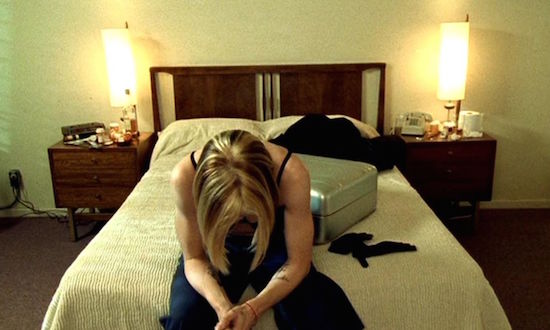
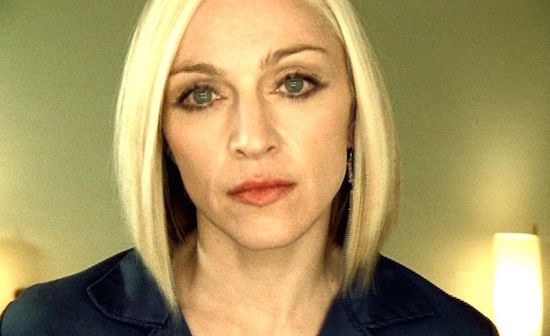
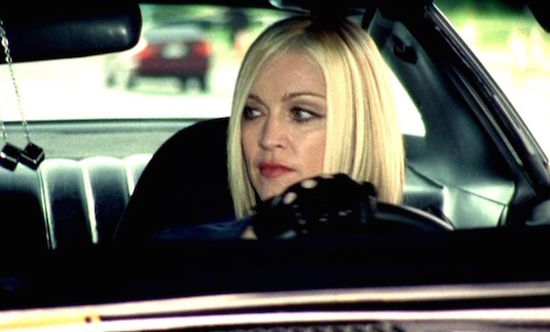
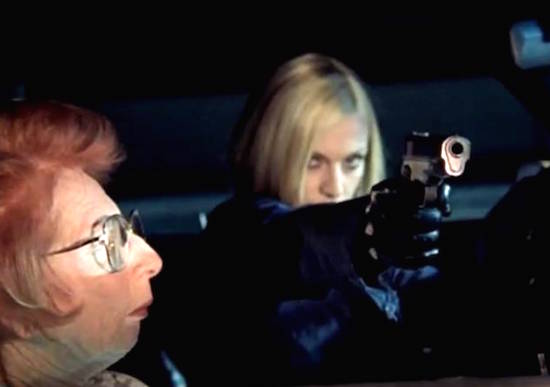
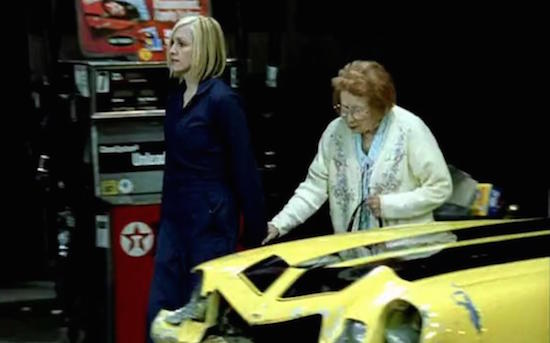
 Directed by her husband, British filmmaker Guy Ritchie (Snatch, Lock, Stock and Two Smoking Barrels), the clip depicts gunplay, violent assault and suicide — elements MTV and VH1 prohibit in any videos they air. In it, the pop diva portrays a self-described “nihilistic pissed-off chick” who cruises around town inflicting damage on any man that crosses her path.
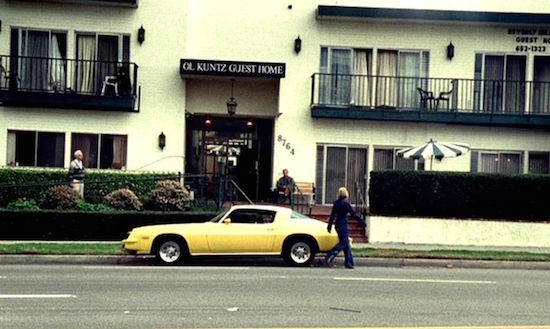
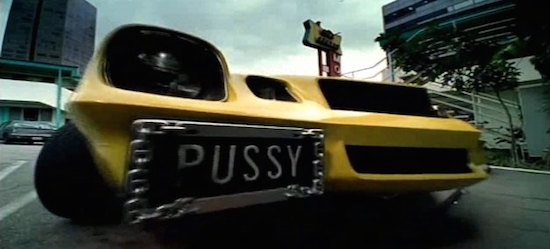
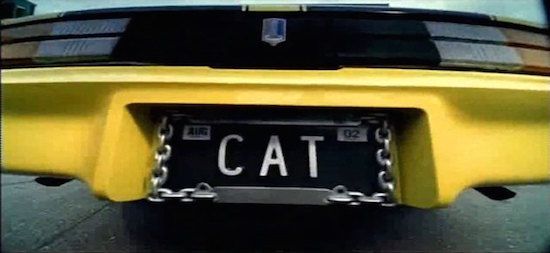
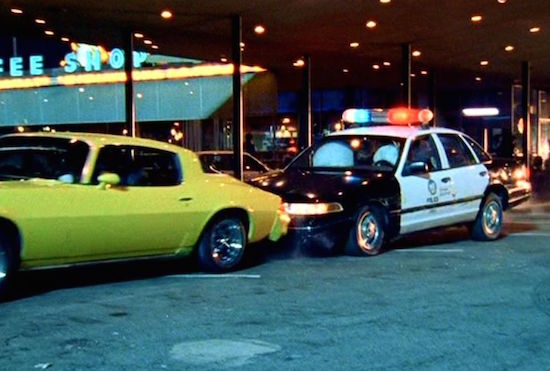
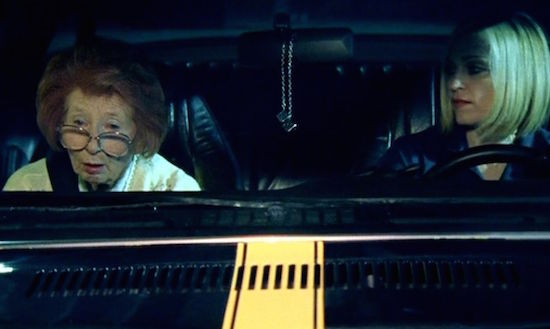
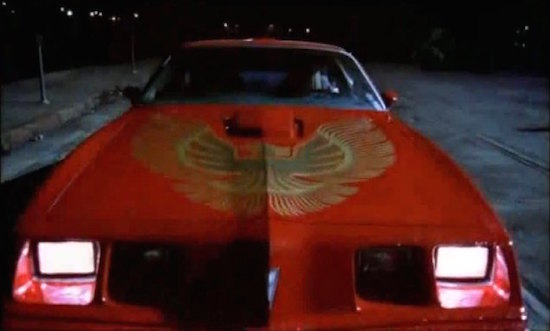
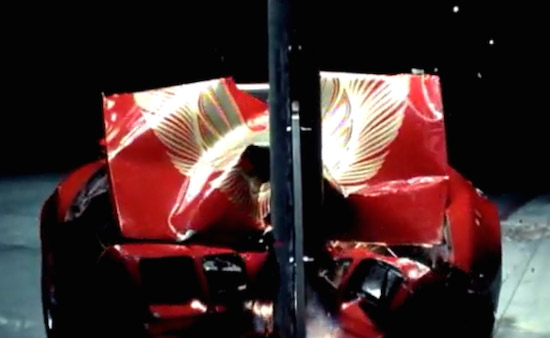
After picking up Grandma at the “Ol Kuntz Guest Home,” Madonna crashes into a car full of men who wink at her, threatens male police officers with a squirt gun before sideswiping their vehicle, and mugs a man at an ATM with a stun gun before wrapping her stolen car around a lamppost in what appears to be an intentional act.

The video “shows my character acting out a fantasy and doing things girls are not allowed to do,” Madonna said in a written statement distributed by her record label, Warner Bros. “This is an angry song and I wanted a matching visual with an edgy dance mix.”
Although What It Feels Like for a Girl won’t be added to the music channel’s regular rotation, MTV and VH1 will air the clip just once.

Today In Madonna History: March 21, 1994

madonna-ill-remember-video-1 madonna-ill-remember-video-2 madonna-ill-remember-video-3 madonna-ill-remember-video-4 madonna-ill-remember-video-5 madonna-ill-remember-video-6 madonna-ill-remember-video-7 madonna-ill-remember-video-8 madonna-ill-remember-video-9 madonna-ill-remember-video-10 madonna-ill-remember-video-11 madonna-ill-remember-video-12

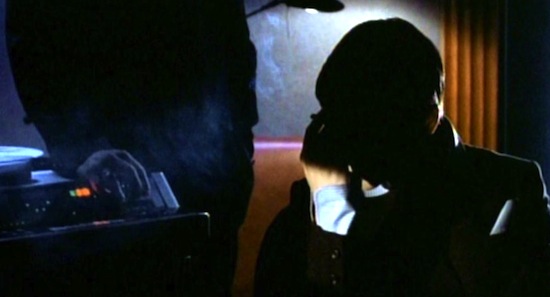
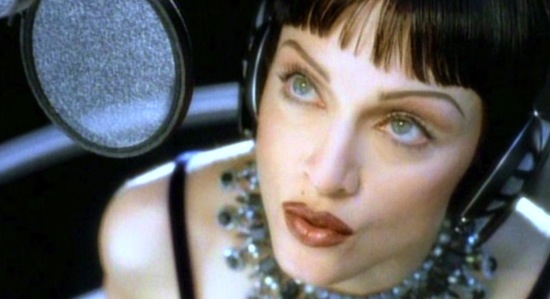
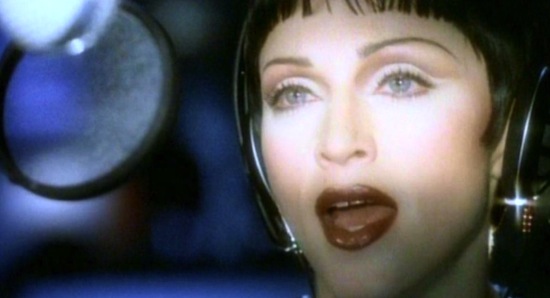
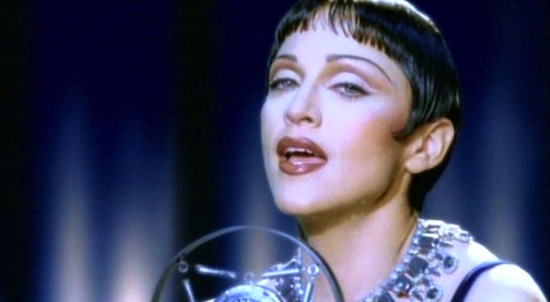
On March 21 1994,  Madonna’s I’ll Remember (Theme From With Honors) music video premiered on MTV.

The video was directed by Alek Keshishian. The androgynous portrayal of Madonna in the video, was appreciated critically for breaking gender barriers.

Today in Madonna History: March 20, 2012

girl-gone-wild-video-1 girl-gone-wild-video-2 girl-gone-wild-video-3 girl-gone-wild-video-4 girl-gone-wild-video-5 girl-gone-wild-video-6 girl-gone-wild-video-7 girl-gone-wild-video-7b girl-gone-wild-video-7c girl-gone-wild-video-7d girl-gone-wild-video-7e girl-gone-wild-video-9 girl-gone-wild-video-10

On March 20 2012, Madonna’s Girl Gone Wild video was released.

The black-and-white music video was directed by Mert Alan and Marcus Piggott. The video featured Madonna and a number of male models in different looks, dancing with the Ukrainian group Kazaky. It received critical acclaim for the editing and the visuals, while reviewers noted that it took inspiration from several past videos released by Madonna, such as Erotica, Justify My Love, Human Nature and Vogue.

Artur Gaspar from Kazaky recalled:

“By the end of the day on set, our feet were bleeding and we had blisters… But if Madonna can repeat the dancing for the 50th time, why can’t we?”

Today in Madonna History: March 19, 2021

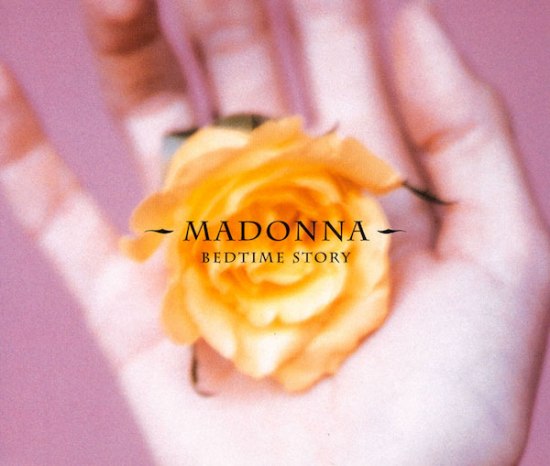
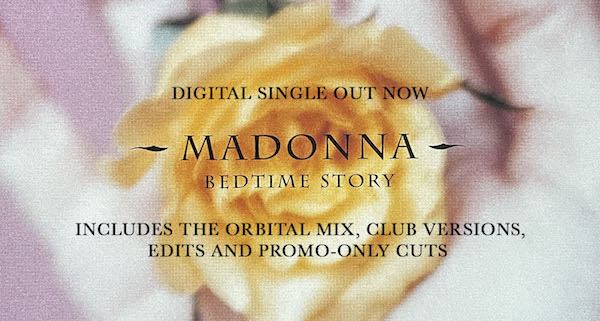
On March 19 2021, a new digital album or remix EP for Madonna’s Bedtime Story single was loaded to digital platforms.

The digital single was loaded with 15 remixes, including some promo-only cuts never before available commercially:

  1. Bedtime Story (Edit)
  2. Bedtime Story (Junior’s Wet Dream Mix)
  3. Bedtime Story (Junior’s Dreamy Drum Dub)
  4. Survival
  5. Bedtime Story (Orbital Mix)
  6. Bedtime Story (Junior’s Sound Factory Mix)
  7. Bedtime Story (Junior’s Single Mix)
  8. Bedtime Story (Junior’s Sound Factory Mix Edit)
  9. Bedtime Story (Junior’s Sound Factory Dub)
  10. Bedtime Story (Junior’s Wet Dream Dub)
  11. Bedtime Story (Lush Vocal Radio Edit)
  12. Bedtime Story (Lush Vocal Mix)
  13. Bedtime Story (Luscious Dub Mix)
  14. Bedtime Story (Percapella Mix)
  15. Bedtime Story (Unconscious in the Jungle Mix)

Today in Madonna History: March 18, 2005

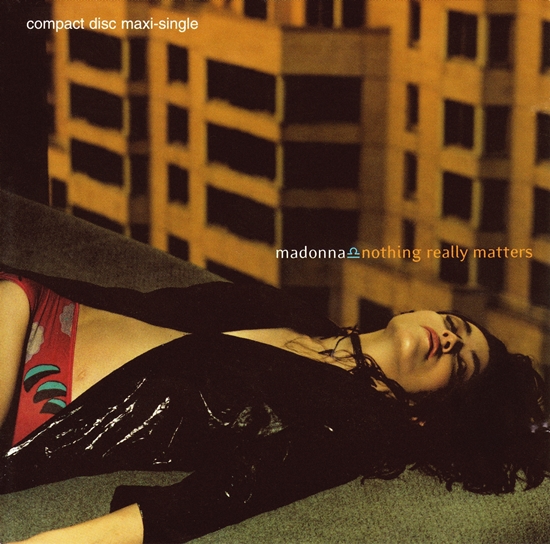
On March 18 2005, a resolution was reached in a UK copyright lawsuit (Coffey v Warner/Chappell Music Ltd. & Others) which alleged that elements of the Madonna & Patrick Leonard composition, Nothing Really Matters, had infringed on the copyright of claimant Elizabeth Coffey and her song, Forever After, performed by Peter Twomey.

The case took almost four years to reach the court and went under a considerable number of amendments by the plaintiff during that time. Coffey eventually alleged that the recording of Forever After included an original musical work, which consisted of the combination of vocal expression, pitch contour, and syncopation of or around the words “does it really matter,” but did not extend to the melody or lyrics surrounding those words.  She pleaded that the words “does it really matter” comprised the song’s lyrical hook and alleged that the copyright in Forever After was infringed by the defendants’ activities in relation to Nothing Really Matters.

In turn, the defendants moved to have the claim struck out as the method the plaintiff had identified the alleged copied elements was contrary to copyright law in general. Another defense offered was that, in any event, no copying had occurred.

The case was dismissed on the legal grounds that, in copyright, one cannot cherry pick the elements of the song that are the most similar in an attempt to build a stronger case. In his findings, the presiding Judge Blackburn, noted:
“The three somewhat elusive features identified by the claimant as her musical work cannot by any stretch of the imagination be said to be sufficiently separable from the remainder of the song as themselves to constitute a musical work. […] What the copyright work is in any given case is not governed by what the claimant alleging copyright infringement chooses to say that it is. Rather, it is a matter for objective determination by the court.”
A summary analysis and MIDI clip of the claimant’s song (which, incidentally, bears no perceivable resemblance to Nothing Really Matters) can be found here. The complete judgement in the lawsuit can be viewed here.