Today in Madonna History: September 8, 1983

lucky-star-1

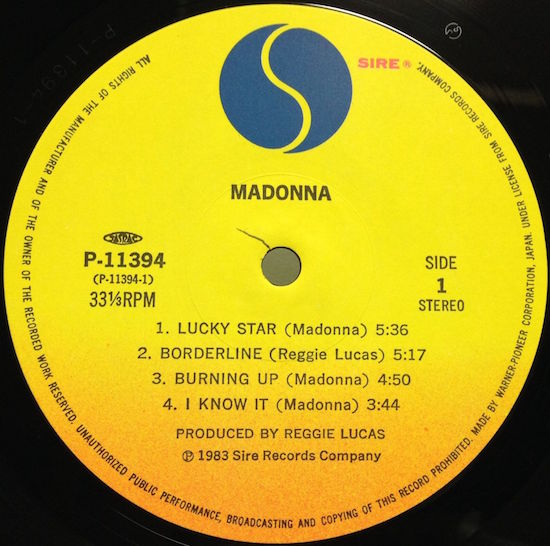
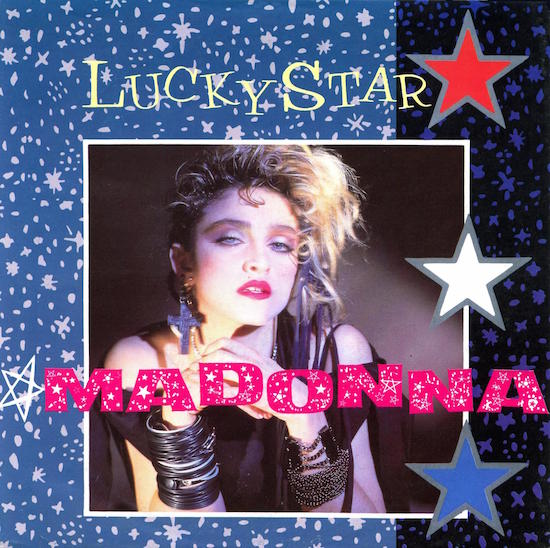
On September 8 1983, Madonna’s Lucky Star single was released in the UK.

Although Lucky Star was issued promotionally as a double A-side with Holiday in the US in September 1983, it was not released commercially in North America until August 1984 when it was issued as the final single from Madonna’s self-titled debut album.

Lucky Star was written by Madonna and produced by Reggie Lucas, with additional remixing by Jellybean Benitez. It is the most successful of her North American singles that were entirely self-written, reaching #4 on the U.S. Hot 100 and #8 in Canada (RPM Top 100). It was also her first Top-5 single in the U.S.

In the U.K., her self-written single Gambler was a bigger hit, reaching #4 in the fall of 1985, while Lucky Star peaked at #14.

Madonna wrote the song in 1982 after landing her first recording contract with Sire Records. It was rumoured to have been written about Mark Kamins, although we’re unsure whether that has ever been confirmed by Madonna herself.

Today in Madonna History: September 3, 1983

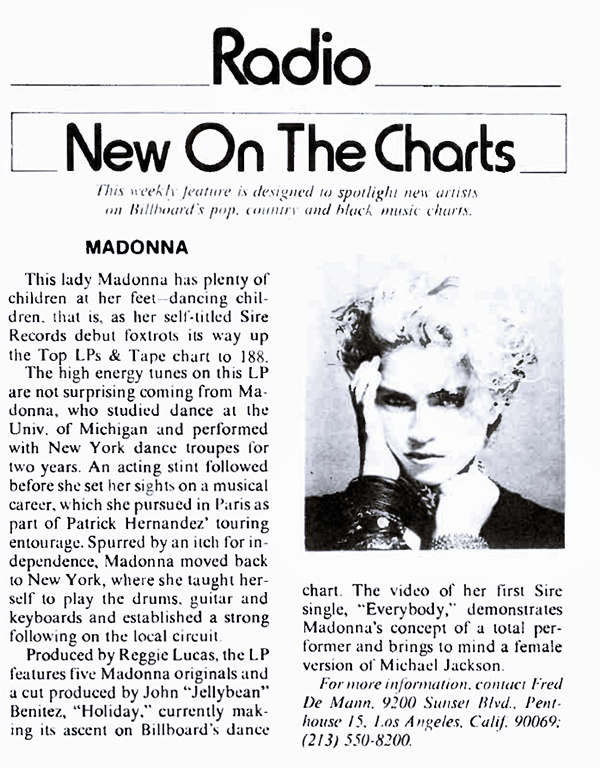
On September 3 1983, as Madonna’s first album entered the Billboard Top 200 Albums chart at # 190 in the U.S., the album was profiled for the second week in a row by Billboard magazine – this time being featured in the New On The Charts section (pictured above).

Today in Madonna History: August 27, 1983

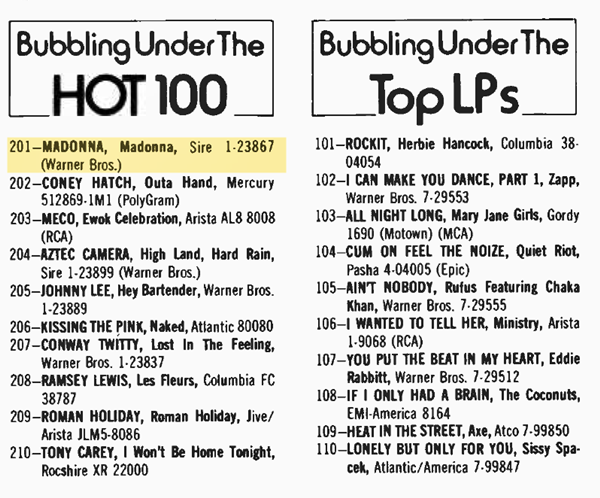
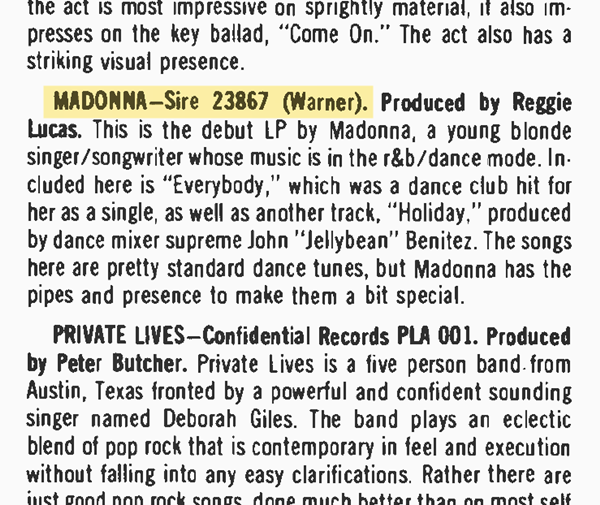
On August 27 1983, Madonna’s debut album was reviewed in Billboard magazine. In the same issue, the album made its chart debut at #201 on the Bubbling Under LP chart.

Today in Madonna History: April 21, 2018

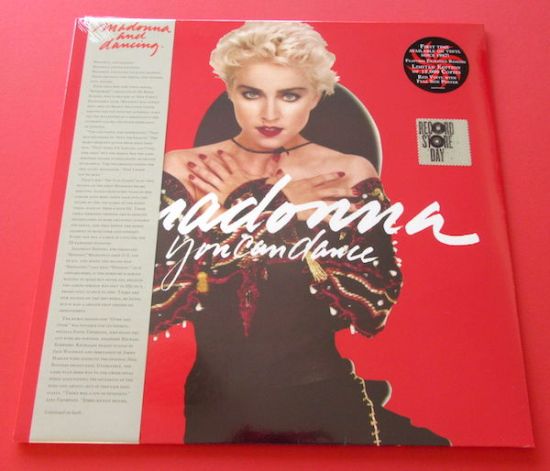
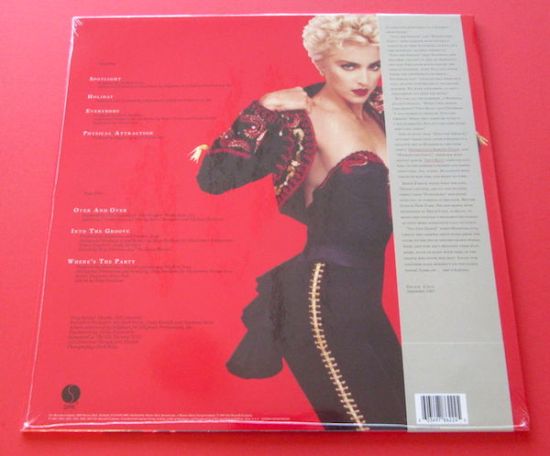
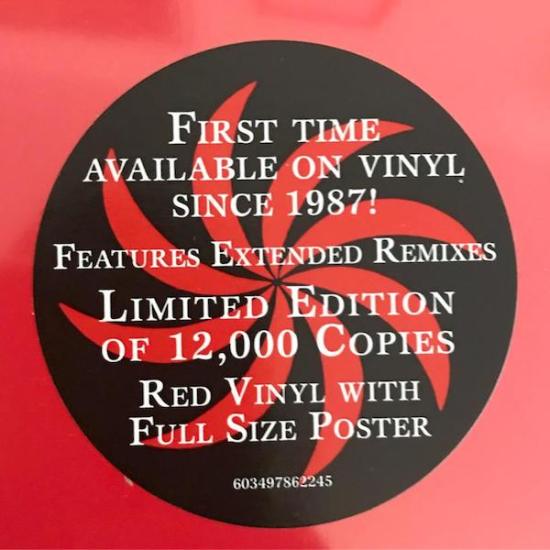
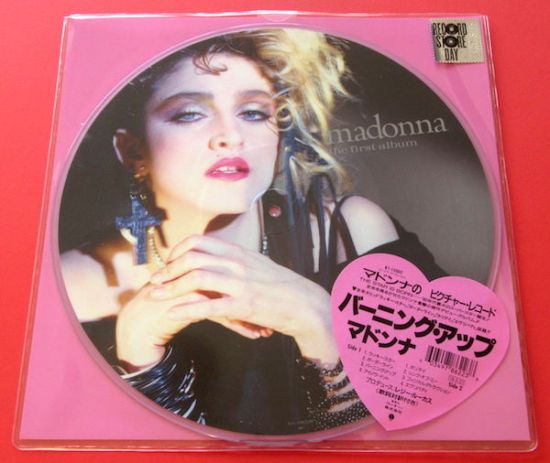
On April 21 2018, Rhino Warner released two limited edition Madonna albums for Record Store Day:

  • You Can Dance – re-released on vinyl for the first time in 30 years. The Record Store Day version was pressed on red vinyl and included the obi strip, custom hype sticker and folded poster.
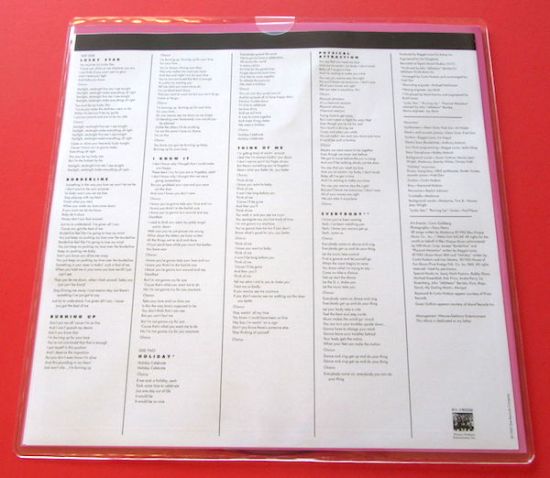
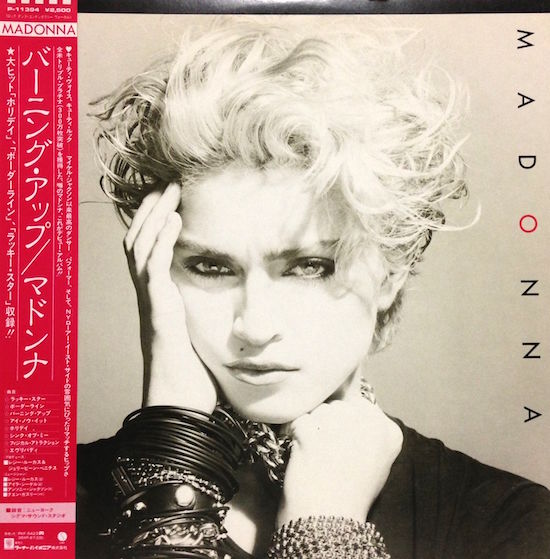
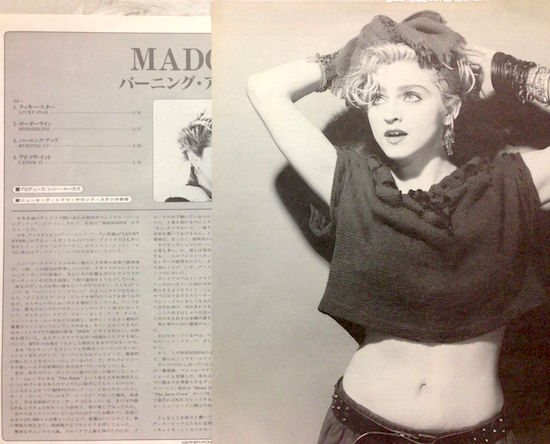
  • The First Album – re-released replica of the Japanese picture disc, repressed for the first time since 1987. Originally part of a 3-picture disc reissue set along with Like A Virgin and True Blue. Includes lyric insert notes in English and Japanese.

Today in Madonna History: November 16, 1989

first-album-debut-madonna-1 first-album-debut-madonna-2 first-album-debut-madonna-3 first-album-debut-madonna-4

On November 16 1989, Madonna’s eponymous album was ranked #50 in Rolling Stone magazine’s list of The 100 Greatest Albums Of The 1980s.

Here’s what Rolling Stone had to say of Madonna’s debut album:

Five years after arriving in New York City from her hometown of Pontiac, Michigan, Madonna Louise Ciccone had little to show for a lot of work. By 1982, she had managed to get only a few gigs singing with drummer Stephen Bray’s band, the Breakfast Club, at clubs like CBGB and Max’s Kansas City, and the future looked far from bright.

“I had just gotten kicked out of my apartment,” Madonna says, “so the band let me live in their rehearsal space at the Music Building, on Eighth Avenue. Stephen had keys to all the rehearsal rooms, so when I decided to make my own demos, we’d go into other people’s studios at night and use their four-track machines.”

Armed with a tape, Madonna began making the rounds of New York’s dance clubs. “I had heard that a lot of A&R people hung out at the clubs,” she says, “and I thought trying to go see them at their offices would be a waste of time.” It proved a good strategy: Through Mark Kamins, the DJ at Danceteria, the tape found its way to Sire Records, and Madonna was signed by label president Seymour Stein. “Seymour was in the hospital at the time,” she says. “I got signed while he was lying in bed in his boxer shorts.”

The contract with Sire guaranteed just one single, but it had options for recording albums as well. With Kamins producing, Madonna cut the moody disco track Everybody as her debut single. But when Sire picked up its option to record an album, she decided to try a different producer. “I wanted someone who’d worked with a lot of female singers,” she says.

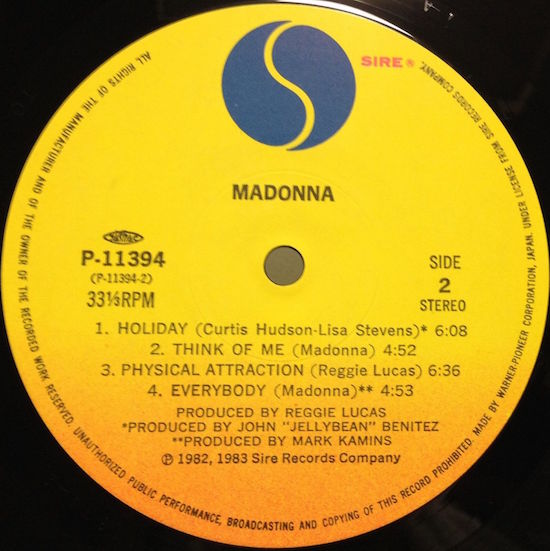
Reggie Lucas, the Grammy-winning songwriter who had produced Stephanie Mills and Roberta Flack, was selected. After recording the album’s second single, the Lucas-penned Physical Attraction, he and Madonna cut the rest of the album, with the exception of Holiday, which was produced by Jellybean Benitez.

“Things were very informal and casual,” Lucas says of the sessions. “It was my first pop project, and she was just a new artist. I had no idea it would be the biggest thing since sliced bread.”

Indeed, initial response to Madonna gave no indication of the mania to follow. It took a year and a half for the album to go gold. But its assured style and sound, as well as Madonna’s savvy approach to videos, helped the singer make the leap from dance diva to pop phenom, and it pointed the direction for a host of female vocalists from Janet Jackson to Debbie Gibson.

“It influenced a lot of people,” says Madonna, who cites Chrissie Hynde and Debbie Harry as her own musical heroes. “I think it stands up well. It just took a long time for people to pay attention to me —and I thank God they did!”

Today in Madonna History: July 7, 1984

On July 7 1984, Warner Bros. Records took out a full-page ad in Billboard magazine to congratulate Madonna on the Gold certification of her self-titled debut album.

The ad featured the first look at a new photo shoot Madonna had recently completed with Steven Meisel. This image would later appear on the back cover of her next album, Like A Virgin.

Today in Madonna History: April 25, 2017

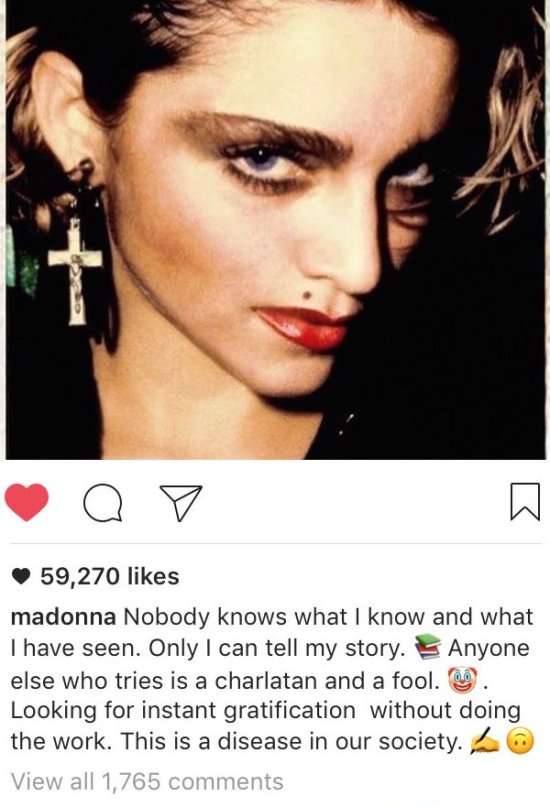
On April 25 2017, Madonna responded to reports of a new biopic being produced by Universal:

“Nobody knows what I know and what I have seen. Only I can tell my story. Anyone else who tries is a charlatan and a fool looking for instant gratification without doing the work. This is a disease in our society.”

According to Variety, Universal had no comment, but had this to say about the biopic:

The studio won an auction Monday for Elyse Hollander’s “Blonde Ambition” screenplay about Madonna’s first album.

“Blonde Ambition” led the 2016 version of the Black List — an annual ranking of the best un-produced screenplays in Hollywood. Hollander’s script received 49 votes among the 250 executives voting. The project details Madonna’s efforts in the early 1980s in New York City to get her first album released while navigating fame, romance, and the dismissive attitude of the music industry at the time.