Today in Madonna History: July 17, 1993

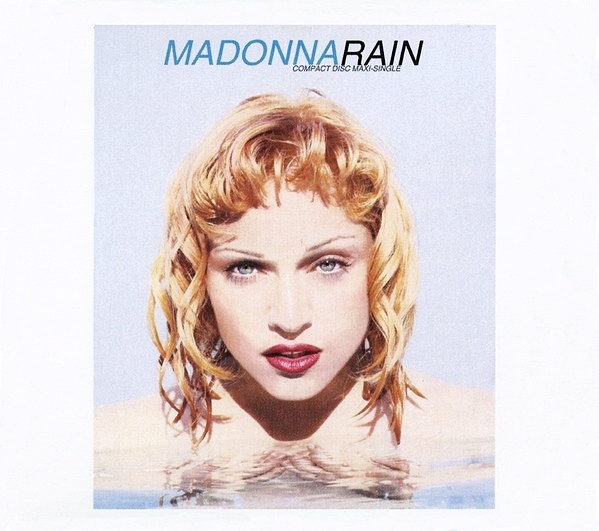
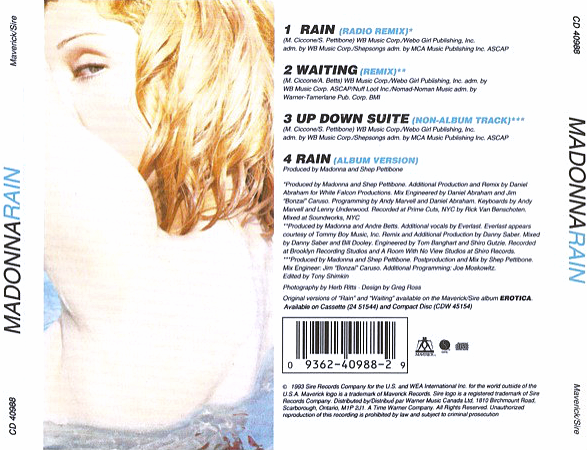
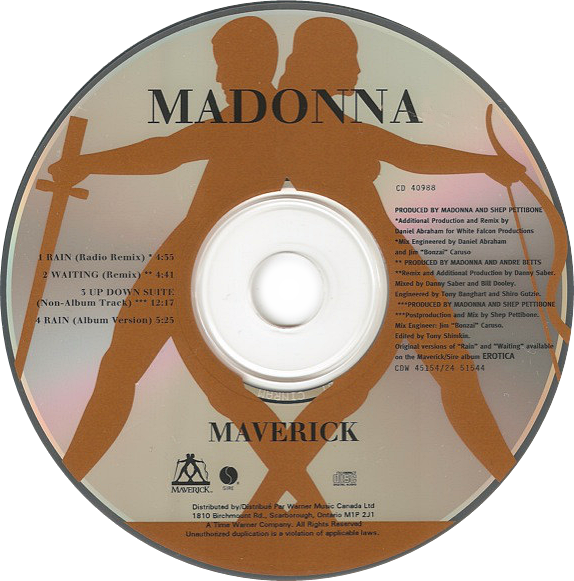
On July 17 1993, Rain was released as a single in North America. It was the fourth and final North American single from the Erotica album.

Following a cold reception to Madonna’s previous North American single – the bleak-but-beautiful Bad Girl Rain was given a glossy makeover by French record producer Daniel Abraham (who had recently completed a similar assignment with the video remix of Fever) to help ensure that it would receive a warmer welcome from radio programmers. The U.S. promotional CD that was serviced to radio by Maverick/Warner offered the choice between the sweetened “Radio Remix” (in full-length and edited form) or an edited album version, the latter of which was fittingly used in the song’s gorgeous music video.

As her label had correctly predicted, radio indeed favored the smoother sound of the “Radio Remix” over the darker, more dynamic (and in our opinion, more interesting) production-work of the album mix.

While not an all-out smash hit, Rain was the first single from the Erotica album to impact Billboard’s Hot AC chart, where it reached the Top 10, and it is generally viewed as an initial recovery step following the backlash Madonna had faced in the wake of the Sex book.

rain lyrics 550

Written and produced by Madonna & Shep Pettibone (unlike the majority of the tracks from Erotica, Tony Shimkin has not been added as co-writer, according to the Warner-Chappel publishing database), Rain was one of the earliest songs conceived during the Erotica album sessions. It appears as the first track on a two-cassette collection of demos from the album sessions submitted to the U.S. Library Of Congress for copyright registration.

The infamously sought-after set is often referred to by fans as The Rain Tapes because of the song’s prominent placement in its sequencing and also due to the likely unintentional visual prominence of the song’s title in the handwritten sleeve notes that accompanied the tapes.

Shep Pettibone created the song’s interesting use of panning percussion by digitally cutting and splicing samples of percussion breaks from an extended version of Scritti Politti’s 1985 hit, Perfect Way (and no, he was not involved with creating the remix). Although no sample credit was given on the album, considering the royalties the band would have earned for their inclusion on Madonna’s Who’s That Girl soundtrack, perhaps she figured that they owed her one.

Rain US Cassette Maxi Single Inner Sleeve

The Rain maxi-single was perhaps most notable for its inclusion of a non-album track, Up Down Suite, which was for all intents and purposes a dub remix of album outtake, Goodbye To Innocence (which remained unreleased at the time, aside from some vocal samples used in a promo-only remix of Fever). A new remix (featuring Everlast) of the Erotica album track, Waiting, was also included on the North American maxi-single, while its album version served as the single’s North American b-side.

With its poetically poignant and emotionally charged lyrics, percussive urgency and one of Madonna’s most ambitious uses of layered self-harmonization (not to mention it being accompanied by one of the most beautiful music videos ever created), it isn’t difficult to understand why Rain remains an enduring fan favorite.

“It’s strange
I feel like I’ve known you before
And I want to understand you
More and more and more
When I’m with you
I feel like a magical child
Everything strange
Everything wild

Waiting is the hardest thing
I tell myself that if I believe in you
In the dream of you
With all my heart and all my soul
That by sheer force of will
I will raise you from the ground
And without a sound you’ll appear
And surrender to me, to love”

Today in Madonna History: May 10, 2003

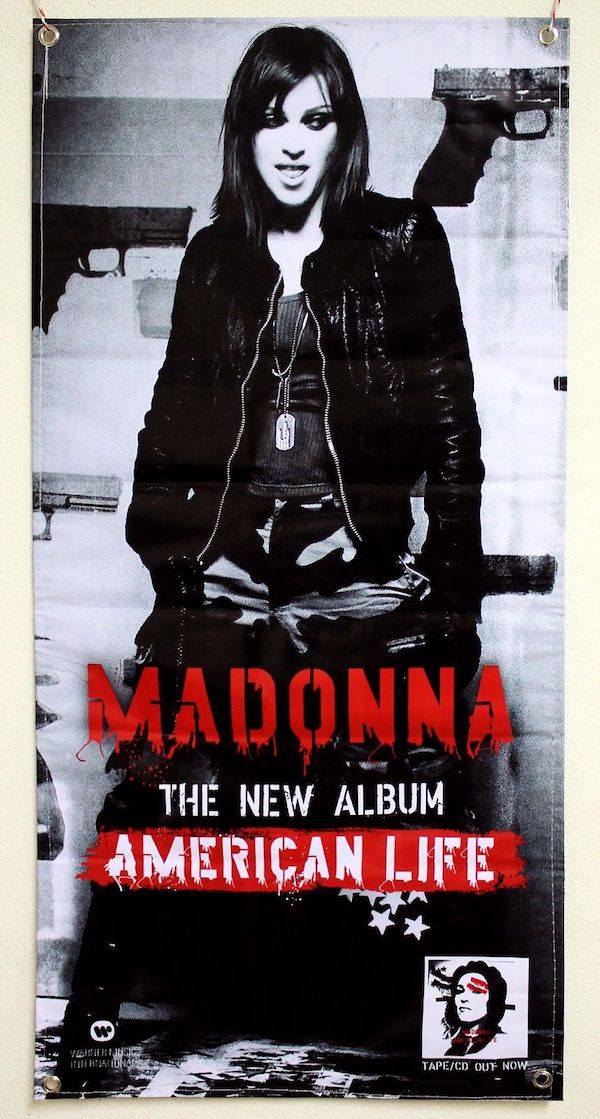
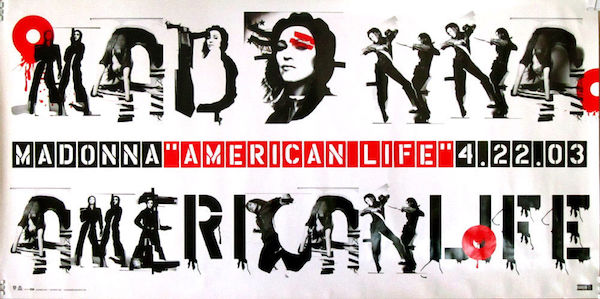
On May 10 2003, Madonna’s American Life album reached #1 on the Billboard 200 Albums Chart in the USA.

In 2008, Sal Cinquemani had this to say about American Life in Slant magazine:

In hindsight, American Life isn’t the masterpiece that Erotica so quickly revealed itself to be. It’s frequently self-indulgent, misguided, unpleasant, difficult to listen to, silly yet somehow humorless, but it’s also consistent, uncompromising, and unapologetic. The album is a testament to the artist’s willingness to take risks and her refusal to stay inside her comfort zone. In the grand scheme of things, the album might rank as one of the weakest in Madonna’s extensive catalog, and the ones that followed have been as good, if not better, but American Life stands as the last time Madonna seemed to make music without the primary objective of scoring a hit. It’s interesting to imagine what Madonna’s career would look like today had American Life been a success: For better or worse, that pink leotard and Justin duet might never have existed.

Today in Madonna History: April 30, 2020

On April 30 2020, Madonna’s 1994 Bedtime Stories album topped the U.S. iTunes Albums Chart after her fans kicked of th #JusticeForBedtimeStories campaign.

This is how the Daily Mail reported it:

More than 25 years after its initial release, one of Madonna’s most under-appreciated albums is getting some love.

Bedtime Stories, the Material Girl’s sixth studio album released in 1994, shot to the top position of the U.S. iTunes chart on Thursday, thanks to a fan-led hashtag campaign ‘#JusticeForBedtimeStories’.

The campaign follows in the footsteps of #JusticeForEMC2, a similar move made by the Mariah Carey fandom in support of her 2008 album, as well as an effort on behalf of Janet Jackson’s 1986 record Control.

Madonna’s Bedtime Stories marked a transitional time in the career of the now 61-year-old performer, after she pushed the envelope with 1992’s salacious Erotica album and the publication of her Sex book, and before her Golden Globe-winning role as buttoned-up Evita Peron in 1996’s musical film Evita.

And while Bedtime Stories‘ final track, Take A Bow, spent seven weeks at number one on the Billboard Hot 100 – to date her longest-running number-one single – only one of the album’s other singles, Secret, managed to break the top 10.

Still, Bedtime Stories remains to this day one of Madge’s most cohesive and melodic albums, containing one of her best songs of all time – the brazen and unapologetic anthem Human Nature.

Today In Madonna History: February 27, 1993

On February 27 1993, Madonna’s Bad Girl hit #60 (second week on the chart) in the USA, after a #75 debut the week before (February 20 1993).

Bad Girl is the only single release off of Madonna’s Erotica album that she did not perform on her Girlie Show World Tour of 1993.

Today in Madonna History: January 30, 1993

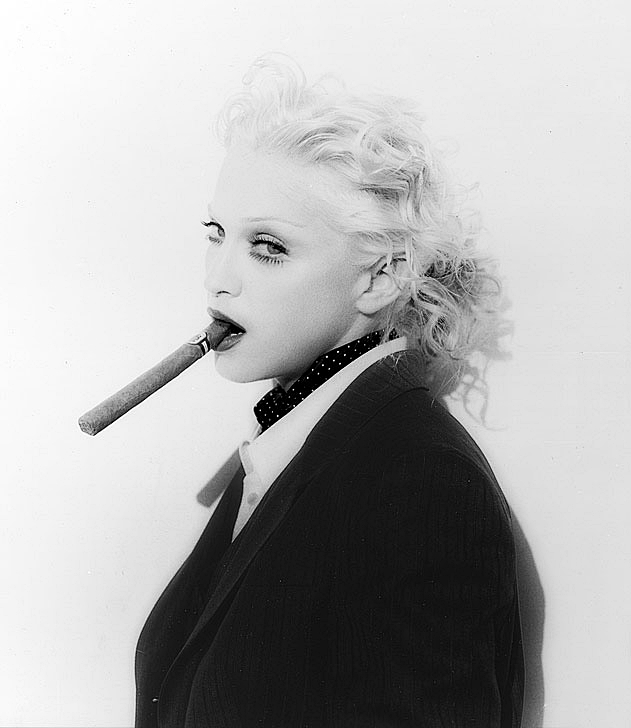
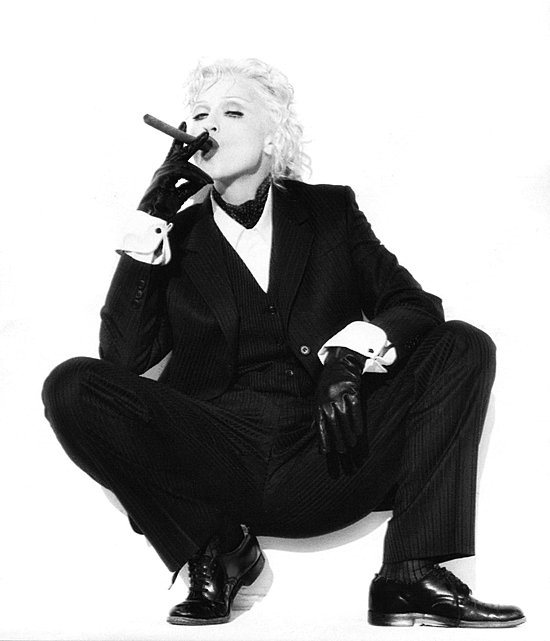
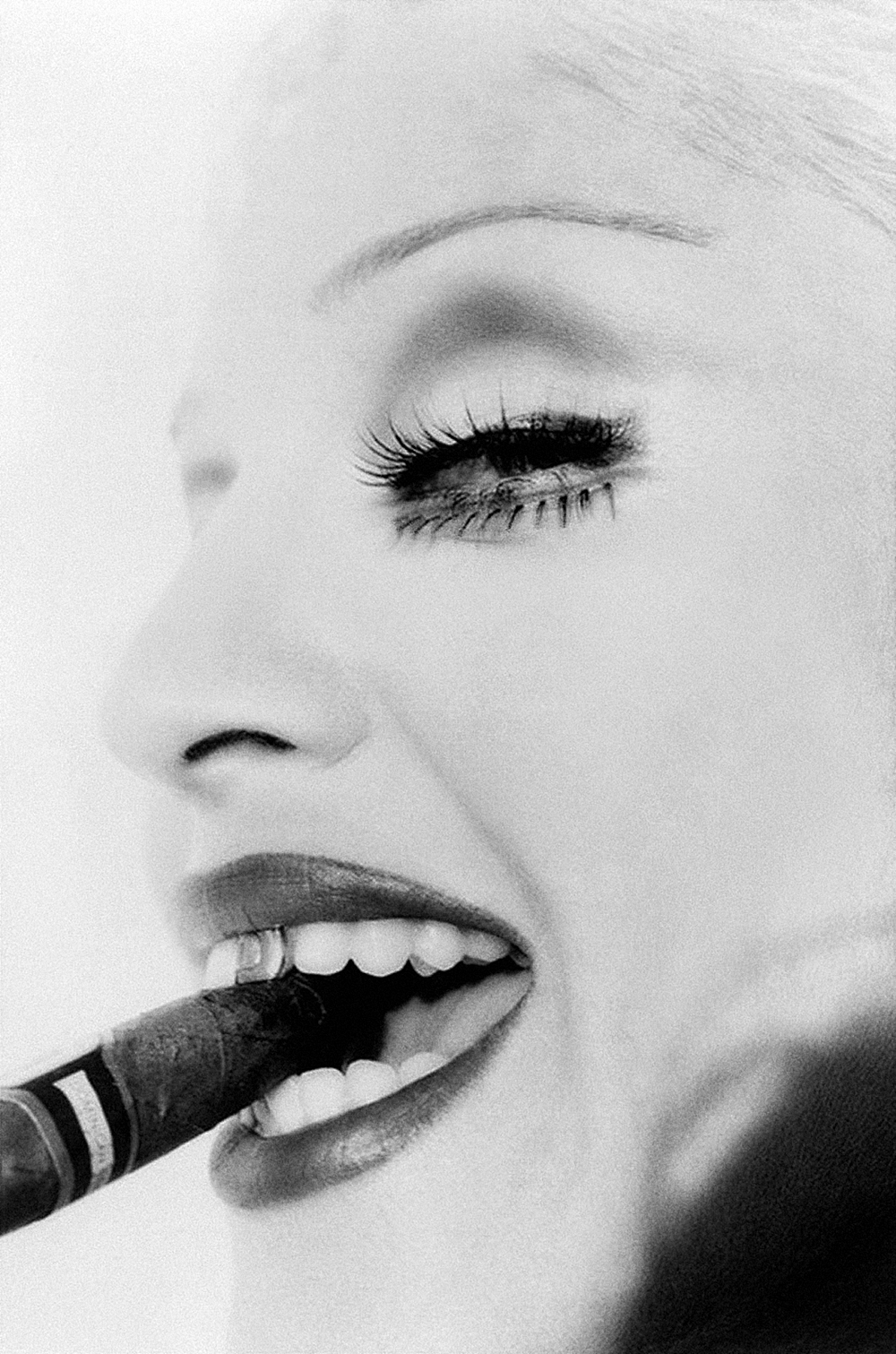
madonna-wayne-maser-deeper-and-deeper-1 madonna-wayne-maser-deeper-and-deeper-2 madonna-wayne-maser-deeper-and-deeper-3 madonna-wayne-maser-deeper-and-deeper-4 madonna-wayne-maser-deeper-and-deeper-5 madonna-wayne-maser-deeper-and-deeper-6 madonna-wayne-maser-deeper-and-deeper-7

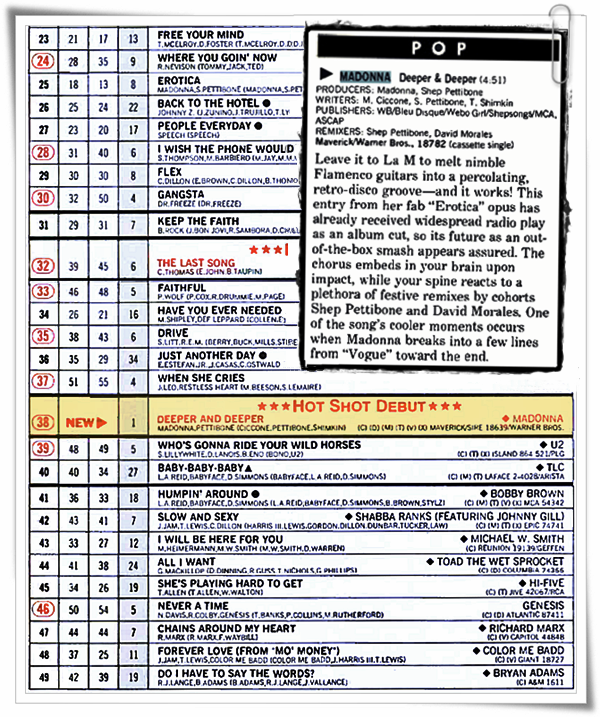
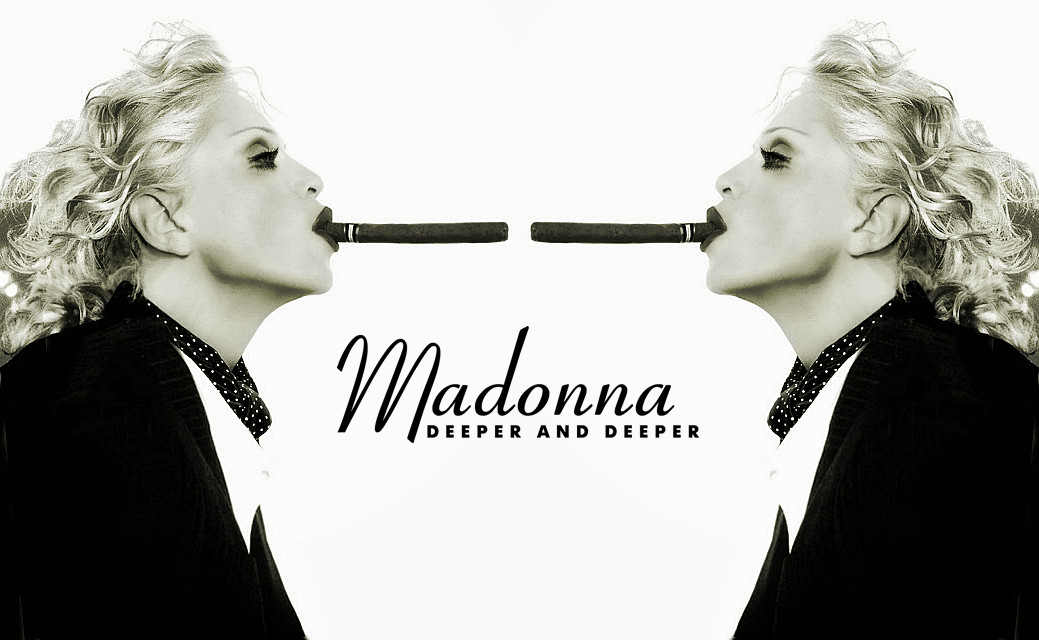
On January 30 1993, the second single from Madonna’s Erotica album, Deeper and Deeper, hit #7 on the Billboard Hot 100 in the USA.

Slant Magazine ranked Deeper and Deeper at number 33 on their list of 100 Best Singles of the 1990s:

“Among Madonna’s finest achievements, the angsty pop anthem Deeper and Deeper is both an acute distillation of Erotica ’​s smut-glam decadence and the singer’s lifelong blond ambition.”

Today in Madonna History: December 8, 1992

Deeper & Deeper CDMS 1 Deeper & Deeper CDMS 2 Deeper & Deeper CDMS 3

On December 8 1992, Deeper and Deeper was released by Maverick Records as the second single from Erotica.  The song was written by Madonna, Shep Pettibone & Anthony Shimkin and was produced by Madonna & Pettibone.

“Someone said that romance was dead
And I believed it instead of remembering
What my mama told me
Let my father mold me
Then you tried to hold me
You remind me what they said
This feeling inside
I can’t explain
But my love is alive
And I’m never gonna hide it again”

Today in Madonna History: October 19, 1981

On October 19 1981, Madonna performed at Uncle Sam’s Blues Club in Roslyn, NY. Her manager at the time, Camille Barbone, had hired photographer George DuBose to capture Madonna’s two sets that evening.

Madonna’s band during the show consisted of Bob Riley on drums (later replaced by Steve Bray), John Kumnick on bass, Jon Gordon on guitar (later replaced by Paul Pesco) & David Frank on keyboards. When Madonna terminated her management agreement with Barbone in early 1982, she continued her working relationship with Bray, Pesco & Frank.

Steve Bray would co-write tracks that would appear on Madonna’s demo tape which landed her a recording contract with Sire Records later that year, and their collaboration remained successful throughout the 80’s.

Paul Pesco played guitar (along with Madonna herself) on the aforementioned demo and would also appear on Madonna’s self-titled debut album and her first concert tour, The Virgin Tour. Years later, he played on the Erotica album and joined Madonna’s touring band again for The Girlie Show in 1993.

David Frank, who soon found success as half of the electronic music duo The System, co-wrote an early version of Crimes Of Passion with Madonna before she decided to rewrite the music with Bray. The System’s hit In Times Of Passion is based on his ideas for the song but feature new lyrics from The System’s vocalist, Mic Murphy. Frank was also involved with the mysterious Otto Von Wernherr demos, believed to have been recorded in early 1982 prior Madonna’s deal with Sire, as he is credited for arrangement on the 1986 Japanese 12-inch release of Cosmic Climb (his name was subsequently omitted from Wernherr’s later releases).

Interestingly, The System’s other half, Mic Murphy, co-wrote the unreleased Erotica-era demo Dear Father with Madonna in the early 90’s. Pesco, who may have played guitar on this demo given his involvement during the album sessions, was also the guitarist for The System.