Today in Madonna History: October 5, 1985

dress-you-up-canadian-cms dress-you-up-us-12inch

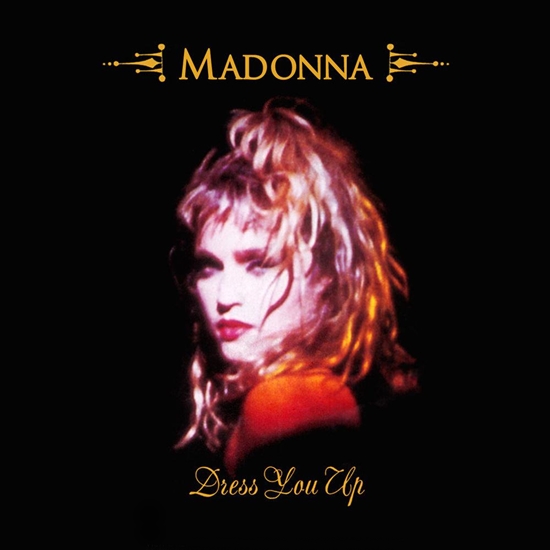
On October 5 1985, Dress You Up peaked at #5 on the Billboard Hot 100 in the U.S.

The song also spent the first of a four-week run at #1 on the 12-inch Singles Sales chart and peaked at #3 on the Club Play chart in the same issue.

Today in Madonna History: September 8, 1983

lucky-star-1

On September 8 1983, Madonna’s Lucky Star single was released in the UK.

Although Lucky Star was issued promotionally as a double A-side with Holiday in the US in September 1983, it was not released commercially in North America until August 1984 when it was issued as the final single from Madonna’s self-titled debut album.

Lucky Star was written by Madonna and produced by Reggie Lucas, with additional remixing by Jellybean Benitez. It is the most successful of her North American singles that were entirely self-written, reaching #4 on the U.S. Hot 100 and #8 in Canada (RPM Top 100). It was also her first Top-5 single in the U.S.

In the U.K., her self-written single Gambler was a bigger hit, reaching #4 in the fall of 1985, while Lucky Star peaked at #14.

Madonna wrote the song in 1982 after landing her first recording contract with Sire Records. It was rumoured to have been written about Mark Kamins, although we’re unsure whether that has ever been confirmed by Madonna herself.

Today in Madonna History: September 3, 1983

On September 3 1983, as Madonna’s first album entered the Billboard Top 200 Albums chart at # 190 in the U.S., the album was profiled for the second week in a row by Billboard magazine – this time being featured in the New On The Charts section (pictured above).

Today in Madonna History: August 27, 1983

On August 27 1983, Madonna’s debut album was reviewed in Billboard magazine. In the same issue, the album made its chart debut at #201 on the Bubbling Under LP chart.

Today in Madonna History: August 23, 1986

On August 23 1986, Papa Don’t Preach spent the first of two weeks at #1 on Billboard’s Hot Maxi-Singles Sales chart.

Despite being more of a pop/rock song than a club-oriented cut – both in its original form and in Stephen Bray’s extended remix version – Papa Don’t Preach nevertheless managed to reach #4 on Billboard’s August 30th Hot Dance/Club Play chart due to the massive buzz surrounding the song and its undeniable crossover appeal.


Today in Madonna History: August 15, 1992

On August 15 1992, This Used To Be My Playground spent the first of three weeks at #1 on the RPM Canadian Top 100 Singles chart. In RPM’s year-end tally of the biggest hits of 1992 in Canada, the hit placed at #8.

This Used To Be My Playground was written by Madonna, Shep Pettibone & Tony Shimkin (although he was not originally credited) and produced by Madonna & Pettibone.

In an interview with the fan site MadonnaTribe, Shimkin recalled a last-minute dash to complete the recording of the song’s orchestral parts:

“When we recorded it with Al Schmidt at Ocean Way studio in L.A., we had a 30-piece orchestra and Jeremy Lubbock did the string arrangements, (but) we never included the demo that had the solo string part in it when we had him chart everything out for the orchestra,” revealed Shimkin. “On the day we were recording, we thought we were done and realized we forgot the solo. I quickly sang the part to the copyist, who then charted it out for the violin players, and they got it recorded with one minute to spare on the clock. When you have a thirty piece orchestra, it can be super expensive to roll into a second hour of their time!”

Today in Madonna History: August 10, 1985

into the groove franceinto the groove uk press promodss into the groove ad 550

On August 10 1985, Into The Groove spent the first of four weeks in the number-one position on the UK Singles Chart. It was Madonna’s first chart-topping single in the UK, where she has collected a total of thirteen number-one hits to date.

As an added validation, Into the Groove was Madonna’s first attempt at co-producing a song. While artists co-producing their own work is common today, it was relatively unusual at the time, particularly for female artists. The immense success of the single undoubtedly helped convince the powers at Sire/Warner to grant Madonna the artistic freedom to co-produce her next album, True Blue, together with her collaborators Stephen Bray and Patrick Leonard.