On November 17 1993, Madonna arrived in Sydney, for the start of the Australian leg of her Girlie Show World Tour and it didn’t take long before she was making stirring up controversy over a gift she received.

On November 17 1993, Madonna arrived in Sydney, for the start of the Australian leg of her Girlie Show World Tour and it didn’t take long before she was making stirring up controversy over a gift she received.

On November 16 1994, Madonna began filming Four Rooms in Los Angeles.
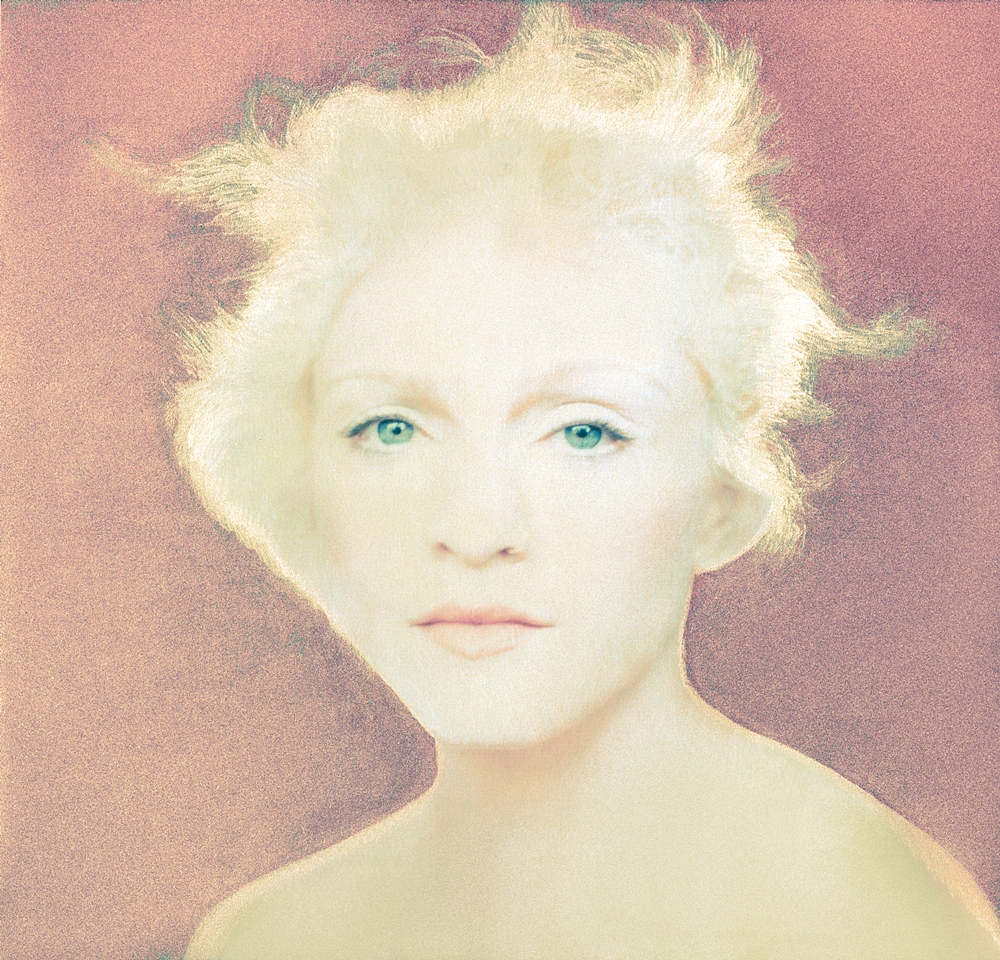
Madonna played one of the witches, Elspeth, in the first segment of the film called, The Missing Ingredient, directed by Alison Anders. Other actresses playing witches in the coven included: Valeria Golino (Athena), Alicia Witt (Kiva), Sammi Davis (Jezebel), Lili Taylor (Raven), Ione Skye (Eva) and Amanda de Cadenet (Diana).
This beautiful illustration of Elspeth is by Sarah Hedlund Design. Check out Sarah’s Facebook and webpage to see more of her amazing work! We have published Sarah’s version of Elspeth with her permission.

On November 15 1986, Billboard reported that a 6-track Madonna remix EP titled You Can Dance, initially scheduled for a 1986 pre-Christmas release, would be delayed until the following year to avoid affecting holiday sales of her still red-hot True Blue LP.
The article also mentions Madonna’s upcoming film, Slammer (later retitled Who’s That Girl), her track for Nick Kamen, the video for her next single, Open Your Heart, touring plans and more.
Stay tuned for a third and final installment on the You Can Dance delay…
On November 13 1997, the Rolling Stone magazine Women of Rock issue, featuring Madonna, Tina Turner and Courtney Love on its cover was released.
The photoshoot took place on October 21, and according to Madonna, the ladies had fun figuring out what music to listen to during the shoot:
“There was a bit of a skirmish over who was going to play what. We finally agreed that every other CD was mine and every other CD was Courtney’s and we sort of went back and forth. But the ultimate song that we ended up dancing to all the time was the MC stereo remix of the Tricky song, which is a very good song to dance to.”
Tina had this to say about working with Madonna and Courtney:
“It was like working with kids. You know I’ve always had Ikettes for dancers, so they were pretending a few times that they were my dancers. They had all kinds of pretence going on, but it was always built around me being the mother of the two in some kind of way. In terms of ‘Tina is this and we are that,’ and I was laughing the whole time, honestly. If the photograph comes out with me really laughing seriously, it was because of their reaction to each other. It was wonderful.”
Madonna was introduced to longtime stylist, Arianne Phillips, at the photoshoot. Phillips had been working as Courtney Love’s personal stylist at the time and ended up styling both Courtney and Madonna during the shoot by photographer Peggy Sirota.

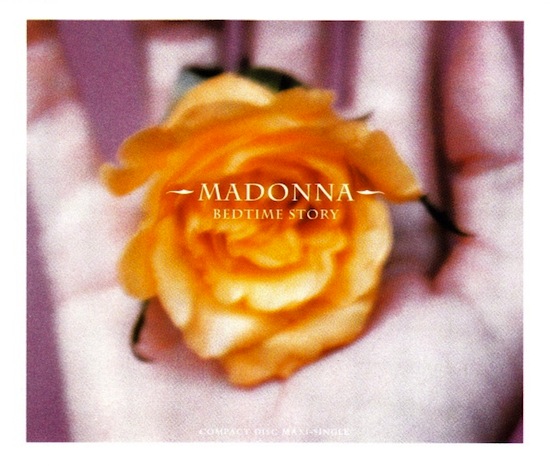
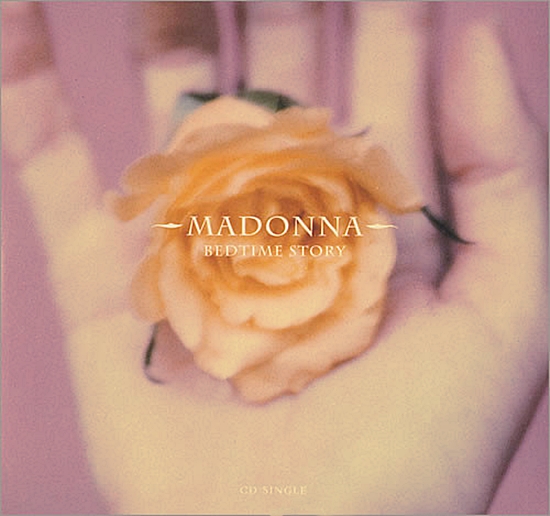
On November 12 1994, Madonna’s Bedtime Stories was the week’s highest debut on the Billboard 200 album chart, peaking at #3 with sales of 145,000 units.
While the figure represented a 15% drop in first-week sales from her previous long player, Erotica, the album proved to be a commercial grower in America – where the runaway success of its second single, Take A Bow, would push its overall U.S. sales tally well beyond that of its predecessor.
Underscoring urban/r&b music’s U.S. chart domination at the time, Bedtime Stories was held back from the top spot by the Murder Was The Case soundtrack (performed by Snoop Doggy Dogg) and Boyz II Men’s II.
On November 11 1989, the music video for Oh Father premiered on MTV in the US. Filmed at Culver Studios, California in late October, 1989 by director David Fincher, the black & white clip drew cinematic influence from the 1941 Orson Welles film, Citizen Kane. Its narrative expanded on darker elements from Madonna’s life – focusing on the death of her mother, her relationship with her father and the recurring effects of childhood trauma in her adult life. The clip’s icily detached symbolism and heavy subject matter are counter-balanced by overarching themes of forgiveness and inner-strength.
In a 2009 interview with The Guardian, Fincher recalled:
“I had kinda talked Madonna into releasing Oh Father as a single and we did this video and were very happy with the video – but nobody ever saw it because the song wasn’t a hit.”
Although the video was put into rotation on MTV, the channel had requested that Madonna remove a scene that displayed a close-up of the deceased mother’s lips sewn shut – a request that she refused to consider. Compounded by a tepid response to the song from radio, where its bleak overtones clashed with playlists of the day, the single stalled at number twenty in the US – her lowest peak on the Hot 100 at the time (excluding her first two singles, neither of which broke into the Hot 100). In Canada the video was put into heavy rotation and the release fared slightly better on the charts, peaking at number fourteen.
Despite its relative lack of commercial appeal, the song and video are frequently cited as a creative triumph for Madonna by fans and critics alike.