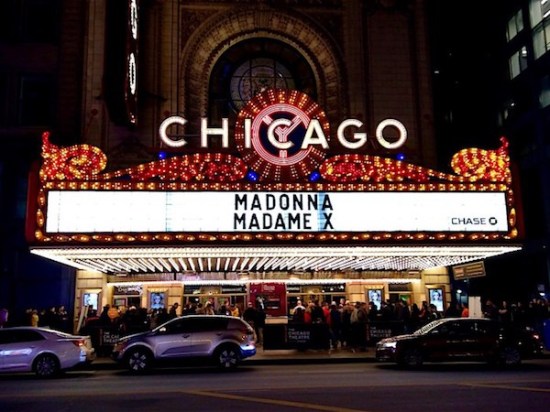
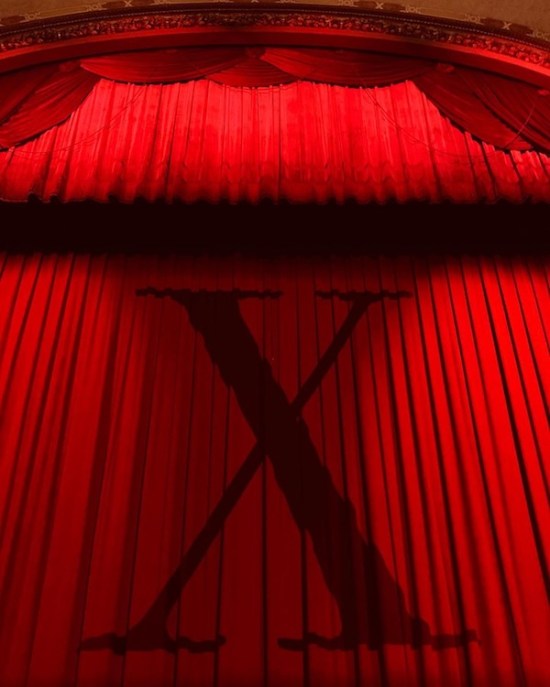
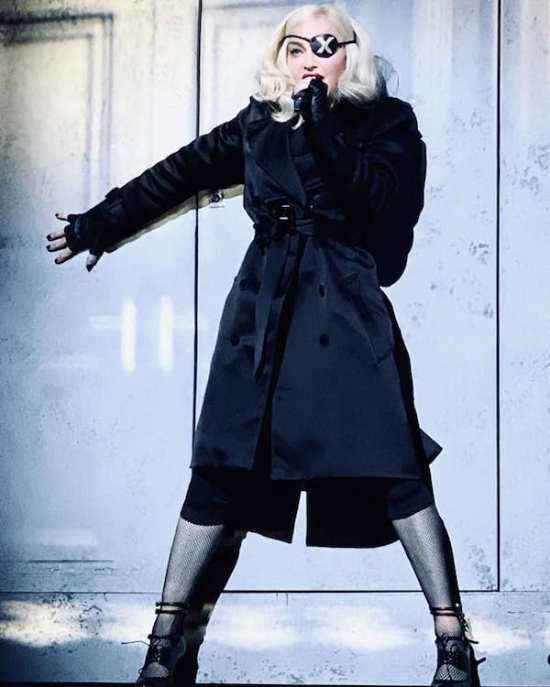
On October 17 2019, The Chicago Tribune published Britt Julious’ review of Madonna’s first Madame X Tour show at the Chicago Theatre (the first of seven shows):
Madonna fears no one at the Chicago Theatre in a late-night, cellphone-free clash between old and new
Madonna does what she wants, when she wants, for whatever reason she wants. In fact, the Madonna of today may be more stubborn. Yes, she has amassed a trove of hits from each decade of her career. But the hits matter less to the artist than the intention behind her music.
Known as something of a chameleon, Madonna made a case for the interconnectedness of her total body of work during the first night of the Chicago leg of her intimate, cellphone-free Madame X tour. A small number of older songs were carefully intertwined with a heavy selection of tracks off her latest album, “Madame X,” to tell the story of this new character. And who is Madame X?
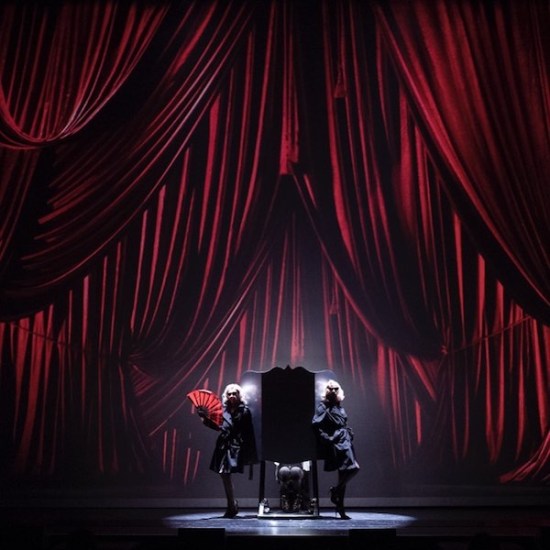
A freedom fighter, for one. Dance is politics. Music is politics. Madonna laid plain the intentions of each “Madame X” show from the start. On stage was very little in the beginning, just a silhouette of a woman at a typewriter, a large black screen, and a fit young dancer jerking his limbs to the rhythm of each keystroke. Behind him, a 1961 quote by James Baldwin splashed across the screen: “Artists are here to disturb the peace.” Get the picture? This is not a moment of nostalgia for Madonna. But if you’re interested in “waking up,” in getting uncomfortable, then stick around.
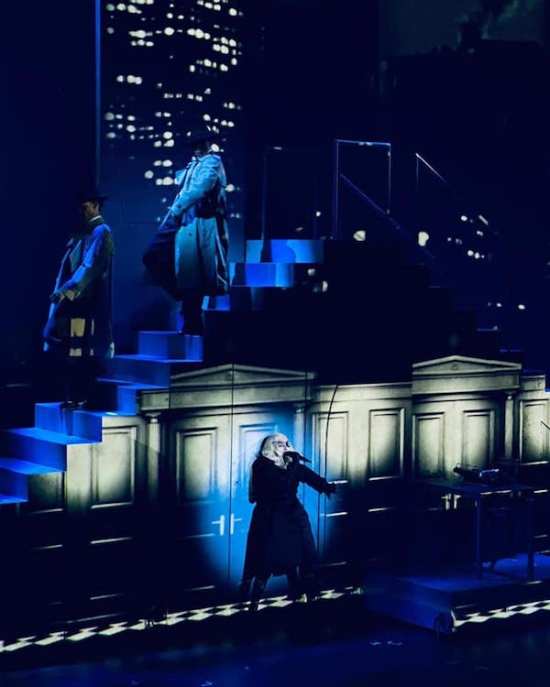
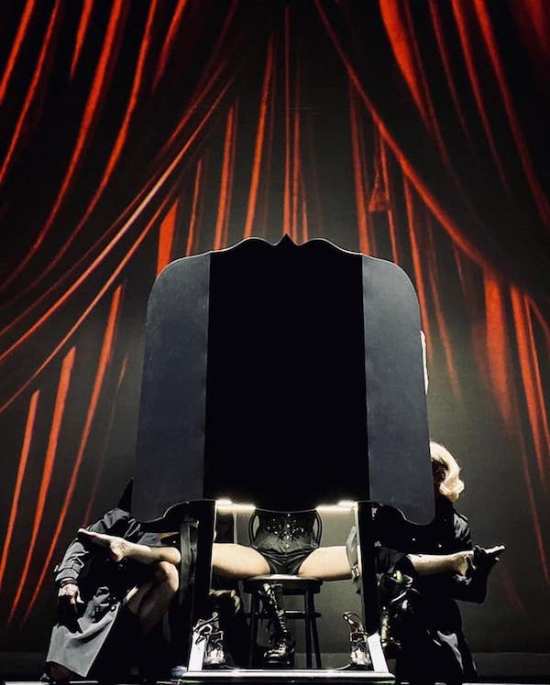
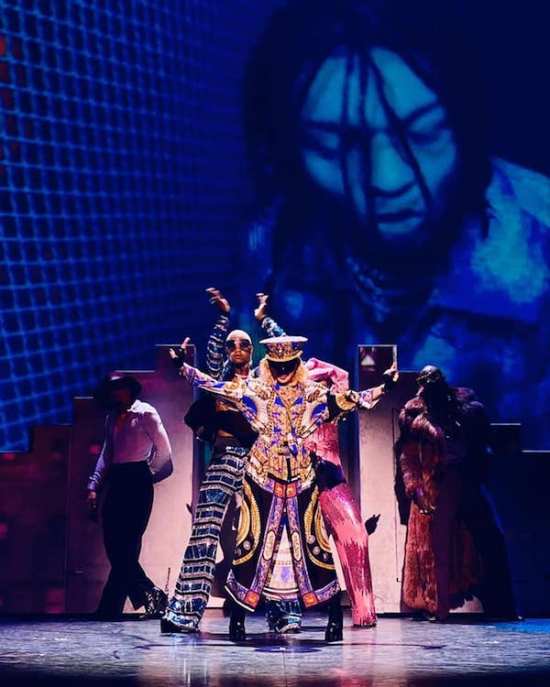
The first half of the set blended a mix of old and new tunes, starting with “Dark Ballet” from “Madame X.” Dancers clad in white gowns and riot gear clashed on stage. Behind a brutalist pyramid staircase were projected images of marches for gun control. Clashing — of old and new, of right and wrong, of fun and seriousness — became a theme throughout the set.
During a slowed-down rendition of “Human Nature,” her twin daughters, Estere and Stella, joined the singer and her backup dancers on stage. She asked each girl to make a statement, with one saying “Hashtag time’s up!” in reference to the social movement. Moments later, Madonna fittingly transitioned into an a-cappella sing-a-long to her smash ’90s hit “Express Yourself,” before asking the audience, “This revolution is bloody. Is there a doctor in the house?” Sometimes the fight to be heard can be jarring, just as it was on stage.
For Madge, art is the medium by which she fights for the freedom of others. It is the medium delivering the message, whether audiences understand or like it at all. “Are you good with me not keeping my baby?” she asked the audience halfway through her set after a spirited rendition of “Papa Don’t Preach.” An audience member in the front row expressed his displeasure and she was not afraid to confront him about reproductive rights. “It is my choice. It’s everybody’s choice,” she uttered. The room erupted in applause. She fears no one. The easy choice would be to next play something light, but Madonna chose “American Life,” an oft-forgotten yet underrated single from the aughts. Back then, it was an awkward song, but here, its mashup of genres and conflicted lyrics make sense. It was perfect.
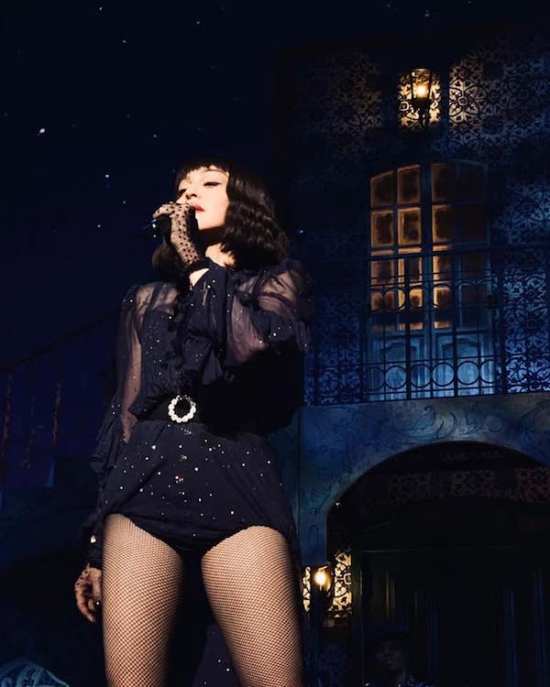
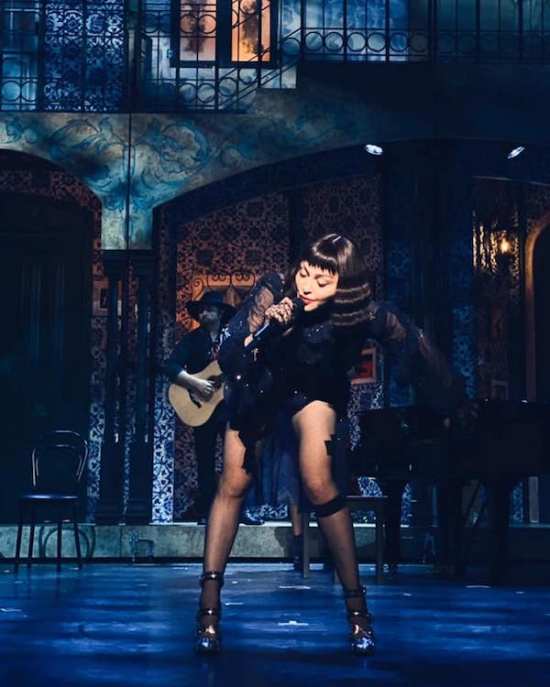
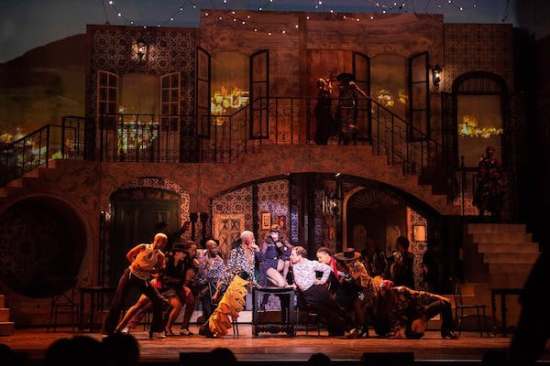
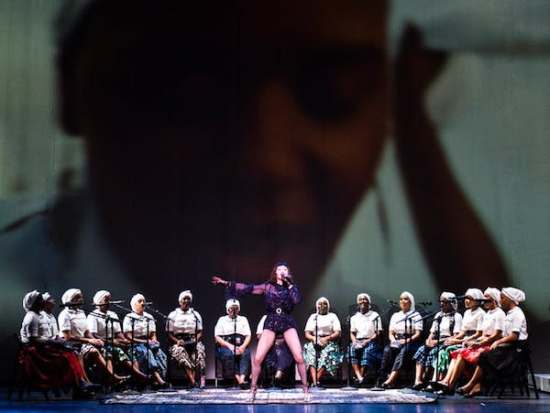
The latter half of the show was packed with guest artists from across the globe as she performed Latin-inspired selections — including “Medellin” and “Come Alive” — from the new album. A group of Cape Verde batuque singers walked through the aisles and joined Madonna on stage for the “Madame X” cut “Batuka.” During her numerous chat breaks, Madge talked about her move to Lisbon to “become a soccer mom,” and the depression and loneliness that soon set in. It was not until she began frequenting fado clubs that she found herself again. It made sense then that the stage was transformed into a colorful recreation of a fado club. “Get out of your comfort zone!” she cried to the audience. Most people were on board.
The “Madame X” show is not a concert as much as it is performance art and dance theater. This explains some of 10:30 p.m. start time, to the surprise and consternation of some fans worried about a late night (the show ended around 1:30 a.m.). This was also a cellphone-free show, where attendees had to secure their phones. The entry process was smooth, but expect a post-show bottleneck.
Storytelling framed the evening. Madge is a shifting and growing human urging her audience to do the same, but she’s not afraid to get playful, like when she took a Polaroid selfie of herself and auctioned it off to the audience. The winning bid was $3600, to a man who said he was a writer. “Writer? Bull—- artist is more like it,” Madonna said, in reference to him having that much cash.
“Not everyone is coming to the future because not everyone is learning from the past,” she said before playing the “Madame X” single “Future.” It was a coded message. Casual fans looking for an intimate dance party should stay away. Madonna chose small theater settings for a reason — she is interested in touching and seeing and communicating her message with her audience. Theater breeds emotional risks; the fire of each moment is palpable. Madonna knows this. An arena won’t start revolutions, but a musical confrontation a half-foot away will.





 Today In Madonna History