
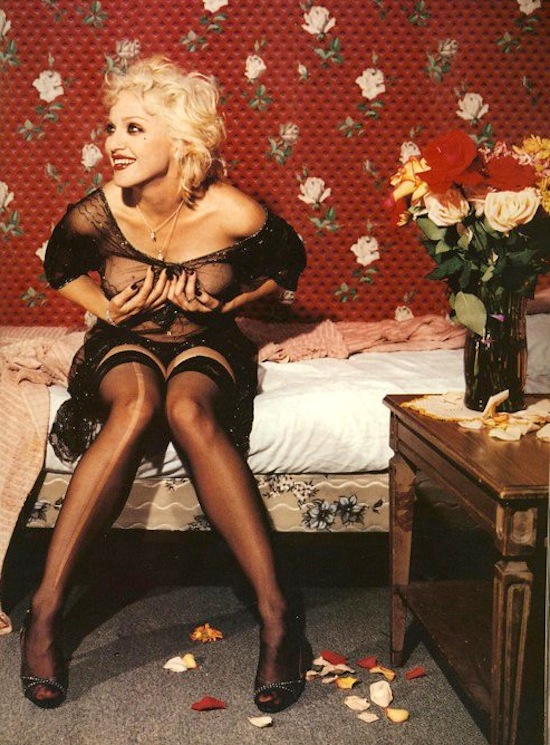


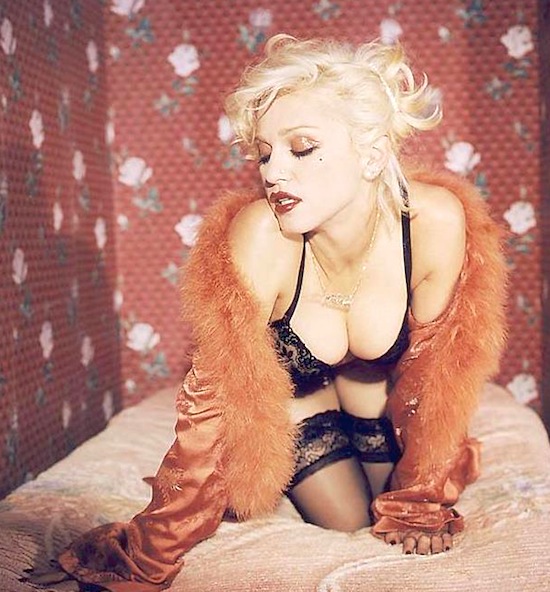
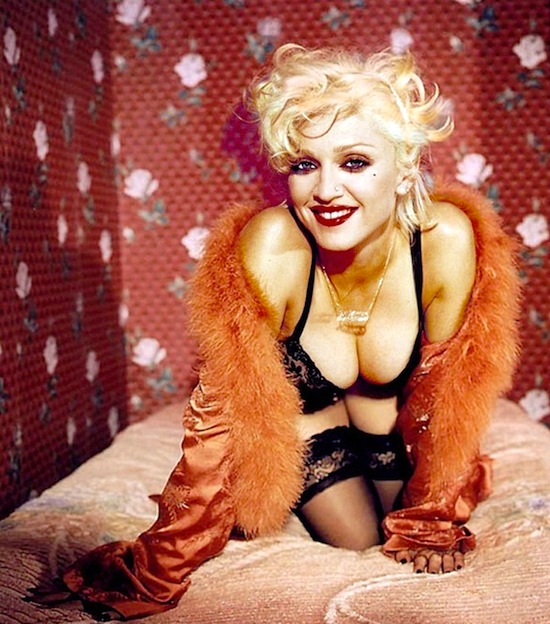


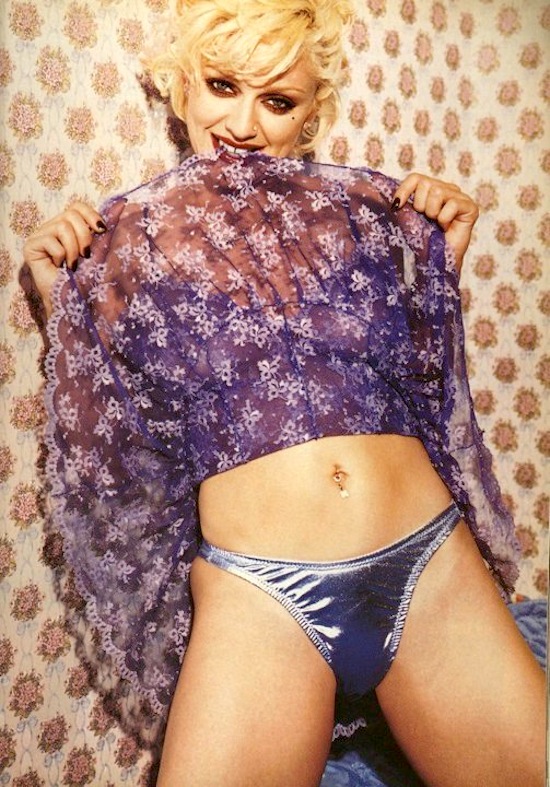
On January 11 1995, Madonna ranked #10 on Mr. Blackwell’s 35th annual list of the worst-dressed women of 1994.
We can only imagine that the Bettina Rheims photo shoot contributed to Madonna’s placement on the list. We love you Bettina!

On January 11 1995, Madonna ranked #10 on Mr. Blackwell’s 35th annual list of the worst-dressed women of 1994.
We can only imagine that the Bettina Rheims photo shoot contributed to Madonna’s placement on the list. We love you Bettina!

On December 24 1995, Oh Father was released as the second UK single from Madonna’s ballads retrospective, Something To Remember.
Warner had initially declined the option to release Oh Father in most European markets when it became the fourth North American single from Like A Prayer in late 1989, instead opting for a more by-the-numbers portrait of childhood innocence with the release of Dear Jessie. Why it was determined to be a better idea in 1995, following its poor showing on the U.S. charts, is anyone’s guess. One possibility is that Oh Father‘s brilliant preexisting music video provided an easy, cost-free means of promoting the song while Madonna remained unavailable due to her recording commitments for the Evita soundtrack.
While I would personally rank Oh Father among Madonna’s very best musical and lyrical efforts, and its music video an underrated classic – it never had the makings of a commercial hit. And history repeated itself when the song’s dark subject matter once again stunted its ability to gain momentum on radio for its British release. It became only her third UK single at the time to peak outside the top-ten when it stalled at #16 in its first charting week. It fared better in Finland and Italy, however, reaching #6 in both countries.
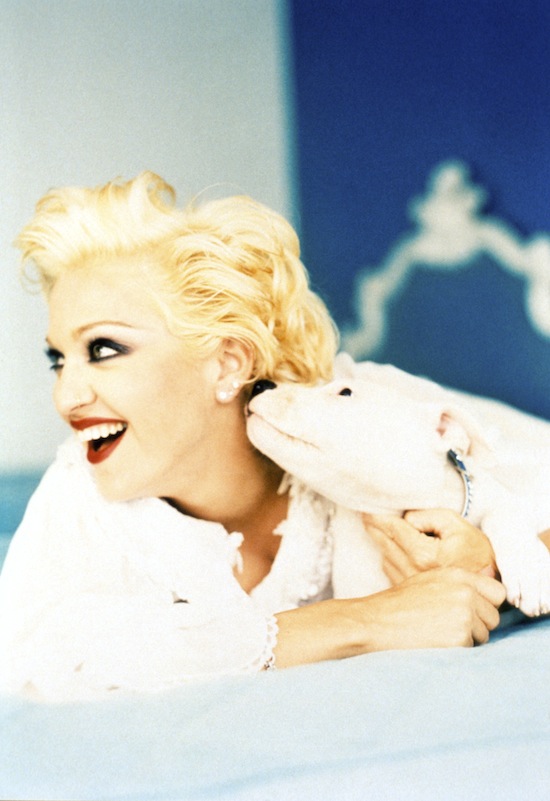
On December 23 1995, Madonna won two Billboard Music Awards: Top Hot 100 Singles Artist – Female and Top Hot Dance Club Play Artist.
Madonna had the following singles chart during 1995: Secret, Take A Bow, Bedtime Story, Human Nature and You’ll See.

On November 25 1995, Madonna’s greatest ballads collection, Something To Remember, hit #6 on the Billboard Top 200 albums chart in the USA.
Madonna worked with David Foster on two of the three new songs for the collection: You’ll See and One More Chance.
Foster had this to say about working with Madonna:
“She had an amazing work ethic. She was on time every day and was really co-producing the songs with me. A lot of artists want to produce just because they can, and they don’t do a thing for the credit, which I really hate. But Madonna worked as hard as any producer I know … I liked the whole experience of working with her—the punctuality, the professionalism, and the sexiness.”

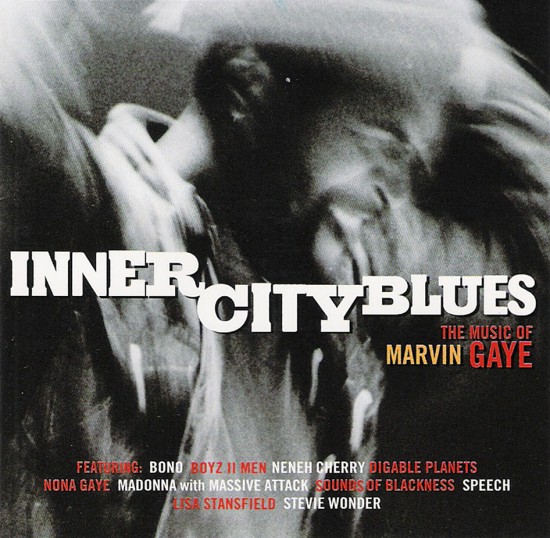
On October 19 1995, Madonna’s I Want You video was featured on the MTV documentary Inner City Blues: The Music Of Marvin Gaye. The documentary was assembled to promote the release of the accompanying tribute album.’
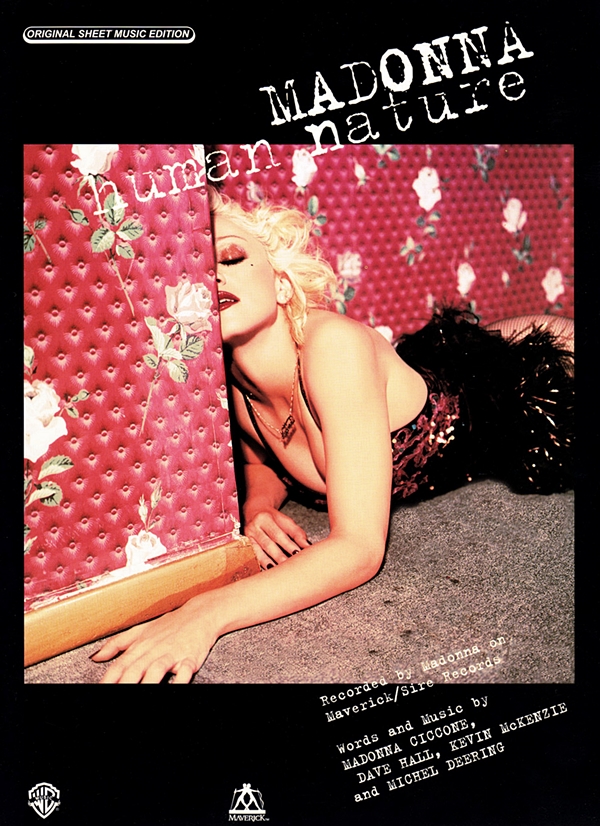
On July 15 1995, Madonna’s Human Nature single peaked at #46 on the Billboard Hot 100 in the U.S.
Human Nature was written and produced by Madonna and Dave Hall, with its bass and percussion parts sampled from the track What You Need by Main Source.
The North American Human Nature single was backed with the album version of Sanctuary, which was produced by Madonna & Dallas Austin with additional remixing by Nellee Hooper.
Sanctuary was originally written by Anne Preven and Scott Cutler of the short-lived 90’s band, Ednaswap, best known for Nathalie Imbruglia’s cover of their original song, Torn. Madonna was passed a demo tape of Sanctuary by a friend of Preven and Cutler, who heard an early version of it and thought “Madonna would love this song!” Madonna’s version came out before Ednaswap had even signed a record deal, and the song deviated significantly from the demo. Preven originally thought Madonna had ruined the song, going so far as meeting with Madonna to plead for changes. However, upon hearing the song as part of the whole album, Preven had a change of heart and “understood what [Madonna] was going for.”
The most significant change was Austin and Madonna’s interpolation of Sanctuary with an instrumental demo Austin had created which centers around a looped sample from Herbie Hancock’s Watermelon Man (the funk-based arrangement from his 1973 album, Head Hunters). Madonna also provided additional lyrical and melodic contributions.
While Austin’s instrumental demo that was worked in to Sanctuary later leaked to the internet, Ednaswap did not release their own version of the song and their original demo recording has yet to surface online.
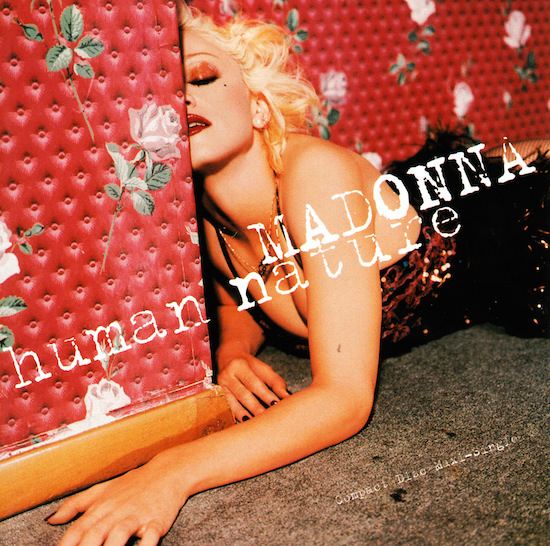
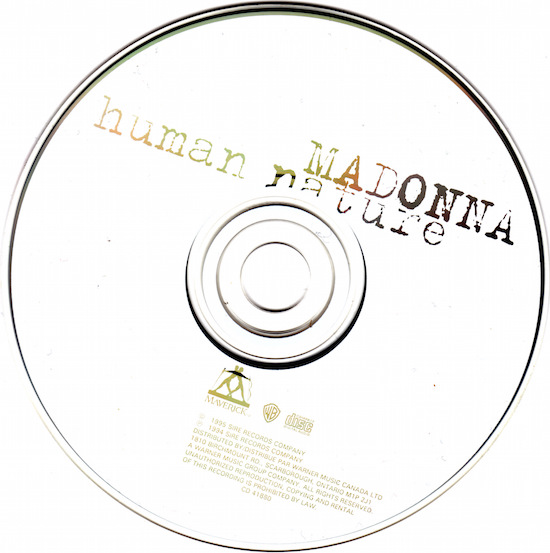

On June 6 1995, Madonna’s Human Nature single was released in physical formats.
Human Nature was the fourth single to be released from her Bedtime Stories album. The song was written and produced by Madonna and Dave Hall.
The b-side for Human Nature was Sanctuary (on the CD and cassette single).
The Human Nature CD maxi-single released in Australia, Canada and the USA contained the following remixes:
What is your favourite remix of Human Nature?
 Today In Madonna History