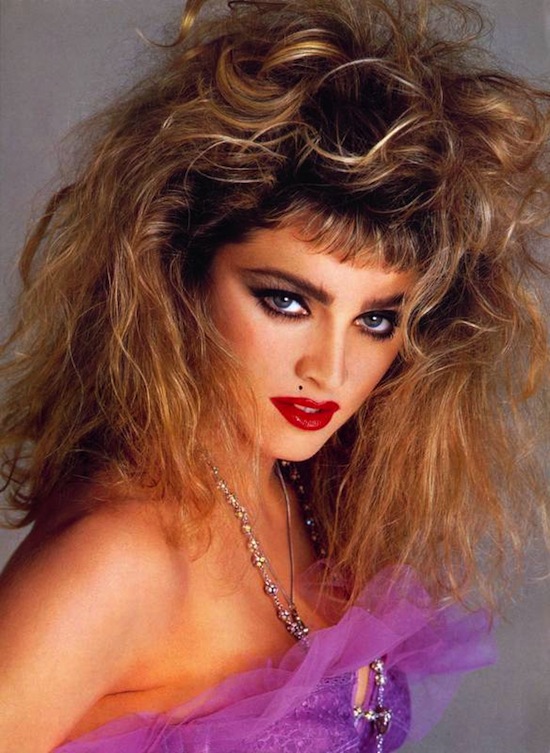
On May 26, 1990, Madonna is honoured with Pop Artist Of The Decade, Dance Artist Of The Decade and Dance Single Of The Decade (for Into The Groove) in Billboard magazine’s Music Of The 80’s Poll.

On May 26, 1990, Madonna is honoured with Pop Artist Of The Decade, Dance Artist Of The Decade and Dance Single Of The Decade (for Into The Groove) in Billboard magazine’s Music Of The 80’s Poll.
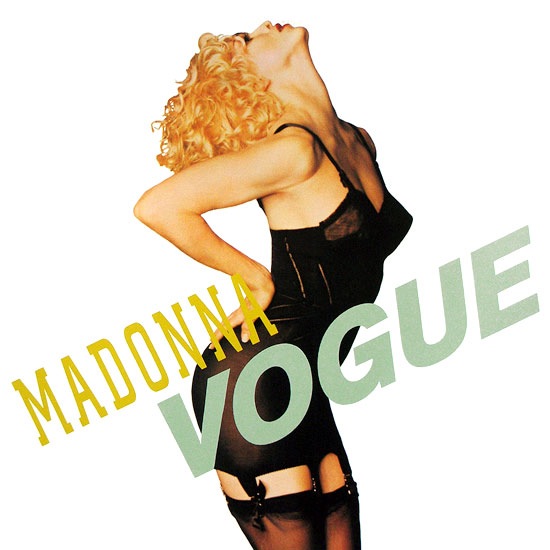

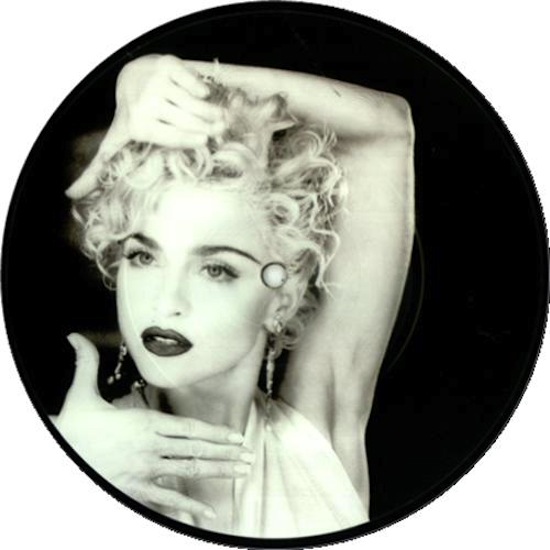
On May 19 1990, Madonna’s single Vogue hit #1 on the Billboard Hot 100 in the USA.
Vogue reached number one in over 30 countries worldwide, becoming Madonna’s biggest hit at that time. It was also the best-selling single of 1990 with sales of more than two million, and has sold more than six million copies worldwide to date.


 On April 7 1990, Madonna’s Vogue single was briefly reviewed in Billboard magazine.
Vogue’s early release to radio and the addition of its music video to MTV’s playlist were also noted in the same issue.

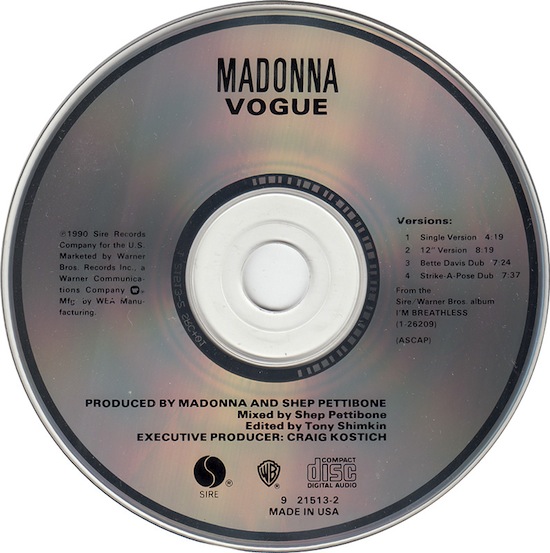

On April 6 1990, Madonna’s Vogue maxi single was released.
Here is the allmusic.com review of the maxi single:
Vogue, the first single from Madonna’s Dick Tracy-inspired 1990 album I’m Breathless, was arguably one of her crowning artistic achievements (both song-wise and video-wise), one of the biggest all-time house music hits (spending three weeks atop the U.S. pop charts), and her second proper U.S. maxi-single release. The single includes four versions: the single version, the 12″ version, the Bette Davis Dub, and the Strike-A-Pose Dub. The song’s most definitive version, that being the album/video version, is not on the single. The single version, where she asks “what are you looking at,” begins with drumbeats and goes straight into the song, as opposed to the album version’s minute-long introduction. Besides the different intros, however, the rest is the same. The 12″ version is, naturally, quite longer, and just as good. The “Bette Davis Dub” begins with the extended album intro, but, save for the chorus and the “rap,” is virtually instrumental, as is the last mix, which cleverly uses samples from Like a Virgin. This disc’s main selling point is the fact that it’s a collection piece, and for collectors and diehards, it’s nice to have the single edit and 12″ mix. But if one is a casual fan, go with the album version.
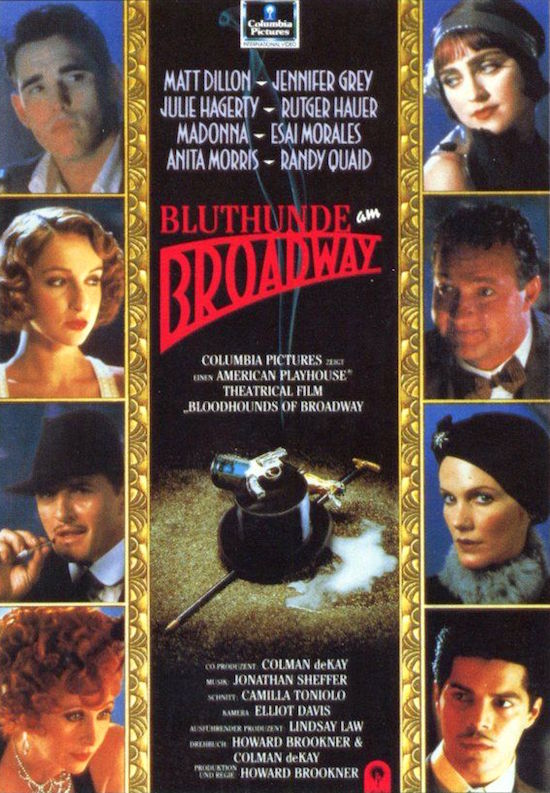
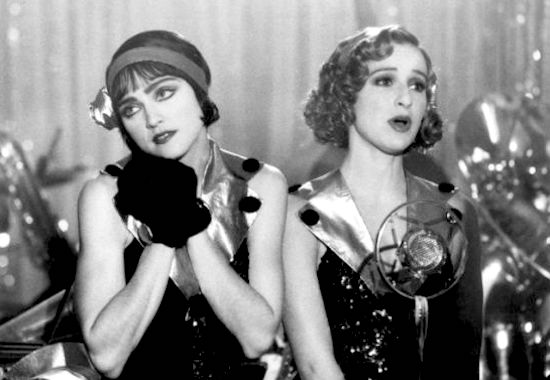
On February 14 1990, Bloodhounds of Broadway was released on home video.
The Howard Brookner film generated $44,000 at the box office.

On January 30 1990, Keep It Together was released in North America as the fifth and final single from Like A Prayer. It also received a commercial release in Japan, Australia, Ecuador and the Philippines, while some European markets opted to include it as the b-side to Madonna’s next single, Vogue.
As fate would ironically have it, Madonna’s soulful ode to remembering ones roots would turn out to be the last Madonna-performed single co-written and co-produced with longtime collaborator Stephen Bray, whom she had befriended (or by some accounts, dated) during her days as a student at the University of Michigan. A final collaboration written by the pair, Get Over – which is speculated to have been written as a potential new track for The Immaculate Collection but was instead given to fellow Warner recording artist Nick Scotti – was released as a single in 1993, after first appearing on the Nothing But Trouble soundtrack in 1991.
Although no music video was produced for Keep It Together, the maxi-single – jam-packed with memorable remixes by Shep Pettibone and DJ Mark “The 45 King” with Stephen Bray – made the single a must-have for fans around the world. And despite its exclusion from her greatest hits releases, Madonna’s show-closing (and show-stopping) performance of the song during her legendary Blond Ambition Tour – and its accompanying documentary Truth Or Dare – has also served to keep the song alive in the hearts and minds of fans.

On January 23 1990, Madonna’s Like A Prayer album was certified triple platinum for sales of 3 million units in the USA.
Producer Patrick Leonard talked to Billboard magazine about working with Madonna on Like A Prayer:
“She’d start writing lyrics and oftentimes there was an implied melody. She would start with that and deviate from it. Or if there was nothing but a chord change, she’d make up a melody. But, a lot of the time in my writing there’s a melody implied or I even have something in mind. But she certainly doesn’t need that. She would write the lyrics in an hour, the same amount of time it took me to write the music, and then she’d sing it. We’d do some harmonies, she’d sing some harmony parts, and usually by three or four in the afternoon, she was gone.”
 Today In Madonna History