Today in Madonna History: November 11, 1989

Oh Father [Cassette Single] 550oh father set 4 2oh father set 7oh father set 3oh father set 5oh father set 6 oh father 3 550

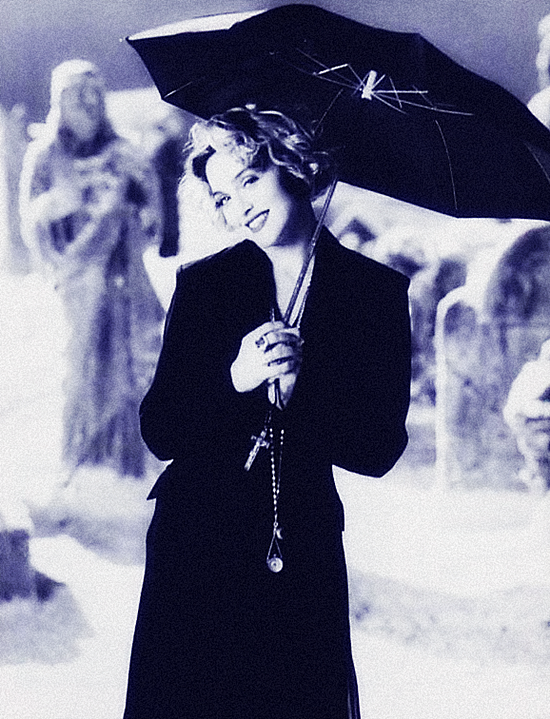
On November 11 1989, the music video for Oh Father premiered on MTV in the US. Filmed at Culver Studios, California in late October, 1989 by director David Fincher, the black & white clip drew cinematic influence from the 1941 Orson Welles film, Citizen Kane. Its narrative expanded on darker elements from Madonna’s life – focusing on the death of her mother, her relationship with her father and the recurring effects of childhood trauma in her adult life. The clip’s icily detached symbolism and heavy subject matter are counter-balanced by overarching themes of forgiveness and inner-strength.

In a 2009 interview with The Guardian, Fincher recalled:

“I had kinda talked Madonna into releasing Oh Father as a single and we did this video and were very happy with the video – but nobody ever saw it because the song wasn’t a hit.”

Although the video was put into rotation on MTV, the channel had requested that Madonna remove a scene that displayed a close-up of the deceased mother’s lips sewn shut – a request that she refused to consider. Compounded by a tepid response to the song from radio, where its bleak overtones clashed with playlists of the day, the single stalled at number twenty in the US – her lowest peak on the Hot 100 at the time (excluding her first two singles, neither of which broke into the Hot 100). In Canada the video was put into heavy rotation and the release fared slightly better on the charts, peaking at number fourteen.

Despite its relative lack of commercial appeal, the song and video are frequently cited as a creative triumph for Madonna by fans and critics alike.

Today in Madonna History: November 3, 1989

bloodhounds_of-broadway-1 bloodhounds_of-broadway-2 bloodhounds_of-broadway-3

bloodhounds_of-broadway-5 bloodhounds_of-broadway-6 bloodhounds_of-broadway-7 bloodhounds_of-broadway-8 bloodhounds_of-broadway-9 bloodhounds_of-broadway-10 bloodhounds_of-broadway-11

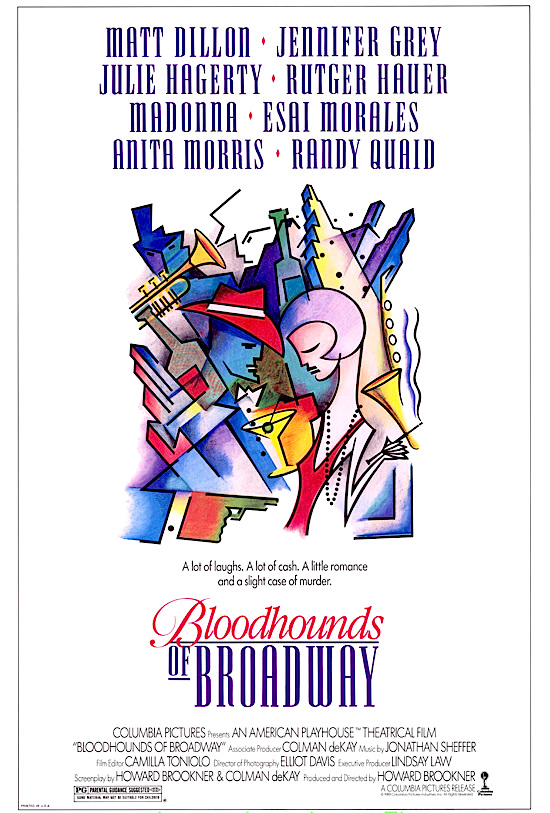
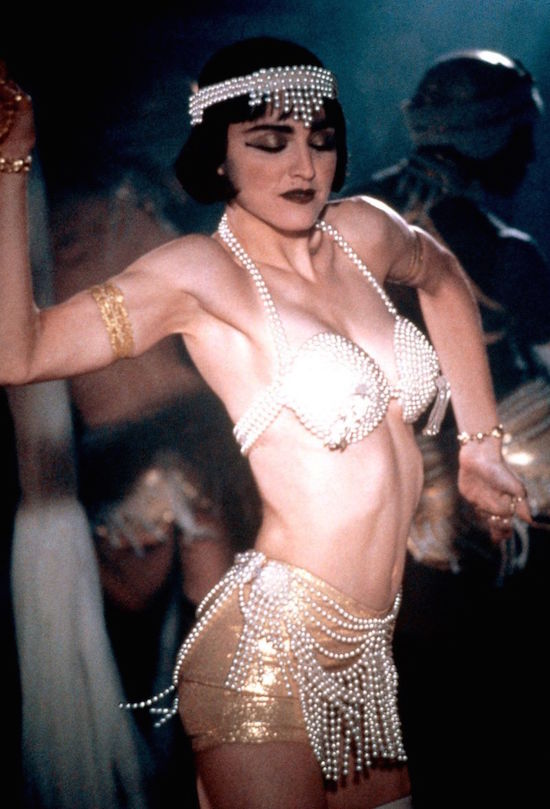
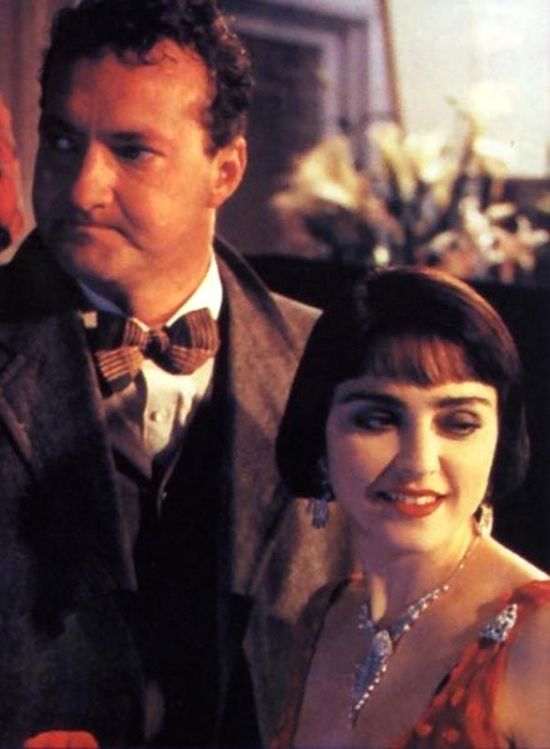
On November 3 1989, Bloodhounds of Broadway was released in New York.

Here is the review summary by Hal Erickson of the New York Times:

Produced for theatrical released by PBS’ American Playhouse, Bloodhounds of Broadway is not exactly a remake of the 1952 film of the same name, though both pictures use the same Damon Runyon stories as inspiration. The scene is Broadway: the time is New Year’s Eve, 1928. Madonna plays small town girl-turned-hoofer Hortense Hathaway, who loves gambler Feet Samuels (Randy Quaid) more than somewhat. Since it is known far and wide that Feet has not a penny to his name, he must find some way to pay off his debts in a hurry. So he offers to sell his huge feet to a demented-an operation which will, alas, cost Feet the use of his life. Upon waking up to the fact that Hortense loves him, Feet decides that he prefers breathing to pushing up daisies. Meanwhile, a society doll named Harriet MacKyle (Julie Hagerty) turns on the spigots when her pet parrot is laid low by a clumsy gunman. And while all this is transpiring, high-roller Regret (Matt Dillon) has to beat a murder rap. Even while Regret is sweating it out, “The Brain” (Rutger Hauer), who is bleeding profusely after confronting the business end of a shiv, searches high and low for someone willing to donate blood to save his life. If you can, keep an eye out for author William Burroughs as a butler. Bloodhounds of Broadway was the first non-documentary effort of filmmaker Howard Brookner-and the last, since he died before the film was released. To gloss over the film’s plot holes, the distributors added a Winchell-like narrator to the proceedings, courtesy of actor Joseph Sommer.

Today in Madonna History: October 9, 1989

cherish

On October 9 1989, Madonna’s Cherish spent the first of two weeks at #1 on Canada’s Top 100 Singles chart.

Today in Madonna History: October 7, 1989

cherish-advert-1

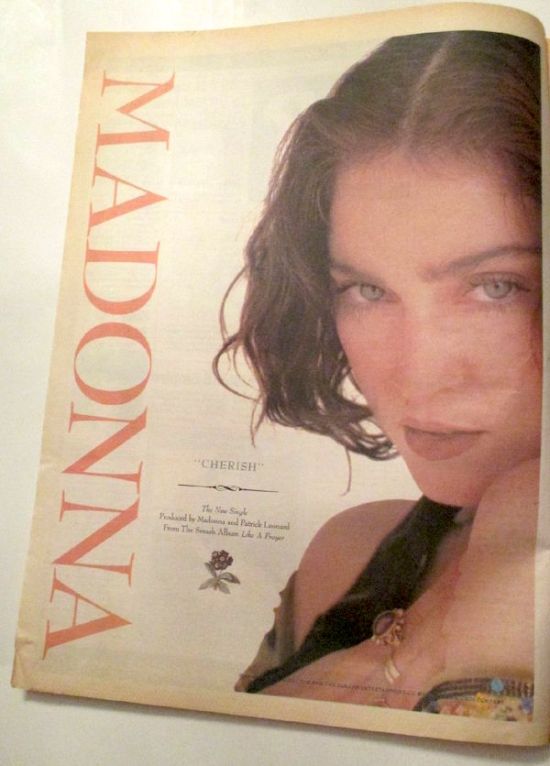
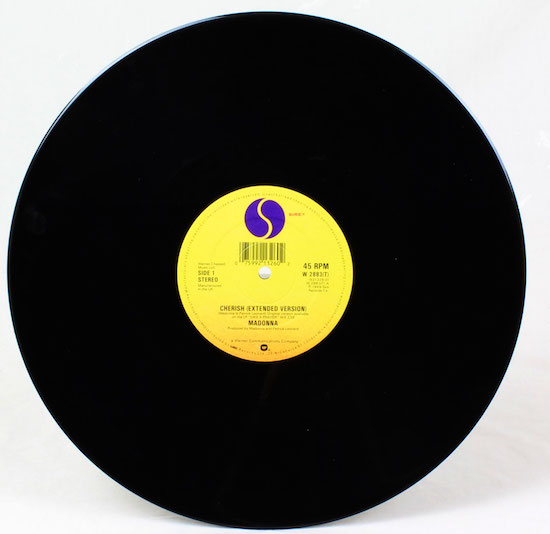
On October 7 1989, Cherish, the third single from Madonna’s incredible Like A Prayer album started the first of a two-week run at #1 on Billboard’s Hot Adult Contemporary chart in the USA.

Cherish was Madonna’s third single to top the A.C. chart, following the 1986 ballad hit Live To Tell (3 weeks at #1) and 1987’s La Isla Bonita (also 1 week at #1).

Here’s what Madonna biographer J. Randy Taraborrelli (Madonna: An Intimate Biography) had to say about the single:

Cherish was a particular triumph for the Madonna/Patrick Leonard partnership. A delightful confection of radio-ready proportions, the song had it all—strong, positive, remarkably dysfunction-free lyrics about love, a memorable, singalong vocal melody, and a tight, pungent rhythm arrangement. It remains, quite simply, one of the best songs Madonna has ever written; sweet and happy, but by no means corny, it’s a perfectly constructed pop song which Madonna delivered beautifully, and with undeniably sassy charm. Indeed, if Cherish had been released in the Sixties, it would have most likely emanated from Detroit’s Motown or the New York song writing Mecca, the Brill Building.

cherish-logo

Today in Madonna History: September 21, 1989

madonna_people_sept_21

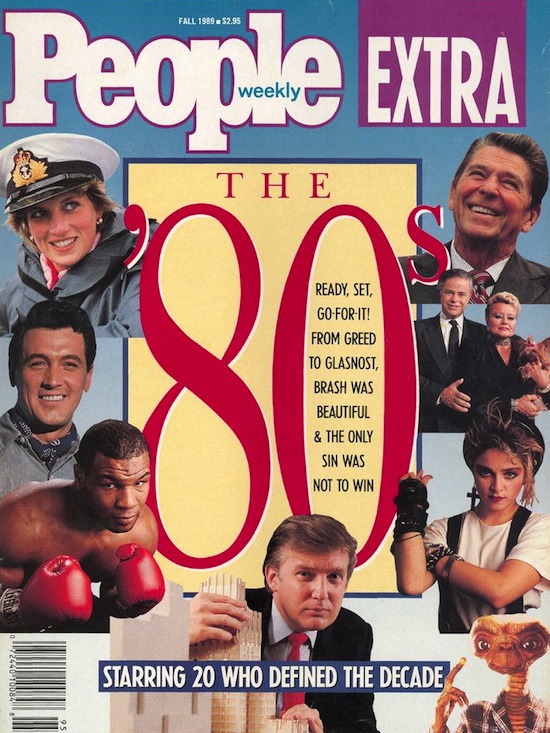
On September 21 1989, Madonna was featured in People magazine’s list of the 20 Who Defined the Decade.

Launching a Navel Offensive Against Every Pop Piety, the Material Girl Navigated the Shark-infested Shoals of Showbiz Like Anything but a Virgin

When she first appeared on the scene six years ago, not much about Madonna marked her for transcendent stardom except her ferocious will. Early hits like Borderline and Holiday proved she had a good ear for a musical hook. But her voice had the range of a penny whistle, her songs were simpler than the alphabet, and around her famous navel the MTVenus packed a little mound of tummy blub.

No matter, she knew that image—or better still, a succession of images—had become as important to a pop career as musical gifts. Sticking her tongue out at critics, then lodging it firmly in cheek, she put on a series of brazen attitudes—the Material Girl, the blond bombshell, the Catholic penitent in a negligee. More than just a cartoon of vice, Madonna was a one-woman vice squad, a whole collection of public images crafted to tease our mixed feelings about lust, money and ambition. If you loved it, it was probably because there was something thrilling about seeing our secret passions so gleefully paraded. And if you didn’t love it—hey, Papa, don’t preach.

Madonna grasped very well that the best way to create scandal in an era that was blasé about old pieties was to twit the new ones. So she flipped a finger at the earnestness of the late ’60s and the ’70s, fashioning a persona of raw cunning and comically overcooked sexuality, a cross between Lady Macbeth and Betty Boop. And she tormented the feminists with her Boy Toy belt buckles and sex-cookie vamping, harking back to an era when a woman’s only leverage in life was the power of eye-batting sex. When Madonna dressed for success, it had nothing to do with getting into law school.

But the message she sent to the multitude of teen age wannabes was mostly about a dream of self-indulgence—a black-lace fantasy for a strait-laced generation.Madonna spread before them the agreeable but dubious proposition that you can play the cutie and still wield clout. In her case, of course, she had a point. Madonna is, after all, that rare cutie who heads a $30-million-a-year corporation. She co-writes her own songs, co-produces her own albums and has directed her mammoth concert tours from city to city as adroitly as Hannibal trotted his elephants across the Alps.

Madonna roamed across pop culture to find the models for her provocations. Her trash-flash wardrobe was pioneered by Bette Midler, her B-girl demeanor owed much to Blondie’s Debbie Harry, and Carol Channing beat her to the discovery that “Diamonds Are a Girl’s Best Friend.” Above all, her scrumptious sexuality was a variation on themes developed by Mae West and Marilyn Monroe, among quite a few others. But she never just appointed herself the next in their line.

Like an Elvis impersonator bringing the beloved back to life, she reenacted Marilyn’s career for us in a wish-fulfillment version, in which Marilyn gets to be both sexy and shrewd. She doesn’t kill herself; she slays everybody else. It was Marilyn without martyrdom, Marilyn for a decade that loved a winner. Sean Penn stood in for both of Monroe’s husbands, Joe DiMaggio and Arthur Miller. In this public revision of the Marilyn saga, he played both the slugger and the somber artist, the big biceps and the furrowed brow.

Madonna was canny enough never to become too closely identified with any of her incarnations. Her most brazen pronouncements were delivered with a wink. (You have to love somebody who can describe losing her virginity as “a career move.”) “Being the vixen, the heartbreaker and the incredibly provocative girl is a very marketable image,” she once admitted. Then she added, with the have-it-both-ways tease that is essential to her appeal: “But it’s not insincere—you just can’t take it seriously.”

It was that kind of “only kidding” come-on that made Madonna the perfect temptress for the ’80s, when all of our pleasures were guilty pleasures, the age of Mothers Against Drunk Driving and “Just Say No,” when all of our excesses were conducted in the shadow of some impending calamity, whether it was AIDS or the national debt.

Madonna wasn’t just a mirror of her times. She was a hall of mirrors, reflecting back a cleverly mixed and fractured message that was just the thing for a decade in which people wanted to shake their hips while putting their shoulders to the wheel. Now that may be a hard position to hold. But like she says: Papa, don’t preach.

Today in Madonna History: August 26, 1989

madonna-cherish-august-19-2 madonna-cherish-august-19-3 madonna-cherish-august-19-4

On August 26 1989, Madonna’s third single from the Like A Prayer album, Cherish, debuted at #32 on Billboard’s Adult Contemporary chart.

Song review by Stewart Mason (AllMusic.com):

True Blue had the gimmicky quality of an early Cyndi Lauper single, like a new waver’s vague approximation of what a 1960’s girl group song might have sounded like. Cherish is a much more successful dip into the musical past, not least because the ’60s flavor is very slight, more of a mood than any kind of particular stylistic pastiche. Perfect pop touches like the flirty “ooh, ooh” backing vocals on the bridge and the dead-on introduction of a short, sharp horn section accent on the final chorus are part of what puts the song over, but the bulk of the credit belongs to Madonna’s bubbly and endearing lead vocal, which uses the helium-pitched high register of her early singles, but minus the occasional harshness of those songs. Cherish is a delight, one of many highlights on Madonna’s best album.

Today in Madonna History: August 21, 1989

madonna herb ritts cherish videoMadonna_Cherish_Video_Set_10 550cherish video set

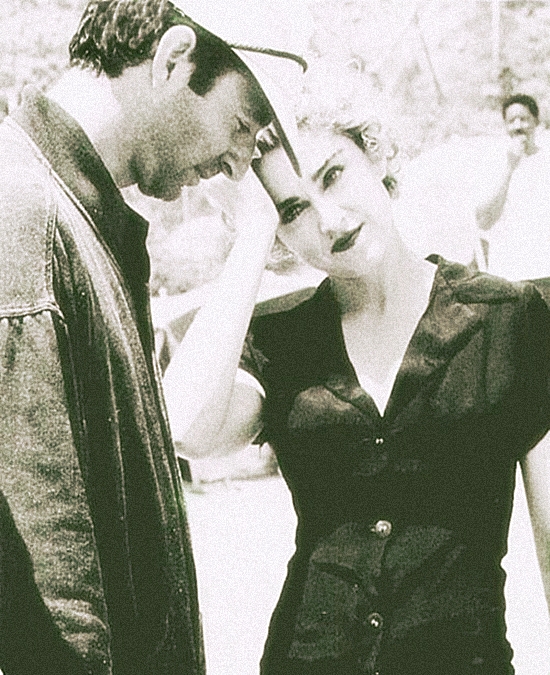
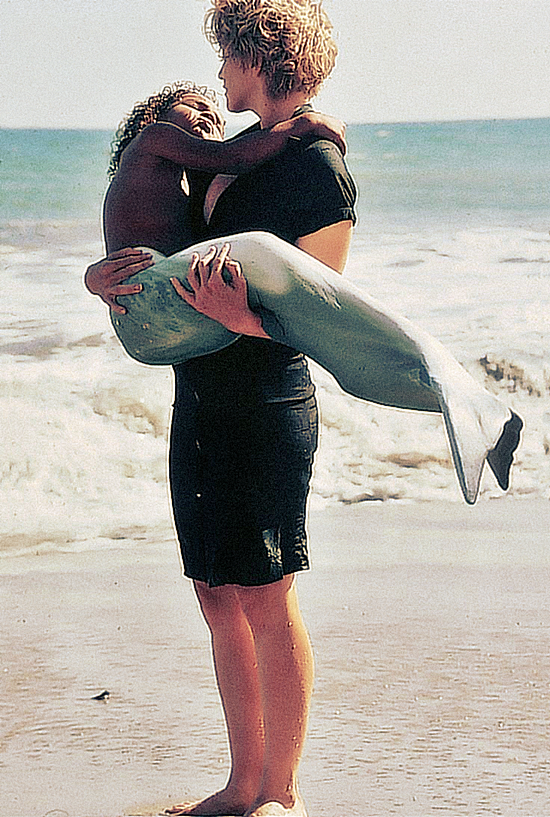
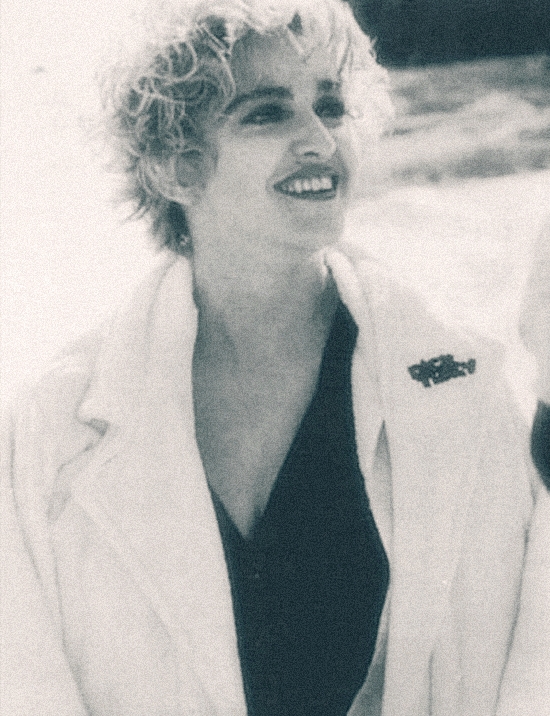
On August 21 1989, the music video for Cherish premiered on MTV in the U.S.  The video was the directed by Madonna’s frequent collaborator and friend, photographer Herb Ritts.

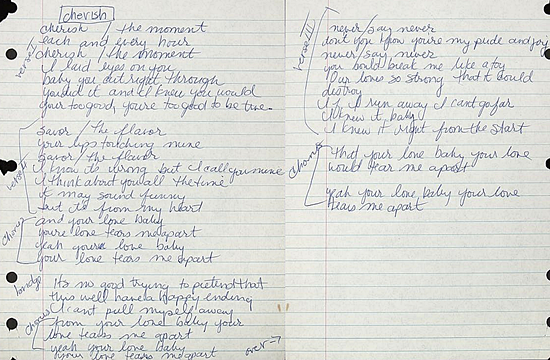
lyrics alternate cherish

While the single from the Like A Prayer album went on to become another hit single, it’s interesting to note that Madonna had previously written an entirely different song using the title Cherish. Her handwritten lyrics for the unreleased track – along with several others that have yet to surface in musical form – turned up at an auction in 2011.