

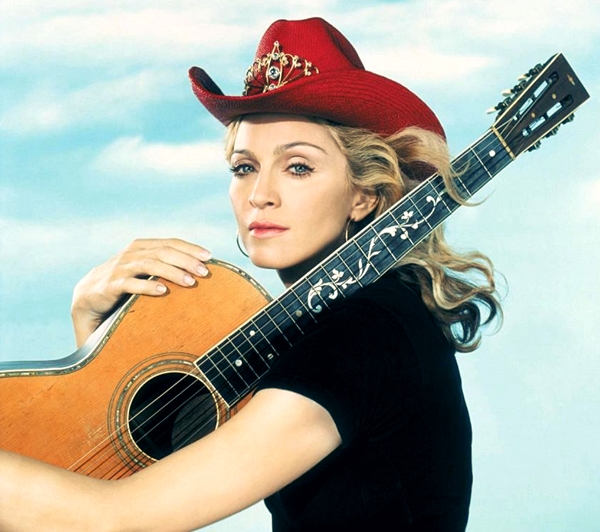
 On November 18 2000, Madonna’s Music maxi-single spent its final week at #1 on Billboard’s Hot Dance Music Maxi-Single Sales chart in the U.S. following an amazing eleven consecutive week run at the top of the chart.
Author Archives: sonicboy19
Today in Madonna History: November 15, 2005

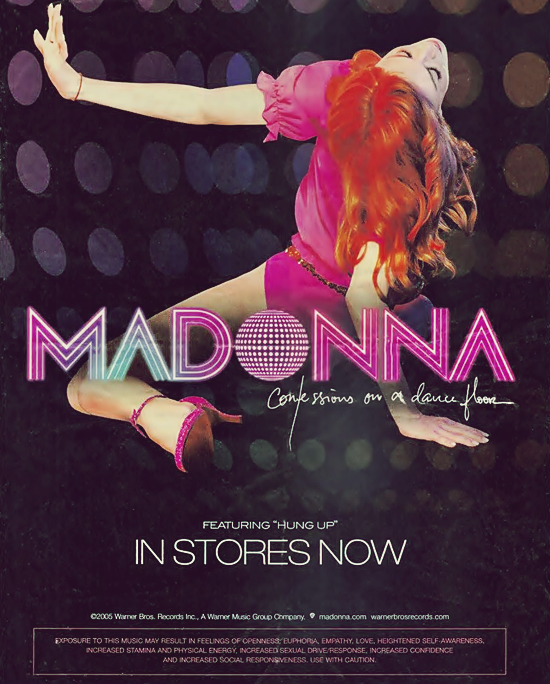
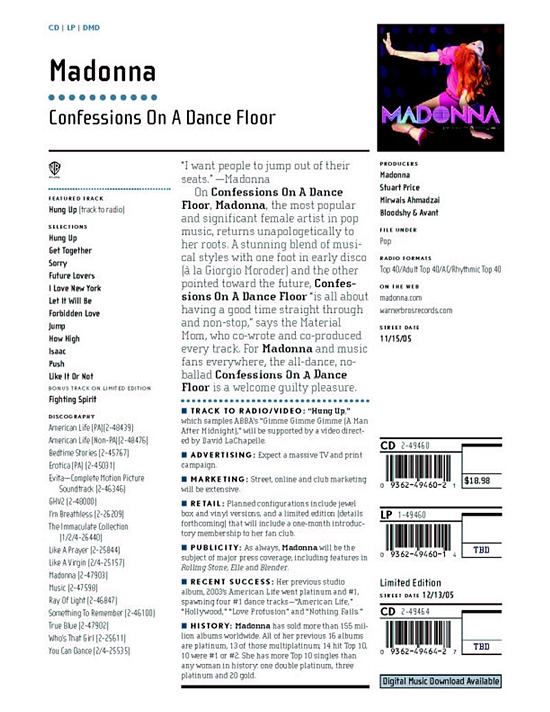
On November 15 2005, Madonna’s tenth studio album, Confessions On A Dance Floor, was released in North America by Warner Bros Records. The majority of the album was co-produced and co-written by Madonna & Stuart Price, with additional contributions by Mirwais, Bloodshy & Avant, Joe Henry and Anders Bagge & Peer Åström. It featured the singles Hung Up, Sorry, Get Together and Jump.
Madonna performed a small club show at Koko in London, UK on November 15th to celebrate the album’s release, with the set being streamed online to fans around the world. The live webcast was preceded by an exclusive mini-documentary titled Confessions…On A Promo Tour.
Today in Madonna History: November 14, 2004
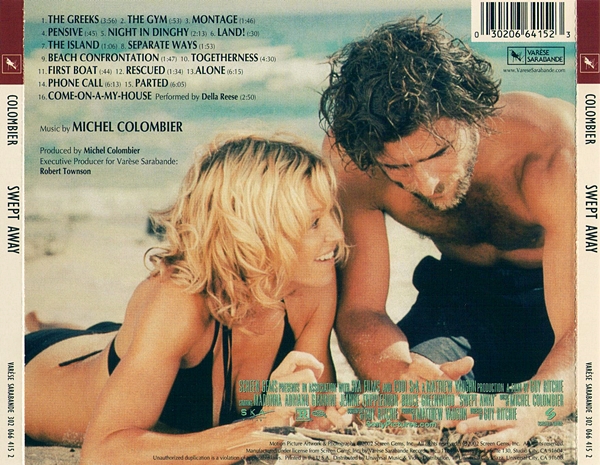
On November 14 2004, Michael Colombier – the composer/arranger who produced the beautiful string arrangements for Madonna’s songs Die Another Day, Don’t Tell Me & Easy Ride, and composed the soundtrack for Swept Away (perhaps the film’s most memorable attribute) – passed away at age 65.
Colombier was one of the most prolific and versatile French musicians of his generation. Besides his career as a film composer scoring over 100 feature, cable and television films since the early 1960’s – Colombier was a prolific songwriter and arranger who worked with artists such as Joni Mitchell, Prince, Serge Gainsbourg, The Beach Boys, Herbie Hancock, Air, Barbra Streisand & Earth Wind And Fire.
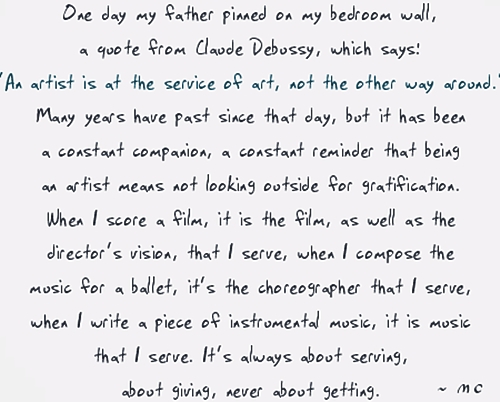
As a film composer, Michel Colombier scored many French and American films, including The Golden Child, Ruthless People, New Jack City, How Stella Got Her Groove Back and The Money Pit. His background in jazz was evident in the majority of his film scores, and his ability to compose original score music that merged seamlessly with pop songs made him the perfect composer for 1980’s films with song-heavy soundtracks, including White Nights, Against All Odds and Purple Rain (which won a Grammy Award as well as an Academy Award for Best Original Score).
Today in Madonna History: November 13, 1997
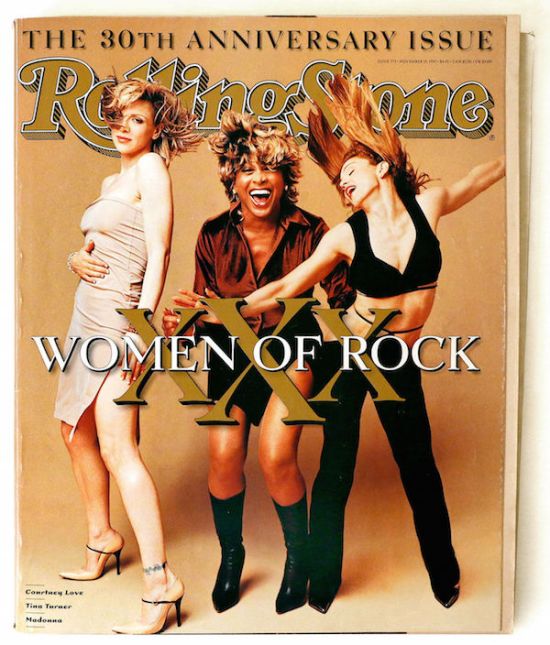
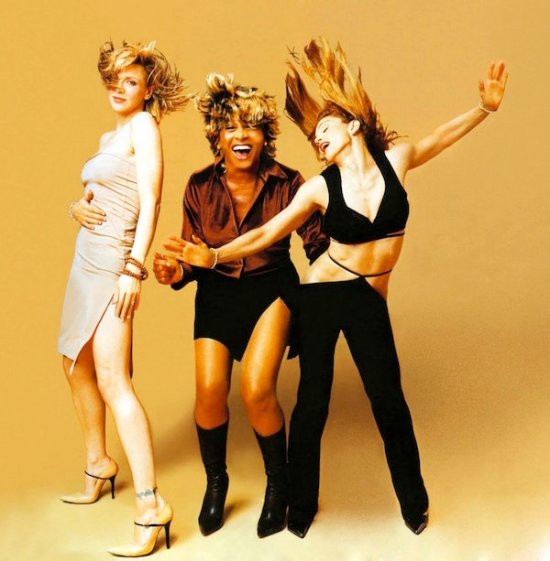

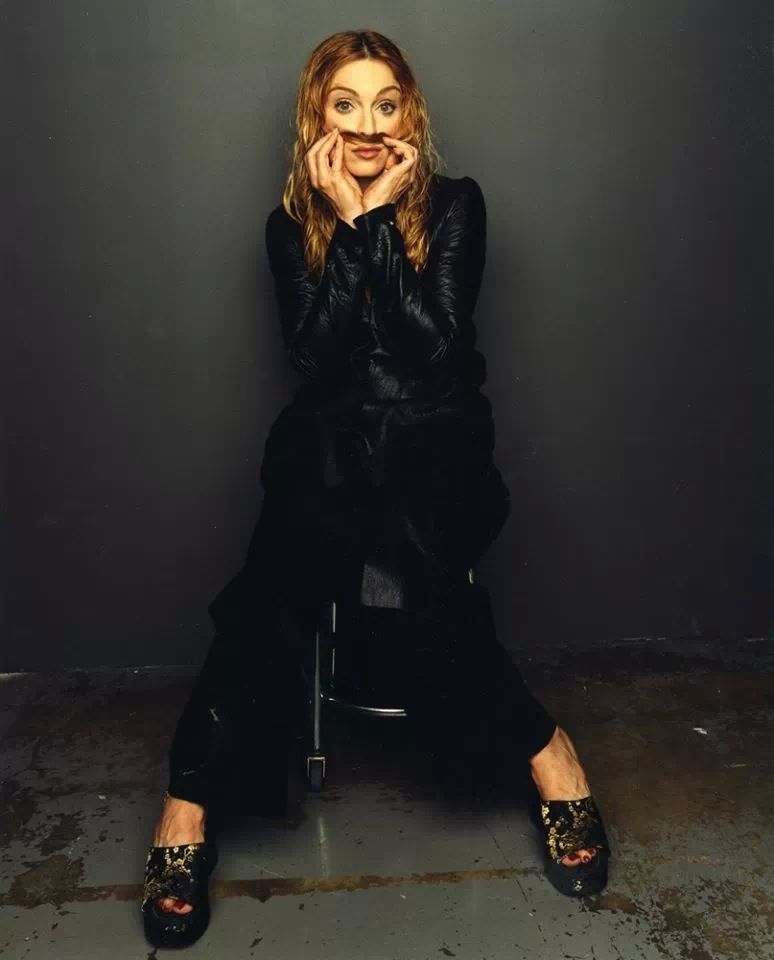
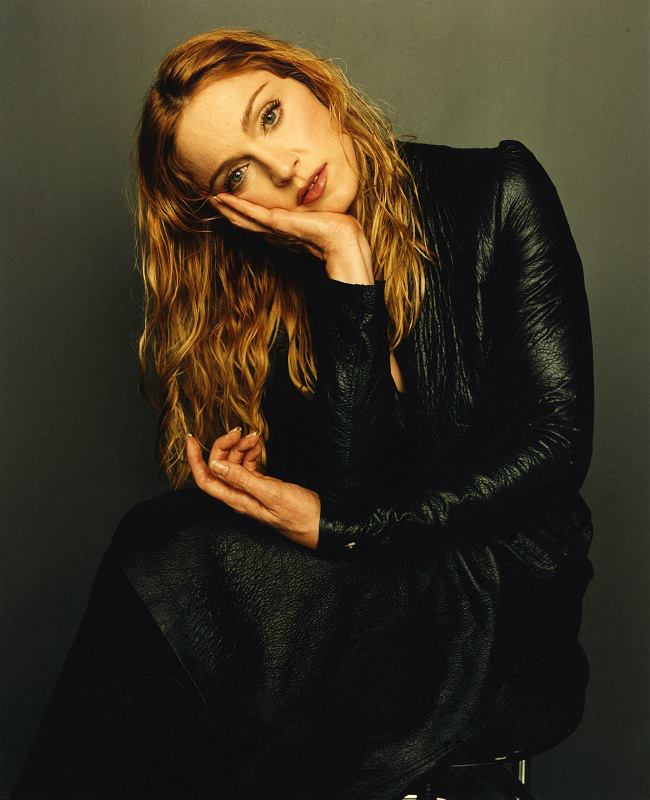

On November 13 1997, the Rolling Stone magazine Women of Rock issue, featuring Madonna, Tina Turner and Courtney Love on its cover was released.
The photoshoot took place on October 21, and according to Madonna, the ladies had fun figuring out what music to listen to during the shoot:
“There was a bit of a skirmish over who was going to play what. We finally agreed that every other CD was mine and every other CD was Courtney’s and we sort of went back and forth. But the ultimate song that we ended up dancing to all the time was the MC stereo remix of the Tricky song, which is a very good song to dance to.”
Tina had this to say about working with Madonna and Courtney:
“It was like working with kids. You know I’ve always had Ikettes for dancers, so they were pretending a few times that they were my dancers. They had all kinds of pretence going on, but it was always built around me being the mother of the two in some kind of way. In terms of ‘Tina is this and we are that,’ and I was laughing the whole time, honestly. If the photograph comes out with me really laughing seriously, it was because of their reaction to each other. It was wonderful.”
Madonna was introduced to longtime stylist, Arianne Phillips, at the photoshoot. Phillips had been working as Courtney Love’s personal stylist at the time and ended up styling both Courtney and Madonna during the shoot by photographer Peggy Sirota.

Today in Madonna History: November 12, 1994

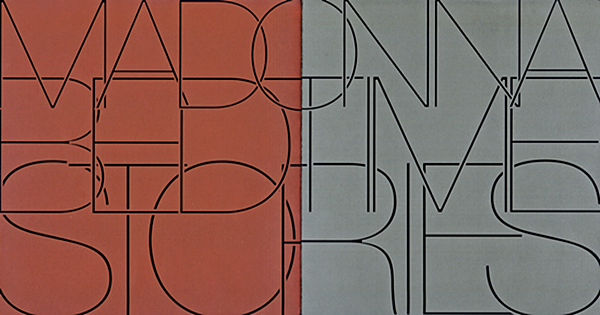
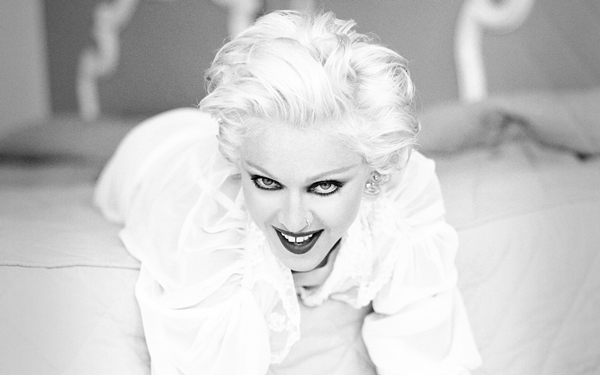
On November 12 1994, Madonna’s Bedtime Stories was the week’s highest debut on the Billboard 200 album chart, peaking at #3 with sales of 145,000 units.
While the figure represented a 15% drop in first-week sales from her previous long player, Erotica, the album proved to be a commercial grower in America – where the runaway success of its second single, Take A Bow, would push its overall U.S. sales tally well beyond that of its predecessor.
Underscoring urban/r&b music’s U.S. chart domination at the time, Bedtime Stories was held back from the top spot by the Murder Was The Case soundtrack (performed by Snoop Doggy Dogg) and Boyz II Men’s II.
Today in Madonna History: November 11, 1985


On November 11 1985, Madonna Live: The Virgin Tour was released on home video in France and the U.K. The was was filmed on May 25th, 1985 at Cobo Arena in Madonna’s home town of Detroit, Michigan. The concert film was directed by Daniel Kleinman while the music was produced by Madonna & Patrick Leonard, making this their first commercially released collaboration.
At the beginning of the video Madonna declares:
“I went to New York. I had a dream. I wanted to be a big star, I didn’t know anybody, I wanted to dance, I wanted to sing, I wanted to do all those things, I wanted to make people happy, I wanted to be famous, I wanted everybody to love me. I wanted to be a star. I worked really hard, and my dream came true.”
An alternate cut of the live performance of Dress You Up was issued as the music video for the single several months before the release of the film, while the live performance of Like A Virgin from the film was serviced to MTV in conjunction with the home video release. Both videos were nominated for Best Choreography at the 1986 MTV Video Music Awards.
For unknown reasons, the release excluded the setlist’s performances of Angel, Borderline and Burning Up. At the time of its release, home videos were often priced according to their running time, and it was not unusual for concert films of that era to be edited down to a more marketable length – in this case, one hour. This would have allowed a price point that was more accessible to her age demographic and offers a possible explanation for the exclusion of these performances.
Though the concert film was also released on laserdisc in some countries, to date it has sadly not been officially reissued for DVD or digital download.
Today in Madonna History: November 10, 1986


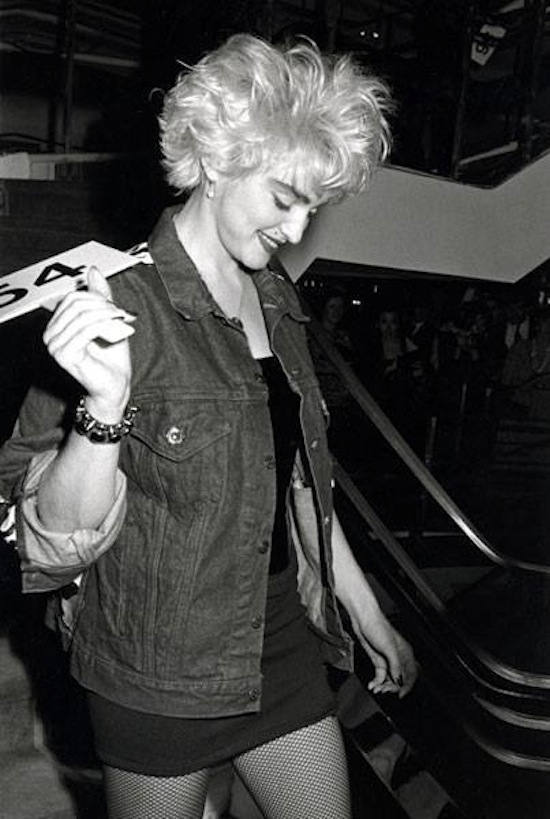

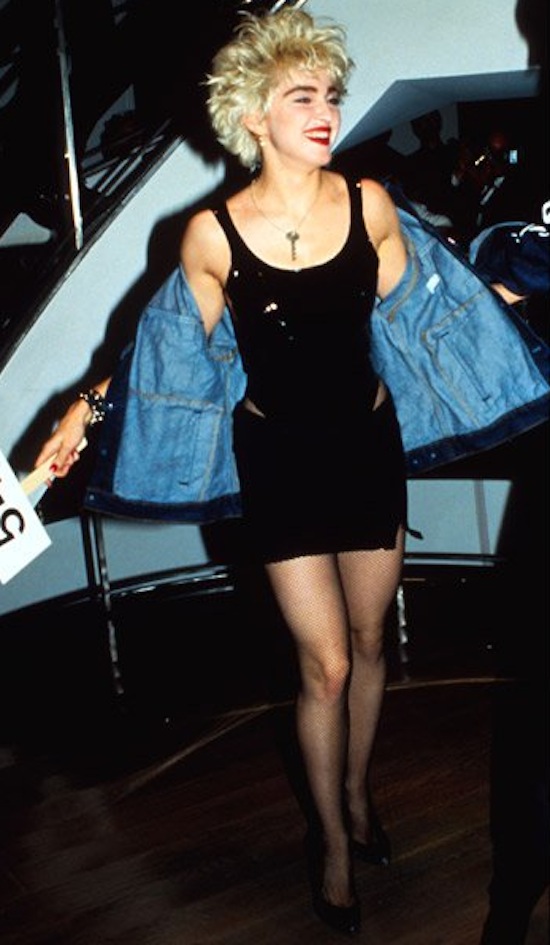
On November 10 1986, Madonna participated as a model in an all-star AIDS benefit fashion show at Barney’s (clothing store) in New York, which benefited the AIDS Research Clinic at St. Vincent’s Hospital in Manhattan, New York.

