Today in Madonna History: November 14, 2008

Madonna Madonna vuitton-2008-3 Madonna vuitton-2008-5 vuitton-2008-6

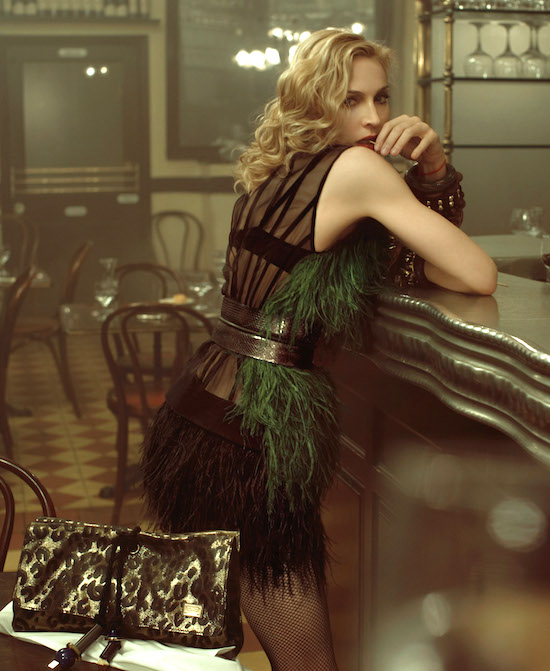
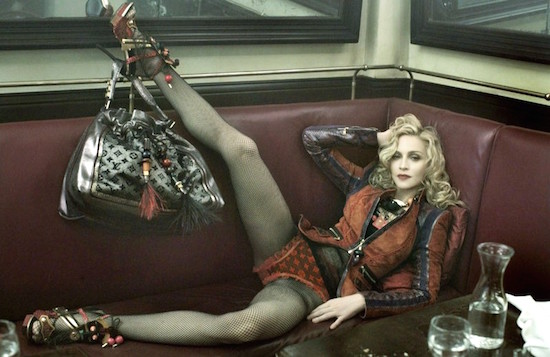
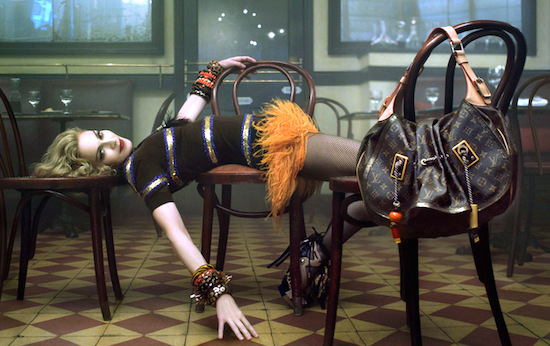
On November 14 2008, Steven Meisel shot the Louis Vuitton Spring/Summer 2009 collection photoshoot, featuring Madonna, at Café Figaro in Los Feliz, California.

Madonna transformed into Marc Jacob’s vision of the quintessential Parisienne, striking provocative poses in the season’s sexy short skirts, ethnic-inspired sandals and animal-print bangles.

“I wanted the campaign to be very bold, very sensual and very atmospheric. To carry off all these references and all this sophistication, we needed the ultimate performer – and for me, that is Madonna,” stated Jacobs.

Stylist: Marie-Amélie Sauvé
Makeup: Pat McGrath
Hair: Garren

Today in Madonna History: November 13, 1990

immaculate-promo-ad

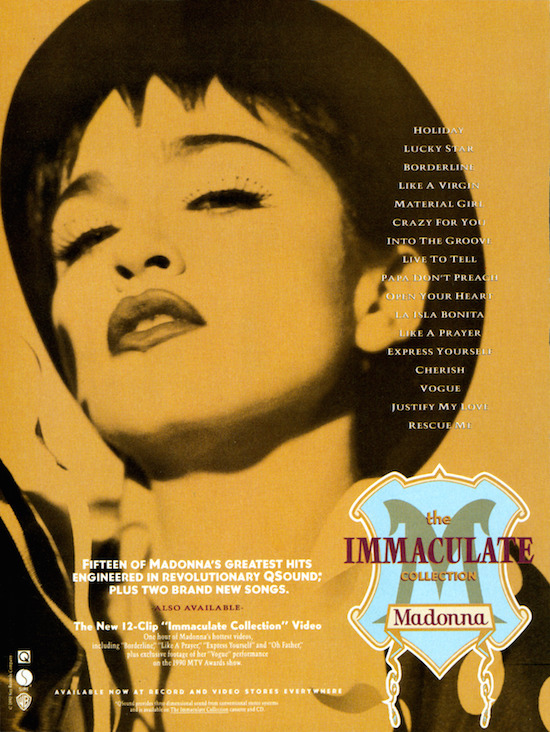
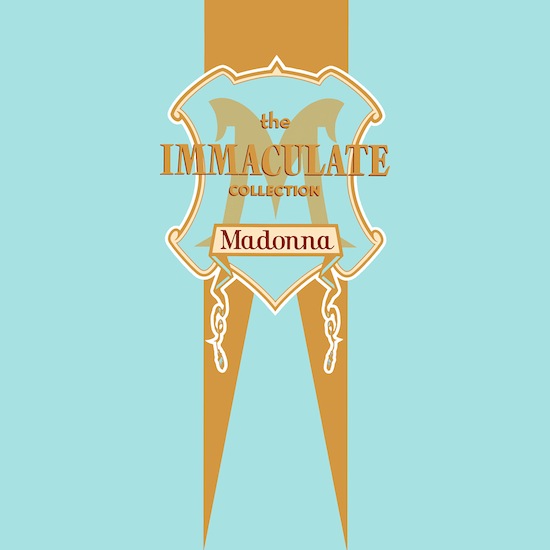
On November 13 1990, Madonna’s The Immaculate Collection, greatest hits CD and video collection were released in North America.

SoulBounce.com says this about the insanely successful collection:

That The Immaculate Collection is the biggest selling compilation album by a solo artist OF ALL TIME is no big surprise when you factor in the consummate icon that is Madonna Louise Ciccone. That even her greatest hits album would set the bar for all greatest hits albums to follow it is a no-brainer given the astronomical number of bars she’s raised. Let’s set the stage, though: 1990 was a huge year for The Material Girl even prior to The Immaculate Collection. The movie Dick Tracy, which Madonna starred in with then-paramour Warren Beatty, and the movie’s soundtrack, I’m Breathless, which includes the Academy Award winning Stephen Sondheim ballad Sooner Or Later and Vogue, one of the biggest hits of Madonna’s career, were both released mid-1990 to much fanfare and many accolades. Madonna also embarked on a huge concert tour in the spring of ’90, the Blond Ambition World Tour, while simultaneously shooting her concert documentary, Truth or Dare. She had already solidified her place as the most successful female artist of the ’80s with three number one albums and seven number one singles. So it’s only fitting that The Immaculate Collection, which served as a venerable summary of Madonna’s entire career up to that point, closed out her mammoth year.

immaculatecollection-album-cover-1

The CD included the following hits:

Holiday
Lucky Star
Borderline
Like A Virgin
Material Girl
Crazy For You
Into The Groove
Live To Tell
Papa Don’t Preach
Open Your Heart
La Isla Bonita
Like A Prayer
Express Yourself
Cherish
Vogue
Justify My Love
Rescue Me

immaculate-collection-vhs-1

The music video collection included the following clips:

Lucky Star
Borderline
Like A Virgin
Material Girl
Papa Don’t Preach
Open Your Heart
La Isla Bonita
Like A Prayer
Express Yourself
Cherish
Oh Father
Vogue
Vogue (live at the 1990 MTV Video Music Awards)

If you could change The Immaculate Collection, what would you do?

Today in Madonna History: November 12, 1984

madonna-like-a-virgin-november-12-1 madonna-like-a-virgin-november-12-2 madonna-like-a-virgin-november-12-3 madonna-like-a-virgin-november-12-4 madonna-like-a-virgin-november-12-5 madonna-like-a-virgin-november-12-6 madonna-like-a-virgin-november-12-7 madonna-like-a-virgin-november-12-8

On November 12 1984, Madonna’s Like A Virgin album was released by Sire Records.  The album was re-released worldwide in 1985, to include the bonus track, Into the Groove.

The original track listing for Madonna’s second album included:

Material Girl
Angel
Like A Virgin
Over & Over
Love Don’t Live Here Anymore
Dress You Up
Shoo-Bee-Doo
Pretender
Stay

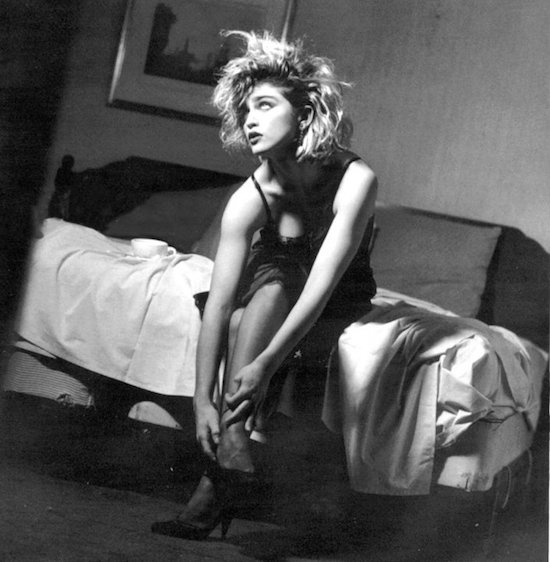
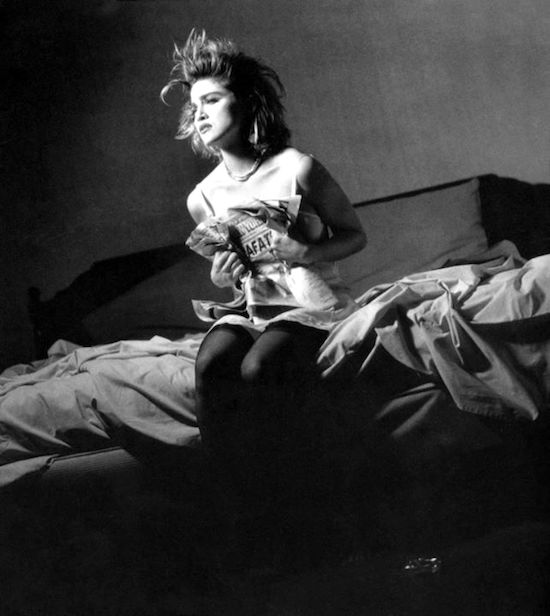
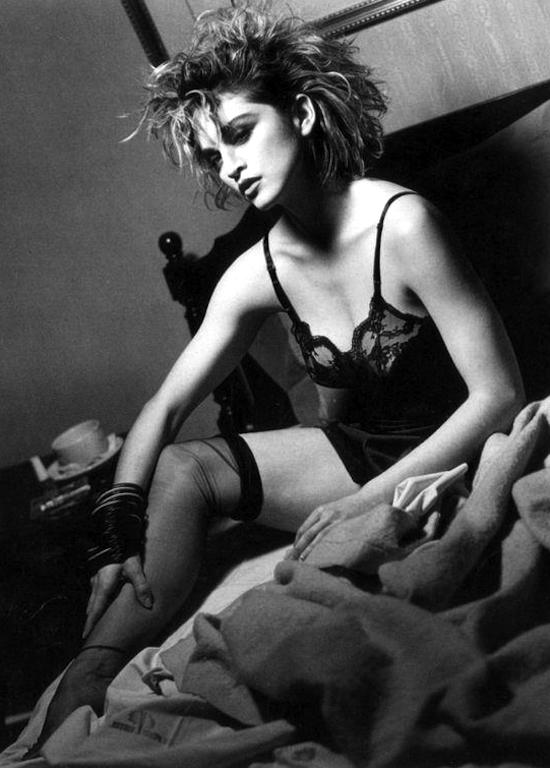
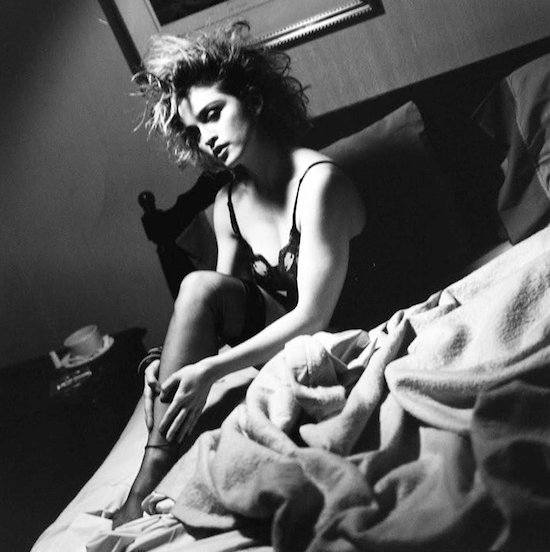
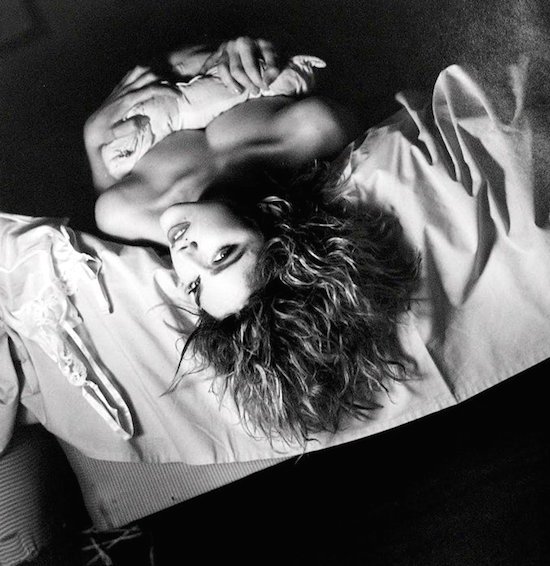
The cover sleeve and album insert images were shot by Steven Meisel. The first shot in this post was used for the album cover. The rest of the photos in this post are outtakes from the same photo shoot.

Today in Madonna History: November 10, 1995

something-to-remember-japan-1 something-to-remember-japan-2 something-to-remember-japan-3 something-to-remember-japan-4 something-to-remember-japan-5

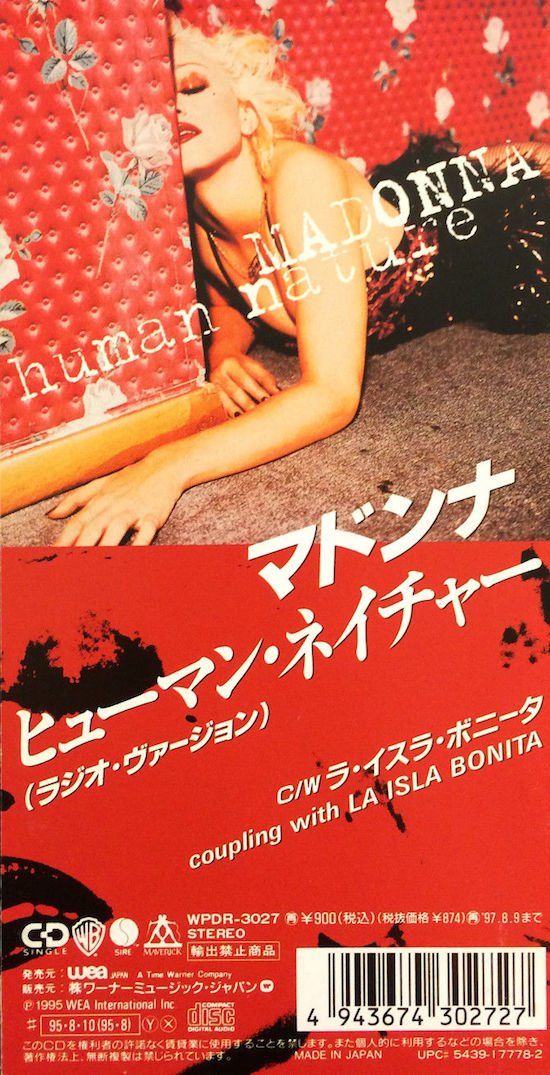
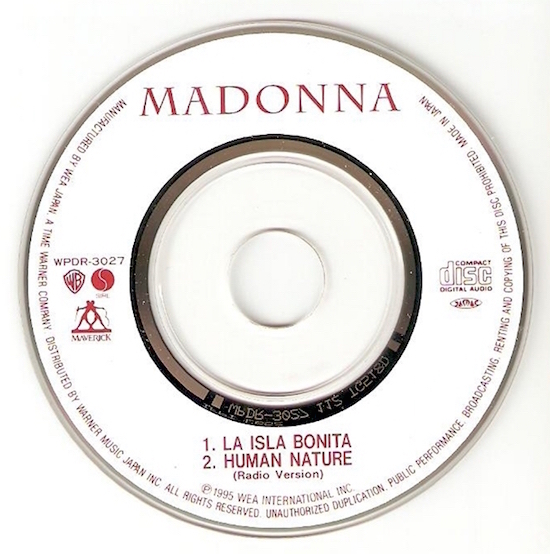
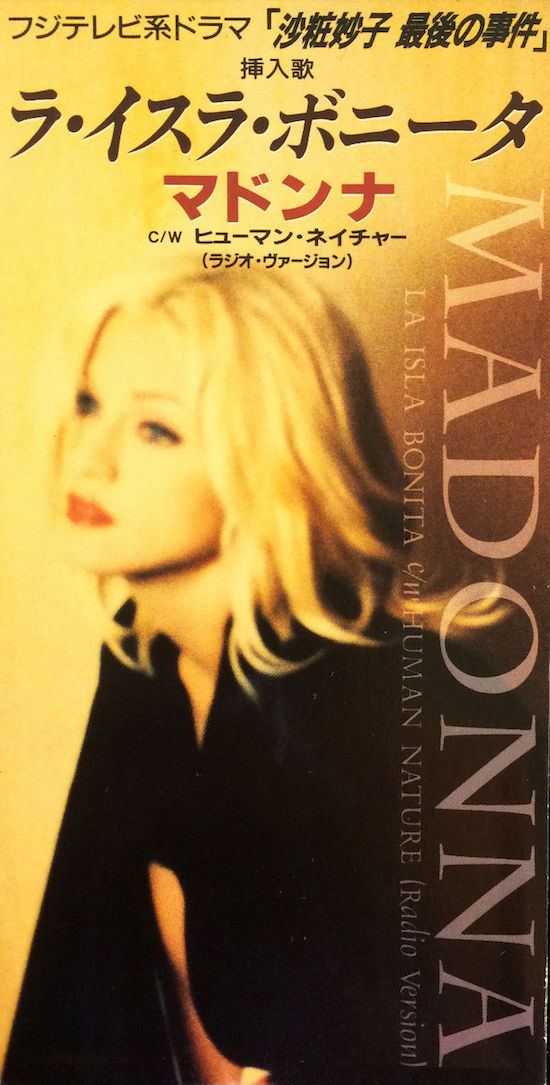
On November 10 1995, Madonna’s Something to Remember was released in Japan under the title Best of Madonna: Ballad Collection.

The Japanese release included Madonna’s 1986 hit La Isla Bonita as a bonus track.

La Isla Bonita was re-released three months prior to the compilation as a double A-side record with Human Nature, the final single from Bedtime Stories. Receiving gold certification from the Recording Industry Association of Japan (RIAJ), the song was added to Something to Remember track listing in the hope of boosting the album sales in the Japanese region.

Today in Madonna History: November 9, 1985

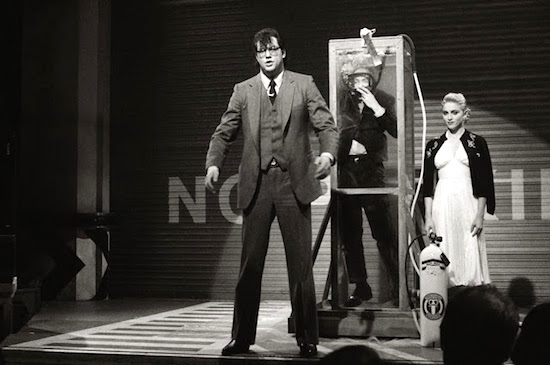
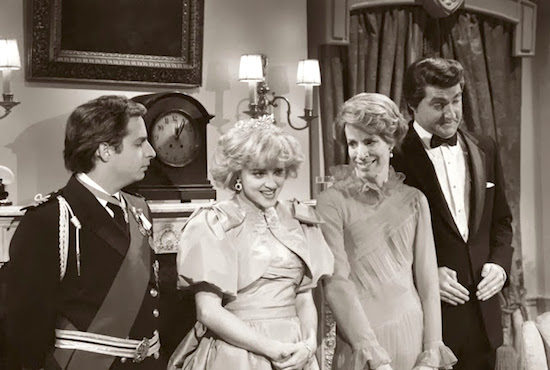
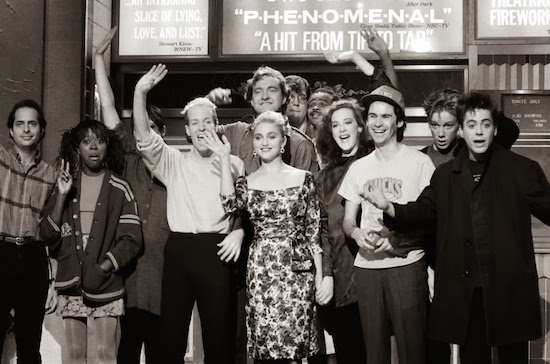
madonna-snl-85-1 madonna-snl-85-2 madonna-snl-85-3 madonna-snl-85-4 madonna-snl-85-5 madonna-snl-85-6 madonna-snl-85-7 madonna-snl-85-8 madonna-snl-85-9 madonna-snl-85-10 madonna-snl-85-11

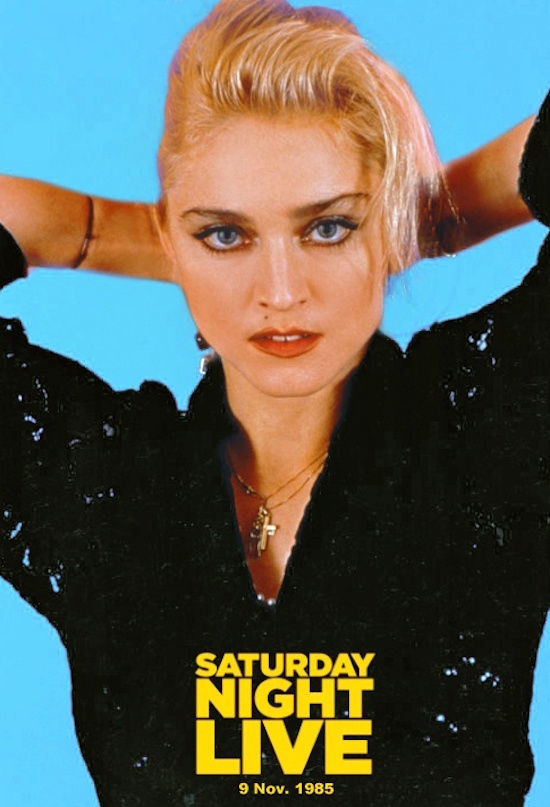
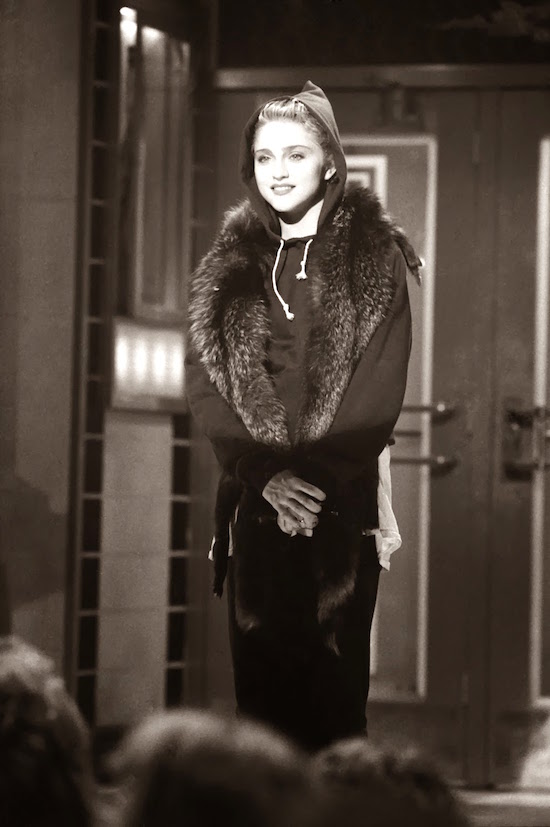
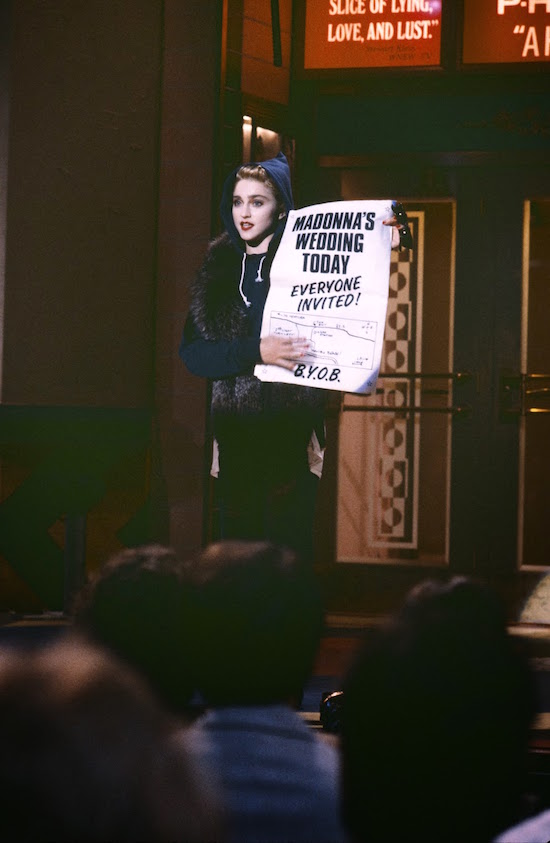
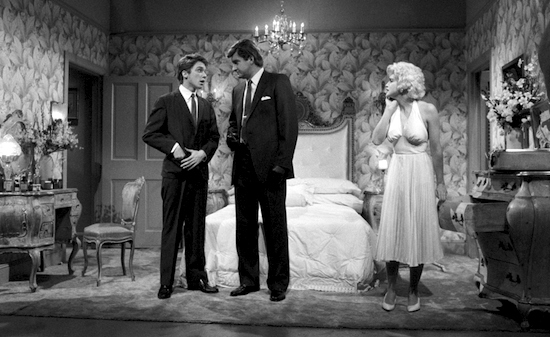
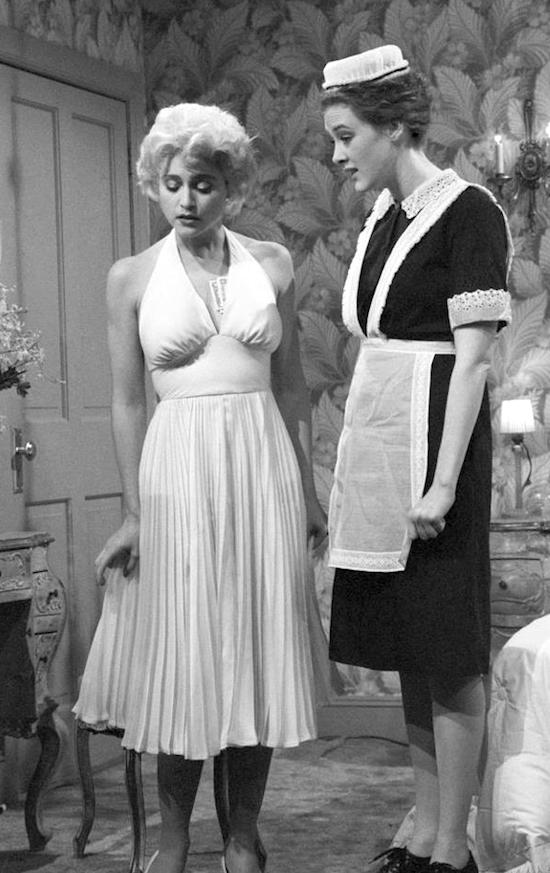
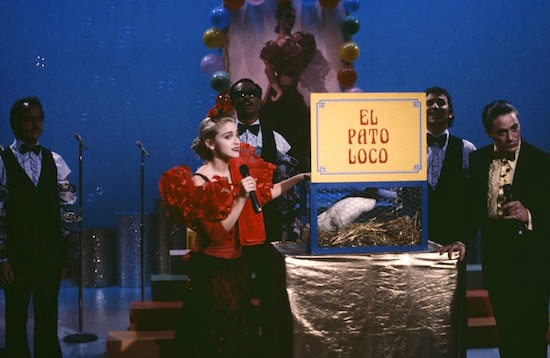
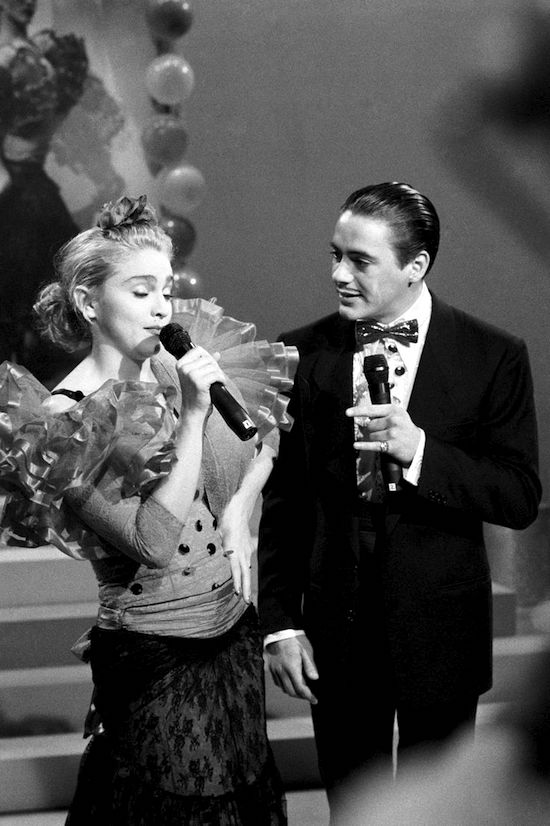
On November 9 1985, Madonna hosted the 1985-86 season premiere of NBC-TV’s Saturday Night Live.

The musical guest was Simple Minds.  Simple Minds performed Alive and Kicking and Satisfy Yourself.

During the SNL skits, Madonna performed Take On Me, La Bamba and Lionel Richie’s Three Times A Lady.

For the eleventh season of SNL, Lorne Michaels returned as executive producer after a five-year absence. Michaels wanted his own cast so the entire cast from the previous season was fired.

Read this article by Queerty.com:

Say what you will about Madonna’s acting chops, but the icon has always had our backs and never been afraid to push the envelope. Take, for example, her only hosting stint on Saturday Night Live back in 1985 when she was indisputably the most famous entertainer woman on the planet. In the sketch, which was clearly inspired by the anxiety and, in some cases, furor that surrounded an episode of Dynasty. Superstar actor Rock Hudson had joined the cast as a love interest to series regular Linda Evans. In one episode Hudson kissed Evans on the mouth. Not a big deal, you’re thinking but by the time the episode aired Hudson was revealed to be battling AIDS and had known at the time it was filmed but hadn’t disclosed the information to his costar. It was a different era, friends, an AIDS diagnosis was thought to be a death sentence and there were even tabloid reports that Evans had contracted the disease from a mere smooch. Evans, for the record, bore no grudge against the late superstar.

Anyway, in the skit titled Pinklisting, Madge dons a dark wig to resemble Evans’ other costar Joan Collins and a clipped British accent (a harbinger of things to come!) to play a TV actress unwilling to do scenes with a costar “she doesn’t know” due to her fear of AIDS. The joke, if it can be referred to as one, is that the costar is played by Terry Sweeney (still the only openly gay male SNL player), as a super-femme gay actor who tries to butch it up but he loses his cool when confronted by a snarky Judy-Liza headline.

While the sketch isn’t exactly a rib-tickler it’s surprising in hindsight that it was a comic skit built around AIDS at a time when it was still considered a fatal disease, and broadcast in November 1985, less than a month after Hudson’s death. While that may seem insensitive, remember that this was the year Larry Kramer’s landmark AIDS-themed play The Normal Heart was first produced — and President Reagan hadn’t even uttered the word in public. So let’s hear it again for Madonna, forever at the forefront of progress, bringing a public discourse on the disease into the homes of millions of TV viewers.

Today in Madonna History: November 7, 1992

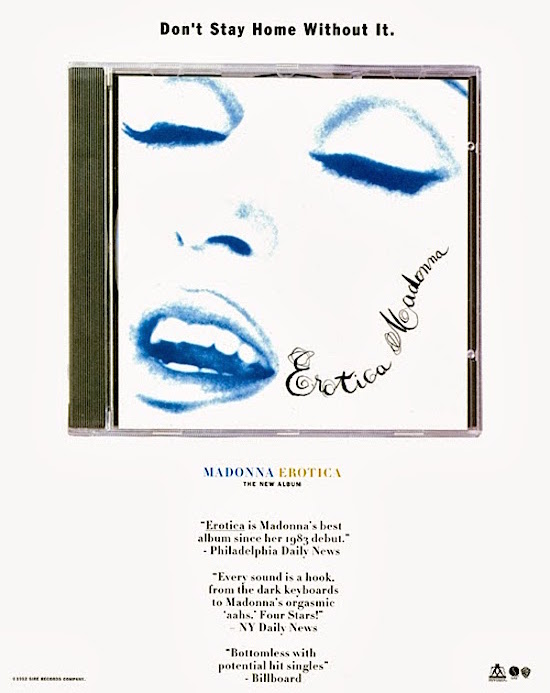
Erotica_Ad

On November 7 1992, Madonna’s Erotica hit #2 on Billboard’s Top 200 Albums Chart in the USA.

Arion Berger of Rolling Stone magazine gave Erotica 4 out of 5 stars and said:

It took Madonna ten years, but she finally made the record everyone has accused her of making all along. Chilly, deliberate, relentlessly posturing. Erotica is a post-AIDS album about romance — it doesn’t so much evoke sex as provide a fetishistic abstraction of it. She may have intended to rattle America with hot talk about oral gratification and role switching, but sensuality is the last thing on the album’s mind. Moving claustrophobically within the schematic confines of dominance and submission, Erotica plays out its fantasies with astringent aloofness, unhumid and uninviting. The production choices suggest not a celebration of the physical but a critique of commercial representations of sex — whether Paul Verhoeven’s, Bruce Weber’s or Madonna’s — that by definition should not be mistaken for the real thing. It succeeds in a way the innocent post-punk diva of Madonna and the thoughtful songwriter of Like a Prayer could not have imagined. Its cold, remote sound systematically undoes every one of the singer’s intimate promises.

Clinical enough on its own terms when compared with the lushness and romanticism of Madonna’s past grooves, Erotica is stunningly reined in; even when it achieves disco greatness, it’s never heady. Madonna, along with coproducers Andre Betts and Shep Pettibone, tamps down every opportunity to let loose — moments ripe for a crescendo, a soaring instrumental break, a chance for the listener to dance along, are over the instant they are heard. Erotica is Madonna’s show (the music leaves no room for audience participation), and her production teases and then denies with the grim control of a dominatrix.

Against maraca beats and a shimmying horn riff, Erotica introduces Madonna as “Mistress Dita,” whose husky invocations of “do as I say” promise a smorgasbord of sexual experimentation, like the one portrayed in the video for Justify My Love. But the sensibility of Erotica is miles removed from the warm come-ons of Justify, which got its heat from privacy and romance — the singer’s exhortations to “tell me your dreams.” The Madonna of Erotica is in no way interested in your dreams; she’s after compliance, and not merely physical compliance either. The song demands the passivity of a listener, not a sexual partner. It’s insistently self-absorbed — Vogue with a dirty mouth, where all the real action’s on the dance floor.

Look (or listen) but don’t touch sexuality isn’t the only peep-show aspect of this album; Erotica strives for anonymity the way True Blue strove for intimacy. With the exception of the riveting Bad Girl, in which the singer teases out shades of ambiguity in the mind of a girl who’d rather mess herself up than end a relationship she’s too neurotic to handle, the characters remain faceless. It’s as if Madonna recognizes the discomfort we feel when sensing the human character of a woman whose function is purely sexual. A sex symbol herself, she coolly removes the threat of her own personality.

Pure disco moments like the whirligig Deeper and Deeper don’t need emotional resonance to make them race. But the record sustains its icy tone throughout the yearning ballads (Rain, Waiting) and confessional moods (Secret Garden). Relieved of Madonna’s celebrity baggage, they’re abstract nearly to the point of nonexistence — ideas of love songs posing as the real thing. Even when Madonna draws from her own life, she’s all reaction, no feeling: The snippy Thief of Hearts takes swipes at a man stealer but not out of love or loyalty toward the purloined boyfriend, who isn’t even mentioned.

By depersonalizing herself to a mocking extreme, the Madonna of Erotica is sexy in only the most objectified terms, just as the album is only in the most literal sense what it claims to be. Like erotica, Erotica is a tool rather than an experience. Its stridency at once refutes and justifies what her detractors have always said: Every persona is a fake, the self-actualized amazon of Express Yourself no less than the breathless baby doll of Material Girl. Erotica continually subverts this posing to expose its function as pop playacting. The narrator of Bye Bye Baby ostensibly dumps the creep who’s been mistreating her, but Madonna’s infantile vocal and flat delivery are anything but assertive — she could be a drag queen toying with a pop hit of the past. Erotica is everything Madonna has been denounced for being — meticulous, calculated, domineering and artificial. It accepts those charges and answers with a brilliant record to prove them.


Today in Madonna History: November 6, 1984

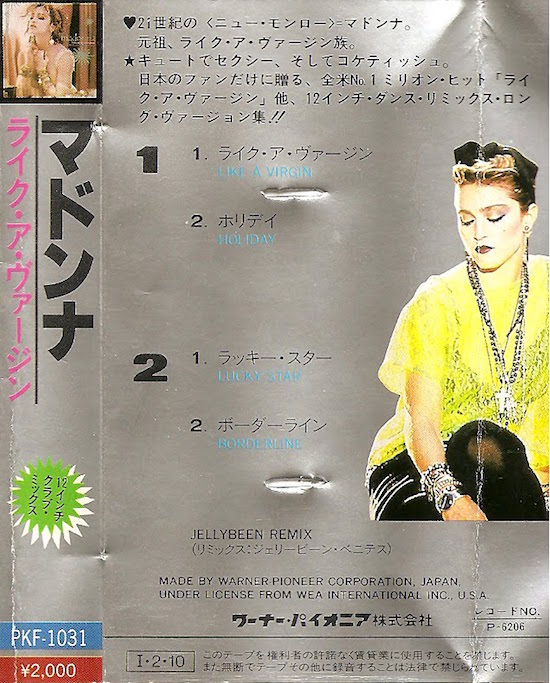
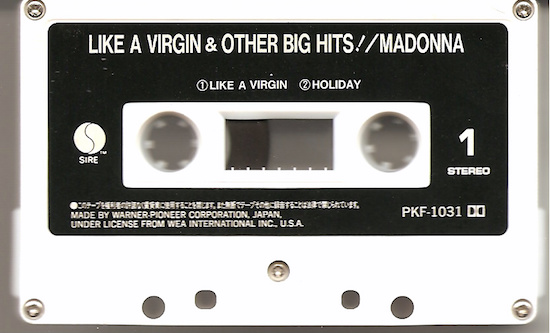
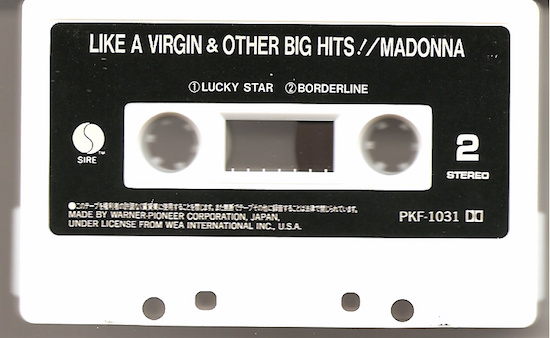
like-a-virgin-madonna-other-big-hits-1 like-a-virgin-madonna-other-big-hits-2 like-a-virgin-madonna-other-big-hits-3 like-a-virgin-madonna-other-big-hits-4

On November 6 1984, Madonna’s Like A Virgin was released as the lead single from the album of the same name.  The b-side for Like A Virgin was Stay.
Billy Steinberg reflected on the recording process and commented that:

“When Madonna recorded it, even as our demo faded out, on the fade you could hear Tom (Kelly) saying, “When your heart beats, and you hold me, and you love me…” That was the last thing you heard as our demo faded. Madonna must have listened to it very, very carefully because her record ends with the exact same little ad-libs that our demo did. That rarely happens that someone studies your demo so carefully that they use all that stuff. We were sort of flattered how carefully she followed our demo on that.“