Today in Madonna History: November 25, 1993

bye-bye-baby-madonna-cd-1 bye-bye-baby-madonna-cd-2 bye-bye-baby-madonna-cd-3 bye-bye-baby-madonna-cd-4 bye-bye-baby-madonna-cd-5 bye-bye-baby-madonna-cd-6 bye-bye-baby-madonna-cd-7 bye-bye-baby-madonna-cd-8 bye-bye-baby-madonna-cd-9

On November 25 1993, Madonna’s Bye Bye Baby debuted at #39 on the Swiss Hit Parade chart, and after three weeks it rose to a peak of number 28, before dropping off the chart.

The Bye Bye Baby single cover was shot by Herb Ritts. This post includes outtakes from that photoshoot.

Today in Madonna History: November 23, 1989

billboard-madonna-top-adult-contemporary-artist-winner

On November 23 1989, Madonna won the Billboard Music Award for Top Adult Contemporary Artist.

Today in Madonna History: November 21, 2000

don-t-tell-me-madonna-single-cd-1 don-t-tell-me-madonna-single-cd-2 don-t-tell-me-madonna-single-cd-3 don-t-tell-me-madonna-single-cd-4 don-t-tell-me-madonna-single-cd-5 don-t-tell-me-madonna-single-cd-6

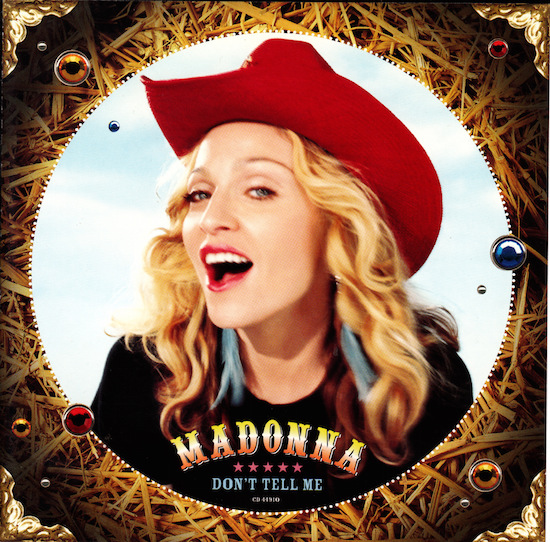
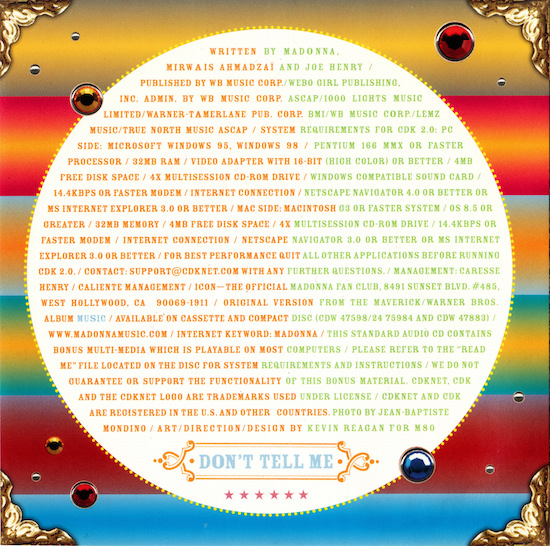
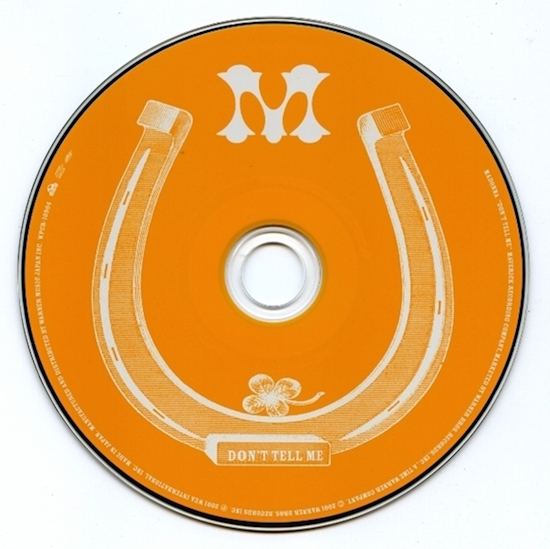
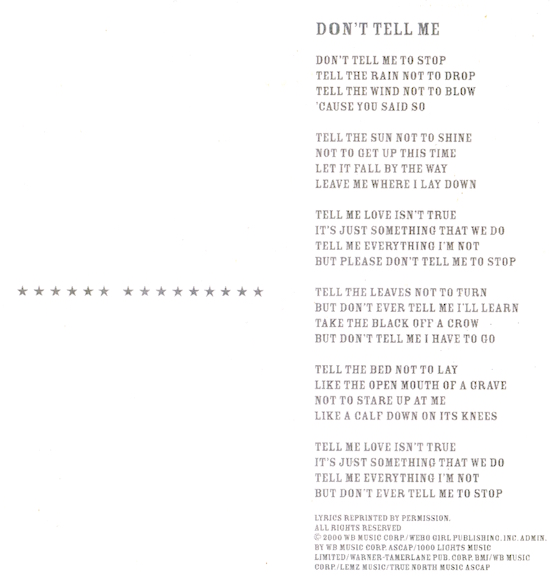
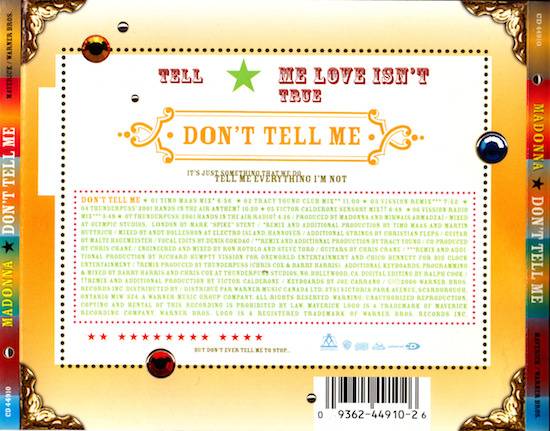
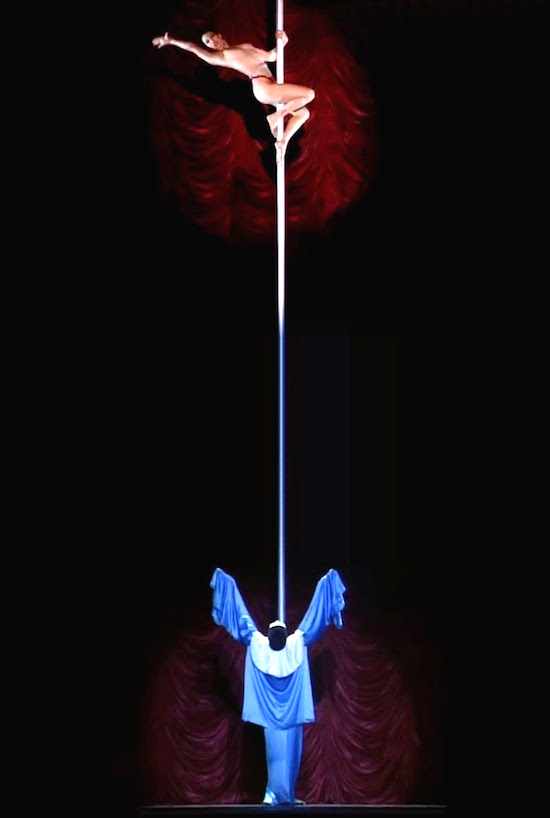
On November 21 2000, the second single from Madonna’s Music album, Don’t Tell Me, was released by Maverick Records. The b-side for Don’t Tell Me was Cyber-Raga.

During an interview for Interview Magazine, in March 2001, Madonna discussed the lyrics for Don’t Tell Me:

“To me it is a romantic song. Just, you know, rip my skin off, do not tell me who I should love, or how I should love. Don’t tell me to give up. To me, in a way it’s like that Frank Sinatra song, ‘If I can make it there, I’ll make it anywhere’.”
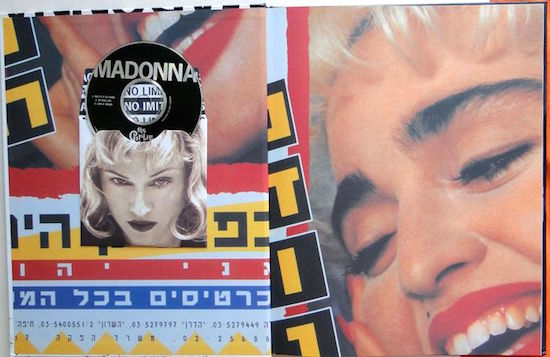
The North American CD maxi-single included the following versions of Don’t Tell Me:

Don’t Tell Me – (Timo Maas Mix) – 6:55
Don’t Tell Me – (Tracy Young Club Mix) – 11:01
Don’t Tell Me – (Vission Remix) – 7:52
Don’t Tell Me – (Thunderpuss’ 2001 Hands in the Air Anthem) – 10:20
Don’t Tell Me – (Victor Calderone Sensory Mix) – 6:48
Don’t Tell Me – (Vission Radio Mix) – 3:38
Don’t Tell Me – (Thunderpuss’ 2001 Hands in the Air Radio) – 4:26
Don’t Tell Me – (Music Video)

Today in Madonna History: November 20, 1993

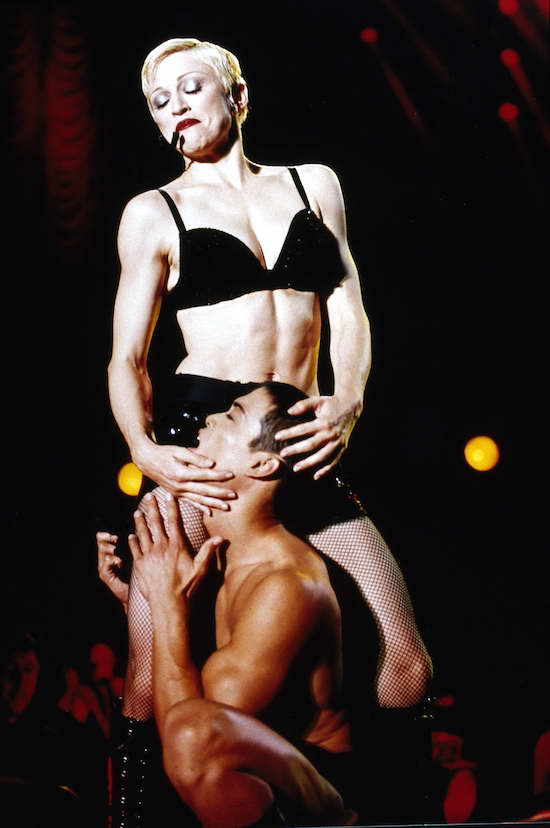
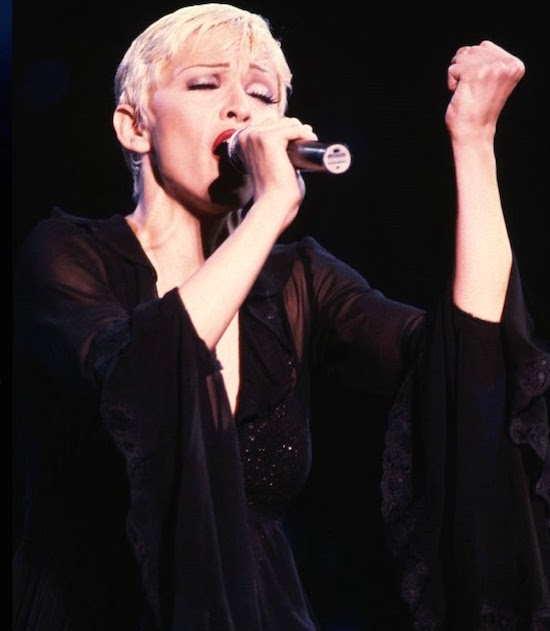
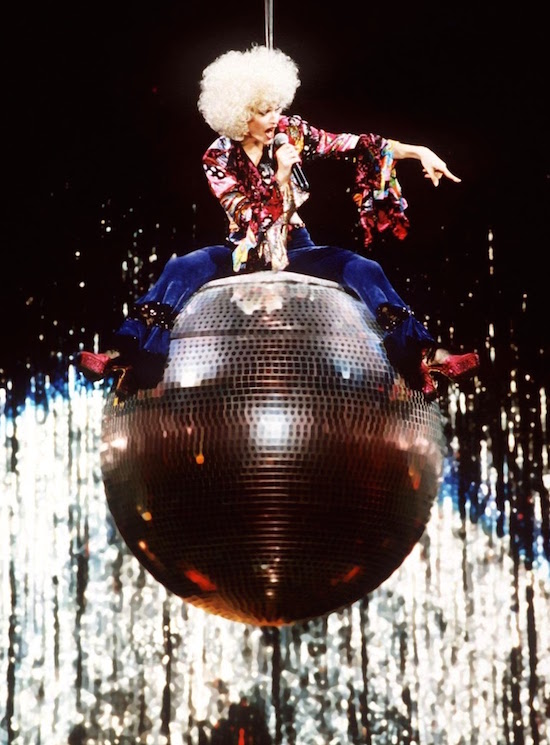
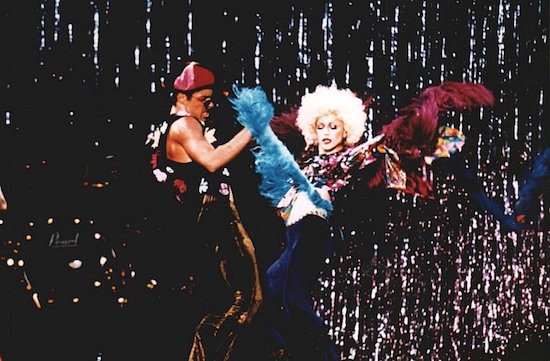
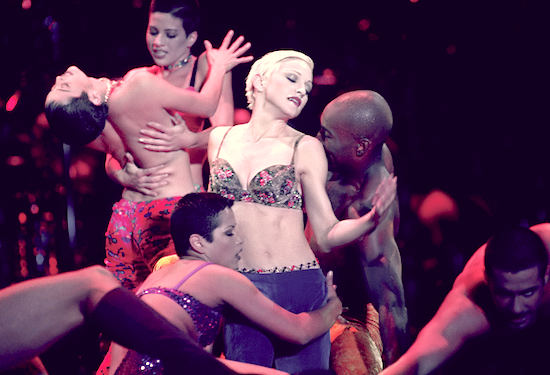
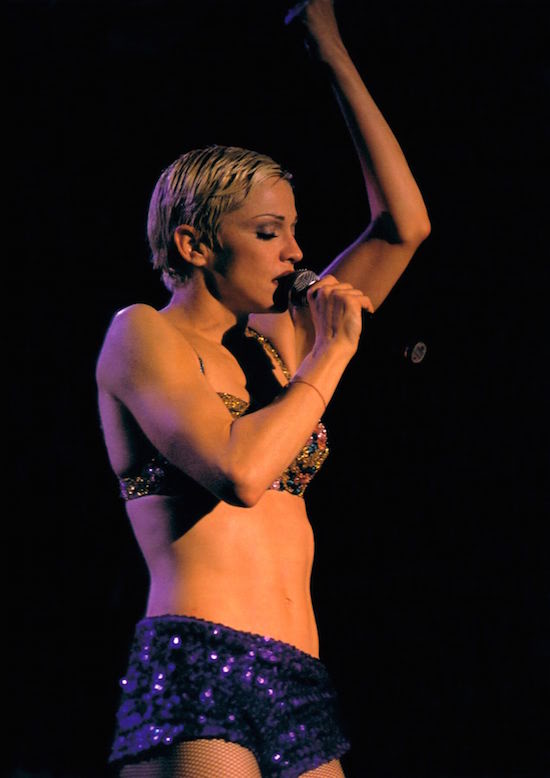
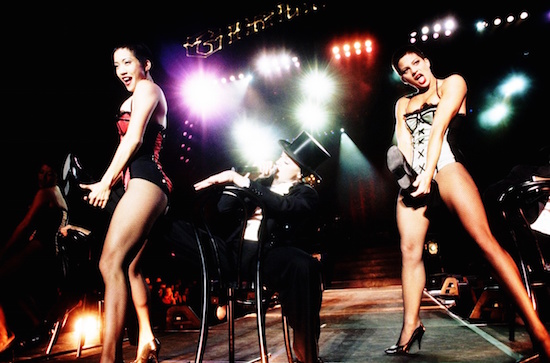
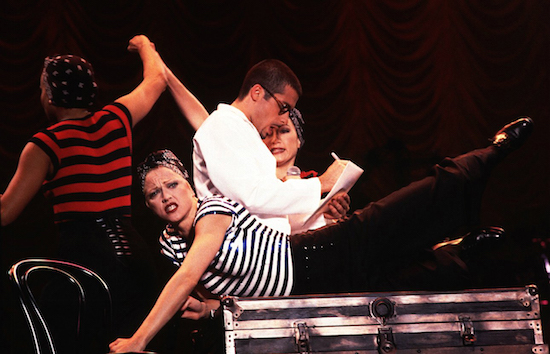
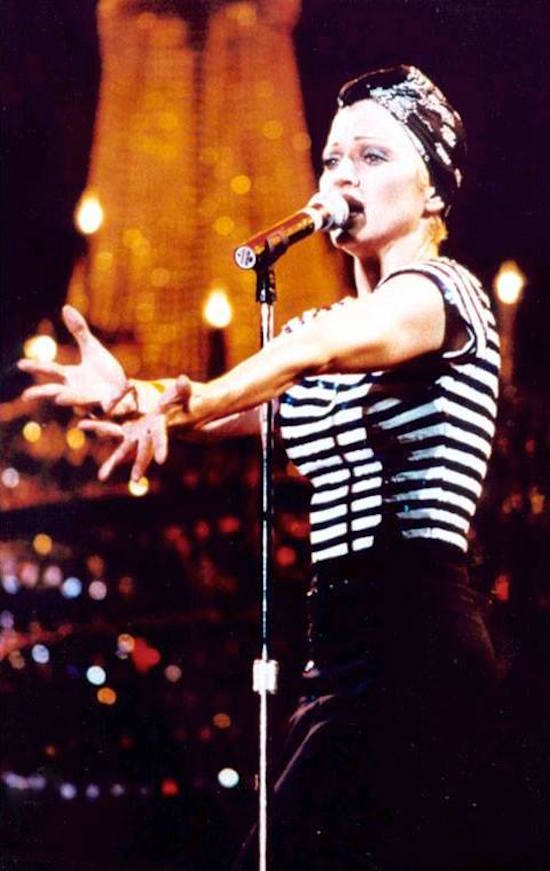
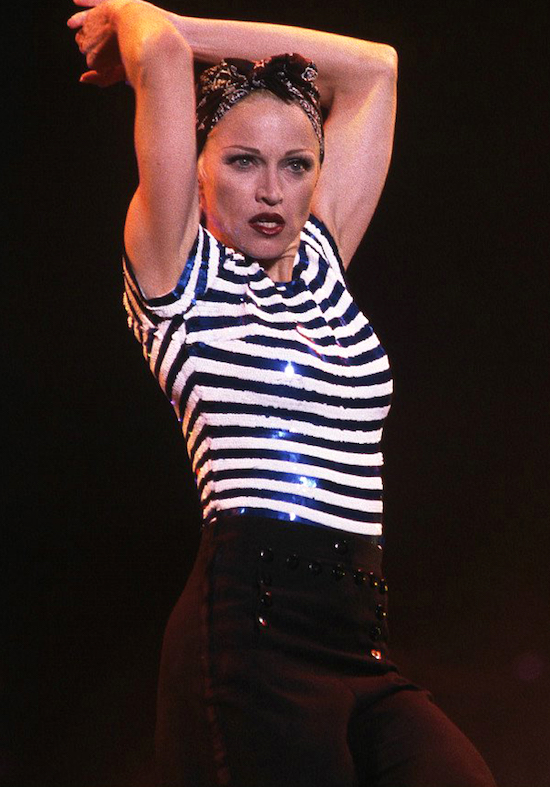
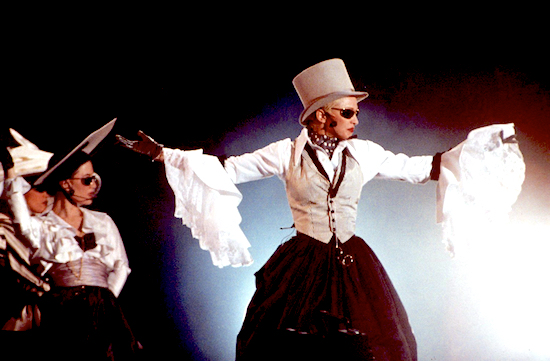
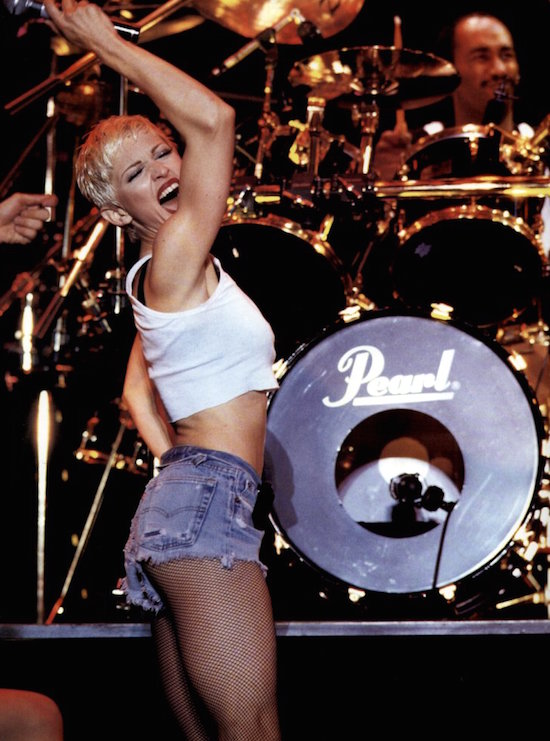
girlie-show-november-93-hbo-1 girlie-show-november-93-hbo-2 girlie-show-november-93-hbo-3 girlie-show-november-93-hbo-4 girlie-show-november-93-hbo-5 girlie-show-november-93-hbo-6 girlie-show-november-93-hbo-7 girlie-show-november-93-hbo-8 girlie-show-november-93-hbo-9 girlie-show-november-93-hbo-10 girlie-show-november-93-hbo-11 girlie-show-november-93-hbo-12 girlie-show-november-93-hbo-13 girlie-show-november-93-hbo-14girlie-show-november-93-hbo-16 girlie-show-november-93-hbo-17

On November 20 1993, Madonna – Live Down Under: The Girlie Show was broadcast on HBO. Live Down Under was the channel’s most watched original program of the year.

The November 20 show was to be filmed at the Sydney Cricket Ground and aired on HBO, however, severe weather conditions forced the cancellation of the show, so the November 19 show (which had been taped at the same venue the night before as a “safety show”) was aired instead.

The broadcast included the following songs:

The Girlie Show Theme
Erotica
Fever
Vogue
Rain / Just My Imagination / Singing in the Rain
Express Yourself
Deeper and Deeper
Why’s It So Hard
The Beast Within
Like A Virgin
Bye Bye Baby
I’m Going Bananas
La Isla Bonita
Holiday
Justify My Love
Everybody is a Star / Everybody

Today in Madonna History: November 18, 1994

girlie-show-callaway-book-1 girlie-show-callaway-book-1b girlie-show-callaway-book-1c girlie-show-callaway-book-5 girlie-show-callaway-book-6 girlie-show-callaway-book-2 girlie-show-callaway-book-3 girlie-show-callaway-book-4 girlie-show-callaway-book-8

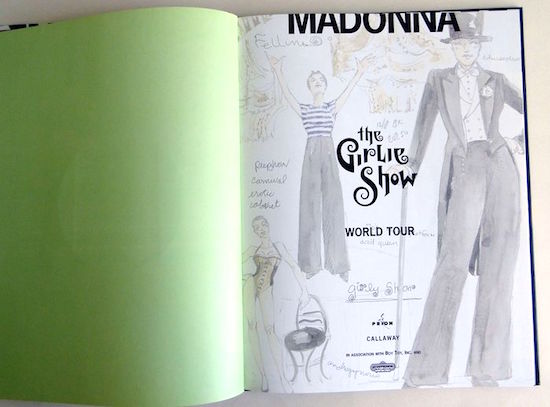
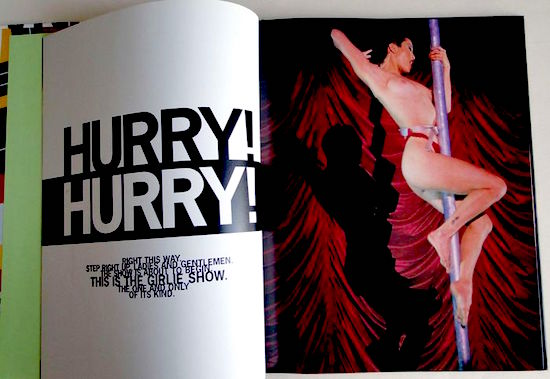
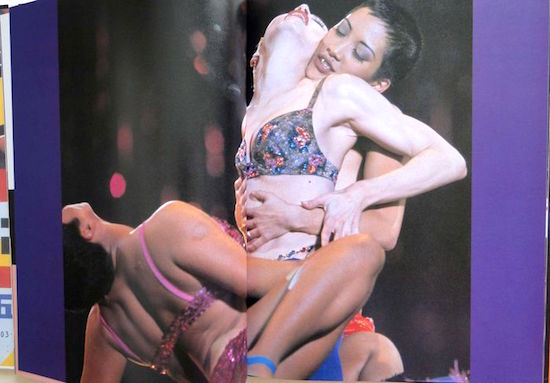
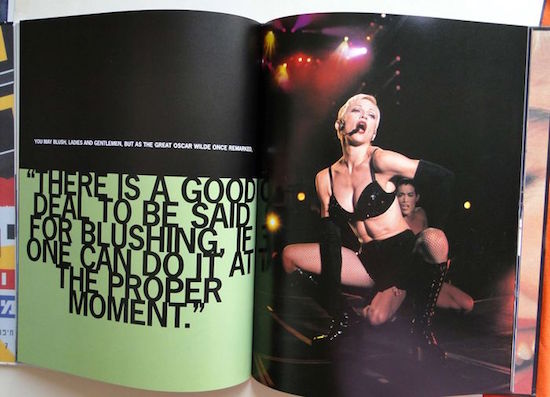
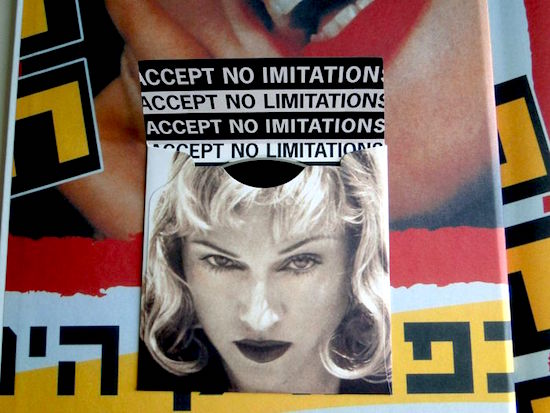
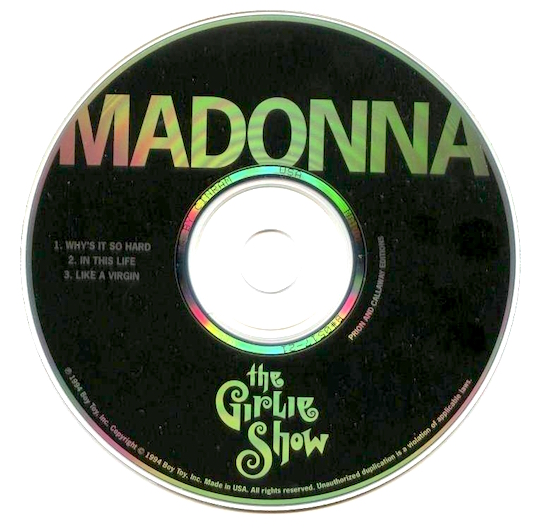
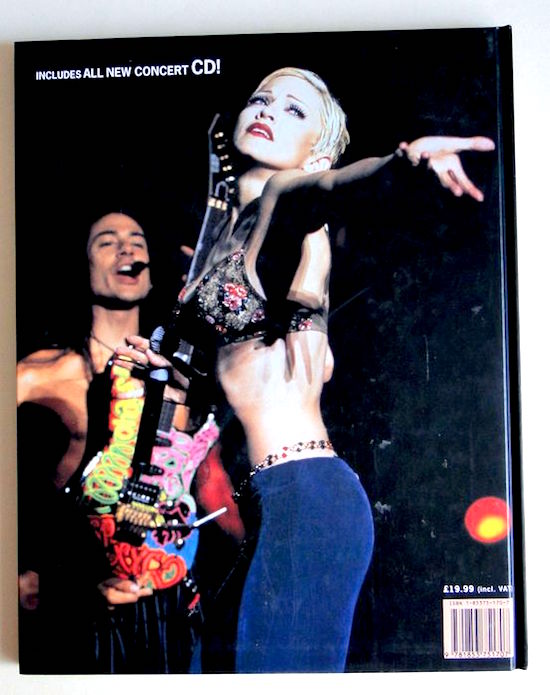
On November 18 1994, Madonna released her second coffee table book, The Girlie Show, with 70-pages of photographs from the tour and a 3-song live CD, which included Like A Virgin, In This Life and Why’s It So Hard.

The book was published in the US by Callaway.  The book sold 140,000 copies (the book is now out of print). The Girlie Show was also published in the UK, France, Germany and Japan.

Today in Madonna History: November 17, 1987

you-can-dance-album-of-the-year-1 you-can-dance-album-of-the-year-2 you-can-dance-album-of-the-year-3 you-can-dance-album-of-the-year-4

On November 17 1987, Madonna’s first remix collection, You Can Dance, was released by Sire Records.

The LP version included the following tracks:

Spotlight
Holiday
Everybody
Physical Attraction
Over and Over
Into the Groove
Where’s the Party

The CD release included the following bonus tracks:

Holiday (Dub Version)
Into the Groove (Dub Version)
Where’s the Party (Dub Version)

The cassette release included this track listing:

Spotlight
Holiday
Everybody
Physical Attraction
Spotlight (Dub Version)
Holiday (Dub Version)
Over and Over
Into the Groove
Where’s the Party
Over and Over (Dub Version)
Into the Groove (Dub Version)

Patrick Leonard had this to say about working on You Can Dance:

“Remixing is a form of secondary creativity. Dance music elevates the DJ and the mixer to being almost on a level with the musician. In my opinion this is false. Manipulation of pre-recorded sound sources may be creative in a secondary sense, and may be valid in its own field, but it is pseudo musicianship. That’s why we tried to have a fresh approach to the songs for You Can Dance, as if we were developing and composing them for the first time.”

Today in Madonna History: November 16, 1989

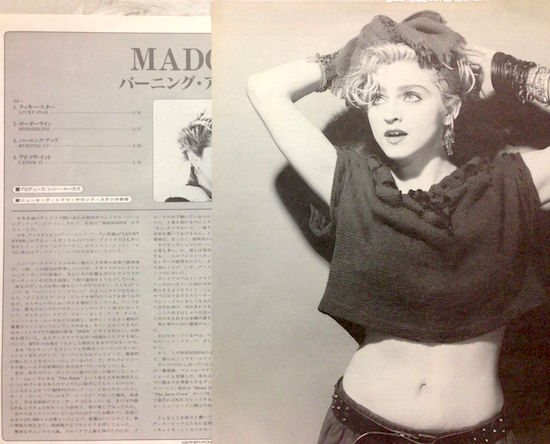
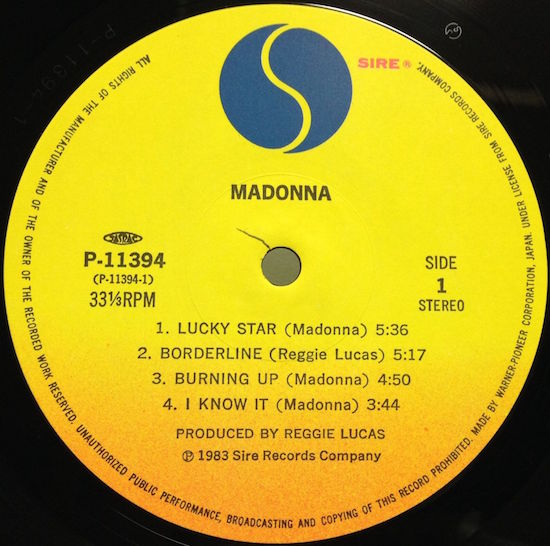
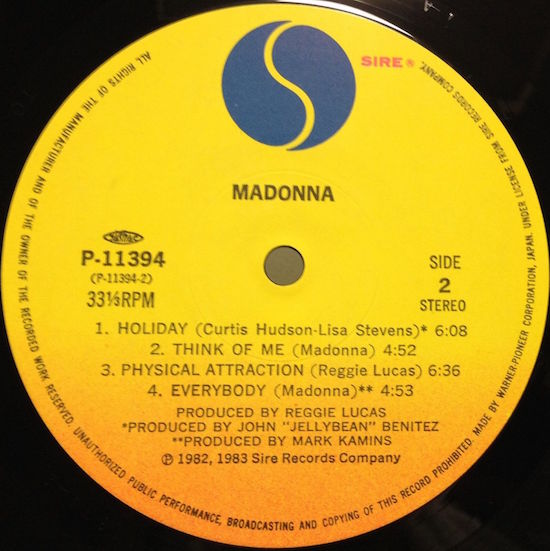
first-album-debut-madonna-1 first-album-debut-madonna-2 first-album-debut-madonna-3 first-album-debut-madonna-4

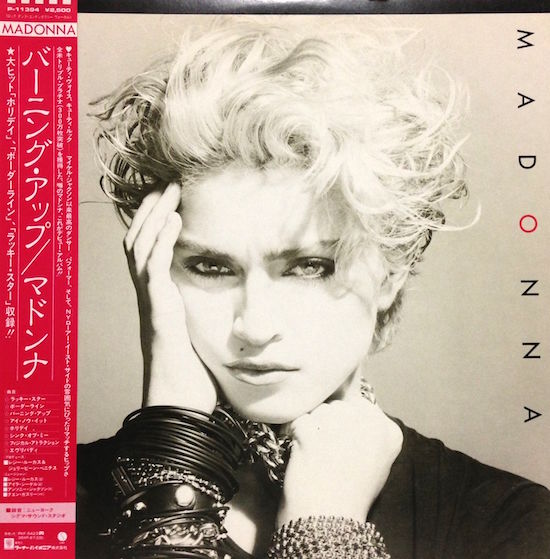
On November 16 1989, Madonna’s eponymous album was ranked #50 in Rolling Stone magazine’s list of The 100 Greatest Albums Of The 1980s.

Here’s what Rolling Stone had to say of Madonna’s debut album:

Five years after arriving in New York City from her hometown of Pontiac, Michigan, Madonna Louise Ciccone had little to show for a lot of work. By 1982, she had managed to get only a few gigs singing with drummer Stephen Bray’s band, the Breakfast Club, at clubs like CBGB and Max’s Kansas City, and the future looked far from bright.

“I had just gotten kicked out of my apartment,” Madonna says, “so the band let me live in their rehearsal space at the Music Building, on Eighth Avenue. Stephen had keys to all the rehearsal rooms, so when I decided to make my own demos, we’d go into other people’s studios at night and use their four-track machines.”

Armed with a tape, Madonna began making the rounds of New York’s dance clubs. “I had heard that a lot of A&R people hung out at the clubs,” she says, “and I thought trying to go see them at their offices would be a waste of time.” It proved a good strategy: Through Mark Kamins, the DJ at Danceteria, the tape found its way to Sire Records, and Madonna was signed by label president Seymour Stein. “Seymour was in the hospital at the time,” she says. “I got signed while he was lying in bed in his boxer shorts.”

The contract with Sire guaranteed just one single, but it had options for recording albums as well. With Kamins producing, Madonna cut the moody disco track Everybody as her debut single. But when Sire picked up its option to record an album, she decided to try a different producer. “I wanted someone who’d worked with a lot of female singers,” she says.

Reggie Lucas, the Grammy-winning songwriter who had produced Stephanie Mills and Roberta Flack, was selected. After recording the album’s second single, the Lucas-penned Physical Attraction, he and Madonna cut the rest of the album, with the exception of Holiday, which was produced by Jellybean Benitez.

“Things were very informal and casual,” Lucas says of the sessions. “It was my first pop project, and she was just a new artist. I had no idea it would be the biggest thing since sliced bread.”

Indeed, initial response to Madonna gave no indication of the mania to follow. It took a year and a half for the album to go gold. But its assured style and sound, as well as Madonna’s savvy approach to videos, helped the singer make the leap from dance diva to pop phenom, and it pointed the direction for a host of female vocalists from Janet Jackson to Debbie Gibson.

“It influenced a lot of people,” says Madonna, who cites Chrissie Hynde and Debbie Harry as her own musical heroes. “I think it stands up well. It just took a long time for people to pay attention to me —and I thank God they did!”