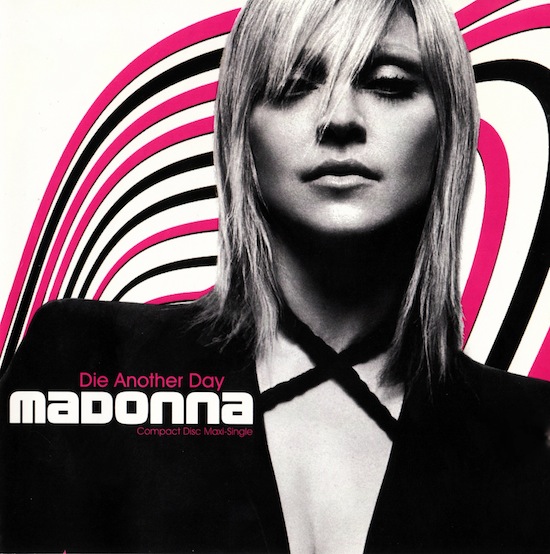
On November 23 2002, Madonna’s Die Another Day single peaked at #1 on the Canadian Soundscan Singles Sales chart where it would stay for an impressive seven (non-consecutive) weeks.

On November 23 2002, Madonna’s Die Another Day single peaked at #1 on the Canadian Soundscan Singles Sales chart where it would stay for an impressive seven (non-consecutive) weeks.

On November 22 1995, Madonna was featured on VH1’s television series VH1 To One in a previously recorded interview with Jane Pratt. The appearance was part of Madonna’s promotional activities for the ballads compilation, Something To Remember.
The interview was conducted in London, where Madonna had recently begun recording the soundtrack to Evita.
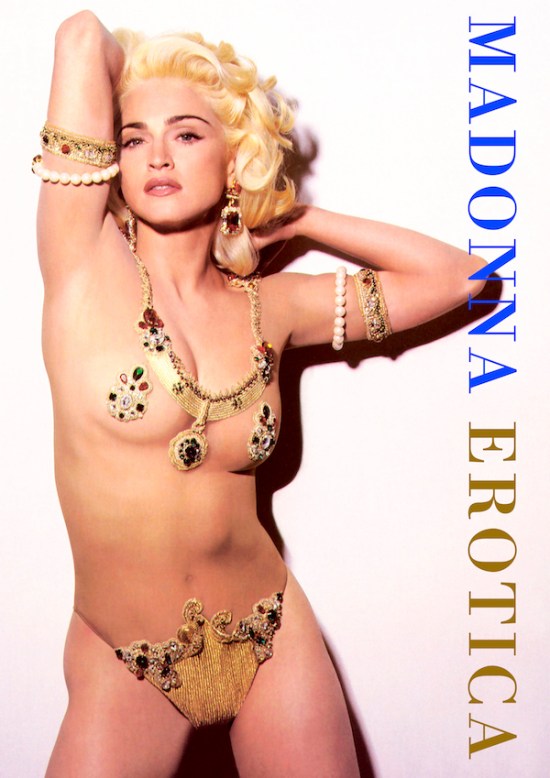
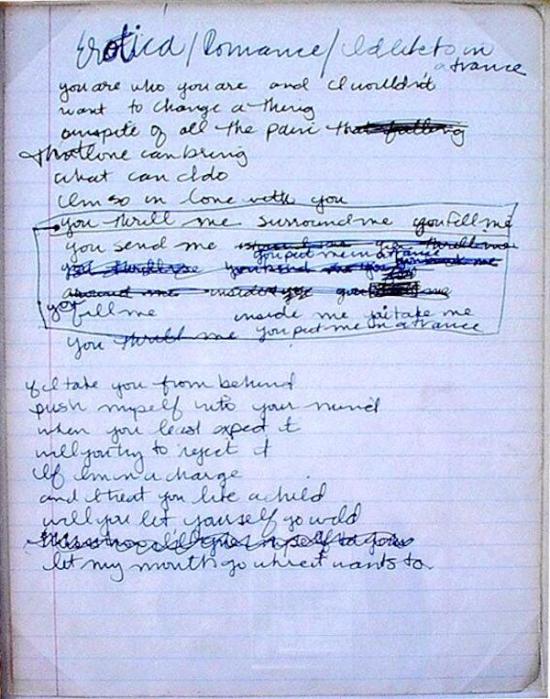
On November 21 1992, Madonna’s Erotica peaked at #1 on the Billboard Hot Dance Club Songs chart in the USA.
Scott Kearnan (Boston.com) had this to say about the controversial hit single when reflecting on Madonna’s best songs:
“No pop star of her fame has been this sexually transgressive before or since… Rihanna sings about “S&M” like it’s a song about My Little Pony, but Madonna dishes on pain, pleasure, and power with the conviction of a whip crack”.

On November 20 1993, Madonna – Live Down Under: The Girlie Show (taped November 19th at Sydney Cricket Ground) was broadcast on HBO-TV. In Australia, Madonna postponed a scheduled concert at the Sydney Cricket Ground due to severe rain.
Recording of the November 19th show had been intended to serve as both a practice run for the following night, and as a safety recording in the event of technical difficulties or cancellation of the November 20th concert. With Madonna apparently satisfied with the safety footage captured on the 19th, neither the December 3rd show at the Cricket Ground nor the rescheduled date (December 4th) served to provide supplemental footage for the eventual VHS/laserdisc release. The only notable differences between the HBO broadcast and the released version were some alternate camera angles and additional audio mixing.
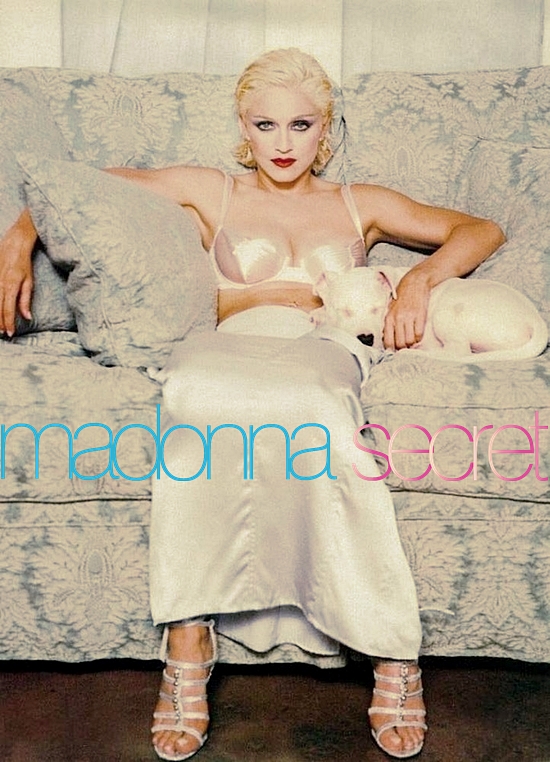
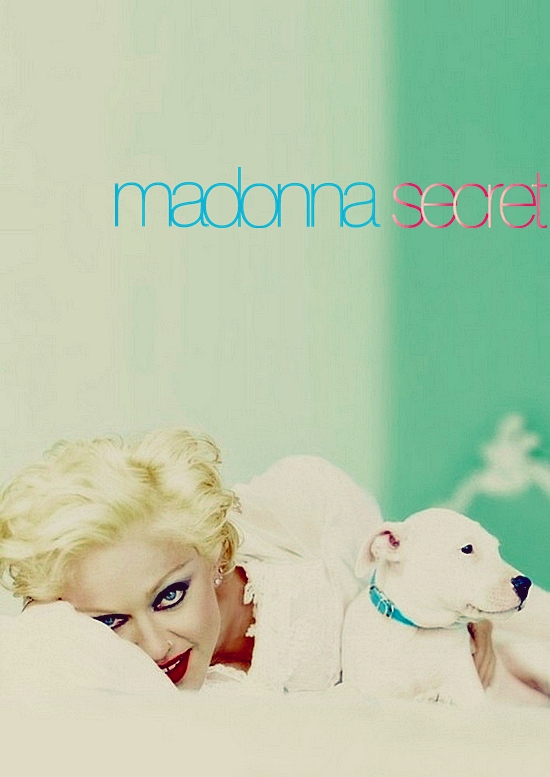
On November 19 1994, Bedtime Stories‘ lead single, Secret, peaked at #2 on the Hot Adult Contemporary chart in the U.S.
Secret would spend a total of 26 weeks on the Hot AC chart.

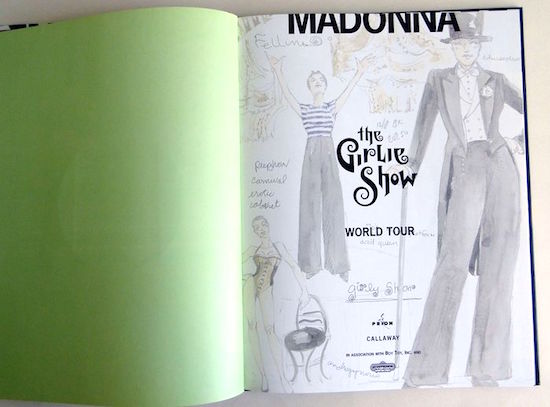
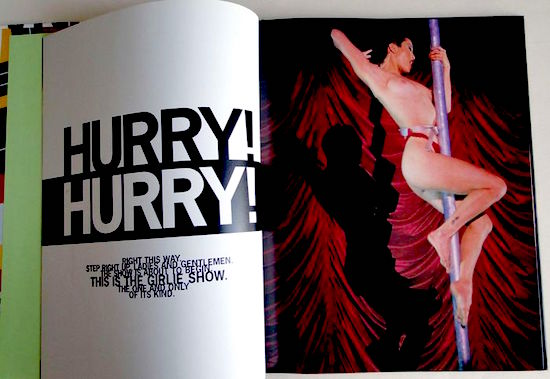
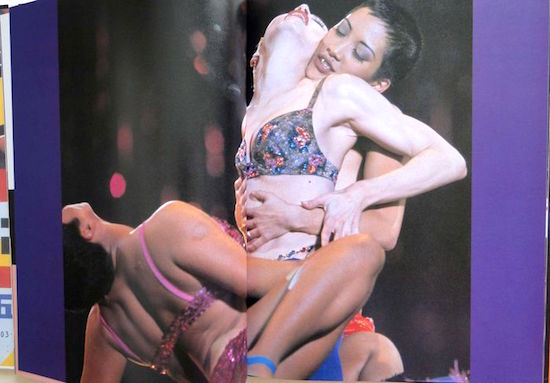
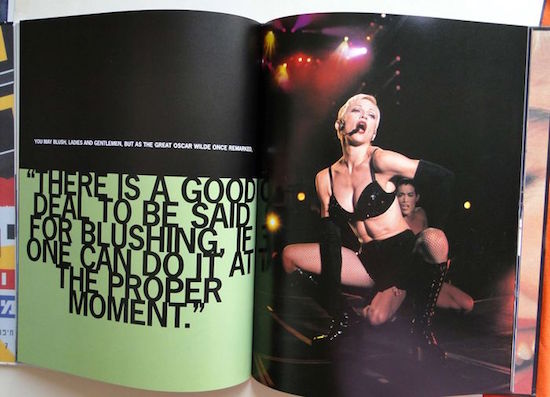
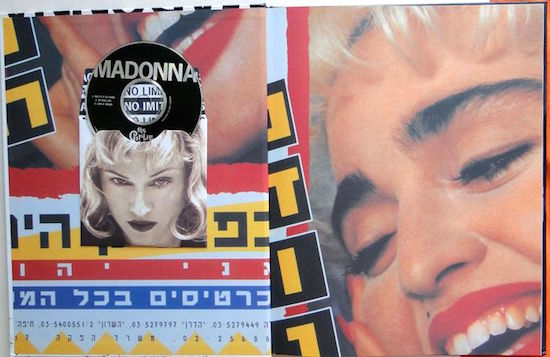
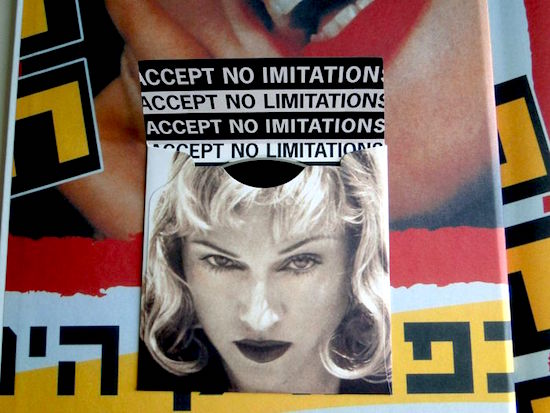
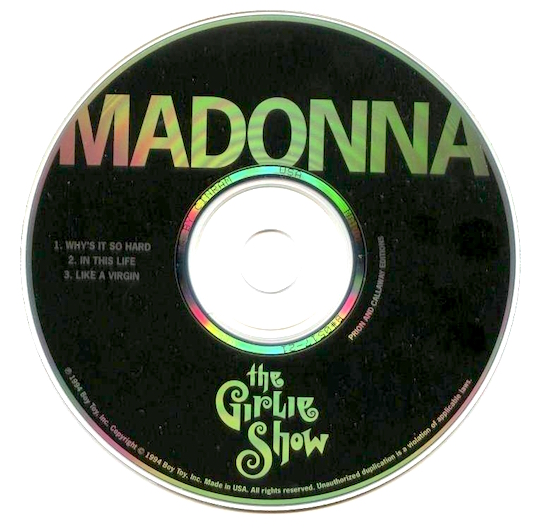
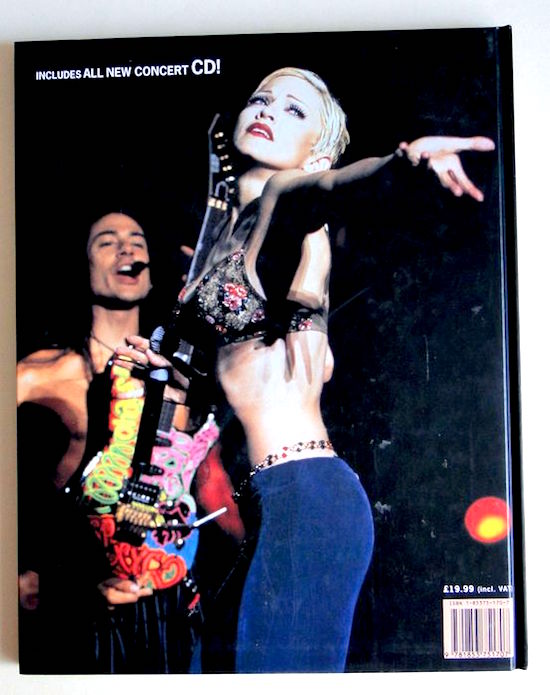
On November 18 1994, Madonna released her second coffee table book, The Girlie Show, with 70-pages of photographs from the tour and a 3-song live CD, which included Like A Virgin, In This Life and Why’s It So Hard.
The book was published in the US by Callaway. The book sold 140,000 copies (the book is now out of print). The Girlie Show was also published in the UK, France, Germany and Japan.

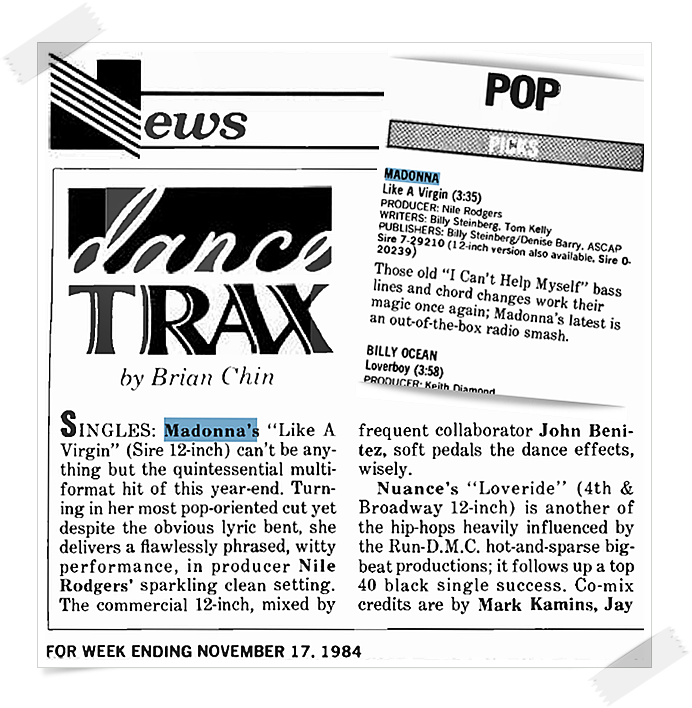

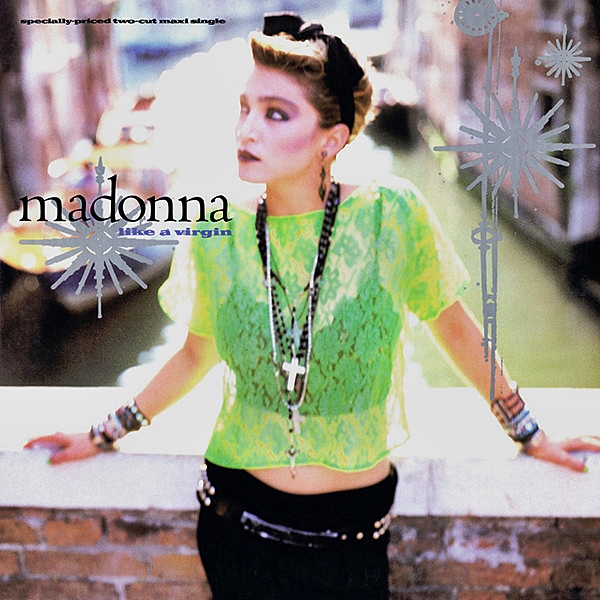
On November 17 1984, the title-track and lead single from Madonna’s Like A Virgin album entered the Billboard Hot 100 at #48 – the week’s highest debut – hot on the heels of its commercial release as a 7-inch single in the preceding sales week. A commercial 12-inch single was also issued in North America during the chart week ending November 17th, with Like A Virgin pouncing onto the Hot Dance/Disco Sales chart at #26 in the November 24th issue of Billboard.
Created by the successful pop songwriting team of Tom Kelly & Billy Steinberg and produced by Nile Rodgers, the demo of Like A Virgin – sung by Kelly – was initially introduced to Madonna by Warner Bros. Records’ A&R rep Michael Ostin (son of then-CEO of Warner, Mo Ostin).
In a 2009 interview for Rolling Stone magazine, Madonna recalled her impressions upon first listening to the demos of Like A Virgin and its follow-up single, Material Girl:
“I liked them both because they were ironic and provocative at the same time but also unlike me. I am not a materialistic person, and I certainly wasn’t a virgin, and, by the way, how can you be like a virgin? I liked the play on words; I thought they were clever. They’re so geeky, they’re cool. I never realized they would become my signature songs, especially the second one.”
As audio engineer Jason Corsaro noted in a 2007 interview with Sound On Sound magazine, although she officially ceded production credit to Rodgers, Madonna was actively engaged in all aspects of the recording sessions for the album and title-track:
“Nile was there most of the time, but she was there all of the time. She never left.”
Like A Virgin made a high-profile debut via live performance during the first annual MTV Video Music Awards on September 14th, 1984.
With previous single Lucky Star still ascending the North American charts, however, the official release of Like A Virgin was held back by Warner Bros. Records in a bid to allow the former (along with its parent album) to reach its full chart potential. This strategy proved successful, with Madonna earning her first U.S. Top-5 single with Lucky Star in the October 20th issue of Billboard, while Like A Virgin would reach #1 in the December 22nd issue.
 Today In Madonna History