Today in Madonna History: February 15, 1985

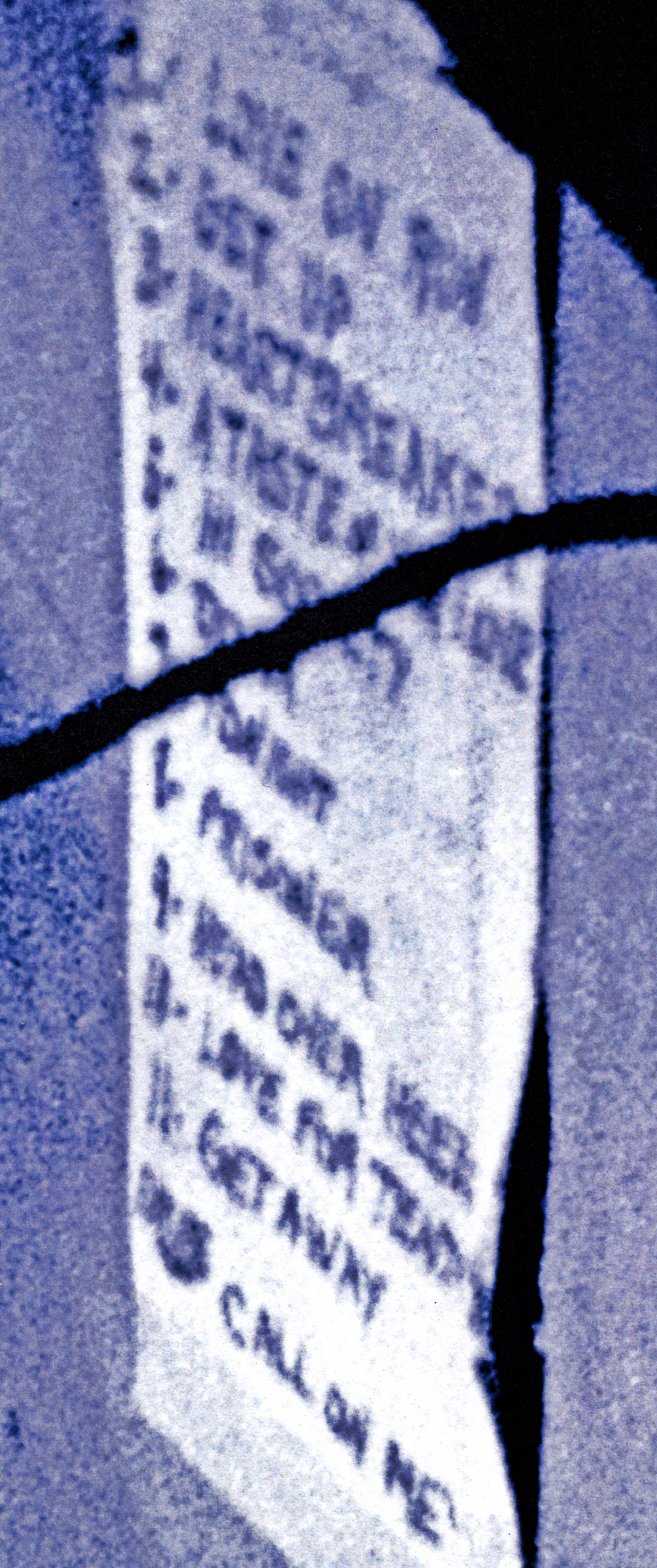
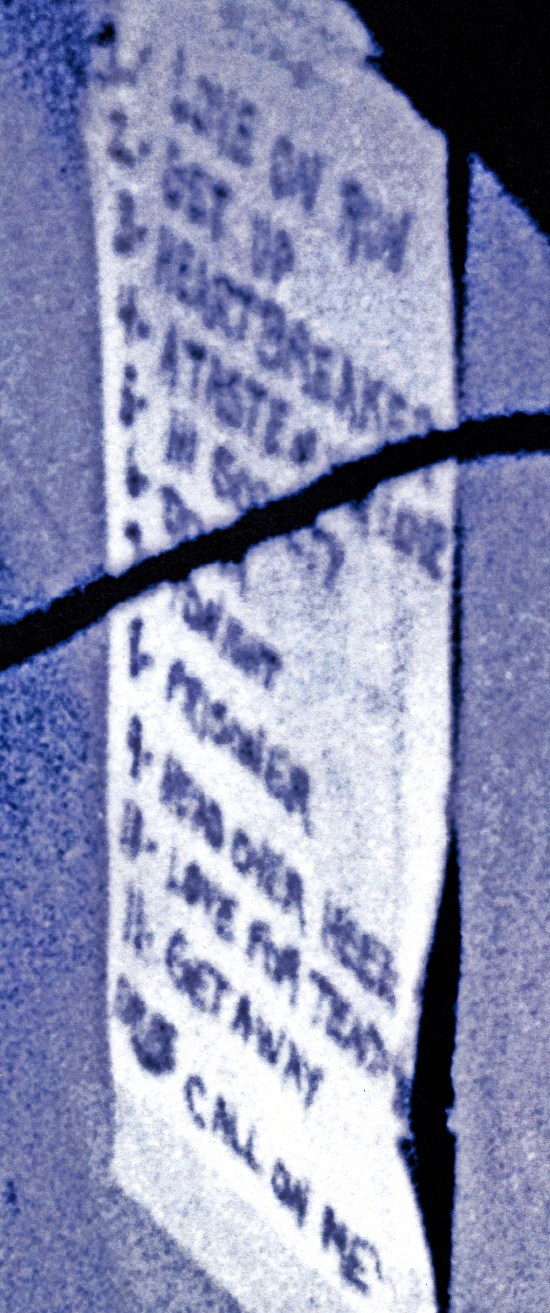
Vision Quest (Coreman) 2 550 Vision Quest (Coreman) 1 550

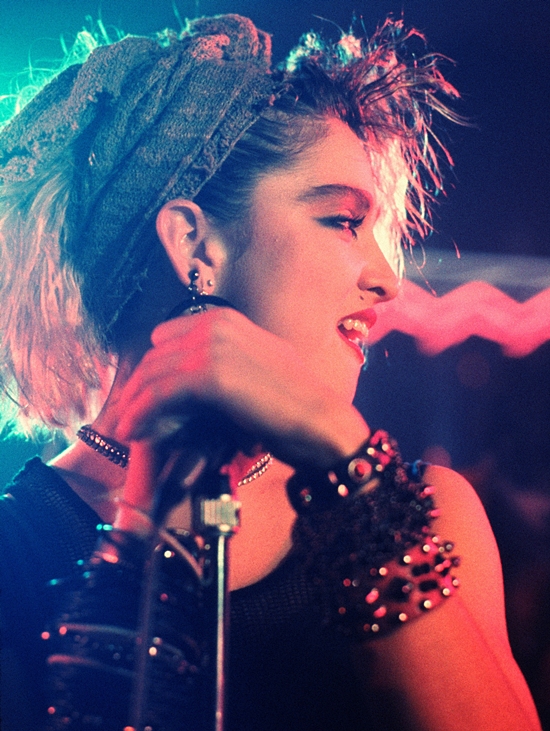
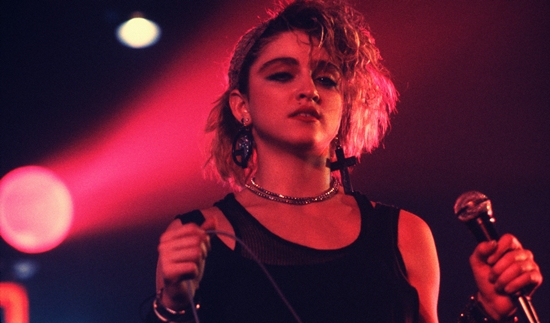
On February 15 1985, the Vision Quest original motion picture soundtrack was released on Geffen Records. To promote the release, music videos for Crazy For You and Gambler were both serviced to MTV together in late January.

Despite Gambler only being released as a single in markets outside North America, its video received moderate rotation from MTV nonetheless – possibly due to the fact that there were no competing videos produced for the final two singles from Like A Virgin.

Gambler was Madonna’s last entirely self-written single until the 2007 release of the charity single, Hey You. Other singles for which she received sole writing credit include Everybody (which was in fact a Stephen Bray co-write, however a publishing arrangement granted him sole credit for another of their collaborations, Ain’t No Big Deal, in trade), Burning Up, Lucky Star and Sidewalk Talk. Album tracks Think Of Me, I Know It and Shoo-Bee-Doo were also entirely self-written.

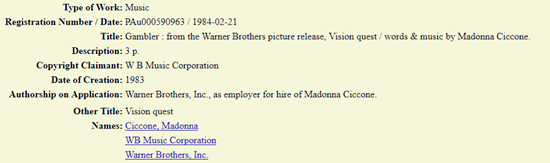
Gambler LOC entry 550

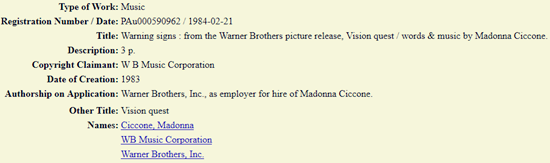
A third Madonna song that was recorded for the Vision Quest soundtrack, Warning Signs, was eventually dropped from the project. A cassette copy of the song, which is also credited to Madonna alone, was submitted to the Library of Congress for copyright registration in February of 1984, at the same time as Gambler.

Warning Signs LOC entry 550

With Stephen Bray having confirmed his involvement in the song’s production (which he described as “a cool synth track”), it appears that its production credits would mirror those of Gambler, which was produced by Jellybean Benitez and arranged by Bray. Given that early press for Vision Quest (including an on-set interview with Madonna herself) mentioned the inclusion of three new songs, footage of Madonna performing Warning Signs was likely filmed but ended up on the cutting room floor. Surprisingly, this additional footage has never resurfaced and the song has never leaked.

Today in Madonna History: October 3, 1987

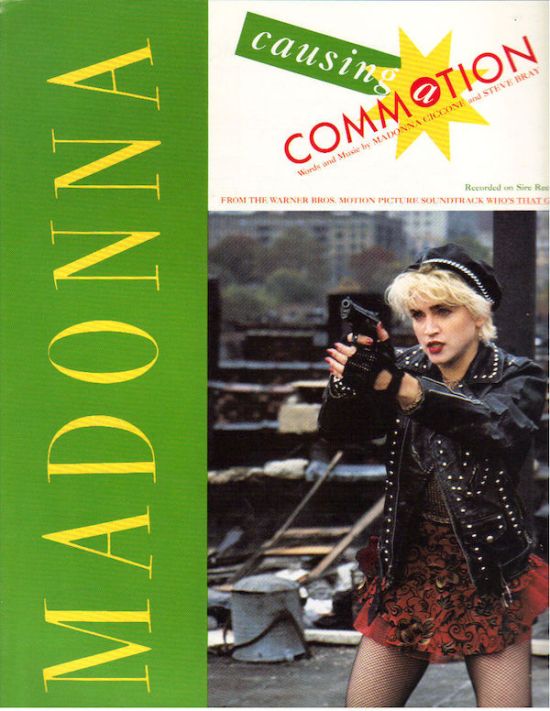
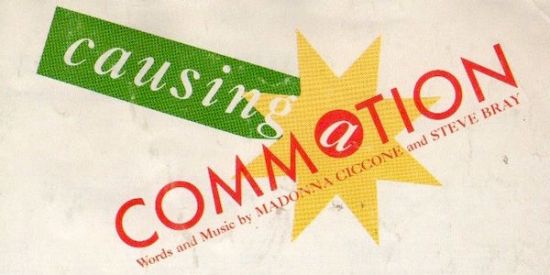
On October 3 1987, Madonna’s second single from the Who’s That Girl film soundtrack, Causing A Commotion, debuted at #24 on the Billboard Hot Dance Club Play chart in the USA.

This is what Camille Paglia had to say about the song:

“I recall my stunned admiration as I sat in the theatre in 1987 and first experienced the crashing, descending chords of Madonna’s Causing a Commotion, which opened her dreadful movie Who’s That Girl. If you want to hear the essence of modernity, listen to those chords, infernal, apocalyptic, and grossly sensual. This is the authentic voice of fin de siècle.”

Today in Madonna History: August 25, 1987

madonna-causing_a_commotion(2)

On August 25 1987,  Causing a Commotion was released as the second single from the soundtrack album Who’s That Girl, by Sire Records. Causing a Commotion was written and produced by Madonna and Stephen Bray, the song was inspired by Madonna’s relationship with then husband Sean Penn, and his abusive and violent nature.

Today in Madonna History: February 2, 1990

On February 2 1990, the fifth North American single from the Like A Prayer album, Keep It Together, was reviewed in Billboard magazine.

Today in Madonna History: October 25, 1986

On October 25 1986, Billboard magazine reported that Madonna visited Larrabee Sound studios in Santa Monica to co-produce a track for Nick Kamen with Stephen Bray – and to oversee the mixing of Spotlight and the remixing of Holiday with Jellybean Benitez.

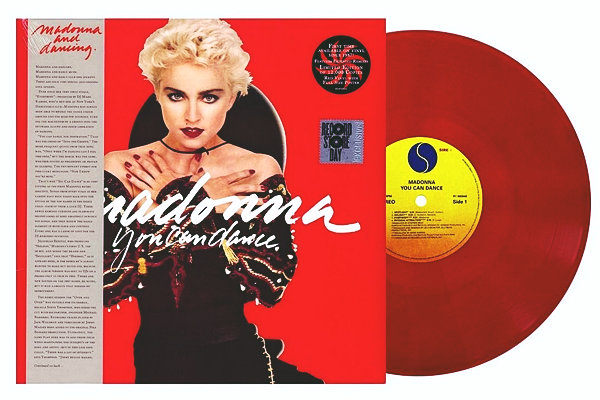
Billboard had previously announced in their October 4th issue that Sire Records planned to release a six-song Madonna EP titled You Can Dance ahead of the 1986 holiday season, featuring a previously unreleased cut Spotlight and five mixes of previously released songs.

But as we all know, You Can Dance would instead be promoted as full-length remix LP and would not hit the record store shelves until November of 1987.

Today in Madonna History: October 19, 1981

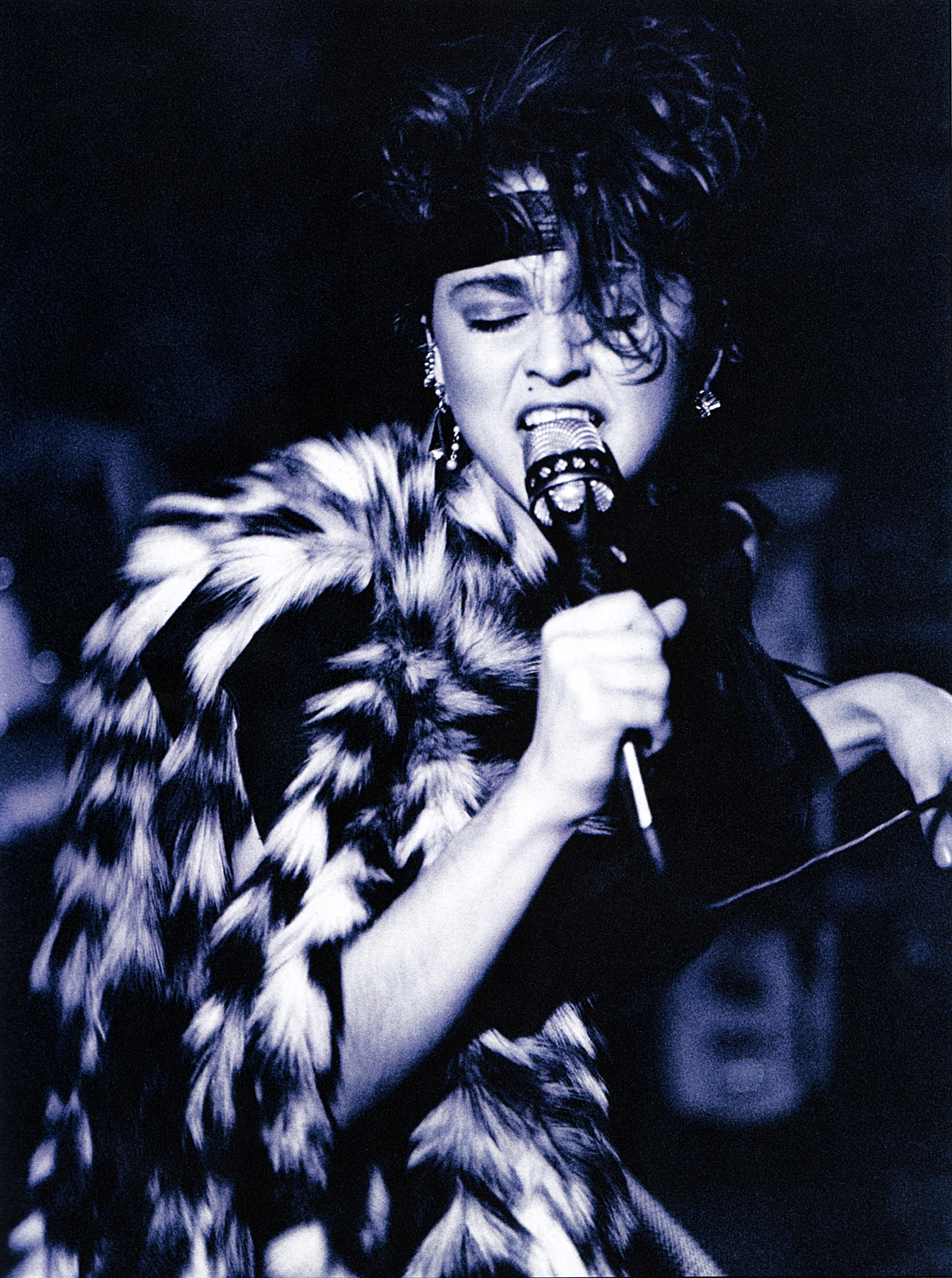
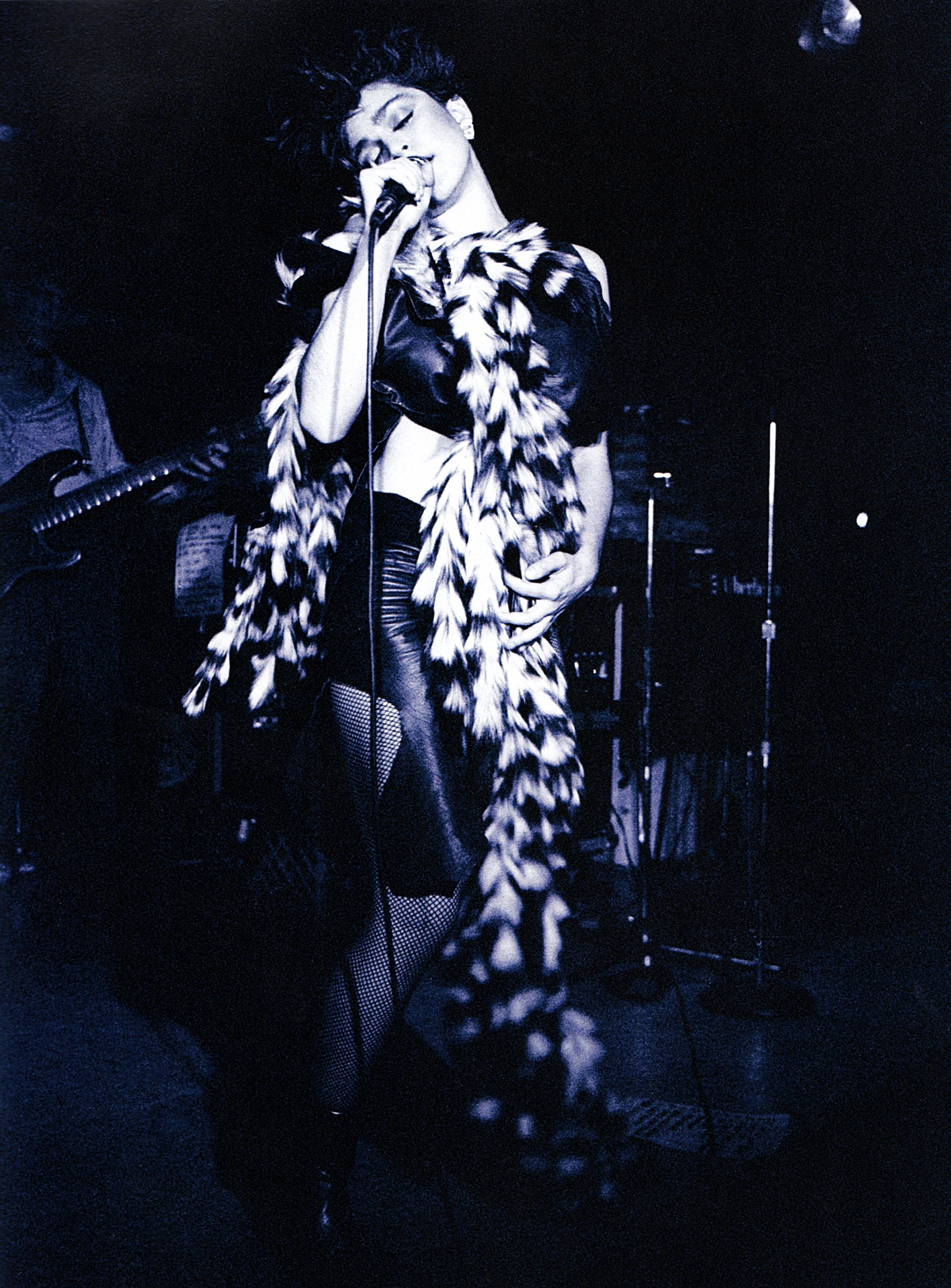
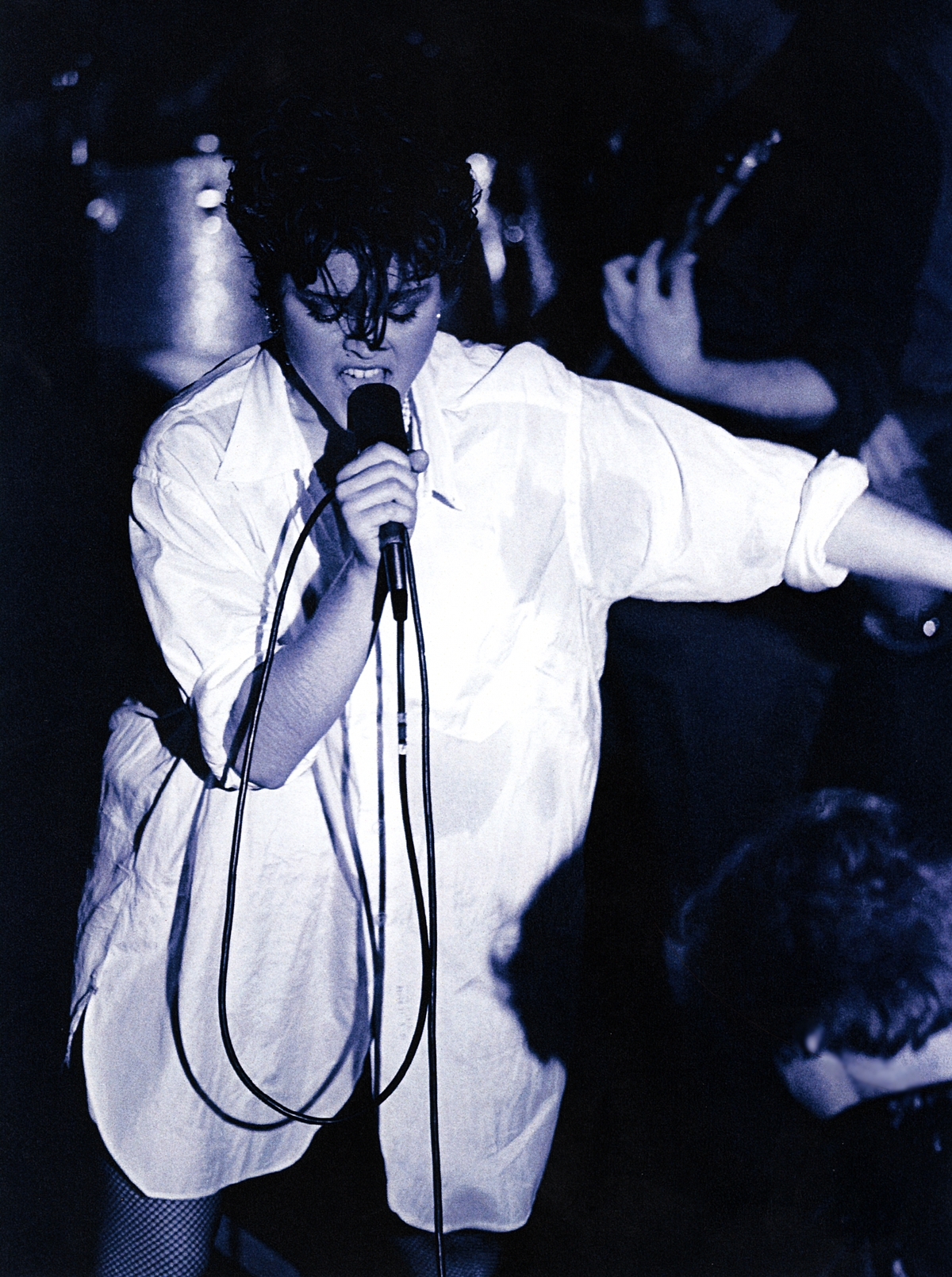
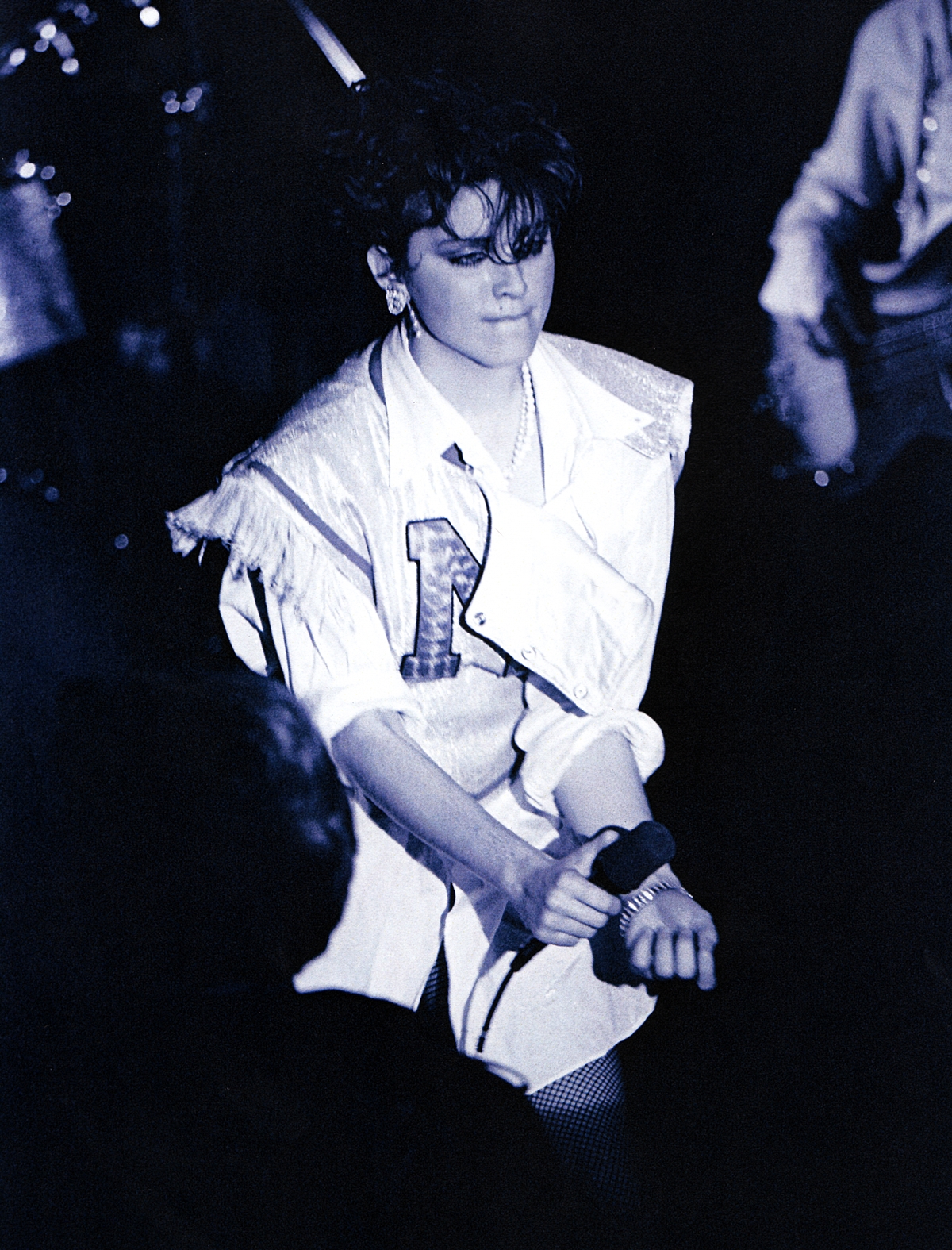
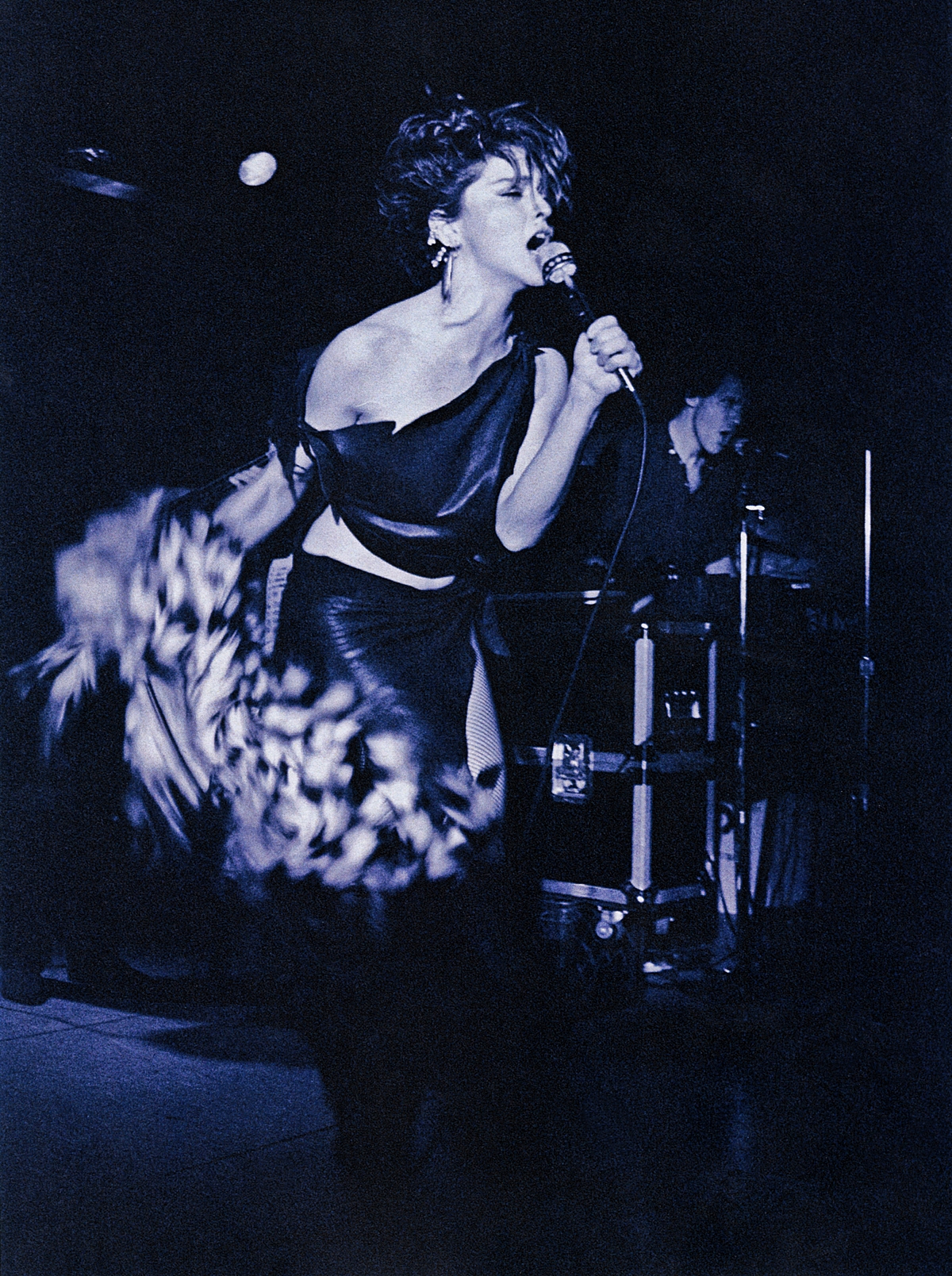
On October 19 1981, Madonna performed at Uncle Sam’s Blues Club in Roslyn, NY. Her manager at the time, Camille Barbone, had hired photographer George DuBose to capture Madonna’s two sets that evening.

Madonna’s band during the show consisted of Bob Riley on drums (later replaced by Steve Bray), John Kumnick on bass, Jon Gordon on guitar (later replaced by Paul Pesco) & David Frank on keyboards. When Madonna terminated her management agreement with Barbone in early 1982, she continued her working relationship with Bray, Pesco & Frank.

Steve Bray would co-write tracks that would appear on Madonna’s demo tape which landed her a recording contract with Sire Records later that year, and their collaboration remained successful throughout the 80’s.

Paul Pesco played guitar (along with Madonna herself) on the aforementioned demo and would also appear on Madonna’s self-titled debut album and her first concert tour, The Virgin Tour. Years later, he played on the Erotica album and joined Madonna’s touring band again for The Girlie Show in 1993.

David Frank, who soon found success as half of the electronic music duo The System, co-wrote an early version of Crimes Of Passion with Madonna before she decided to rewrite the music with Bray. The System’s hit In Times Of Passion is based on his ideas for the song but feature new lyrics from The System’s vocalist, Mic Murphy. Frank was also involved with the mysterious Otto Von Wernherr demos, believed to have been recorded in early 1982 prior Madonna’s deal with Sire, as he is credited for arrangement on the 1986 Japanese 12-inch release of Cosmic Climb (his name was subsequently omitted from Wernherr’s later releases).

Interestingly, The System’s other half, Mic Murphy, co-wrote the unreleased Erotica-era demo Dear Father with Madonna in the early 90’s. Pesco, who may have played guitar on this demo given his involvement during the album sessions, was also the guitarist for The System.

Today in Madonna History: October 18, 1986

madonna-true-blue-vinyl-blue

On October 18 1986, Madonna’s True Blue debuted at #27 on the Billboard Hot 100 Single Sales chart. True Blue spent 10 weeks on the chart, eventually peaking at #4 on November 15.