Today in Madonna History: December 22, 1984

madonna-like-a-virgin-single-december-1 madonna-like-a-virgin-single-december-2a madonna-like-a-virgin-single-december-2b madonna-like-a-virgin-single-december-2c madonna-like-a-virgin-single-december-2d madonna-like-a-virgin-single-december-6

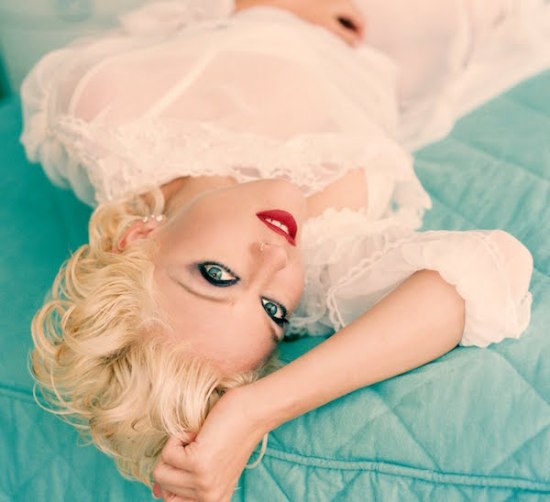
On December 22 1984, Madonna’s Like A Virgin single hit #1 in the USA.  It was her first number one single in the USA, and it remained at number one for six weeks.

In 2000, Like A Virgin, was honored by Rolling Stone and MTV, as the fourth song on their list of the 100 Greatest Pop Songs. It was voted ten on VH1’s 100 Best Songs of the Past 25 Years. The song was listed at ninety-five on Billboard’s Hot 100 All-Time Top Songs. In 2003, Madonna fans were asked to vote for their Top 20 Madonna Singles of All-Time, by Q magazine. Like A Virgin was allocated the fifth spot on the list.

Today in Madonna History: November 16, 1989

first-album-debut-madonna-1 first-album-debut-madonna-2 first-album-debut-madonna-3 first-album-debut-madonna-4

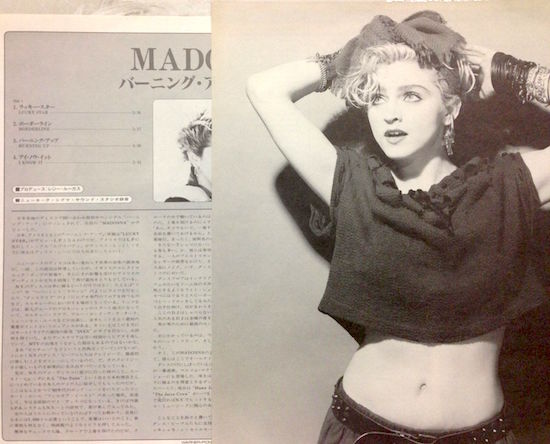
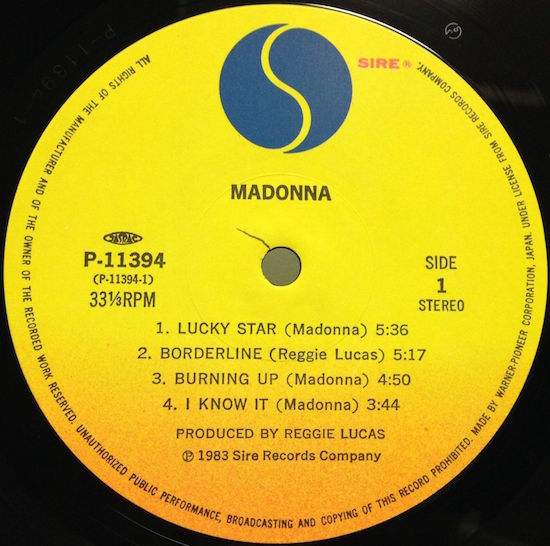
On November 16 1989, Madonna’s eponymous album was ranked #50 in Rolling Stone magazine’s list of The 100 Greatest Albums Of The 1980s.

Here’s what Rolling Stone had to say of Madonna’s debut album:

Five years after arriving in New York City from her hometown of Pontiac, Michigan, Madonna Louise Ciccone had little to show for a lot of work. By 1982, she had managed to get only a few gigs singing with drummer Stephen Bray’s band, the Breakfast Club, at clubs like CBGB and Max’s Kansas City, and the future looked far from bright.

“I had just gotten kicked out of my apartment,” Madonna says, “so the band let me live in their rehearsal space at the Music Building, on Eighth Avenue. Stephen had keys to all the rehearsal rooms, so when I decided to make my own demos, we’d go into other people’s studios at night and use their four-track machines.”

Armed with a tape, Madonna began making the rounds of New York’s dance clubs. “I had heard that a lot of A&R people hung out at the clubs,” she says, “and I thought trying to go see them at their offices would be a waste of time.” It proved a good strategy: Through Mark Kamins, the DJ at Danceteria, the tape found its way to Sire Records, and Madonna was signed by label president Seymour Stein. “Seymour was in the hospital at the time,” she says. “I got signed while he was lying in bed in his boxer shorts.”

The contract with Sire guaranteed just one single, but it had options for recording albums as well. With Kamins producing, Madonna cut the moody disco track Everybody as her debut single. But when Sire picked up its option to record an album, she decided to try a different producer. “I wanted someone who’d worked with a lot of female singers,” she says.

Reggie Lucas, the Grammy-winning songwriter who had produced Stephanie Mills and Roberta Flack, was selected. After recording the album’s second single, the Lucas-penned Physical Attraction, he and Madonna cut the rest of the album, with the exception of Holiday, which was produced by Jellybean Benitez.

“Things were very informal and casual,” Lucas says of the sessions. “It was my first pop project, and she was just a new artist. I had no idea it would be the biggest thing since sliced bread.”

Indeed, initial response to Madonna gave no indication of the mania to follow. It took a year and a half for the album to go gold. But its assured style and sound, as well as Madonna’s savvy approach to videos, helped the singer make the leap from dance diva to pop phenom, and it pointed the direction for a host of female vocalists from Janet Jackson to Debbie Gibson.

“It influenced a lot of people,” says Madonna, who cites Chrissie Hynde and Debbie Harry as her own musical heroes. “I think it stands up well. It just took a long time for people to pay attention to me —and I thank God they did!”

Today in Madonna History: September 30, 1999

september-30-a september-30-b september-30-3

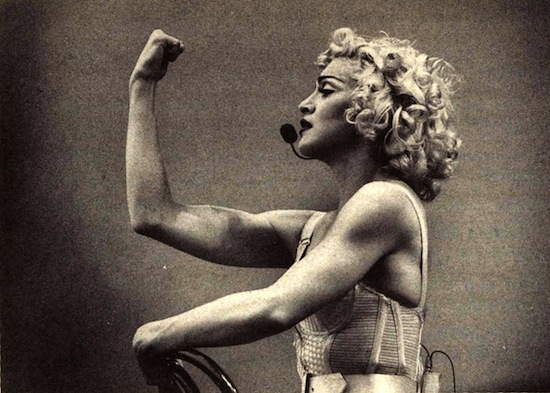
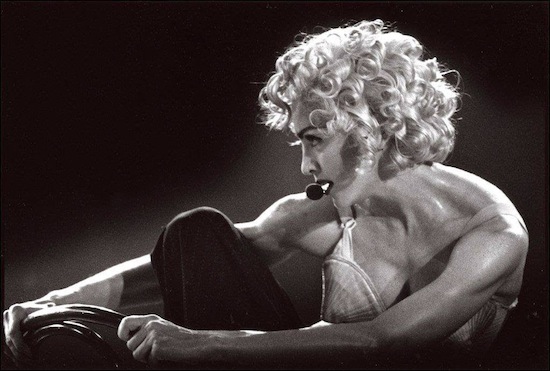
On September 30 1999, Madonna’s Blond Ambition Tour was named The Greatest Concert Of The 1990s by Rolling Stone magazine.

Today in Madonna History: July 9, 1998

madonna-rolling-stone-98-1 madonna-rolling-stone-98-2

madonna-rolling-stone-98-3

madonna-rolling-stone-98-6

madonna-rolling-stone-98-5

madonna-rolling-stone-98-4

madonna-rolling-stone-98-7

madonna-rolling-stone-98-10 madonna-rolling-stone-98-9

madonna-rolling-stone-98-8

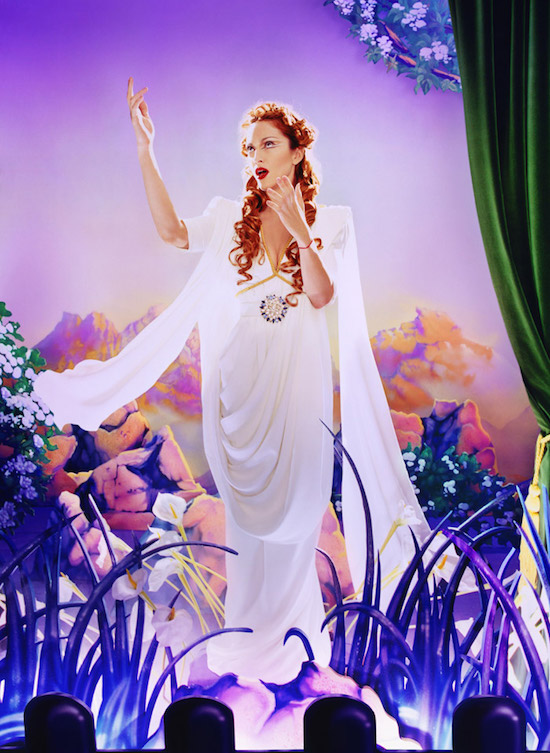
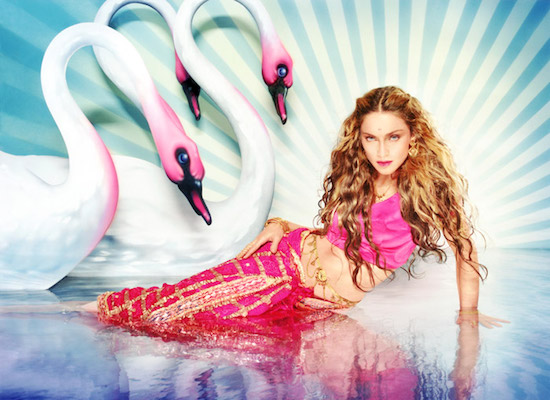
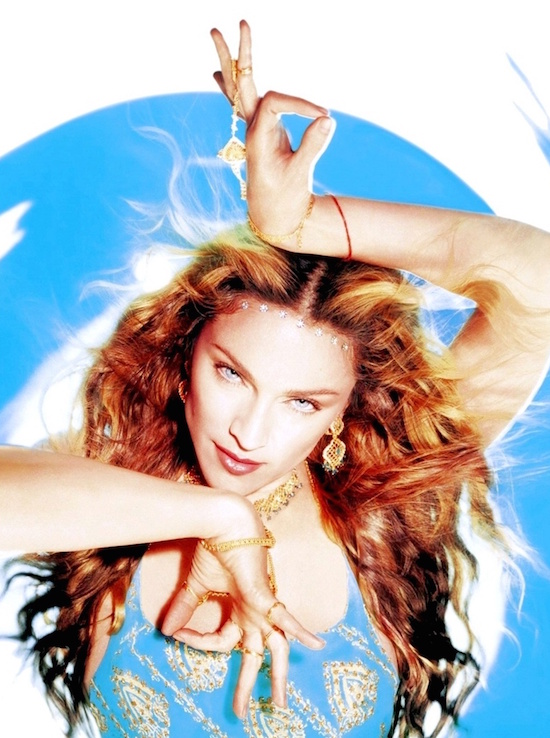
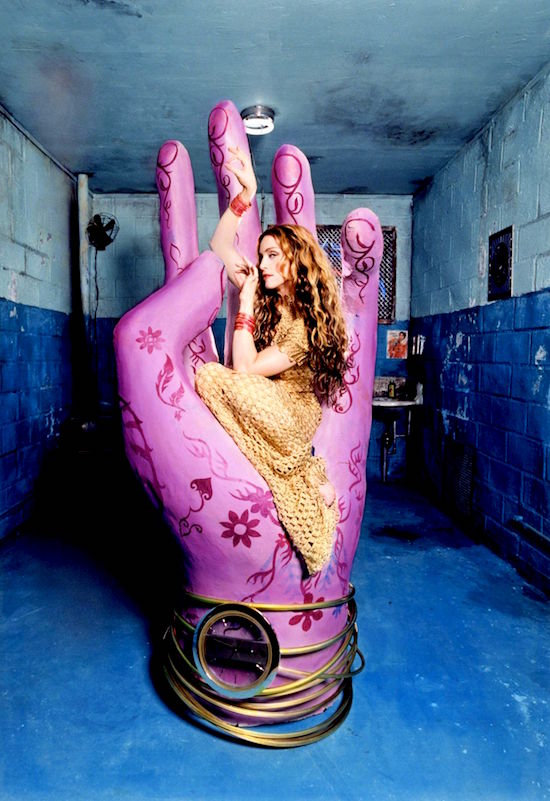
On July 9 1998, Madonna was featured on the cover of Rolling Stone magazine.

David LaChapelle was the photographer for the photo shoot.

Today in Madonna History: June 13, 1991

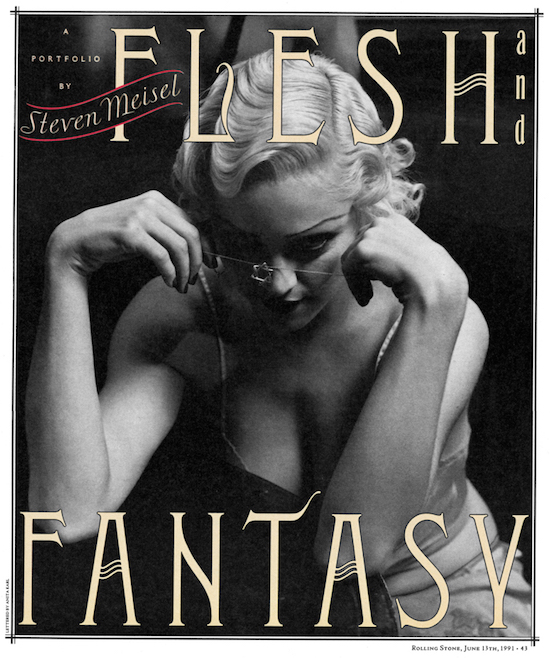
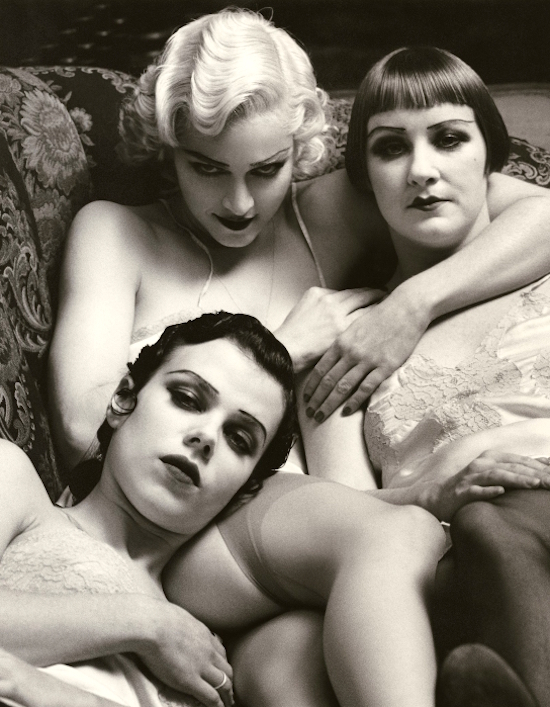
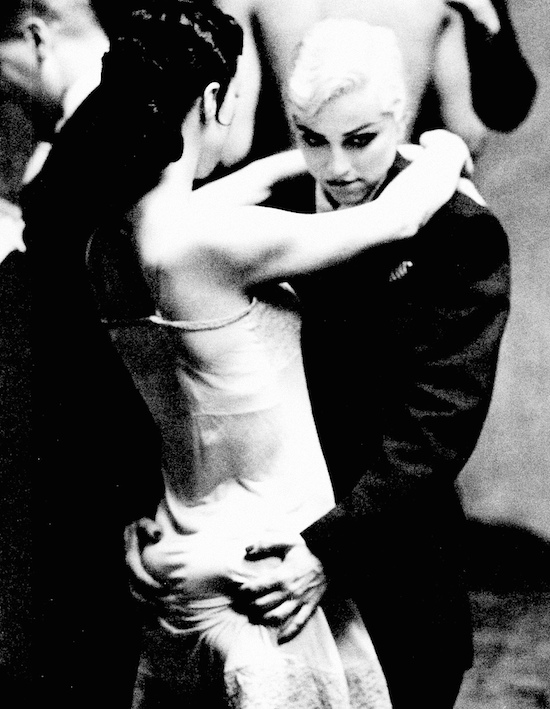
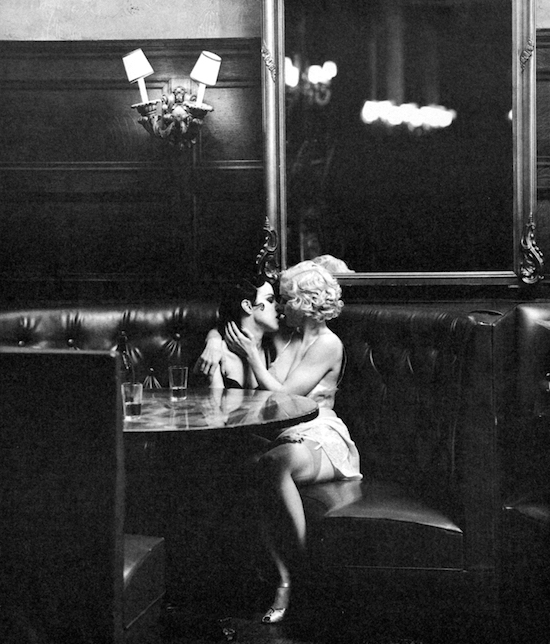
madonna-rolling-stone-june-13-1991-1 madonna-rolling-stone-june-13-1991-2 madonna-rolling-stone-june-13-1991-3 madonna-rolling-stone-june-13-1991-4 madonna-rolling-stone-june-13-1991-5 madonna-rolling-stone-june-13-1991-6 madonna-rolling-stone-june-13-1991-7 madonna-rolling-stone-june-13-1991-8 madonna-rolling-stone-june-13-1991-9

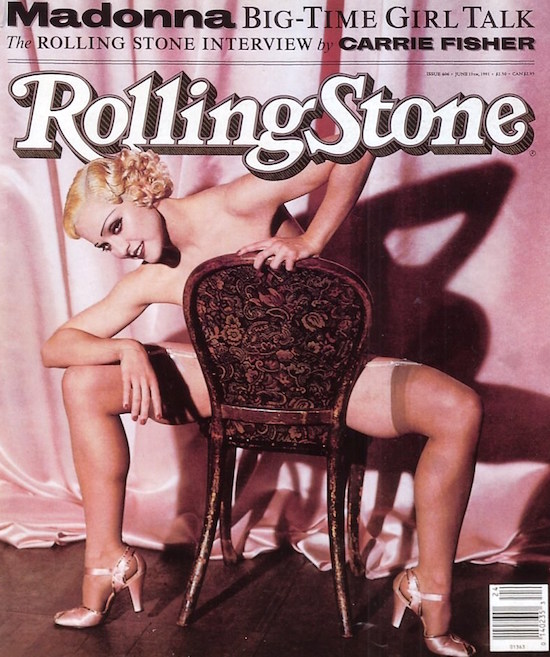
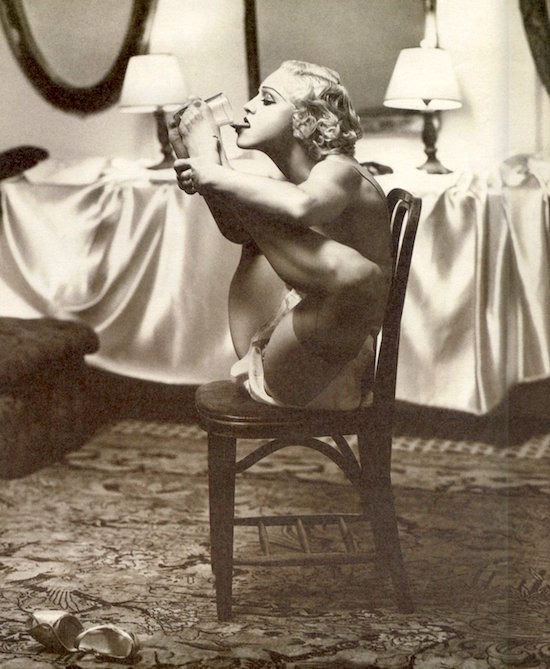
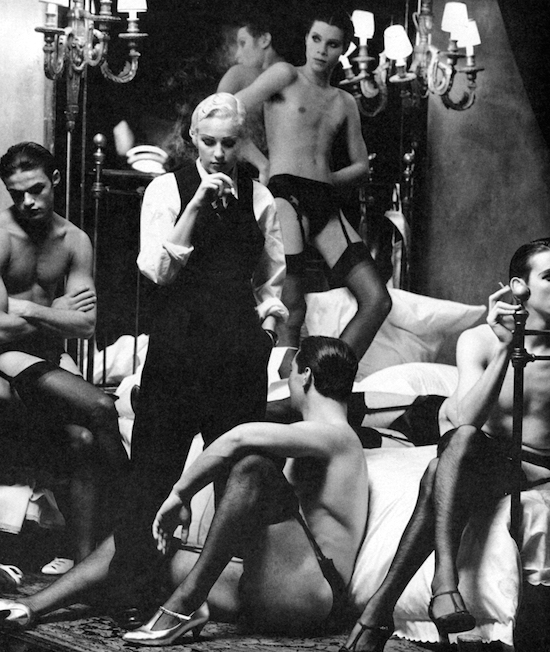
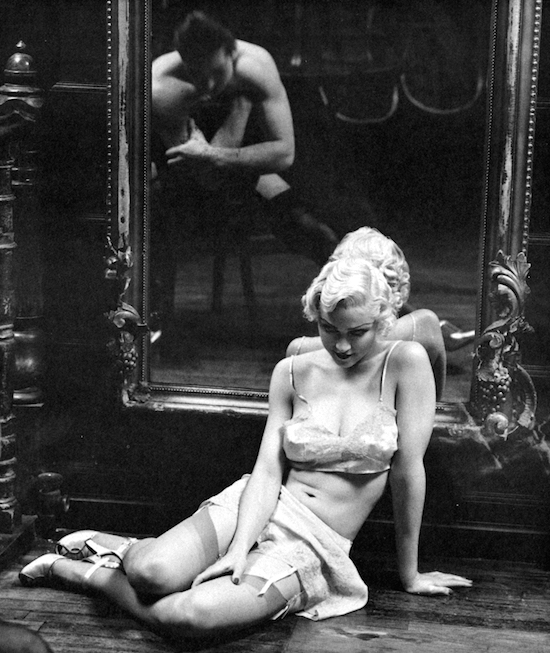
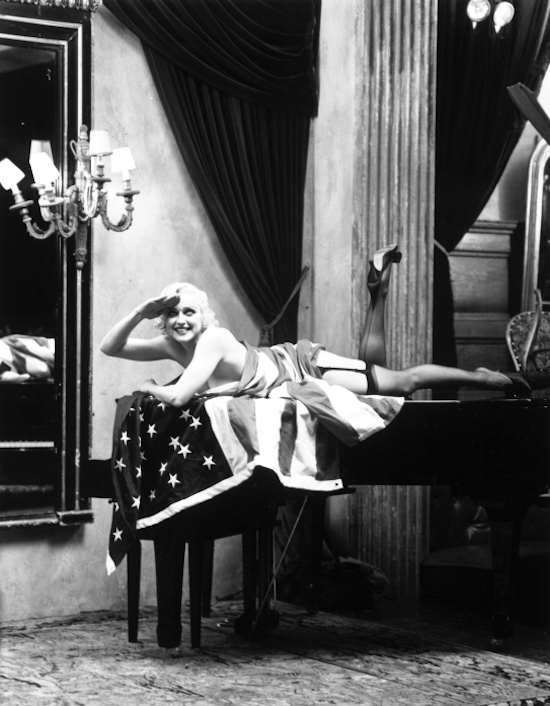
On June 13 1991, Madonna was featured on the cover of Rolling Stone magazine.  The feature included a photo spread shot by Steven Meisel.

Madonna has no equal at getting attention. She often seems to behave like someone who has been under severe restraint and can now say and do whatever she likes without fear of reprisal. She delights in being challenged, in telling more than she had planned, in going further than she had intended. And judging from her new film Truth or Dare, there is no “too far” for Madonna.

Today in Madonna History: May 25, 2004

On May 25 2004, Rolling Stone magazine published a review of Madonna’s Re-Invention World Tour with the headline, “Madonna Reinvents herself. Amid images of war and peace, pop star shows she can sing.”

Here’s the review by Barry Walters:

After twenty years in the limelight, Madonna is expected to cause controversy and reinvent herself for every new tour. So for the May 24th Los Angeles opening of her Re-Invention world trek, Madonna did the most unexpected thing she could: She came back as a great concert singer.

Even the most diehard Madonna fan will concede that her live performances have almost without exception been plagued by a multitude of missed notes, breathy passages, and, as of late, fake British accents. But while Mariah and Whitney have of been losing the acrobatic vocal dexterity and lung power on which their reputations rest, forty-five-year-old Madonna, whom few have ever taken seriously as a musician, has never sounded better than she did during the first of several gigs in her adopted West Coast home. Whether rocking out with classic black Les Paul in hand during a metallic rendition of her early club hit “Burning Up,” or performing “Like a Prayer” behind a screen-projected gospel choir, Madonna belted, and did not once seemed strained. In the midst of a $1 million production festooned with a walkway that jutted out from the stage and over the audience, massive moving video screens, a dozen dancers, a bagpipe player, a stunt skateboarder and a whole lot of emotionally charged anti-war imagery, the focus was nevertheless on Madonna, and how she’s matured into a truly great pop singer.

Opening with a yoga-trained twist on her famous Louis XIV-inspired MTV Video Music Awards rendition of “Vogue” and ending on a kilt-wearing finale of “Holiday” against a video backdrop of national flags that eventually morphed into one, the show was thematically simpler and more focused than her last several productions.

The barbarism of war and the necessity of love were at the heart of the entire show, and both played off each other, sometimes for ironic and decidedly uneasy effect. The original military-themed video footage of “American Life” that the singer withheld at the start of the Iraq war was finally unveiled, and then expanded upon during “Express Yourself,” where Madonna sang her anthem of unbridled, intimate communication in front of dancers dressed as soldiers and goose-stepping with twirling rifles.

By contrast, Madonna closed an extended acoustic section of the show with a straightforward and thoroughly committed rendition of John Lennon’s “Imagine” as images of war and poverty-ravaged children eventually gave way to footage of a Muslim boy and his Israeli counterpart smiling as they walked with their arms wrapped around each other.

The heaviness of much of the imagery was balanced by Madonna’s own presence, which seemed remarkably fun-loving and self-assured for the opening night of her most technically complex production. Only when she strapped on an acoustic or electric guitar during several songs and repeatedly glanced at her left hand to make sure it was playing the proper chords did she seem at all nervous. “How many people out there really think that I am the Material Girl?” she asked during a break in her most iconic early smash as she strummed with much deliberation.

For the last several songs, Madonna and her dancers donned black and white kilts, an apparent nod to husband Guy Ritchie’s Scottish heritage, and black T-shirts that read “Kabbalists Do It Better,” a cheeky reference to both her religious studies and the “Italians Do It Better” T-shirt she wore during her video for “Papa Don’t Preach,” a song that was performed without the “near-naked pregnant women” described in pre-tour reports of the show. In a number dedicated for the “fans that’ve stood by me for the last twenty years,” she sang her earliest hit ballad, “Crazy For You,” earnestly and without contrivance.

Madonna’s continued relevance was impressive, but it was even more striking that she’s putting more love and genuine passion into her spectacle than ever.

Today in Madonna History: April 10, 1985

virgin-tour-seattle-1 virgin-tour-seattle-2 virgin-tour-seattle-3 virgin-tour-seattle-4

On April 10 1985, Madonna’s Virgin Tour opened with 3 sold-out concerts at the Paramount Theatre in Seattle, Washington.

During a 2009 interview with Rolling Stone, interviewer Austin Scaggs asked Madonna regarding her feelings and emotions during the tour, since it was the first time she was playing in arenas. Madonna replied saying, “That whole tour was crazy, because I went from playing CBGB and the Mudd Club to playing sporting arenas,” she told the magazine. “I played a small theater in Seattle, and the girls had flap skirts on and the tights cut off below their knees and lace gloves and rosaries and bows in their hair and big hoop earrings. I was like, ‘This is insane!’ After Seattle, all of the shows were moved to arenas.”

Madonna had three shows in Seattle – April 10, 12 and 13 – and all three were sellouts by the time she took the stage that first night. The Beastie Boys opened for Madonna and they weren’t well received by the pro-Madonna crowd. The show was a year before “Licensed to Ill” was released.

Their 30-minute set got off to a bad start when one of the Beastie Boys declared himself King of the Paramount, and generally made the pro-Madonna audience feel like a swarm of hillbillies, P-I pop music critic Gene Stout wrote in his review.

“Dressed in what looked like a Boy George outfit, she looked reluctant, almost scared, and kept her eyes on the ground as she and her small entourage swept past a modest gathering of fans,” Stout wrote.

Madonna started the show with Dress You Up, followed with Holiday, and performed Borderline for the first time live as her seventh song. Madonna ended by debuting Material Girl as her encore.