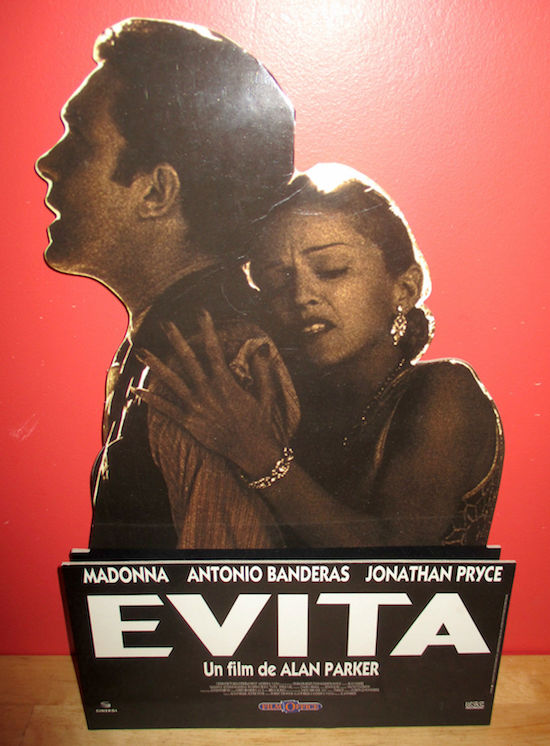
For the week ending July 12 1997, the EVITA soundtrack enjoyed its final week on the Official UK Albums Chart. After 36 weeks on the chart the hit film soundtrack sold 640,000 copies in the UK.

For the week ending July 12 1997, the EVITA soundtrack enjoyed its final week on the Official UK Albums Chart. After 36 weeks on the chart the hit film soundtrack sold 640,000 copies in the UK.

On June 30 1997, Madonna began recording sessions for what would become her Ray Of Light album at Larrabee North Recording Studios, Universal City, Los Angeles.
Madonna had already spent several months writing songs and producing demos with Patrick Leonard, Rick Nowels and Babyface (although none of the Babyface material would make the final cut) by the time she entered the studio with co-producers William Orbit and Marius De Vries. Leonard would return to the project to assist with arrangements, earning him a co-producer’s credit on four of the album’s tracks. Madonna would add lyrics and melody to at least a half-dozen previously composed Orbit demos during these sessions as well, with six of their songs making the final cut.
One song that came very close to being included on the album, Has To Be, was dropped due to Madonna’s desire to limit the number of songs on the album to lucky number thirteen. In a final toss-up between Has To Be and To Have And Not To Hold, the former was nixed in favor of the latter. Has To Be would fortunately make it to the ears of fans, however, due to its inclusion as a bonus track on the Japanese edition of the Ray Of Light album, and as the international b-side to the Ray Of Light single.
Has To Be was born as a collaboration between Madonna and Patrick Leonard. Recently surfaced demos from their writing session include two early versions of the song – the first is a piano-based arrangement in a similar style to the previous Madonna/Leonard collaboration, Something To Remember, while the second demo is an experimental synth-based reworking.
After entering the studio with William Orbit, Madonna adapted Has To Be to one of Orbit’s previously composed electronic soundscapes. Although the original Orbit instrumental piece with celestial voices has never been commercially released, it had previously aired on Orbit’s weekly radio series, Stereo Odyssey, on California’s KCRW prior to his involvement with Madonna. A sound file of the original instrumental that has circulated among fans is a recording from one of these broadcasts.
Although the released version of Has To Be is substantially different from the early Leonard demos, enough elements from its original melody lines (which were based on Leonard’s piano phrases) were carried over to warrant a three-way publishing split between Madonna/Orbit/Leonard for its official release.
Despite its relative obscurity, in fan circles Has To Be often ranks among her most beloved ballads.
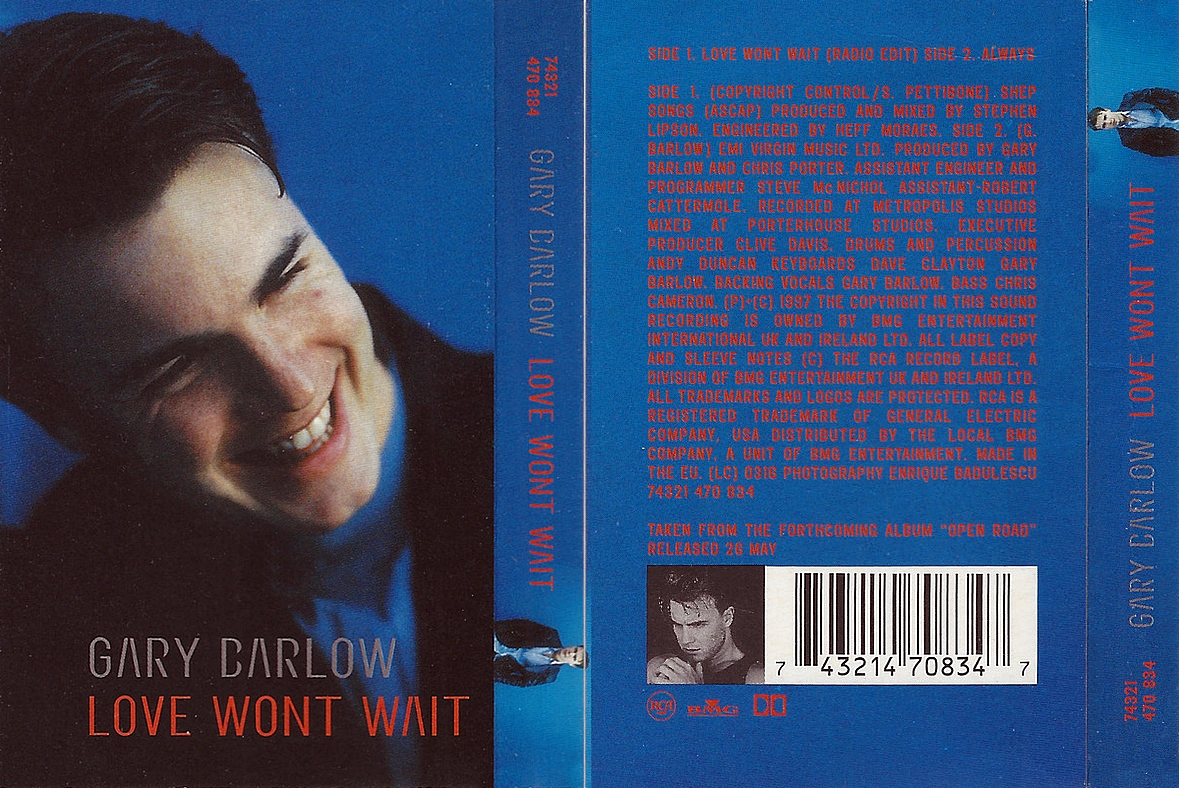
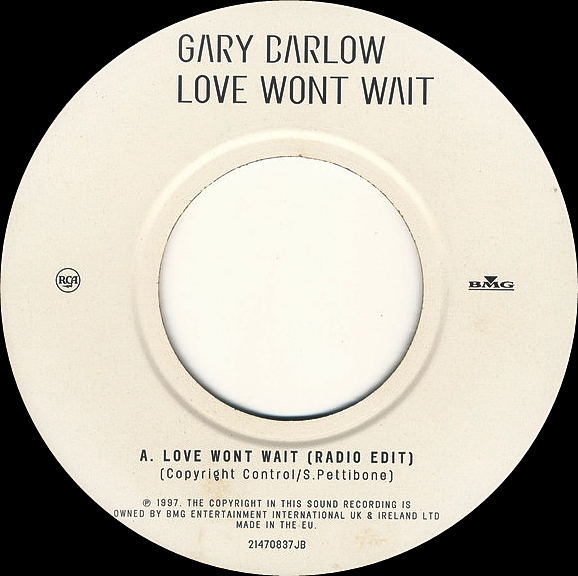
On May 10 1997, Gary Barlow’s Love Won’t Wait hit #1 on the UK Singles chart. The track was the lead single from the former Take That singer’s debut solo album, Open Road.
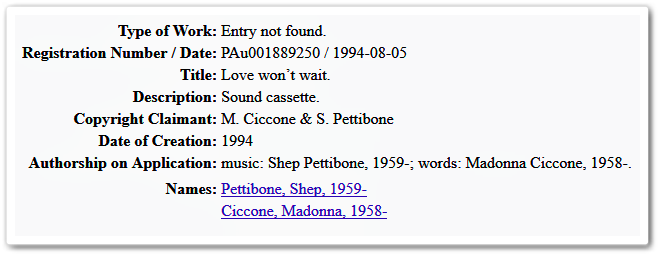
The song was written by Madonna & Shep Pettibone during an early 1994 writing session for what would evolve into Madonna’s Bedtime Stories album.
After recording a handful of demos with Pettibone, Madonna decided to shift musical directions. While some of Madonna’s lyrics from the Pettibone sessions would be reworked into songs that would appear on Bedtime Stories, the excellent Love Won’t Wait remained shelved until it was submitted to Gary Barlow’s manager for consideration.
Strangely, Barlow’s single release credited only Shep Pettibone as the song’s writer, with no mention of Madonna or her publishing company, Webo Girl, Inc. This was subsequently corrected in the liner notes for Barlow’s album, Open Road, with both Madonna & Pettibone receiving credit.
Madonna’s soulfully delivered original demo version of Love Won’t Wait leaked online a few years after Barlow’s version was released.
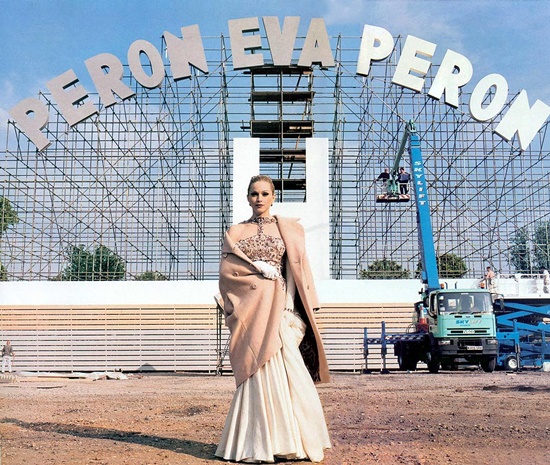
On February 1 1997, Evita – The Complete Motion Picture Soundtrack peaked at #2 on the Billboard 200 album chart in the U.S. Meanwhile across the pond, the soundtrack simultaneously shot to the #1 position on the UK album chart. It had initially peaked at #6 in the U.S. and at #7 in the U.K. upon release in November, 1996.
The surge in sales was largely attributed to the film’s wide release in January and the heavy promotional push that accompanied it, along with the interest generated by the soundtrack’s second single, Don’t Cry For Me Argentina.

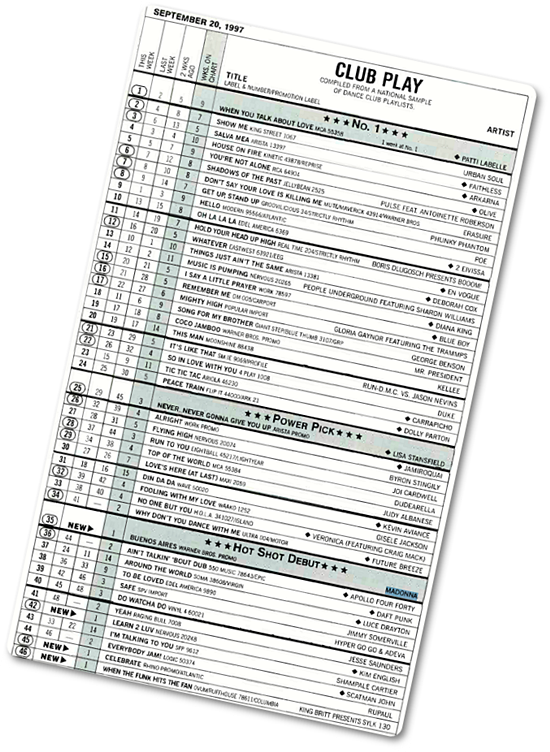
On September 20 1997, the single-disc version of the Evita soundtrack, Music From The Motion Picture Evita, re-entered the Billboard 200 albums chart in the U.S., spending its final charting week at #190.
In the same issue of Billboard, the promo-only remixes of Buenos Aires earned “Hot Shot Debut” status on the Hot Dance/Club Play chart, entering at #35.
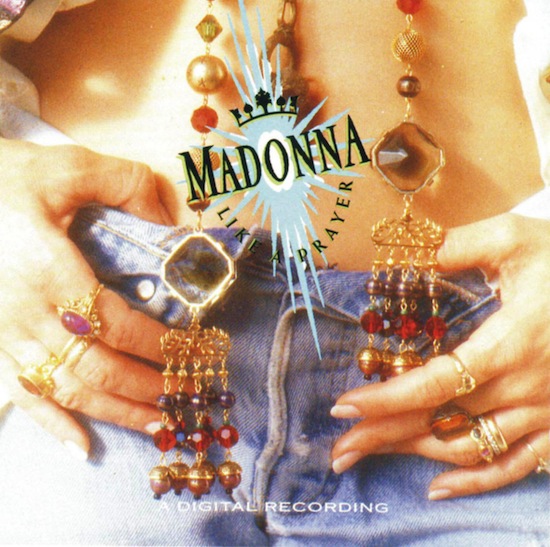
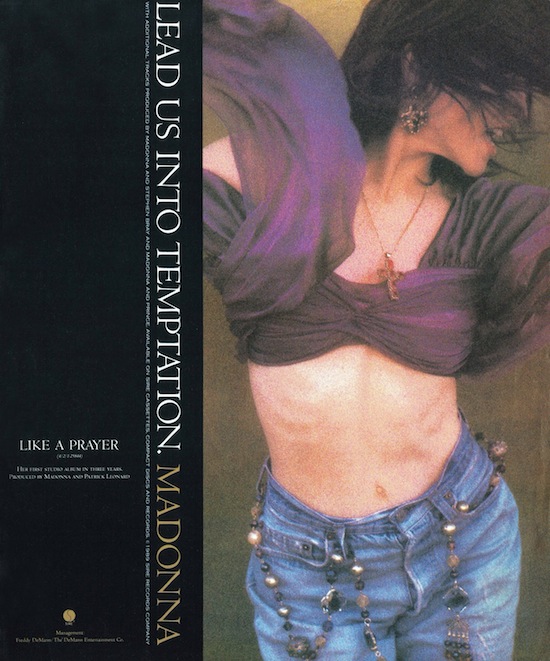
On May 15 1997, Madonna’s Like A Prayer is named one of “200 Best Albums Ever Made” by Rolling Stone magazine.


On March 25 1997, Madonna performed You Must Love Me at the 68th Academy Awards. The song won the Academy Award for Best Original Song.
Kathleen Guerdo from Billboard said that “Madonna delivers what is by far one of the strongest vocal performances of her career, comfortably scaling to the song’s demanding soprano heights while infusing it with delicate, heart-rending emotion.”

