
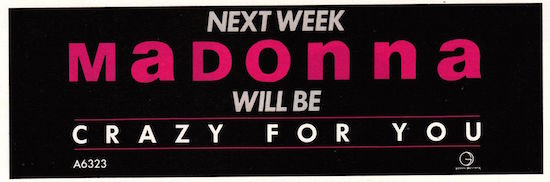
On July 16 1985, Madonna’s hit single, Crazy For You, was certified gold by the Recording Industry Association of America (RIAA) for shipment of one million copies of the single in United States—the requirement for a gold single prior to 1989.

On July 16 1985, Madonna’s hit single, Crazy For You, was certified gold by the Recording Industry Association of America (RIAA) for shipment of one million copies of the single in United States—the requirement for a gold single prior to 1989.

On July 14 2008, Madonna and Guy Ritchie were featured on the cover of People Magazine with the caption: “Madonna & Guy Ritchie – Is It Over?”
Here’s a snippet of the article inside by Joe Artolomeo:
For the past five months, it’s been the same story: While Madonna is on one continent making music, working on her Malawi documentary or planning her upcoming tour, her husband, Guy Ritchie, is in another part of the world tending to his own needs. Every few months they reunite—for a photo op, at least. The weekend of June 28 was no different. Madonna was in New York City taking a break from rehearsals to attend services at the Kabbalah Centre with her kids Lourdes, Rocco and David; meanwhile, in London Ritchie was also attending Kabbalah services and spending time with family friend Trudie Styler. On Monday, June 30, he boarded a flight bound for New York City—and his wife. This time the reunion had a sense of urgency. The British press had spent the past five days reporting that Madonna, 49, and Ritchie, 39, had consulted separate divorce lawyers (she chose Fiona Shackleton, who represented Sir Paul McCartney, said The Times and the Daily Mirror), a story that had first surfaced in early June. They pointed out that neither was wearing a wedding band and noted that during their last public appearance at the Cannes Film Festival, the couple appeared unhappy. When asked if Madonna and Ritchie are breaking up or even just having problems, Madonna’s rep Liz Rosenberg—who only recently insisted the couple were still happily married—told PEOPLE, “No comment.”
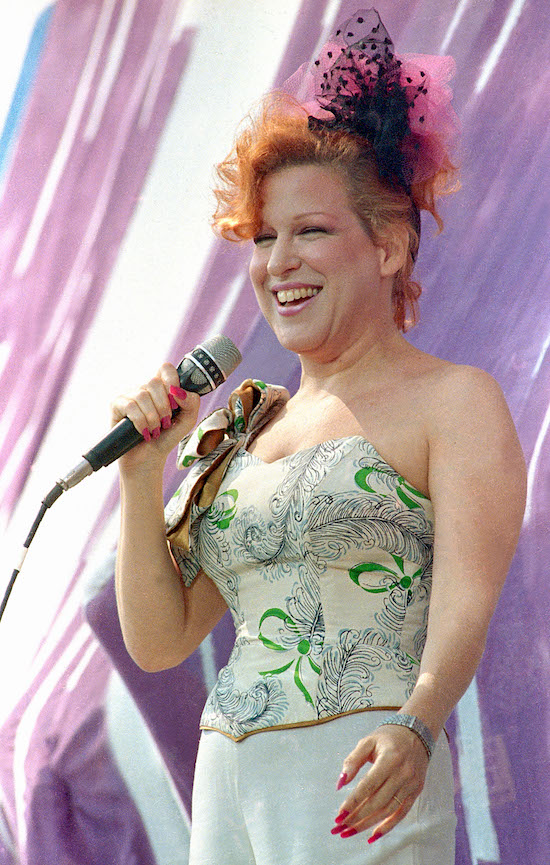
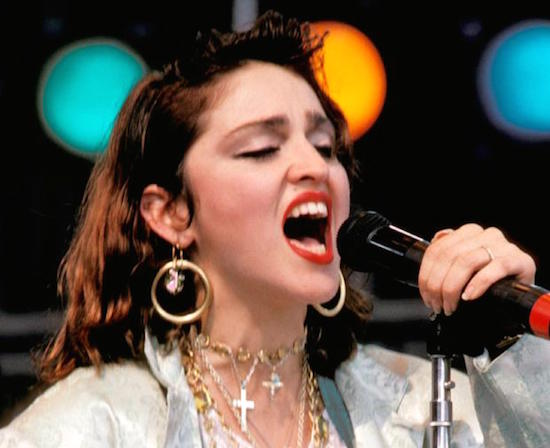
On July 13 1985, Bette Midler introduced Madonna at Live Aid’s charity concert in Philadelphia:
“I want you to know I have no idea why I was asked to introduce this next act — because you all know, I am the soul of good taste and decorum. However we are thrilled to be able to introduce to you today a woman whose name has been on everyone’s lips for the last six months. A woman who pulled herself up by her bra straps and has been known to let them down occasionally.”
Madonna was happy to tell the global audience of 1.9 billion viewers: “I ain’t taking off shit today.”
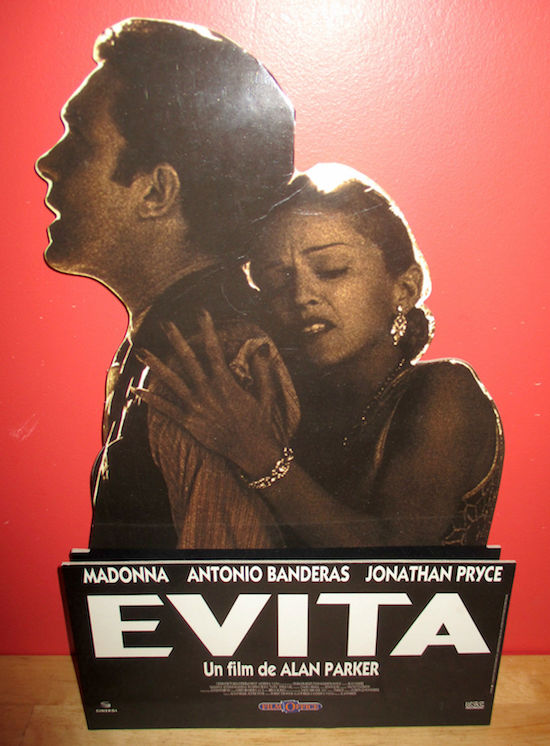
For the week ending July 12 1997, the EVITA soundtrack enjoyed its final week on the Official UK Albums Chart. After 36 weeks on the chart the hit film soundtrack sold 640,000 copies in the UK.
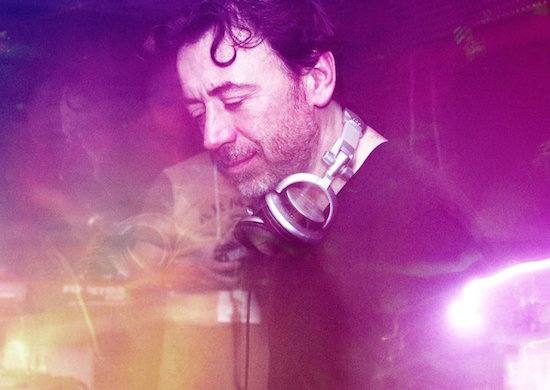
On July 11 2008, Benny Benassi was announced to be the opening act for Madonna’s Sticky & Sweet shows in Rome on September 6th (2008).

On July 10 1991, Madonna appeared on the cover of Australian Smash Hits to promote Truth or Dare.
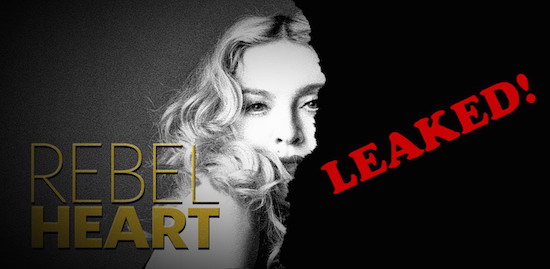
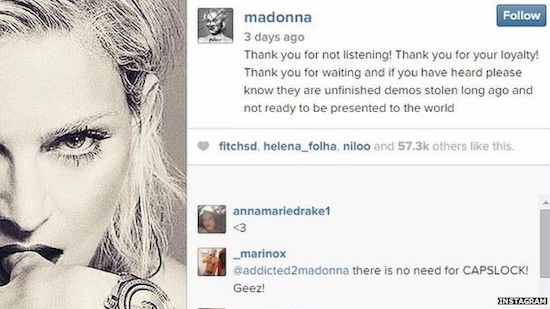

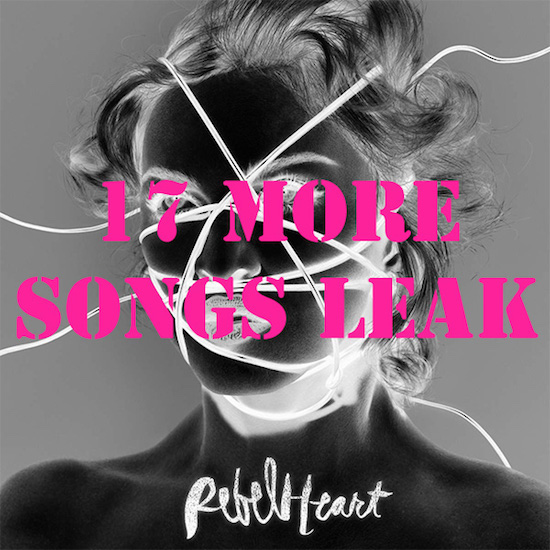
On July 9 2015, Adi Lederman was sentenced to 14 months in prison for hacking Madonna’s song library and leaking early demos from her yet-to-be-released Rebel Heart album.
Under a plea bargain, Lederman confessed to computer trespassing and infringement of privacy and property rights. Lederman was fined 15,000 shekels ($4,000 US dollars), in addition to his prison sentence.
The court released this statement:
“The ease with which crimes such as this can be committed by those who have skills in the field, such as the accused, require an appropriate punitive response that has a deterrent and uncompromising message.”
Madonna said the crime was an “invasion into my life – creatively, professionally and personally remains a deeply devastating and hurtful experience“.

